

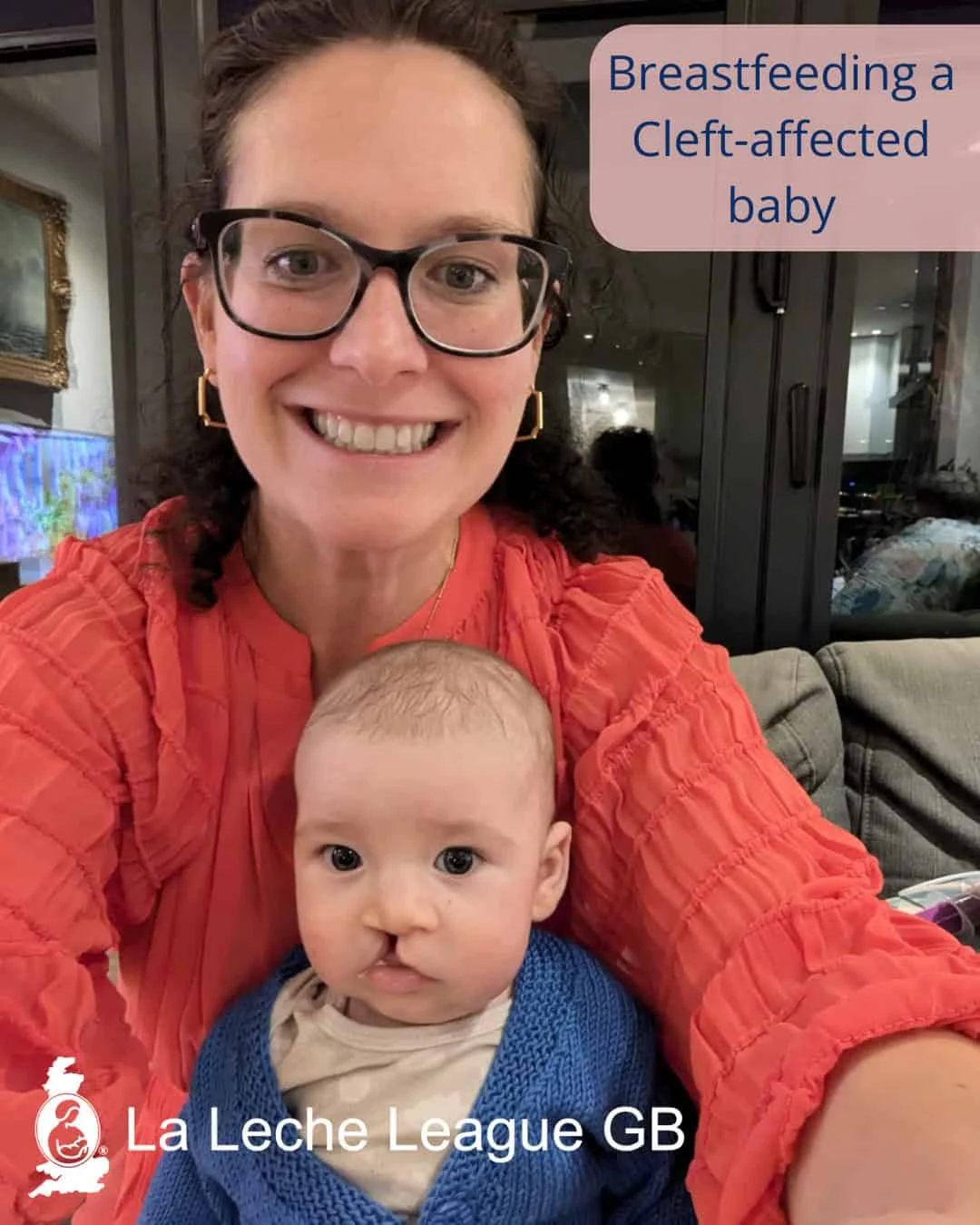
The inspiring journey of Sarah Muir-Little and her son, Russell, offers a compelling case study in overcoming significant feeding challenges associated with a cleft lip and palate, highlighting the critical role of parental determination, adaptive strategies, and the evolving landscape of specialized neonatal care. Their experience, spanning from an antenatal diagnosis to successful direct breastfeeding after surgical interventions, underscores the often-complex realities faced by families of the approximately 1 in 700 babies born with cleft conditions globally, and the profound impact of personalized care beyond conventional recommendations.
Understanding Cleft Lip and Palate: A Medical Overview
Cleft lip and palate are among the most common birth defects, occurring when the structures forming the upper lip or roof of the mouth (palate) do not fully fuse during early fetal development, typically between the fourth and ninth weeks of pregnancy. A cleft lip can range from a minor notch to a complete separation extending into the nose, while a cleft palate involves an opening in the roof of the mouth that can affect both the hard and soft palate. These conditions are multifactorial, resulting from a combination of genetic and environmental factors.
The immediate implications for newborns with cleft conditions often revolve around feeding difficulties, as the structural anomalies can impair the ability to create the necessary suction for efficient feeding. While babies with an isolated cleft lip can often breastfeed with minor adaptations, those with a cleft palate face a more pronounced challenge due due to the inability to generate negative pressure in the oral cavity. This often necessitates specialized feeding bottles or alternative methods to ensure adequate nutrition and growth. Beyond feeding, cleft conditions typically require a series of surgical repairs: a lip repair often performed around three to six months of age, followed by a palate repair between six and twelve months, with potential for further surgeries into childhood or adolescence. Comprehensive care involves a multidisciplinary team including craniofacial surgeons, orthodontists, speech therapists, audiologists, and specialist nurses.
Antenatal Diagnosis: The Muir-Little Family’s Initial Outlook
For Sarah Muir-Little, the journey began with an antenatal diagnosis at her 20-week scan, a moment that abruptly shifted her pregnancy experience. Following a challenging period marked by a family illness, the news of her baby boy’s cleft lip and palate was delivered, accompanied by the immediate, and often standard, medical advice that breastfeeding would not be possible. "Have you heard of a cleft lip?" the sonographer asked, a question that heralded the start of an unexpected battle for Sarah. A midwife’s subsequent explanation reinforced the belief that the combined cleft lip and palate would preclude natural breastfeeding, triggering an emotional response of grief for a parenting experience she had cherished with her first child.
This initial advice, while common, often reflects a broad-strokes approach to a highly nuanced condition. Specialist nurses, however, often provide more detailed and hopeful perspectives. In Sarah’s case, a specialist nurse clarified that while the journey might differ significantly from her previous experience, some form of breastfeeding connection could still be possible. The exact extent of the palate involvement, and thus the full feeding challenge, would only be confirmed after Russell’s birth. This subtle shift in perspective—from an absolute "no" to a "might not look the same"—proved pivotal, offering a glimmer of hope amidst the initial despair.
The Quest for Adaptive Feeding Solutions
Driven by a profound desire to breastfeed, Sarah embarked on an extensive research endeavor. She consulted resources from the Cleft Lip and Palate Association (CLAPA) and La Leche League International (LLLI), seeking success stories of breastfeeding after palate surgery. The findings, though limited, offered crucial insights: successful outcomes often depended on maintaining a sufficient milk supply and employing adaptive feeding techniques.
The first point, maintaining supply, seemed within Sarah’s control. Her previous experience of successfully weaning a toddler and her ability to express milk, albeit with difficulty, gave her confidence. She recognized the need for improved pumping knowledge to meet the demands for Russell. The second point, adaptive techniques, proved more challenging. She explored various methods, including direct hand expressing and the use of nursing supplementers. Nursing supplementers, designed to deliver milk via a thin tube while the baby is latched at the breast, emerged as the most practical long-term solution.
The UK market offered two primary supplementer systems for cleft-affected babies, each with distinct mechanisms: one gravity-fed for slow flow, and another with a squeezable bottle for controlled delivery. Sarah purchased both, meticulously evaluating their practicality. She noted the gravity-fed system’s slow flow and the squeezable bottle’s awkwardness, particularly when attempting the "dancer hold" — a common technique for babies with latch difficulties, involving supporting the baby’s chin with the index finger and thumb. The physical demands of simultaneously managing a baby, a supplementer bottle, and the tube felt overwhelming in practice.
Innovating a Personalized Feeding System
Upon Russell’s arrival, diagnosed with a complete cleft lip and palate, the initial feeding plan involved expressed colostrum delivered via syringe, with finger-sucking to encourage oral motor development. The transition to a supplementer at the breast required ingenuity. A serendipitous discovery involved syringes with an incorrect end for direct feeding but a perfect fit for the supplementer tube. Further adaptation saw Sarah modify larger syringes with drilled caps to create a secure, albeit custom, feeding system. This bespoke solution highlights the limitations of off-the-shelf equipment for highly individualized needs and the critical role of parental resourcefulness.
The standard advice for supplementer tube placement—either inserting it after latching or taping it to the breast away from the mouth—presented practical difficulties. Russell’s fragile latch made the former impossible, while the latter resulted in a cumbersome, fiddly setup. Sarah innovated by taping the tube very close to the nipple, a method that, while leading to some milk loss due to compromised latch integrity, offered greater ease of placement. This period of trial and error, marked by frustration and emotional strain for both mother and baby, eventually yielded a workable system capable of delivering milk effectively.

Despite these personal breakthroughs, seeking external help often brought its own set of challenges. Many healthcare professionals lacked direct experience with such highly adapted feeding methods for cleft babies, leading to concerns, particularly regarding aspiration. This underscored a gap in specialized knowledge and the necessity for Sarah to draw upon immense personal resilience and conviction in her chosen path.
Positioning, Perseverance, and Professional Perspectives
The "dancer hold" continued to be a source of stress. Sarah, familiar with the cradle hold from feeding her toddler, sought further advice. A specialist at Great Ormond Street Children’s Hospital validated her preference for the cradle hold. While this position might lead to more milk spillage around Russell’s cleft, prioritizing calm and a deep latch in a familiar position was deemed more beneficial for both mother and baby. This decision reflects an important principle in pediatric care: balancing optimal theoretical techniques with practical comfort and reduced stress for the family unit.
In the early weeks, feeds were undeniably messy and demanding, yet the emotional rewards were significant. Sarah developed a synchronized rhythm with Russell, controlling the milk flow via the syringe, pausing when he did, and adjusting the pace to prevent overwhelm or frustration. This dynamic interaction fostered a unique bonding experience, challenging conventional notions of what breastfeeding "should" look like. Friends who initially questioned her efforts later understood, observing that she was, in essence, already breastfeeding. Such affirmations, though seemingly simple, provided crucial validation against the backdrop of an often-isolating journey.
However, not all professional interactions were supportive. A pediatrician, adhering strictly to established protocols, expressed reservations about Sarah’s adapted method, advocating for "safe and effective" specialist cleft bottles. This highlights a common tension between standardized medical recommendations and highly individualized, parent-led innovations, particularly when standard options do not fully address a family’s goals. Sarah’s resilience in brushing off such critical comments, especially from healthcare professionals, was paramount. Her conviction stemmed from Russell’s consistent weight gain and apparent enjoyment of feeding at the breast, demonstrating that "right" can be subjective and highly effective outside of conventional frameworks.
Evolving Techniques and Surgical Milestones
As Russell grew, his needs and capabilities evolved. Around ten weeks, his increasing awareness led to discomfort with the tape, prompting Sarah to gradually move the tape further from the nipple, and eventually, to eliminate it altogether. This required greater coordination but became manageable as both mother and son adapted. The journey was not linear; moments of regression, such as feeding refusals, were met with the realization that many challenges were typical of any baby’s development, rather than solely attributable to his cleft. Distractibility, a common phase around three months, served as a reminder that Russell was a baby first, and his cleft was a secondary consideration in many aspects of his care.
The first major milestone arrived with Russell’s surgery to reconstruct his lip and hard palate. The immediate post-operative period presented new hurdles. Initially, due to pain and recovery, Russell would only feed from a bottle. Once the morphine subsided, a new preference emerged: he rejected bottles in favor of the supplementer at the breast, possibly associating bottles with the difficult post-surgical days. This phase, characterized by continuous pumping and managing supplementer feeds, underscored the unwavering commitment required from Sarah and the crucial support from her husband, who handled bottle-washing, night feeds, and emotional reassurance. Their teamwork was instrumental in navigating this demanding period, reinforcing the belief that every successful supplementer feed contributed significantly to Russell’s health and their bond.
The Breakthrough: Direct Breastfeeding Achieved
The most anticipated milestone occurred just before Russell’s first birthday when he underwent his palate surgery. Surgeons typically advise avoiding suction for a month post-operation to allow for healing. However, almost immediately, Sarah sensed Russell attempting to suck for the first time—a sensation previously impossible. Four weeks later, a remarkable breakthrough: Russell discovered how to use a straw, and the very next day, began sucking and swallowing directly at the breast.
This transition marked a monumental achievement, a culmination of months of dedication and adaptive feeding. Progress was gradual, with the supplementer usage steadily decreasing as Russell’s ability to extract milk independently improved. After 15 months of daily pumping, Sarah was finally able to cease the demanding routine. While Russell’s latch might not have been "typical" by conventional standards, it was effective, and crucially, it made him content. At the time of the update, he continued to breastfeed once or twice a day, a testament to the family’s perseverance and the body’s remarkable capacity for adaptation. This outcome, once deemed unlikely, underscored the power of sustained effort and personalized care.
Broader Implications and the Future of Cleft Care
The Muir-Little family’s story offers valuable insights for parents, healthcare providers, and support organizations. It highlights the importance of:
- Challenging Standardized Advice: While general guidelines are necessary, individual circumstances, parental goals, and a baby’s unique adaptations can necessitate deviations from the norm. Healthcare professionals are increasingly encouraged to adopt a more flexible, family-centered approach.
- Parental Advocacy and Resourcefulness: Sarah’s proactive research, willingness to innovate, and determination in the face of skepticism demonstrate the profound impact of parental advocacy in navigating complex medical journeys.
- The Evolving Role of Support Networks: The critical role of a supportive partner, understanding friends, and organizations like CLAPA and La Leche League in providing emotional, practical, and informational support cannot be overstated.
- Holistic Understanding of Breastfeeding: The experience redefines "breastfeeding" beyond direct latching, encompassing the provision of breast milk and the emotional bonding at the breast, even with assistive devices. This broader definition is crucial for supporting mothers of babies with special needs.
- Continuous Learning and Adaptation: Medical advice and techniques for cleft care are constantly evolving. This case illustrates the need for healthcare systems to be responsive to new data, patient experiences, and innovative solutions developed in the home.
The journey of Russell and his mother, Sarah Muir-Little, is more than a personal anecdote; it is a powerful narrative of resilience, innovation, and the transformative potential of personalized care. It serves as an inspiring example for other families facing similar challenges and a call to action for the medical community to embrace adaptive strategies and support parental choices in the pursuit of optimal outcomes for every child. Their story reinforces that with determination, patience, and a willingness to think outside the box, even the most formidable obstacles in infant feeding can be overcome, ultimately strengthening the unique bond between mother and child.
