

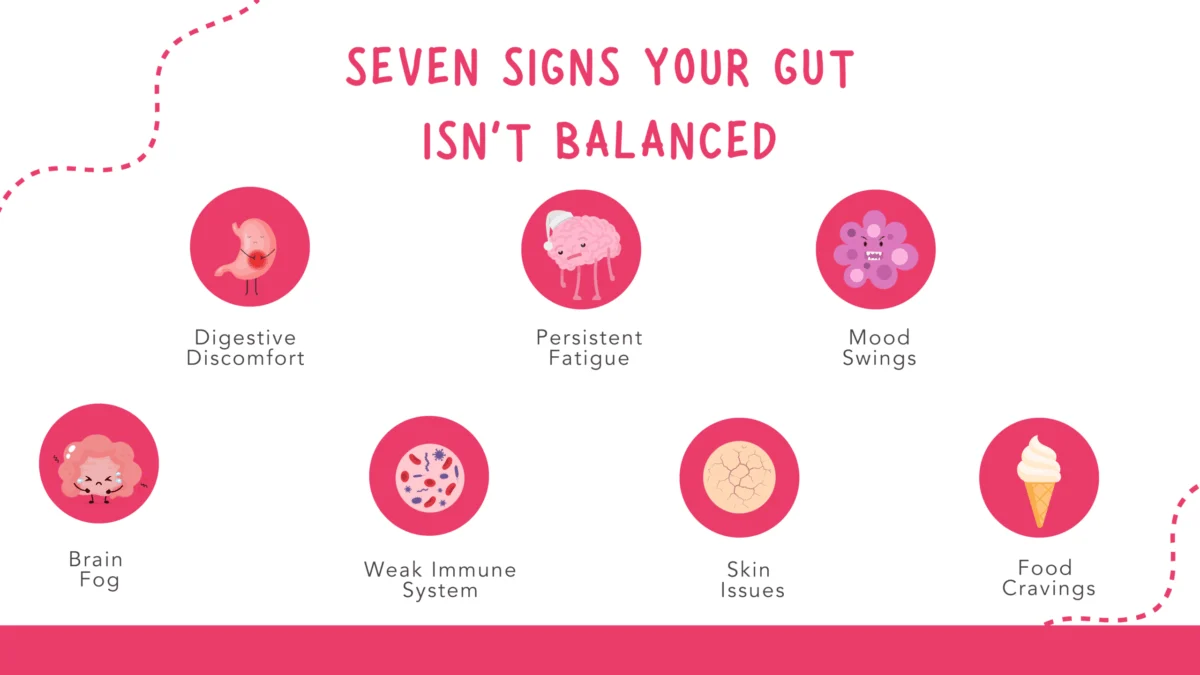
The human gastrointestinal tract, often referred to by medical professionals as the "second brain," serves as a complex ecosystem housing trillions of microorganisms that dictate far more than simple digestion. Recent clinical research has increasingly linked the state of the gut microbiome to systemic health, including mental well-being, immune response, and dermatological conditions. When this delicate balance of bacteria—known as the microbiome—is disrupted, a condition called dysbiosis occurs. Understanding the physiological indicators of an imbalanced gut is becoming a cornerstone of preventive medicine as chronic digestive issues and related systemic ailments rise in prevalence across global populations.
The Clinical Significance of Gastrointestinal Dysbiosis
The gut microbiome consists of a diverse array of bacteria, fungi, and viruses. In a healthy state, these organisms exist in a symbiotic relationship with the host, assisting in the breakdown of complex carbohydrates, the synthesis of essential vitamins, and the regulation of the immune system. However, factors such as high-sugar diets, chronic stress, sedentary lifestyles, and the over-prescription of antibiotics have contributed to a widespread decline in microbial diversity.
Medical experts categorize the symptoms of an imbalanced gut into seven primary indicators. These signs often manifest subtly before progressing into chronic conditions, making early identification essential for long-term health maintenance.
1. Chronic Gastrointestinal Distress and Waste Elimination Issues
The most immediate indicators of a microbiome imbalance are localized within the digestive tract. Frequent bloating, flatulence, constipation, or diarrhea serve as primary signals that the body is struggling to process nutrients and expel waste efficiently. These symptoms are often the result of "bad" bacteria producing excess gas during the fermentation of undigested food.
According to gastroenterological data, an imbalance in the small intestine can lead to Small Intestinal Bacterial Overgrowth (SIBO), a condition where bacteria that should be in the large intestine migrate upward. This results in significant discomfort and malabsorption of nutrients. Tools such as the Bristol Stool Scale are frequently utilized by clinicians to help patients identify irregular elimination patterns that correlate with specific microbial deficiencies.
2. Persistent Fatigue and the Link to Irritable Bowel Syndrome
The relationship between gut health and energy levels is supported by significant clinical evidence. A study published in the journal Microbiome found that individuals suffering from chronic fatigue syndrome often possess a distinct lack of microbial diversity compared to healthy counterparts. Furthermore, research indicates that approximately 60% of individuals diagnosed with chronic fatigue also exhibit symptoms of Irritable Bowel Syndrome (IBS).
This fatigue is not merely a result of poor sleep but is often tied to the gut’s inability to absorb energy-providing nutrients and the systemic inflammation caused by a compromised intestinal barrier, often referred to as "leaky gut." When the gut lining is permeable, toxins enter the bloodstream, triggering an immune response that consumes significant metabolic energy.
3. The Gut-Brain Axis: Mood Instability and Anxiety
Perhaps the most profound discovery in modern neurology is the gut-brain axis—the bidirectional communication network between the central nervous system and the enteric nervous system. This connection is heavily mediated by neurochemicals. Notably, an estimated 95% of the body’s serotonin, a key hormone responsible for mood stabilization and feelings of well-being, is produced in the gut rather than the brain.
When the microbiome is in a state of dysbiosis, the production of serotonin and other neurotransmitters like dopamine and gamma-aminobutyric acid (GABA) is disrupted. Clinical observations suggest that patients with imbalanced gut flora are significantly more prone to mood swings, heightened stress responses, and generalized anxiety disorders.
4. Cravings for Sugar and Ultra-Processed Foods
Emerging research suggests that the microbes in our gut may actually influence our dietary choices to ensure their own survival. Certain yeast species and pathogenic bacteria thrive on simple sugars. When these populations grow too large, they can trigger biochemical signals that increase a host’s cravings for sugary or highly processed foods.
This creates a "vicious cycle" of consumption: the host eats sugar to satisfy the craving, which further feeds the harmful bacteria, leading to a further reduction in beneficial, fiber-loving bacteria. Breaking this cycle requires a strategic reintroduction of prebiotics to starve the harmful strains and nourish the beneficial ones.
5. Dermatological Manifestations: The Gut-Skin Axis
The skin is often a reflection of internal health. Chronic inflammatory skin conditions, including acne, eczema, and psoriasis, have been increasingly linked to gut health. This "gut-skin axis" suggests that when the gut is inflamed due to poor diet or food sensitivities, the body’s inflammatory markers increase systemically, manifesting as skin eruptions.
A lack of beneficial bacteria can also impair the skin’s natural barrier function. Studies have shown that supplementing with specific probiotic strains can improve skin hydration and reduce the severity of inflammatory flare-ups, highlighting the necessity of internal balance for external clarity.
6. Immunological Vulnerability and Frequent Illness
The gut is home to approximately 70% to 80% of the human immune system, specifically within the gut-associated lymphoid tissue (GALT). Beneficial bacteria train the immune system to distinguish between friendly organisms and harmful pathogens.
When the microbiome is compromised, the immune system may become either hyper-reactive (leading to autoimmune issues) or under-reactive (leading to frequent infections). Individuals who find themselves frequently catching common colds or struggling with slow recovery times often have underlying microbial imbalances that leave their primary line of defense weakened.
7. Cognitive Impairment and "Brain Fog"
Cognitive functions, including focus, memory, and mental clarity, are deeply impacted by gut health. "Brain fog"—a term used to describe a lack of mental sharpness—is frequently reported by patients with gut dysbiosis. This is often attributed to the production of inflammatory cytokines and metabolic byproducts by harmful bacteria, which can cross the blood-brain barrier and affect cognitive processing.
Strategies for Microbiome Restoration
Restoring balance to the gut is a multi-faceted process involving dietary shifts, lifestyle modifications, and targeted supplementation. Public health advocates suggest a "food-first" approach, supplemented by high-quality probiotics when necessary.
The Critical Role of Dietary Fiber
Fiber acts as a "prebiotic," providing the necessary fuel for beneficial bacteria to thrive. Despite its importance, the "fiber gap" remains a significant issue in Western diets; while the recommended daily intake is 25 to 38 grams, the average adult consumes only about 15 grams.
Nutritionists recommend a diverse intake of:
- Soluble Fiber: Found in oats, beans, and fruits, which helps slow digestion and improve nutrient absorption.
- Insoluble Fiber: Found in whole grains and vegetables, which aids in regular waste elimination.
- Prebiotic-Rich Foods: Specialized fibers found in garlic, onions, leeks, and the African baobab fruit are particularly effective at stimulating the growth of healthy bacteria.
Integration of Fermented Foods
Fermentation is an ancient preservation technique that naturally produces probiotics. Integrating small, consistent servings of sauerkraut, kimchi, kefir, or miso into the daily diet introduces live, active cultures into the digestive system. These "nature-made" probiotics help to diversify the microbial landscape and lower the pH of the gut, making it less hospitable to pathogens.
Hydration and Mucosal Support
Water is essential for the movement of fiber through the digestive tract. Furthermore, adequate hydration supports the mucosal lining of the intestines, which acts as a protective barrier against pathogens. Clinicians recommend consuming half of one’s body weight in ounces of water daily, with adjustments for activity levels and pregnancy.
The Evolution of Targeted Probiotic Supplementation
While whole foods are foundational, certain life events—such as the completion of a course of antibiotics, significant hormonal shifts during postpartum, or recovery from illness—may require more concentrated intervention. The probiotic market has evolved to offer gender-specific and condition-specific formulas.
For women, the microbiome also encompasses the vaginal flora, which requires specific strains like Lactobacillus rhamnosus and Lactobacillus reuteri to maintain health and prevent infections. High-quality supplements, such as the Mama Natural Women’s Probiotic, have emerged to meet these specific needs by offering high Colony Forming Unit (CFU) counts—often 50 billion or more—and a diverse array of acid-resistant strains. These formulations are increasingly designed to be shelf-stable and free from common allergens like soy, gluten, and dairy, ensuring they are accessible to those with sensitivities.
Analysis of Implications for Public Health
The rising awareness of gut health represents a shift toward holistic and preventive medicine. As healthcare costs associated with chronic inflammatory diseases and mental health disorders continue to climb, the focus on the microbiome offers a cost-effective, lifestyle-based intervention.
The broader implications suggest that agricultural practices and food processing standards may need to be re-evaluated to preserve the nutritional integrity and prebiotic content of the food supply. Furthermore, the medical community is likely to see an increase in "microbiome profiling" as a standard diagnostic tool, allowing for personalized nutrition plans tailored to an individual’s unique bacterial makeup.
In conclusion, the gut is not merely a digestive organ but a central regulatory hub for the entire body. By recognizing the signs of imbalance—from fatigue and brain fog to skin issues and digestive distress—and responding with intentional dietary and supplemental support, individuals can significantly improve their systemic health and long-term vitality.
