

The landscape of modern maternity care is undergoing a significant shift toward patient-centered models, where communication between expectant parents and healthcare providers is prioritized to ensure safety, satisfaction, and respect for personal values. Central to this movement is the birth plan—a document outlining a family’s preferences for labor, delivery, and immediate postpartum care. While traditional, text-heavy birth plans have existed for decades, a new generation of visual birth plan templates is gaining traction within clinical settings. These one-page, icon-based documents are designed to bridge the communication gap between laboring patients and medical staff, offering a concise and easily digestible "blueprint" for the birthing process. By utilizing standardized icons and color-coded categories, these templates aim to reduce the cognitive load on healthcare providers while ensuring that the mother’s preferences are respected during the high-stakes environment of active labor.
The Evolution of Birth Planning in Modern Medicine
The concept of a formal birth plan emerged in the late 1970s and early 1980s as a response to the increasing medicalization of childbirth. During this era, many women felt that hospital protocols were overly rigid, often prioritizing routine interventions over individual needs. The birth plan was introduced as a tool for advocacy, allowing parents to express their desires regarding pain management, movement during labor, and newborn care. However, as these documents grew in length and complexity, they occasionally became a source of friction. Medical professionals, particularly labor and delivery nurses, sometimes viewed lengthy, multi-page documents as "inflexible" or unrealistic, given the unpredictable nature of childbirth.
In recent years, the "visual birth plan" has emerged as a solution to these logistical challenges. By replacing paragraphs of text with universally recognized icons, the visual plan allows a nurse or physician to understand a patient’s primary goals in a matter of seconds. This evolution reflects a broader trend in healthcare toward "shared decision-making," a process in which clinicians and patients work together to make informed choices that align with the patient’s values and clinical evidence.
Strategic Design: The Functionality of Visual Templates
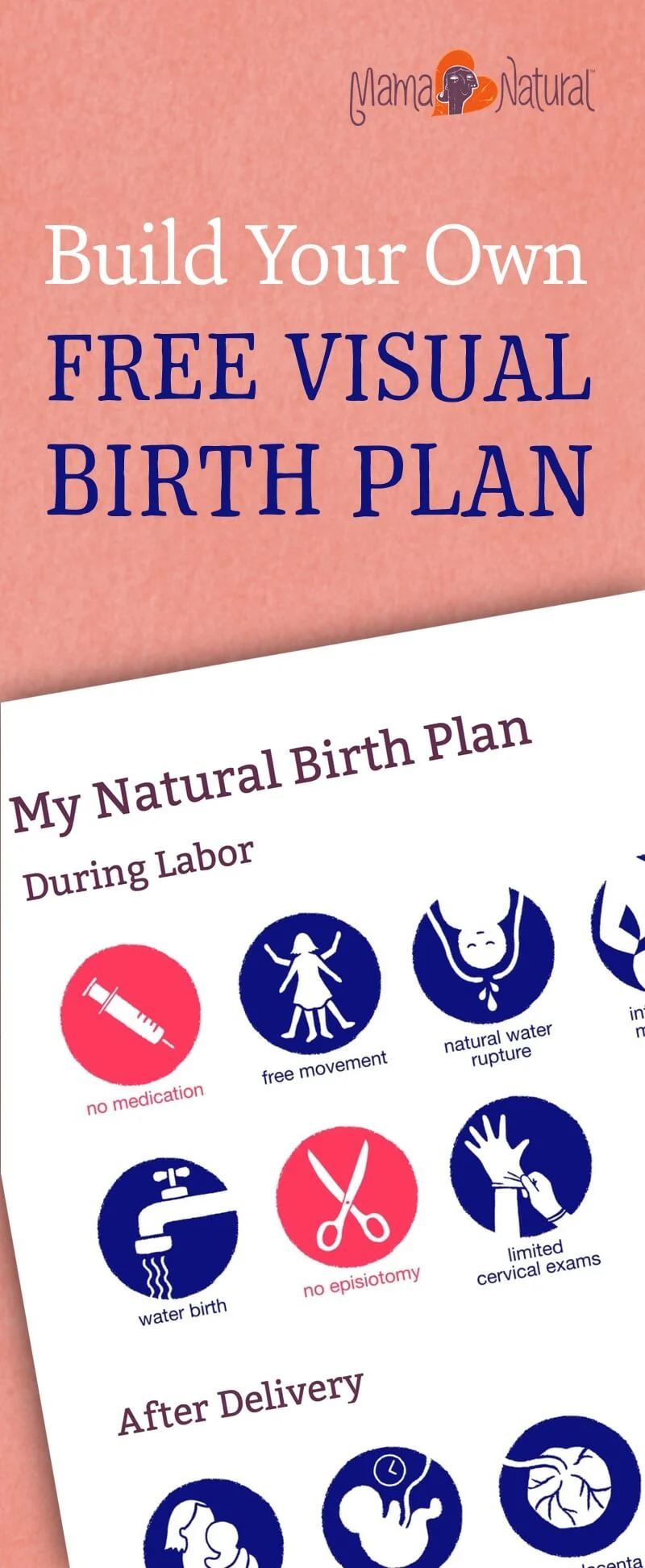
The modern visual birth plan template, such as the 2025 iteration developed by Mama Natural, is structured to provide maximum clarity with minimal clutter. The design utilizes a dual-color system to categorize preferences: blue icons represent positive actions (e.g., "Do allow for free movement" or "Do practice delayed cord clamping"), while red icons indicate interventions the patient wishes to avoid unless medically necessary (e.g., "No episiotomy" or "No routine pitocin").
These templates are typically offered in customizable formats, such as editable Word documents or zip files, allowing users to drag and drop icons that reflect their specific needs. This level of personalization is critical, as no two births are identical. The 2025 updates to these templates include a diverse array of icons covering labor, delivery, and postpartum care. For labor, icons may represent preferences for hydrotherapy, the use of a birthing ball, or the presence of a doula. Post-delivery icons often focus on the "Golden Hour," including immediate skin-to-skin contact, breastfeeding support, and the avoidance of unnecessary newborn bathing.
Furthermore, the inclusion of "Gentle Cesarean" icons marks a significant advancement in inclusive birth planning. A gentle cesarean, also known as a family-centered cesarean, incorporates elements of a vaginal birth into the surgical setting, such as clear drapes for viewing the birth, music in the operating room, and immediate skin-to-skin contact in the recovery area. Providing icons for these options ensures that even when a birth deviates from the original plan, the mother’s autonomy and the family’s bonding experience remain a priority.
Data and Context: The Necessity of Patient Advocacy
The rise of birth plans is supported by a growing body of data regarding maternal health outcomes and patient satisfaction. According to the Centers for Disease Control and Prevention (CDC), the cesarean delivery rate in the United States remains approximately 32.1%. While many of these procedures are life-saving, the high rate of intervention has led many families to seek ways to advocate for "natural" or low-intervention births.
Research indicates that women who feel they have a sense of control during labor are less likely to experience birth trauma and postpartum depression. A study published in the Journal of Perinatal Education found that the process of creating a birth plan encourages women to educate themselves about the physiological process of birth and the risks and benefits of various interventions. This education is a form of "informed consent" in practice, ensuring that when decisions must be made quickly during labor, the patient has already considered her options.

However, the need for birth plans extends beyond personal preference; for many, it is a matter of safety and equitable care. The National Association to Advance Black Birth (NAABB) has championed the "Black Birthing Bill of Rights" to address the disproportionate maternal mortality rates among women of color. For these patients, a birth plan is not merely a list of preferences but a critical tool for ensuring they receive respectful, high-quality care that is free from bias. By documenting their rights and expectations, patients of color can better navigate a healthcare system that has historically underserved them.
Professional Perspectives and Clinical Responses
The reception of birth plans among healthcare providers remains a complex issue. While many midwives and progressive obstetricians welcome the documents as a way to understand their patients’ values, some clinical staff remain skeptical. Anecdotal evidence from labor and delivery wards suggests that nurses may occasionally label patients with detailed birth plans as "high maintenance." This perception often stems from a fear that the patient will be devastated if the birth does not go "according to plan," or that the patient is rejecting medical expertise.
To counter this, maternity experts recommend a "middle ground" approach. The "Stephanie" testimonial—a patient who reported that her midwife loved her visual plan because it was "the best and clearest way to keep everyone on the same page"—highlights the success of the visual format. When a plan is concise and visually accessible, it is perceived as a collaborative tool rather than a list of demands.
Healthcare providers generally recommend that birth plans be discussed during prenatal appointments long before labor begins. This allows for a dialogue where a provider can explain hospital policies and the patient can express her priorities. If a hospital’s standard of care is fundamentally at odds with a patient’s birth plan—such as policies regarding continuous fetal monitoring versus intermittent auscultation—knowing this in advance allows the patient to seek a different birthing environment, such as a birth center or a different hospital, that better aligns with her goals.
Chronology of the Planning Process
Effective birth planning follows a specific timeline to ensure the document is integrated into the clinical workflow:
- Second Trimester (Weeks 20–28): Research and Education. Expectant parents begin exploring their options regarding pain management, birthing positions, and newborn procedures. This is the ideal time to download a template and begin selecting relevant icons.
- Early Third Trimester (Weeks 28–34): Consultation. The draft plan is brought to a prenatal visit. The patient and provider review the icons together, discussing which preferences are standard practice at the facility and which may require special arrangements.
- Late Third Trimester (Weeks 36–38): Finalization and Distribution. The final one-page visual plan is printed and added to the patient’s medical chart. Copies are also packed in the hospital bag to be handed to the nursing staff upon admission.
- Labor and Delivery: Implementation. The visual plan is taped to the wall of the birthing suite or kept at the bedside, serving as a silent advocate for the laboring mother.
Broader Implications and Future Outlook
The shift toward visual birth planning reflects a larger movement in global healthcare: the move toward health literacy and visual communication. As patient populations become more diverse and the medical environment becomes more fast-paced, the ability to communicate complex desires through simple, universal imagery is invaluable.
Moreover, the use of such templates may contribute to better long-term psychological outcomes for mothers. By fostering a sense of agency, birth plans can mitigate the feelings of helplessness that sometimes accompany medical emergencies. Even if a medical intervention becomes necessary, a mother who has a birth plan in place often feels more "heard" and respected, provided her team acknowledges her preferences before proceeding with necessary changes.
In conclusion, the visual birth plan is more than a trend in maternal care; it is a sophisticated tool for communication in a clinical setting. By prioritizing brevity, clarity, and personalization, these templates empower expectant parents to take an active role in their healthcare. As the medical community continues to embrace patient-centered care, the integration of visual aids like the Mama Natural template will likely become a standard component of the birthing experience, ensuring that every arrival is handled with the respect, safety, and individualized care that every family deserves.
