

The school portrait has long served as a quintessential rite of passage in the academic journey, capturing a singular, frozen moment of a child’s development against a backdrop of varying aesthetic trends. Recently, the digital lifestyle publication Cup of Jo initiated a community-driven retrospective, inviting its readership to submit their most memorable school photographs alongside the narratives that define them. The resulting collection of eleven featured stories offers more than a simple exercise in nostalgia; it provides a sociological glimpse into the evolution of childhood identity, the influence of parental guidance, and the enduring nature of self-perception through the decades.
The Cultural Significance of School Photography
School photography is a multi-billion-dollar industry that traces its roots back to the mid-19th century, though it became a standardized American tradition in the 1930s and 1940s. Companies such as Lifetouch, founded in 1936, transformed the school portrait from an expensive luxury into a routine annual event. Today, the industry is estimated to generate over $1.5 billion in annual revenue in the United States alone. These photographs serve as primary historical documents for families, marking physical growth and the shifting tides of fashion, from the stiff collars of the mid-century to the neon-streaked "laser" backgrounds of the 1990s.
The Cup of Jo initiative highlights the emotional weight these images carry. While many recall the "picture day" experience with a degree of anxiety—stemming from the pressure to present a perfect image—the retrospective reveals that the most cherished photos are often those that capture imperfections, rebellious style choices, or the practical realities of family life.
Navigating Identity and Self-Expression
Several submissions underscored the role of the school portrait as a rare opportunity for self-expression within the confines of institutional dress codes. For many students, particularly those in parochial or private schools, small sartorial choices became significant markers of identity.
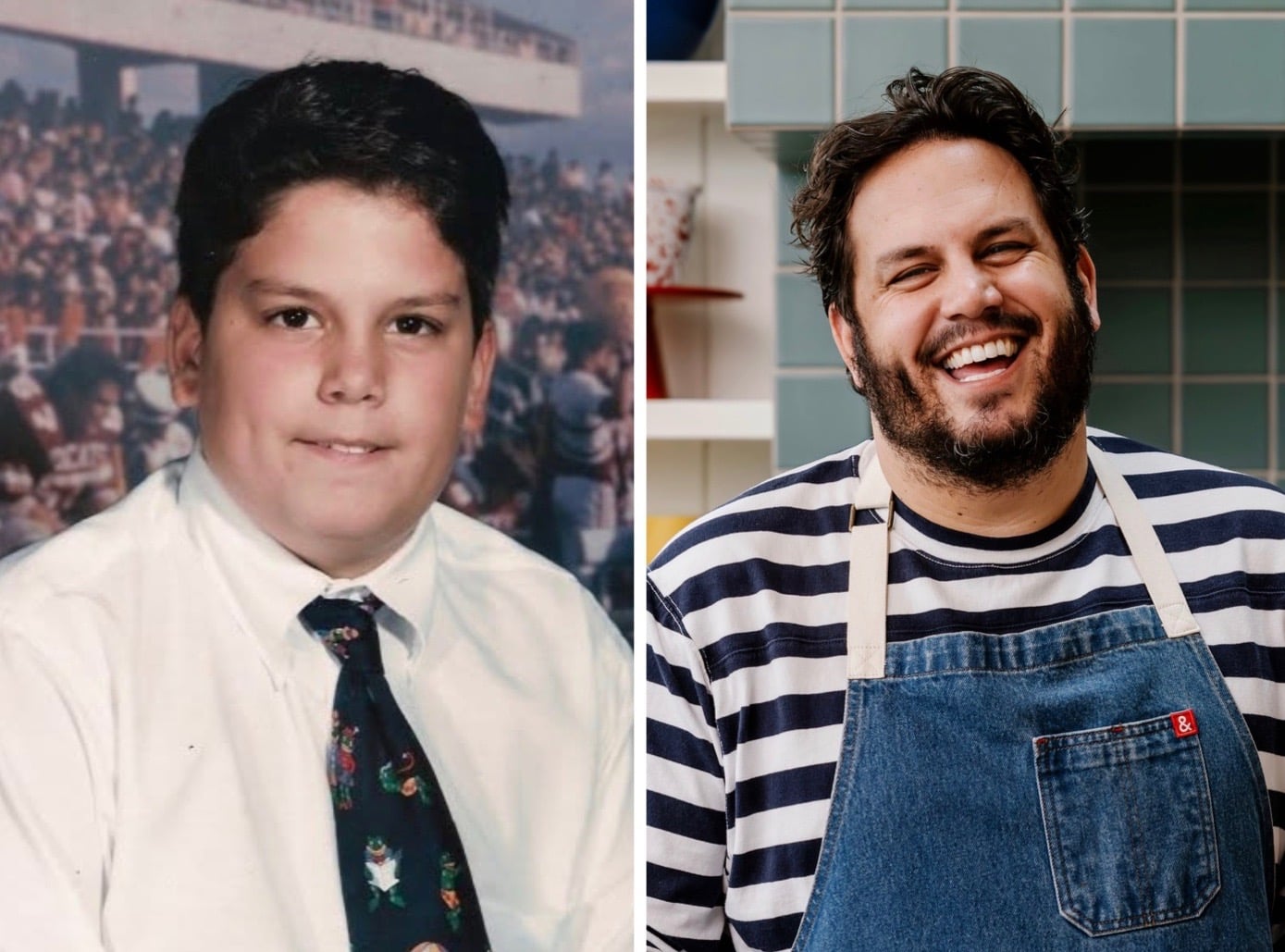
Dan, a contributor from New York, shared a third-grade portrait featuring a sports-themed background and a prominent necktie. His reflection provides a poignant look at the intersection of youth and identity. "The sports background was very much a ‘I swear I am not gay please no one find out I am gay’ trying to fly under the radar moment," he noted. In the context of a Catholic school where uniforms were mandatory, Dan identified his tie as his primary vehicle for self-expression, wearing it daily as a quiet assertion of his personality.
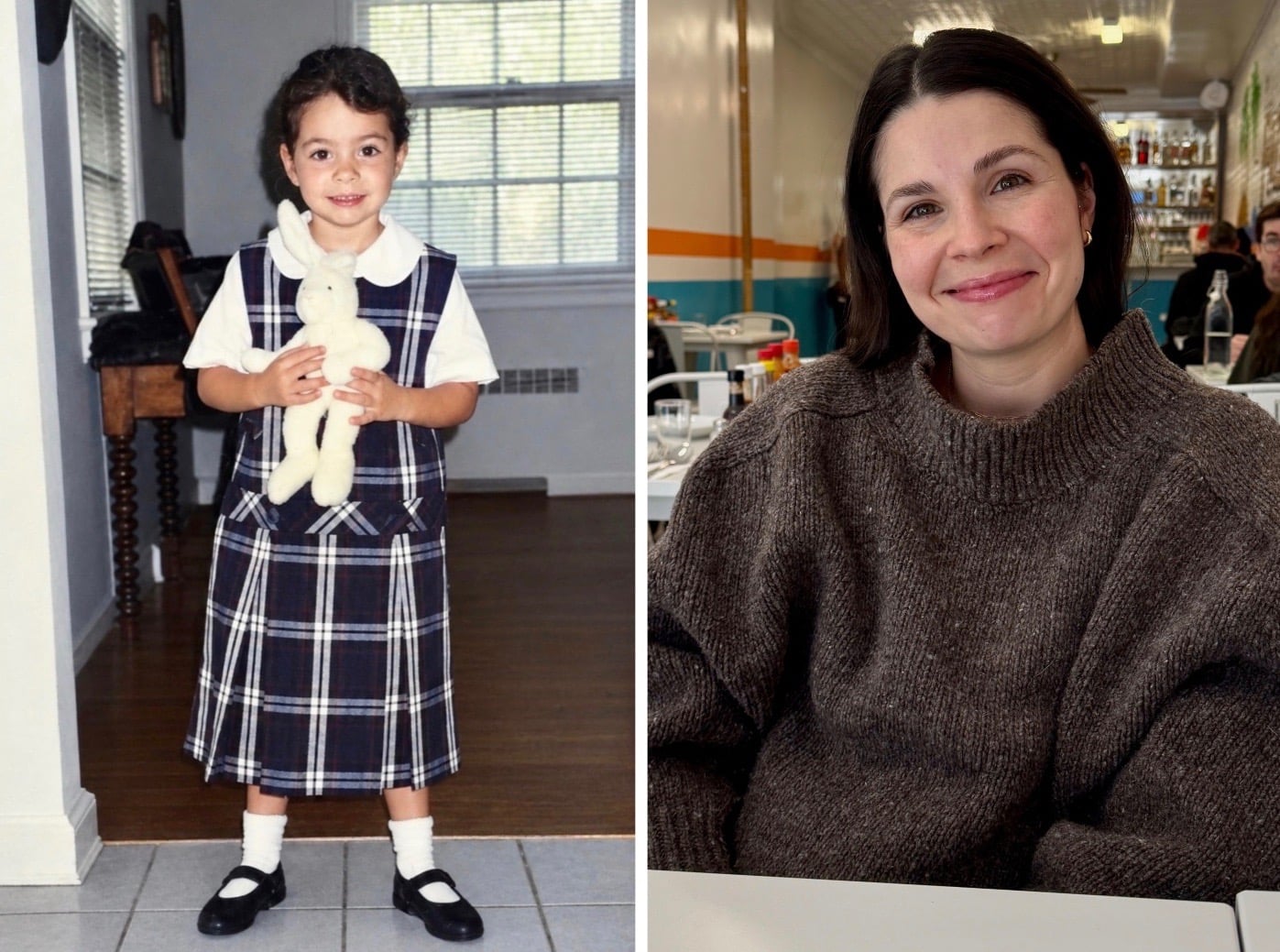
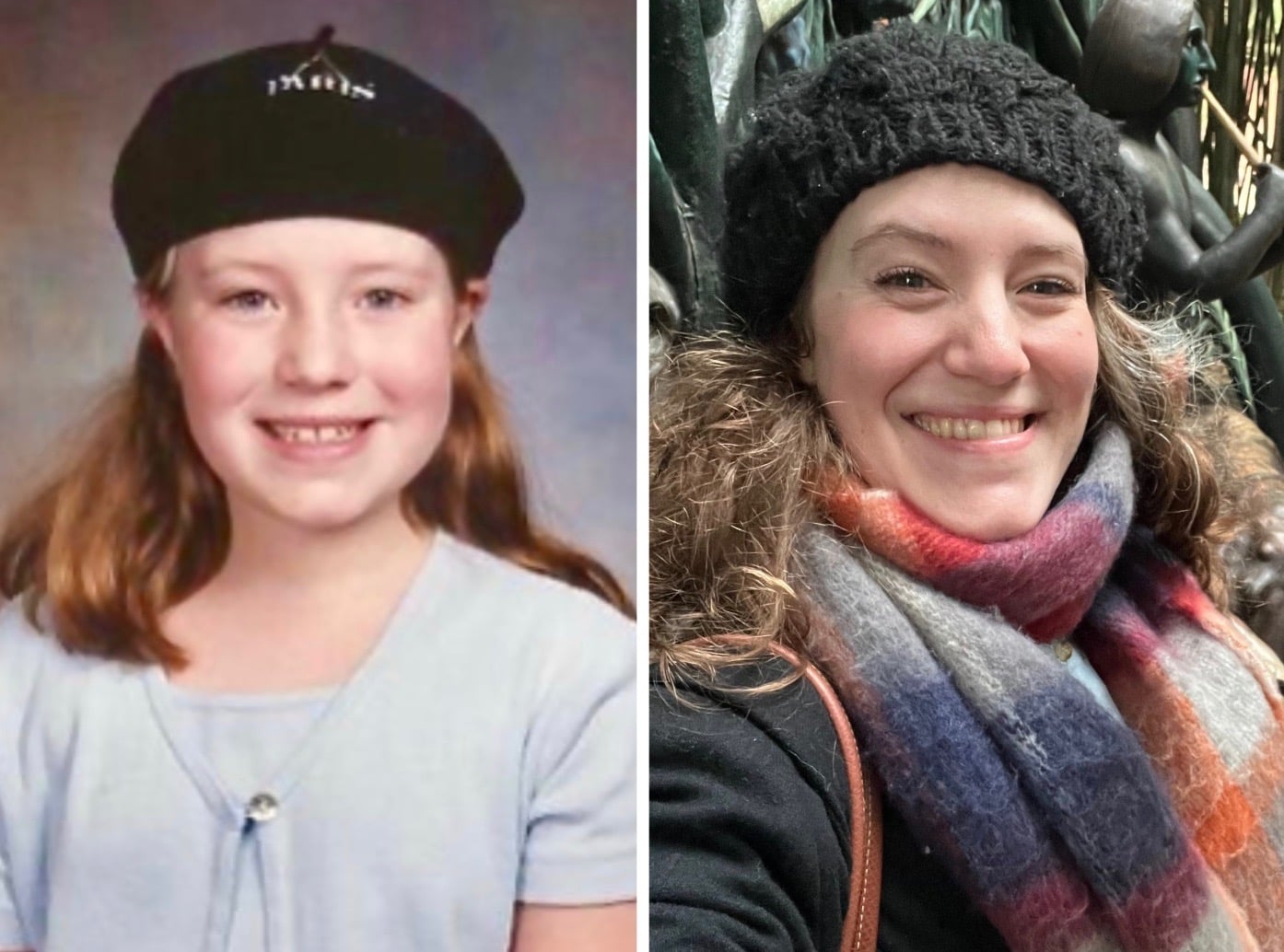
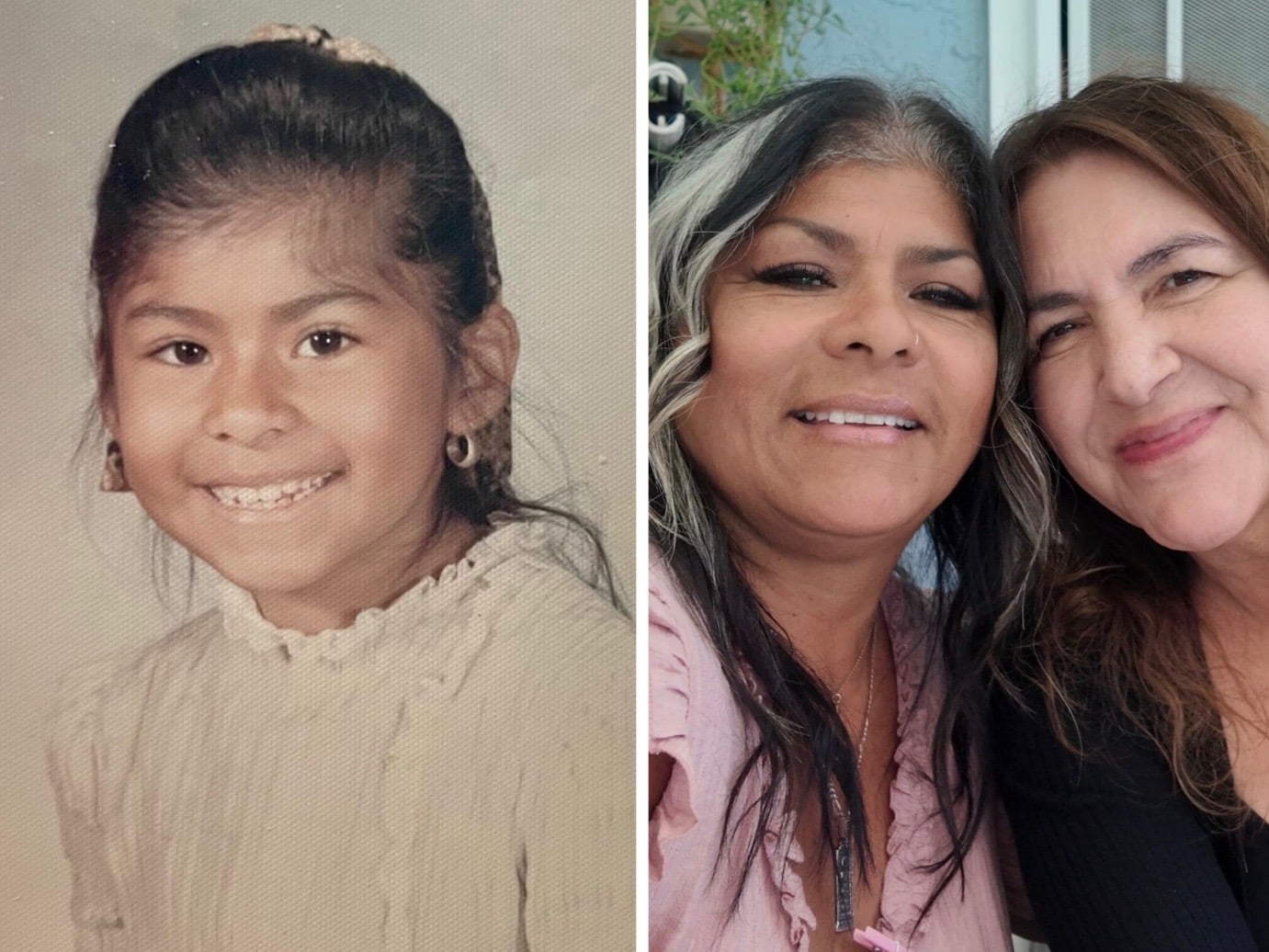
Similarly, Katy from New Jersey recalled her third-grade photo, in which she wore a beret brought back from Paris by her uncle. The accessory, she noted, "immediately became my entire personality." Her narrative emphasizes the importance of parental support in these formative moments. Her mother’s refusal to turn the fashion choice into a conflict allowed Katy to explore her identity as a "budding theater kid with big feelings." This sentiment was echoed by Lisa from California, whose second-grade photo captured the moment she was first allowed to wear dangling Mexican hoop earrings, sparking a lifelong affinity for the style.
The Practicality of Parenting and Economic Realities
The retrospective also sheds light on the pragmatic, and often humorous, decisions made by parents that are immortalized in school records. Maddie, another New York-based reader, submitted a kindergarten photo featuring a school uniform that was visibly several sizes too large. The choice was a calculated one by her mother, intended to ensure the garment would "last" through multiple school years. Maddie reported wearing the same uniform well into her elementary school years, a common experience for families navigating the costs of academic attire.
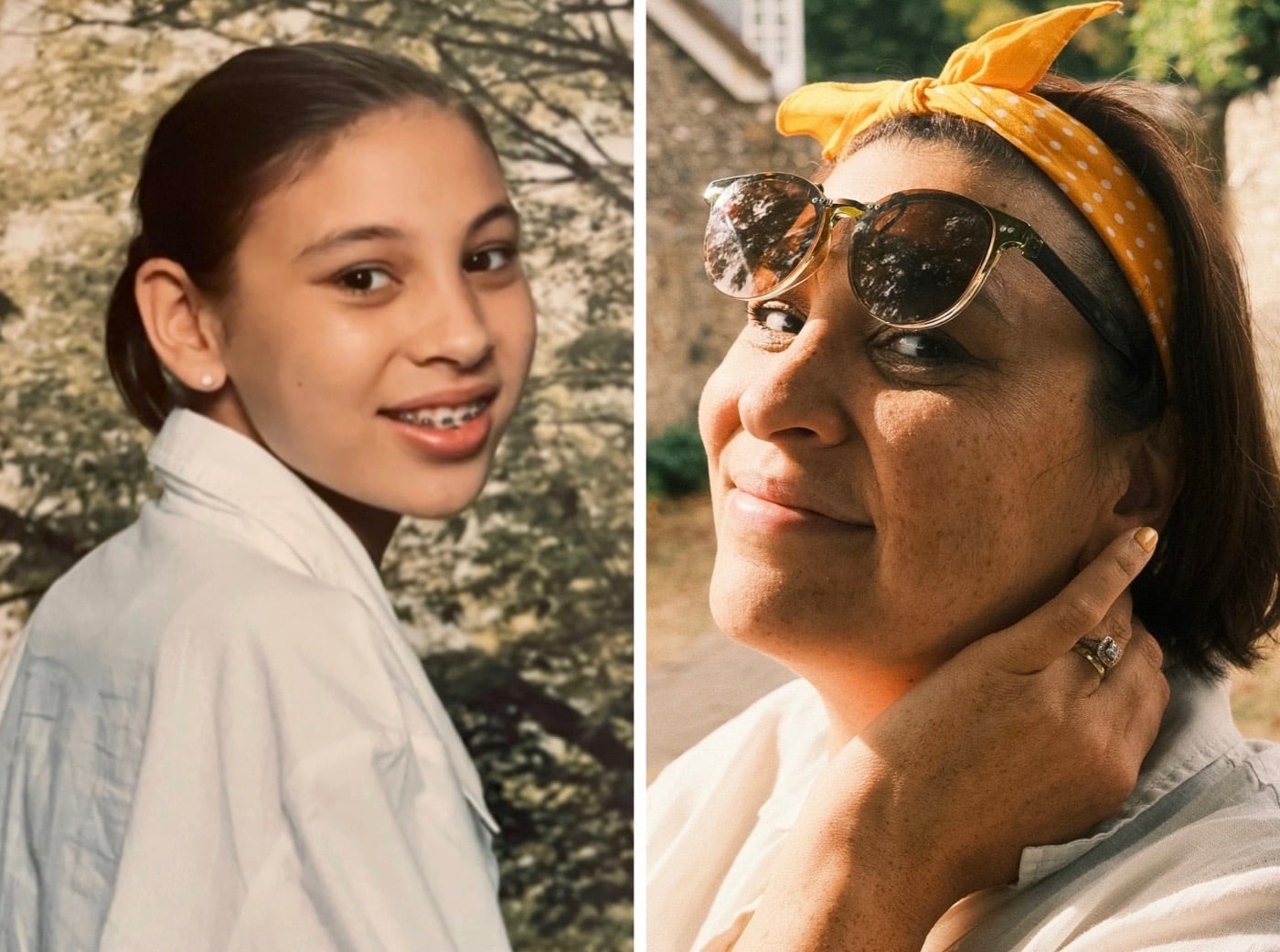
These stories highlight the "wear-it-until-you-grow-into-it" philosophy that defined many childhoods, serving as a reminder of the economic considerations that often dictate the aesthetic of childhood memories.
Adolescence and the Aesthetics of the "Awkward Phase"
The transition from childhood to adolescence is perhaps most vividly documented in the middle school years. This period is frequently characterized by rapid physical changes and experimental grooming habits, as seen in the submissions from Erin and Tammy.
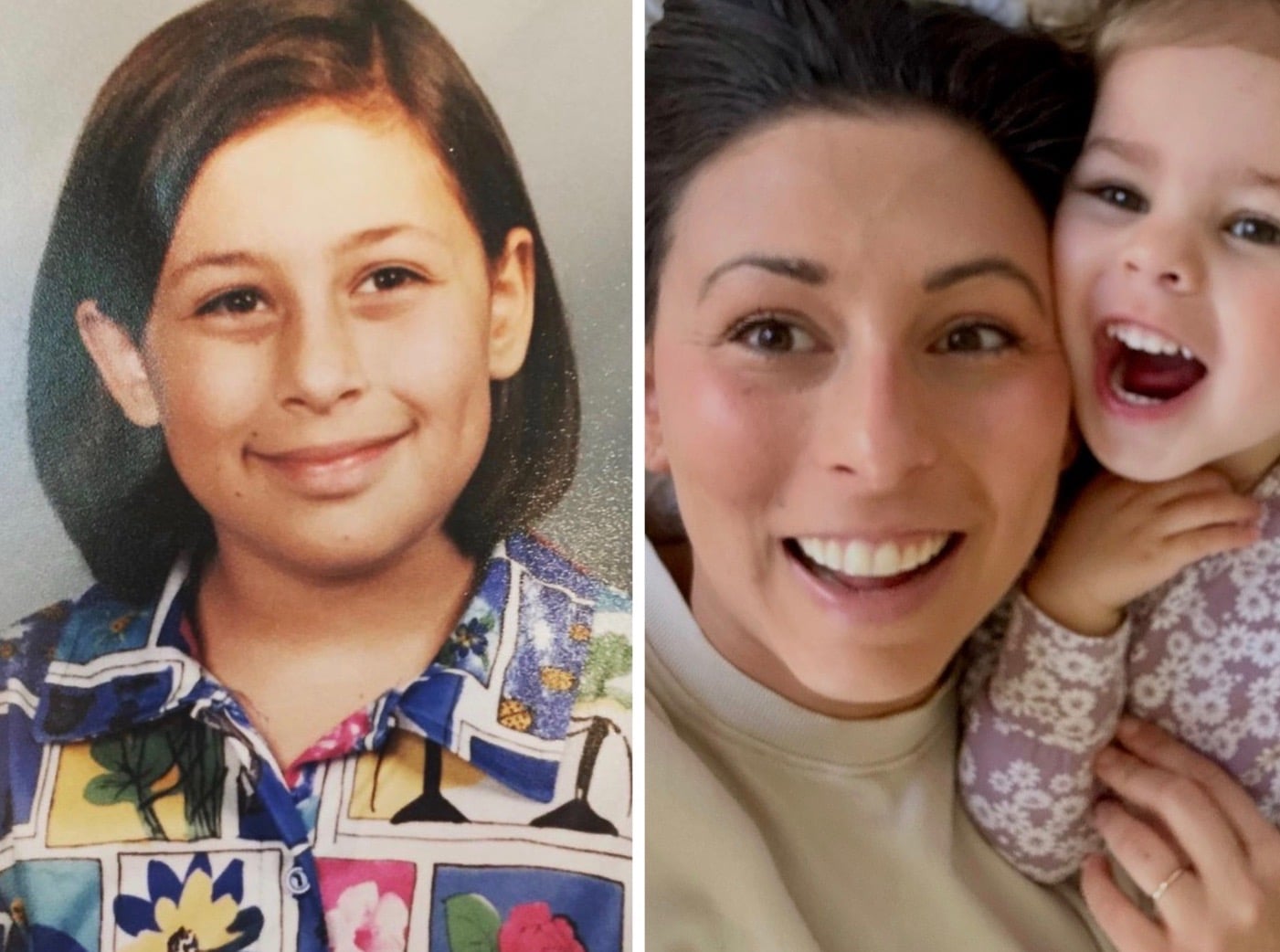
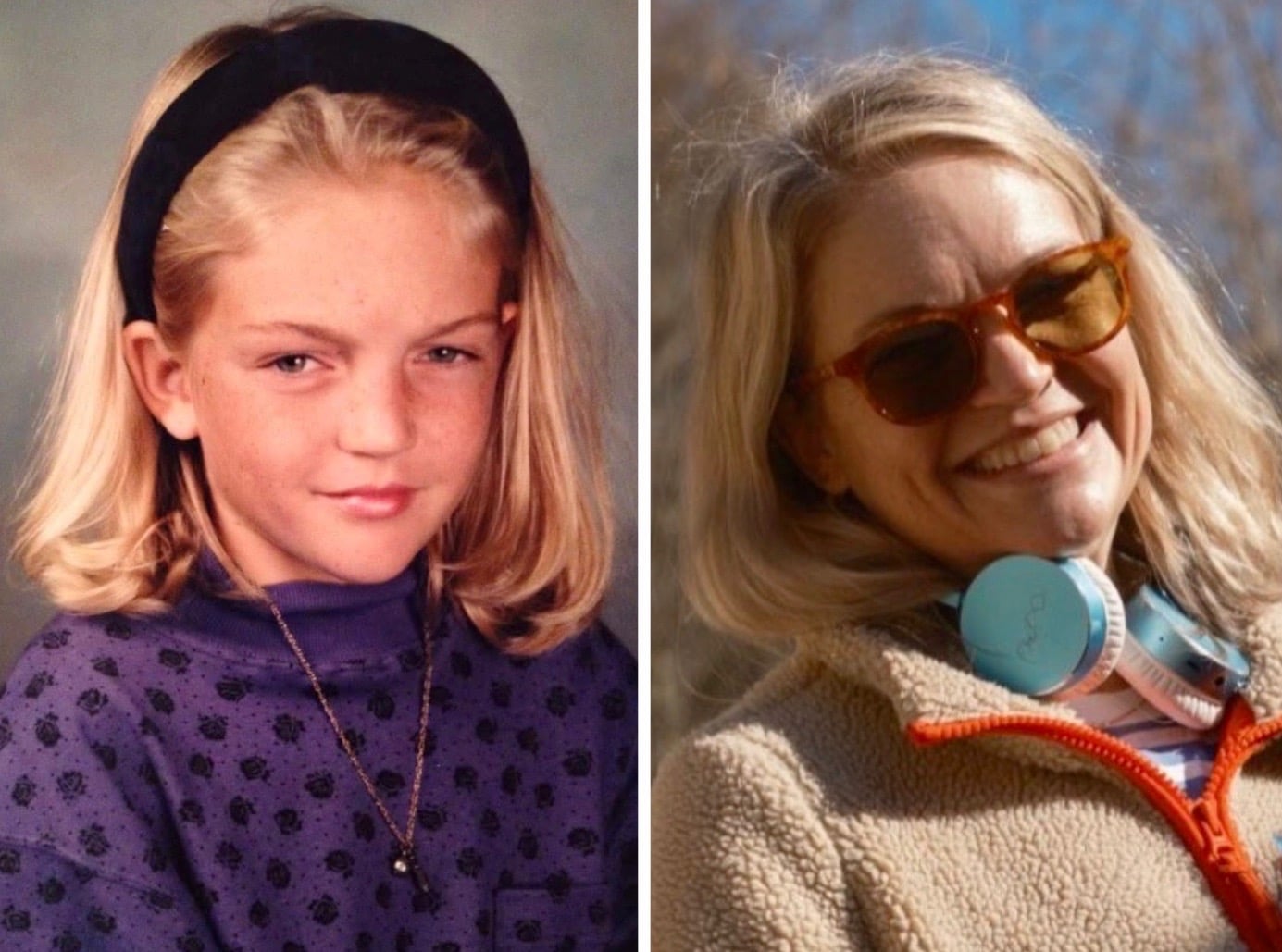
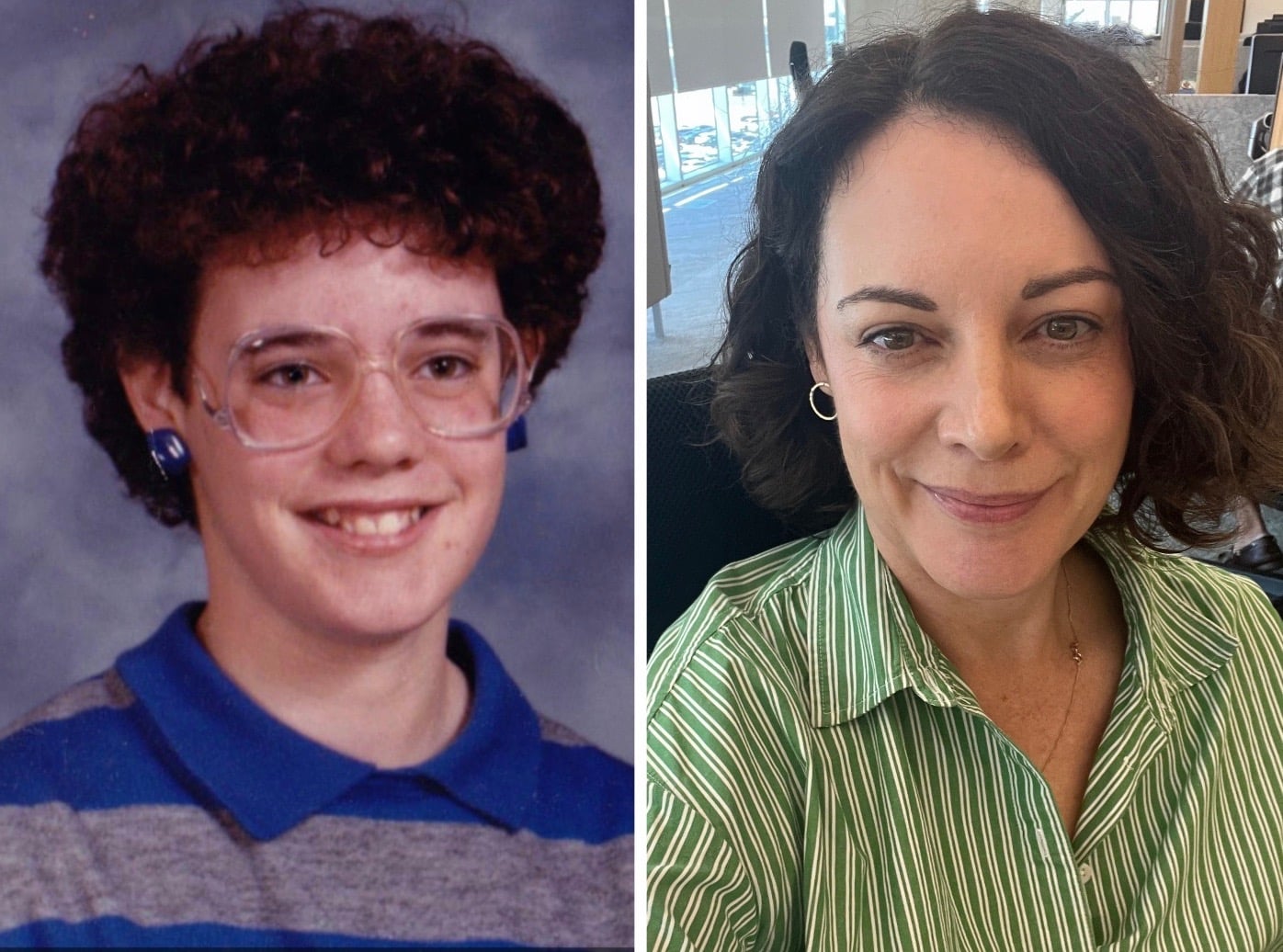
Erin, from North Carolina, reflected on her seventh-grade photo as a "pre-puberty" milestone. She noted the presence of her original eyebrows, which she would later over-pluck in the eighth grade—a beauty trend ubiquitous in the late 1990s and early 2000s. Tammy, from Ontario, shared a 1987 portrait featuring a "home perm" intended to manage her naturally curly hair. Despite the "cringey" nature of the aesthetic, Tammy noted that the photo still captures her core personality: "the optimistic dreamer who’s always quick to smile."
The psychological impact of these images is significant. Research suggests that viewing old photographs of oneself during awkward developmental stages can foster self-compassion and a sense of continuity. By looking back at their younger selves with a mix of humor and affection, adults can reconcile their past identities with their current personas.
The School Photo as a Pedagogical Tool
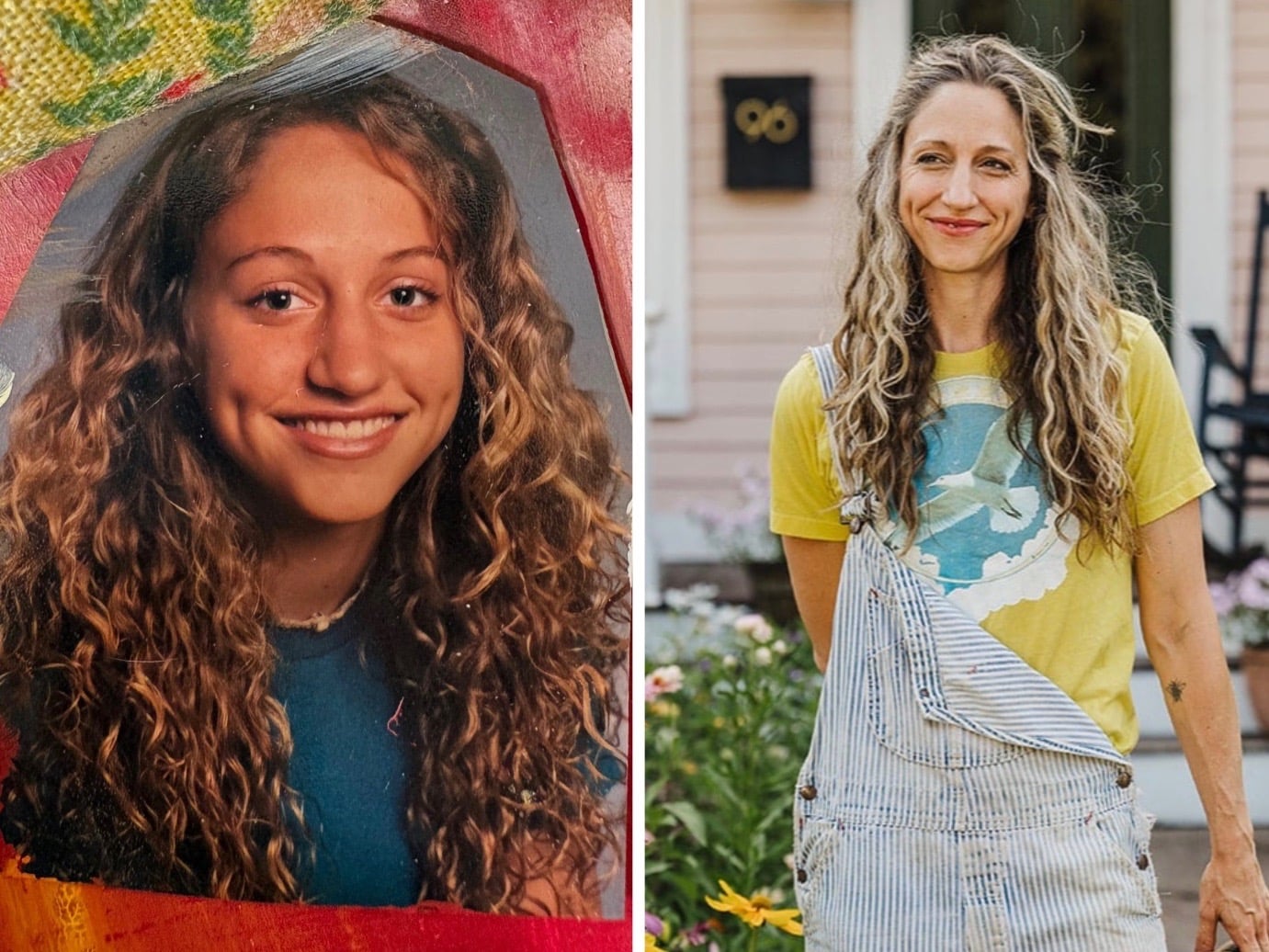
The utility of the school portrait extends beyond the family photo album and into the classroom. Martha, a middle school teacher in Washington, shared her first-grade photo, which she affectionately compares to the literary character "Ramona the Pest."
In a professional context, Martha uses her own "awkward" school photos as a bridge to connect with her students. By demonstrating that authority figures also navigated the complexities of growing up, educators can humanize themselves and create a more empathetic classroom environment. This practice aligns with modern pedagogical theories that emphasize the importance of vulnerability and authenticity in student-teacher relationships.
Trends in High School Portraits and Seniority
As students reach the end of their secondary education, school photos often shift from standard portraits to more stylized "senior pictures." These images are frequently intended to project a more mature, adult-like image, though the results can vary.
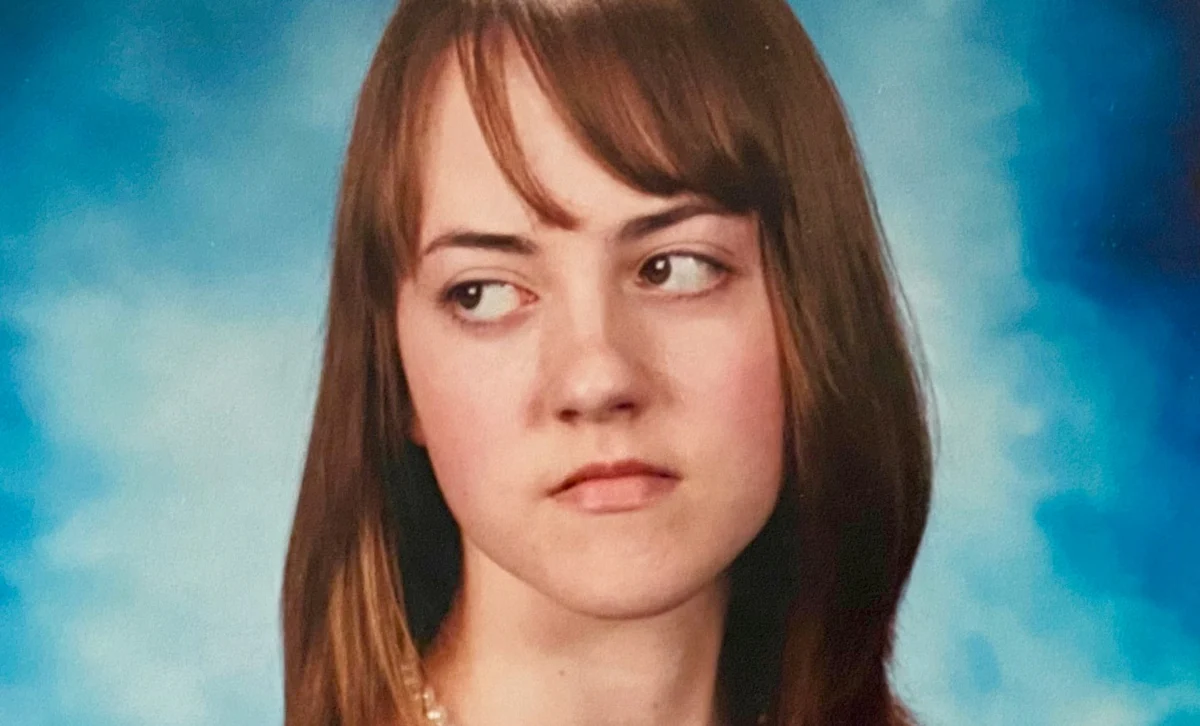
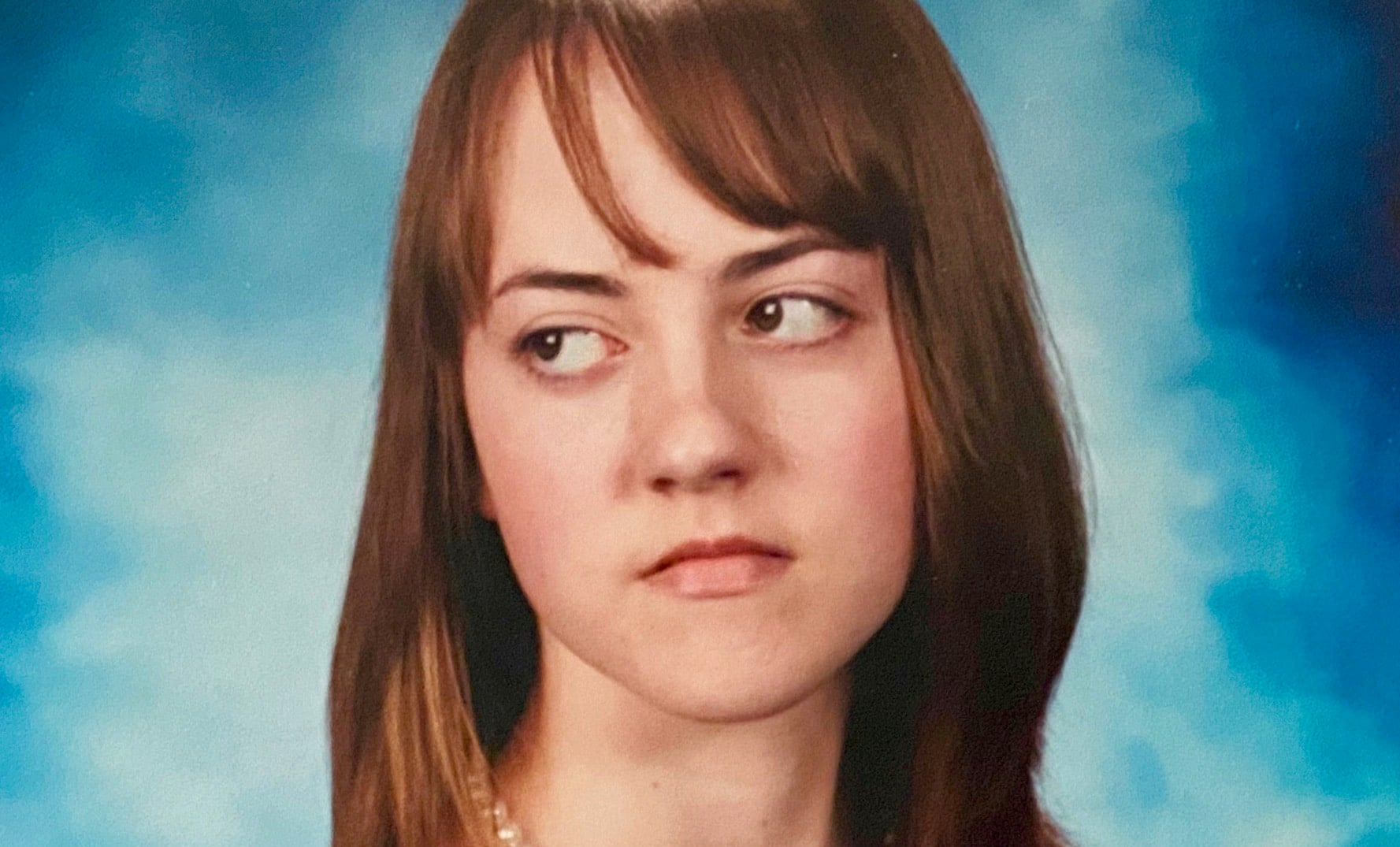
Sharon from Connecticut shared an 11th-grade photo from a year she described as her "peak," involving roles as class vice president, springboard diver, and art club member. Leah Wise from Texas contributed a senior photo that captured what she described as a "bombastic side-eye." While the photographer had instructed her to provide a "gentle gaze," her natural expression took over, resulting in an image that became a point of humor among her social media followers years later.
Broader Implications and the Future of the Tradition
The Cup of Jo collection serves as a testament to the enduring power of the physical photograph in an increasingly digital world. While modern students often have thousands of candid photos stored on smartphones, the formal school portrait remains a unique, structured record of their progression through the educational system.
Industry analysts note that while digital delivery of school photos has become the norm, the demand for physical prints remains high among parents and grandparents. The tradition persists because it provides a standardized metric of growth that candid photography cannot replicate.
Furthermore, the act of sharing these photos in a public forum like Cup of Jo fosters a sense of communal experience. The "universal awkwardness" of school photos acts as a social equalizer, reminding individuals of their shared humanity across different geographic and socioeconomic backgrounds.
Chronology of School Portrait Styles and Trends
To understand the context of the reader submissions, it is helpful to look at the timeline of school photography aesthetics:
- 1950s-1960s: Formal poses with neutral, often grey or brown, solid backgrounds. Focus was on clarity and traditional attire.
- 1970s: Introduction of more colorful backgrounds and softer lighting. High prevalence of "earth tones" and textured fabrics.
- 1980s: The era of the "glamour" influence. Soft focus filters and the rise of the home perm and voluminous hair, as seen in Tammy’s 1987 submission.
- 1990s: The introduction of digital backgrounds, most notably the "laser" and "nebula" patterns. Fashion was heavily influenced by brands like Limited Too, mentioned by Sari.
- 2000s-Present: A return to more naturalistic lighting and backgrounds, alongside the rise of highly stylized senior portraits. The "side-eye" or "smize" (smiling with the eyes) became popular expressions in the mid-2000s.
Conclusion
The retrospective curated by Cup of Jo highlights the multifaceted role of the school portrait in American and Canadian culture. Whether they represent a mother’s practical choice in clothing, a child’s first foray into self-styling, or the inevitable awkwardness of puberty, these images remain vital artifacts of personal history. As these eleven readers demonstrated, the value of a school photo often lies not in its perfection, but in its ability to tell a true story about who the subject was at that specific moment in time. The enduring popularity of such retrospectives suggests that despite the fleeting nature of digital media, the structured, annual tradition of the school portrait will likely continue for generations to come.
