

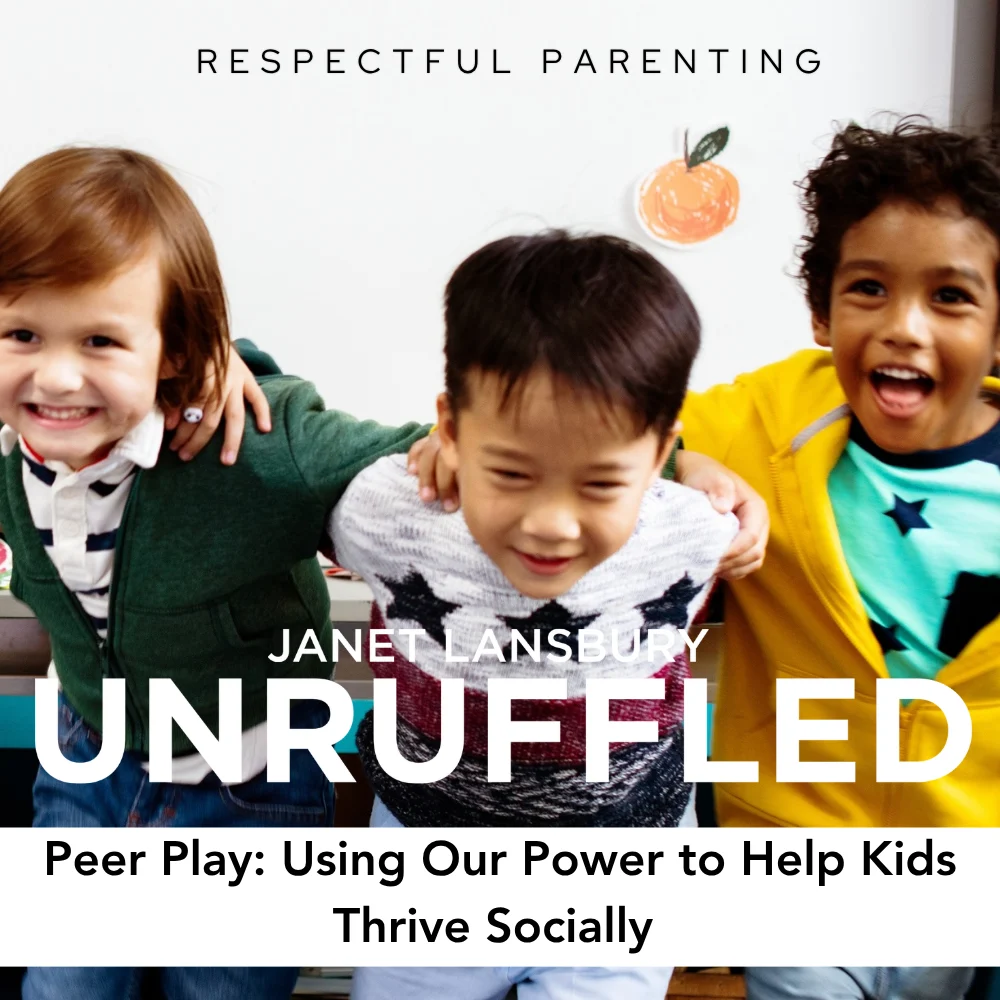
A recent discussion hosted by parenting expert Janet Lansbury, titled "Peer Play. Using Our Power to Help Kids Thrive Socially," has shed light on common challenges faced by parents navigating their young children’s social development. Lansbury addressed three distinct scenarios submitted by parents, revealing a unifying theme: the significant, often underestimated, role parents play in fostering their children’s social competence through their own interactions, boundary setting, and the crucial act of trusting their child’s developmental process. The insights, presented on June 16, 2026, offer a framework for parents seeking to cultivate confidence, resilience, and healthy social skills in their children, particularly in the nuanced world of early childhood play.
Understanding the Parent’s Influence on Social Skills
Lansbury emphasized that while parental modeling of kindness, generosity, and graciousness provides a foundational understanding of social interaction, the development of complex social skills is not a direct instructional process. Instead, it is an experiential one, deeply influenced by how parents assert boundaries and, perhaps most critically, by their willingness to trust their child’s unique developmental trajectory. This trust, she argues, empowers children to navigate social situations independently, fostering self-reliance and resilience.
The core of Lansbury’s message centers on the profound influence parents wield, not as a source of blame, but as a lever for positive change. She acknowledged that many parents are forging new paths in respectful and authoritative parenting, often in contrast to their own childhood experiences, and encouraged self-compassion while remaining open to understanding how subtle adjustments in their approach can significantly benefit their children’s social growth.
Case Study 1: The Director’s Dilemma in Pretend Play
One of the scenarios detailed a common but perplexing situation: a four-year-old who, deeply immersed in imaginative play, rigidly directs her friends, becoming distressed when they deviate from her script. The parent described how the child insists on specific dialogue and actions, halting play if even a single instruction is not followed precisely. This rigidity, initially manageable with family, has begun to strain her friendships, leading to tears and frustration for all involved.
"This has spilled over to most of her interactions with friends," the parent shared. "She gets so angry or sad when friends don’t say exactly what she’s asking them to. Sometimes she can move on and play their games, but very often this ends in tears. I can tell the friends are annoyed or want to play but just don’t understand her very specific directions." The parent’s attempt to let the situation resolve naturally over a year had yielded no improvement, prompting a plea for guidance.
Lansbury’s analysis highlighted the parent’s crucial role in establishing boundaries, even when it feels counterintuitive to encouraging imaginative play. She suggested that the child’s exacting demands might not be a direct request for more elaborate play, but rather an unconscious seeking of parental boundaries. The parent’s discomfort and inability to "please" the child during play are significant indicators that a firmer, more realistic boundary is needed.
"A lot of times children will just go further and further and further into the ridiculousness of a demand on us, and that’s sort of where this has gone here," Lansbury explained. She posited that children often use such scenarios to express underlying feelings, such as sibling rivalry or the general challenges of individuation at age four, a period characterized by testing boundaries. By allowing the child to experience parental rejection of overly rigid play, parents provide a vital lesson in social interaction: that others have their own desires and that not every demand will be met. This, Lansbury contended, is far more beneficial than trying to explain why the play isn’t fun, as the child likely already senses this.
The implication for social development is significant. When parents model healthy boundaries and self-care, they teach their children that their needs are valid and that relationships involve mutual respect, not unilateral control. This can prevent children from seeking these boundaries elsewhere, potentially through less constructive means with peers, thereby improving their ability to form and maintain friendships.
Case Study 2: Navigating Exclusion and "Bullying" on the Playground
A second parent sought advice on how respectful parenting addresses situations that feel akin to bullying, where her 4.5-year-old daughter is frequently excluded by a group of slightly older girls on the playground. The exclusion manifests as being designated a "monster" and being run from, or simply being left out of their games. While the daughter has positive one-on-one interactions with these girls, the group dynamic proves challenging, and other parents are also noticing and attempting interventions.
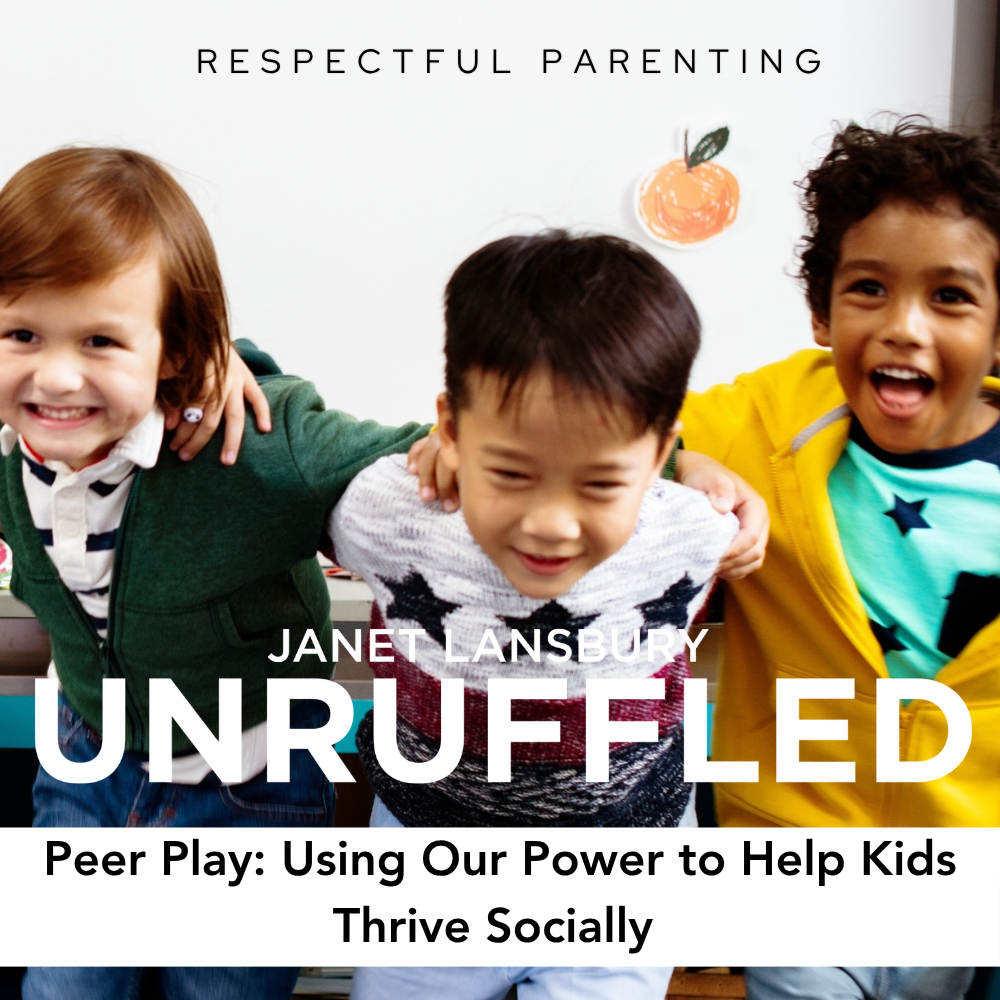
"The other parents are noticing this dynamic as well, and are beginning to intervene," the parent noted. "Yesterday, the dad of one of the other girls told her that she has to play with my daughter too or they’re going home. This worked for a while! She took my daughter by the hand, explained this rule to the other girls, and my daughter had a great time being included." The parent questioned whether this intervention aligned with respectful parenting principles and if seeking alternative play environments would be a more appropriate strategy.
Lansbury addressed the sensitive term "bullying," suggesting that for children of this age, such instances of exclusion are more accurately viewed as a natural, albeit difficult, part of social navigation rather than malicious bullying. She pointed to the age difference, noting that a year’s gap in preschool can represent a significant divergence in social-emotional development, making it natural for older children to engage in play that excludes younger peers.
"This word gets thrown around a lot these days, ‘bullying,’ and I don’t think it applies to children this age at all," Lansbury stated. She advised against framing the child as a victim, advocating instead for a perspective that acknowledges the situation as a challenging, but potentially valuable, learning experience.
The parent’s current approach of allowing her daughter to vent and offering alternatives was praised, but Lansbury suggested a further step: trusting the child to navigate these social dynamics with parental support for her feelings, rather than intervention to "fix" the situation. She critiqued the well-intentioned, but ultimately unhelpful, intervention of an adult forcing inclusion. While the immediate outcome was positive, it bypassed the child’s opportunity to learn how to cope with rejection and to discover her own strategies for engaging with peers.
Lansbury underscored the importance of allowing children to experience "normal rejections" from parents as a safe precursor to similar experiences with peers. This allows them to process feelings of anger, sadness, or frustration in a controlled environment, building emotional regulation skills. The implication here is that by allowing children to face and process these social hurdles, parents equip them with the resilience needed to build genuine connections, rather than relying on adult intervention to engineer them.
Case Study 3: Supporting a Reserved Three-Year-Old
The third scenario, a brief question posed on Instagram, concerned helping a reserved three-year-old become more comfortable around other people. Lansbury’s response was consistent with her broader philosophy, emphasizing trust and non-intervention.
She advised against pushing, coaxing, or trying to "manage" the child’s comfort level, framing such actions as attempts to fix a perceived problem or weakness. Instead, Lansbury advocated for respecting the child’s pace and trusting that they will find their own way to social ease. This involves allowing the child to stay close to the parent in social settings or to follow the parent’s lead, while maintaining the parent’s own boundaries.
"I’ll be here. I’ll be comfortable. I’ll have a boundary. I’ll take care of myself, and I trust you to do what you’re ready to do," Lansbury articulated as the parental stance. The underlying principle is that a child’s sense of security and confidence is bolstered by the parent’s unwavering trust in their ability to develop at their own pace, without pressure or artificial facilitation.
Broader Implications and the Power of Trust
Across all three scenarios, Lansbury reiterated the profound impact of parental actions on children’s social development. The ability to set reasonable boundaries, to trust the child’s process, and to model healthy self-care are not merely supportive actions; they are fundamental to a child’s capacity to thrive socially.
The expert’s insights suggest a paradigm shift for parents, moving from a mindset of direct intervention and problem-solving to one of confident observation and support. By understanding their own power and influence, parents can create environments where children are better equipped to handle the inevitable complexities of peer interactions, build robust social skills, and develop a secure sense of self. This approach, while challenging at times, ultimately empowers children to navigate the social landscape with greater confidence and resilience. The overarching message is one of empowerment for parents, assuring them that they possess the tools to significantly impact their child’s social well-being, often through the simplest yet most profound acts of trust and boundary setting.
