

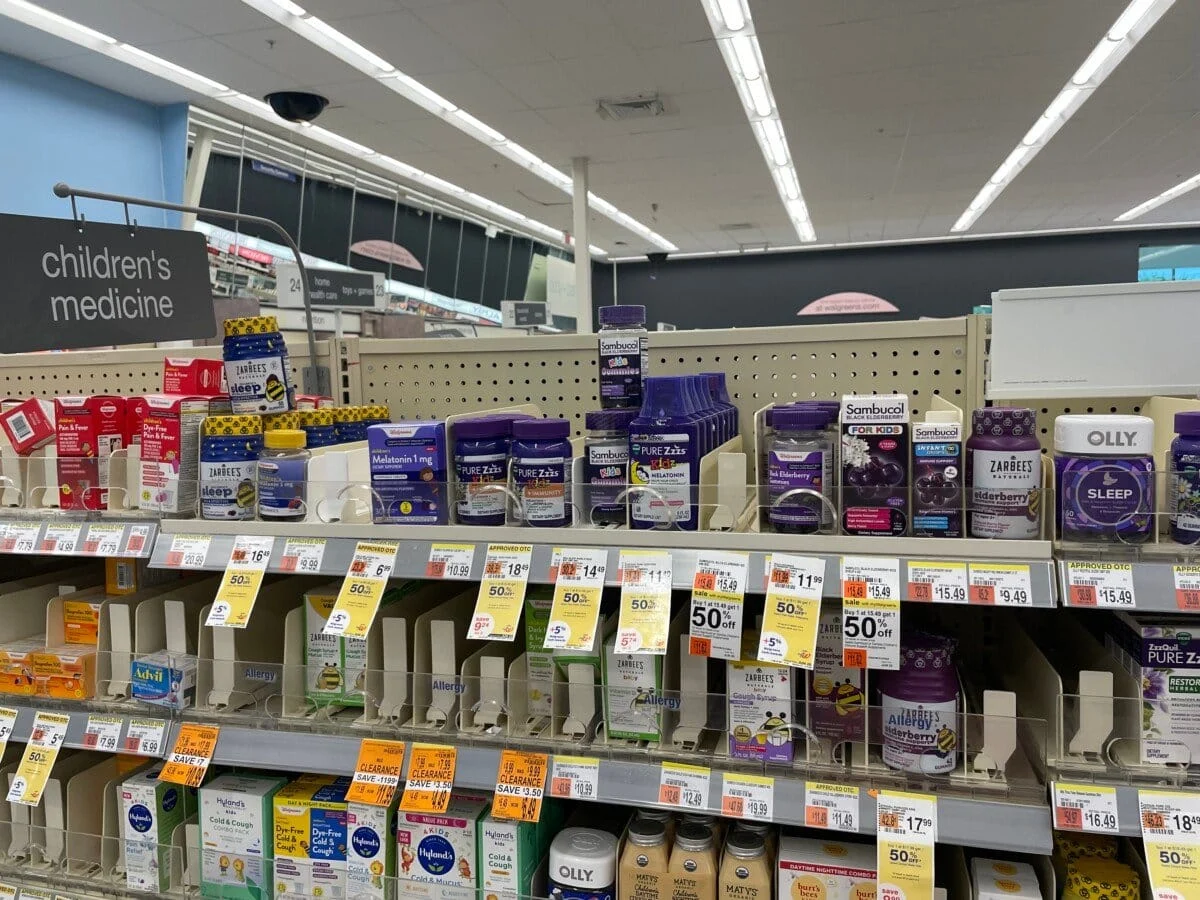
A dramatic surge of 530% in melatonin overdoses among children over the past decade, with a particularly steep acceleration since the onset of the COVID-19 pandemic, has raised significant concerns among medical professionals and public health officials. This alarming trend has positioned melatonin as one of the leading causes of emergency room visits for accidental ingestions in children under the age of five. The proliferation of melatonin gummies, often resembling candy, is a primary driver of these incidents, highlighting critical issues surrounding the regulation, accessibility, and parental understanding of this widely used sleep supplement.
Escalating Emergency Room Visits and the Gummy Phenomenon
Recent data underscores the gravity of the situation. A comprehensive study analyzing emergency room visits revealed that a concerning 7% of all ingestions requiring medical attention in children under five were attributed to melatonin. Alarmingly, nearly half of these melatonin-related emergency visits involved the consumption of melatonin gummies. This statistic points to a significant safety hazard, as the palatable nature and appearance of these formulations make them particularly appealing and accessible to young children, who may ingest them without supervision or awareness of their medicinal properties.
Further analysis from a systematic review conducted by Kracht et al. in 2026 confirms that the increase in melatonin usage among children is a global phenomenon. The review also highlights a critical deficit in efficacy data for children under six years old, with only a limited number of trials investigating melatonin’s use in this age group. This lack of robust evidence suggests that young children are more likely to experience adverse effects from overdoses than to derive any scientifically proven benefit.

A Decade of Rising Ingestions: Tracing the Trend
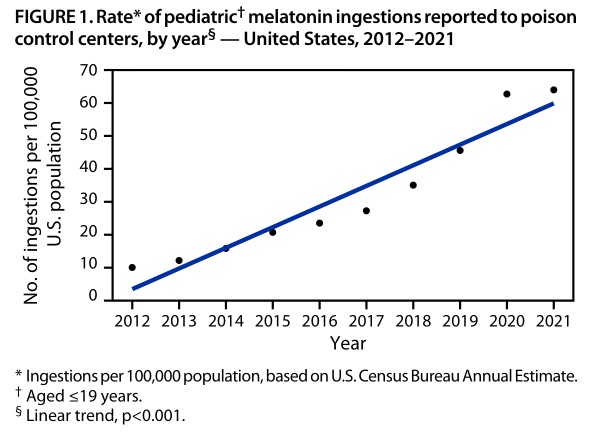
The initial warning signs of this escalating crisis emerged from a study by Lelak, published in 2022, titled Pediatric Melatonin Ingestions—United States, 2012-2021. This pivotal research examined poison control center data over a ten-year period, revealing a stark upward trajectory in melatonin ingestions. The study documented a total of 260,435 reported ingestions during this decade, accounting for 2.25% of all ingestions reported to poison control centers. The proportion of ingestions attributed to melatonin significantly increased from 0.6% in 2012 to 4.9% in 2021, indicating a nearly five-fold increase in its relative contribution to poisoning incidents.
The frequency of melatonin ingestions has not only increased substantially but has also shown a marked acceleration since 2020, coinciding with the COVID-19 pandemic. This surge is believed to be linked to increased parental stress, altered sleep patterns, and a greater reliance on over-the-counter remedies for sleep disturbances during the pandemic.
Identifying Vulnerable Populations
The Lelak study identified key risk factors associated with melatonin ingestions, including male gender and children younger than five years of age. The vast majority of these ingestions were managed at home, indicating that parents often handle these incidents without immediate professional medical intervention. However, the follow-up study published in 2024, which analyzed emergency room visits, reinforced the disproportionate impact on very young children, with 7% of all ER visits for accidental ingestions in children under five being melatonin-related.
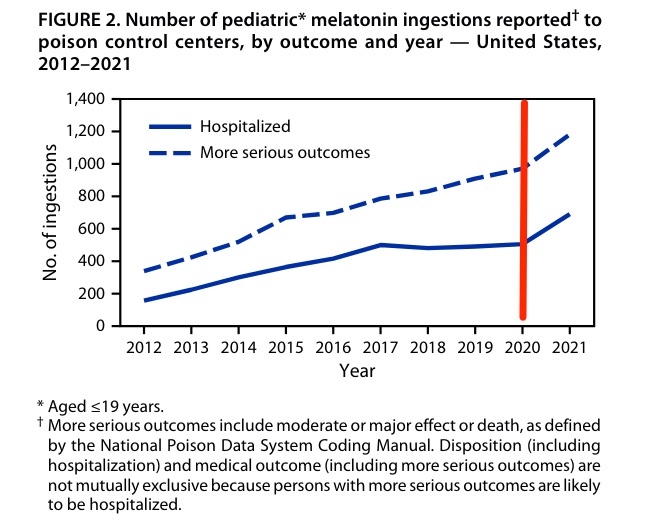
While most ingestions are managed at home, a portion still requires medical attention. Approximately 10.7% of reported ingestions in the Lelak study were managed at healthcare facilities. Of this group, 14.7% required hospitalization, and 1% necessitated an intensive care unit (ICU) stay. These figures, while seemingly small in percentage, represent a significant number of serious medical events. It is crucial to note that a substantial portion of hospitalizations involved teenagers with intentional ingestions, which are often prompted by underlying mental health concerns rather than accidental overdose. However, the most significant increase in hospitalizations was observed in children under the age of five, underscoring their vulnerability to accidental ingestion.
Tragically, the data also includes reports of severe outcomes. Two deaths were reported during the study period: one in a 13-month-old and another in a 2-month-old. Both incidents occurred at home, with one ingestion attributed to intentional misuse and the cause for the other remaining unknown. These fatalities, while rare, serve as a stark reminder of the potential dangers associated with unregulated or improperly administered melatonin.
The Regulatory Landscape and Quality Concerns in the US
A significant factor contributing to the rise in melatonin-related incidents is the disparate regulatory environment surrounding melatonin products across different countries. In the United States, melatonin is classified as a dietary supplement, which means it is not subject to the same stringent pre-market approval processes as prescription medications. This regulatory framework, often described as "safe until proven unsafe," places the onus on manufacturers to ensure product safety and allows for products to be available on the market without FDA review of their efficacy or safety data.
This lax regulation has led to significant quality control issues in the U.S. market. A widely cited study revealed that the actual amount of melatonin in supplements can vary dramatically, ranging from 83% less to 478% more than the labeled dose. This wide variability means that a child receiving a supposed 3 mg dose could actually be consuming anywhere from 0.5 mg to 14 mg. Furthermore, lot-to-lot variability can be as high as 465%, meaning different batches of the same product from the same manufacturer can have vastly different melatonin concentrations. Compounding these issues, researchers have detected serotonin, a neurotransmitter with its own set of pharmacological effects, in 71% of tested samples. This lack of standardization and the presence of undeclared ingredients pose a substantial risk to consumers, particularly children.
In stark contrast, other developed nations have implemented more rigorous controls. In the United Kingdom, melatonin is a prescription-only medication. Canada classifies it as a non-prescription health product, but requires a Natural Product Number, indicating a level of oversight. Australia has recently down-scheduled melatonin for adults over 55 for specific insomnia cases, but it remains prescription-only for children, with limited indications for insomnia in children with autism or Smith-Magenis syndrome. The European Union has specific guidelines, with immediate-release formulations under 2 mg having variable status depending on the country, while sustained-release versions are prescription-only. These international comparisons highlight the unique regulatory challenges faced in the U.S., where the over-the-counter availability and poor quality control of melatonin contribute significantly to overdose risks.
Parental Awareness and the Challenge of Accurate Dosing
Compounding the regulatory issues is a widespread lack of parental awareness regarding the appropriate dosage and potential interactions of melatonin. Many parents seeking help in sleep clinics are unsure of the exact amount of melatonin their child is consuming, often relying on vague measurements like "one milliliter" or "two pills." This uncertainty makes it difficult for healthcare providers to accurately assess the situation and provide appropriate guidance.
Melatonin can also interact with a variety of medications. It is metabolized by the liver enzyme CYP1A2, and substances that inhibit or induce this enzyme can significantly alter the active levels of melatonin in the body. Inhibitors, such as tricyclic antidepressants, fluvoxamine, and even caffeine, can increase melatonin levels, potentially leading to increased side effects. Inducers, like carbamazepine and omeprazole, can decrease melatonin levels, rendering it less effective.
Furthermore, melatonin can interact with other drug classes. It may increase bleeding risk when taken with anticoagulants or anti-platelet drugs, potentially reduce the effectiveness of anticonvulsants, and interfere with antihypertensive and diabetic medications. It can also interact with immunosuppressants and sedating medications, potentially increasing morning drowsiness. The lack of widespread understanding of these interactions among parents further exacerbates the risks associated with unsupervised melatonin use in children.
Understanding the Side Effects of Overdose
The side effects of taking too much melatonin can range from mild to severe. These can include excessive sleepiness, delirium, nausea, vomiting, difficulty staying asleep throughout the night, dizziness, irritability, and even enuresis (bedwetting). In cases of significant overdose or ingestion by very young children, medical intervention is crucial.

Seeking Professional Guidance and Emergency Support
For parents concerned that their child may have taken too much melatonin, immediate action is recommended. The national Poison Help Hotline at 1-800-222-1222 provides direct access to medical professionals who can offer guidance and support.
Towards Safer Use and Regulation
Addressing the escalating crisis of pediatric melatonin overdoses requires a multi-faceted approach. Key recommendations from organizations like the International Pediatric Sleep Association (IPSA) emphasize the importance of:
- Consulting Healthcare Professionals: Parents should always discuss the use of melatonin with a pediatrician or sleep specialist before administering it to their child.
- Understanding the Evidence: The efficacy and safety data for melatonin in children, particularly for long-term use, are limited. It should not be considered a first-line treatment for sleep issues.
- Prioritizing Sleep Hygiene: Establishing consistent bedtime routines, ensuring a conducive sleep environment, and addressing any underlying behavioral or environmental factors contributing to sleep problems are crucial first steps.
- Accurate Dosing and Storage: If melatonin is prescribed, parents must adhere strictly to the recommended dosage and ensure the product is stored securely out of reach of children.
- Regulatory Reform: There is a growing call for increased regulatory oversight of melatonin supplements in the United States to ensure product quality, accurate labeling, and safety.
The concerning rise in melatonin overdoses among children serves as a critical public health alert. While melatonin can be a useful tool for some individuals when used appropriately and under medical supervision, its widespread availability, appealing formulation, and inadequate regulation in the U.S. have created a dangerous environment for young children. A concerted effort involving healthcare providers, parents, and regulatory bodies is necessary to mitigate these risks and ensure the safety and well-being of children.
