

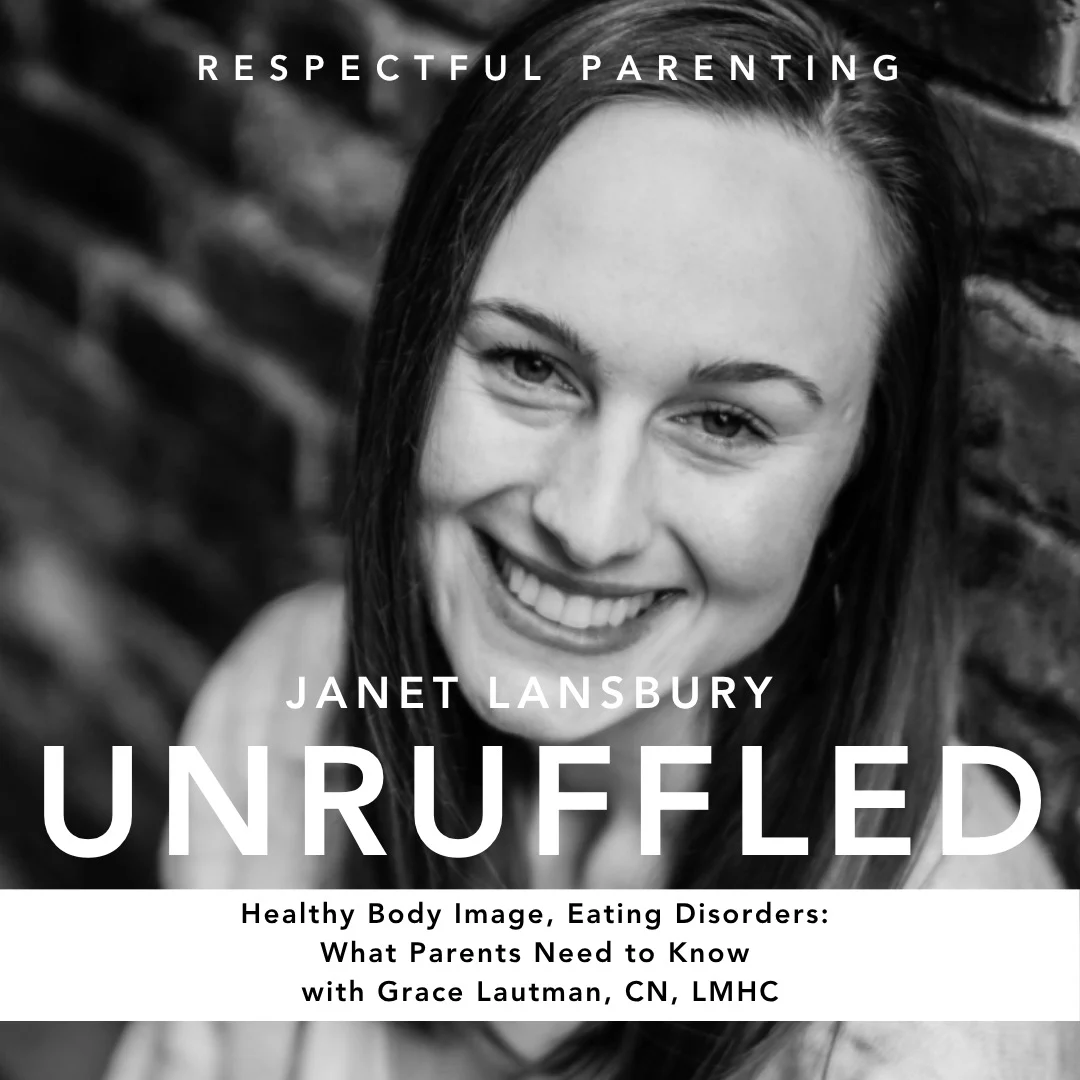
Janet Lansbury’s recent podcast episode, "Unruffled," featured an insightful discussion with Grace Lautman, a licensed mental health counselor and nutritionist specializing in eating disorders. The conversation delved into the critical importance of fostering healthy body image in children and understanding the complex nature of eating disorders, offering parents practical guidance and a compassionate perspective. Lautman emphasized that eating disorders are serious mental health conditions that can manifest through disordered eating patterns, underscoring the need for early intervention and prevention.
Understanding the Genesis of Eating Disorders
Lautman highlighted that eating disorders are not solely a result of parental influence but rather a complex interplay of genetic predisposition and environmental factors. Research, including twin studies, indicates a significant genetic component, suggesting a biological vulnerability that can be triggered by environmental stressors. "We know from the research that this is a brain difference, it’s a difference in your brain," Lautman stated, emphasizing that parents do not "cause" an eating disorder. This perspective aims to alleviate parental guilt and shift the focus toward understanding and support.
The conversation also touched upon the societal pressures that contribute to body dissatisfaction. In an era saturated with curated images and often unrealistic beauty standards, children are exposed to a constant barrage of messages that can negatively impact their self-perception from a young age. Lautman’s work centers on creating "accepting spaces for all individuals and bodies to explore and honor their relationships with food, body, and self." This approach is crucial in counteracting the pervasive diet culture that often stigmatizes larger bodies and promotes restrictive eating.
Early Warning Signs and Preventative Strategies
A significant portion of the discussion focused on identifying early signs of potential eating disorder tendencies and implementing preventative measures. Lautman noted that while overt symptoms might not be apparent in very young children, certain psychological traits or behaviors can serve as indicators. These might include anxiety, perfectionism, an intense need for control, or heightened sensitivity to perceived criticism.
Lautman stressed the importance of normalizing puberty and growth, including natural weight gain, as a healthy and essential part of childhood development. Parents’ fear-based reactions to their children’s growth can inadvertently create anxiety around food and body weight. The expert advised parents to focus on the parent-child relationship and remain present with their child’s experience, rather than reacting from a place of fear.
The Role of Parental Influence and Modeling
The conversation underscored the profound impact parents have on their children’s developing relationship with food and body image. Lautman explained that children often internalize their parents’ attitudes and anxieties surrounding food, weight, and appearance. Even well-intentioned parental comments aimed at protecting their children from potential struggles can sometimes backfire, leading to increased self-consciousness and body image concerns.
"I’ve heard a lot of teens say things in private to me like, ‘I never worried about my body until it was starting to be commented on,’" Lautman shared. This highlights how parental preoccupation with weight or dieting can inadvertently transmit anxieties to children. Lautman advocates for parents to critically examine their own relationship with food and body image, recognizing that their internal dialogue and behaviors are powerful messages for their children.
Fostering a Healthy Relationship with Food
Lautman introduced Ellyn Satter’s “Division of Responsibility in Feeding,” a framework that delineates parental and child roles. Parents are responsible for the what, when, and where of feeding, while the child is responsible for the how much and whether. This model empowers parents to establish a structured yet flexible feeding environment, free from coercion and shame.
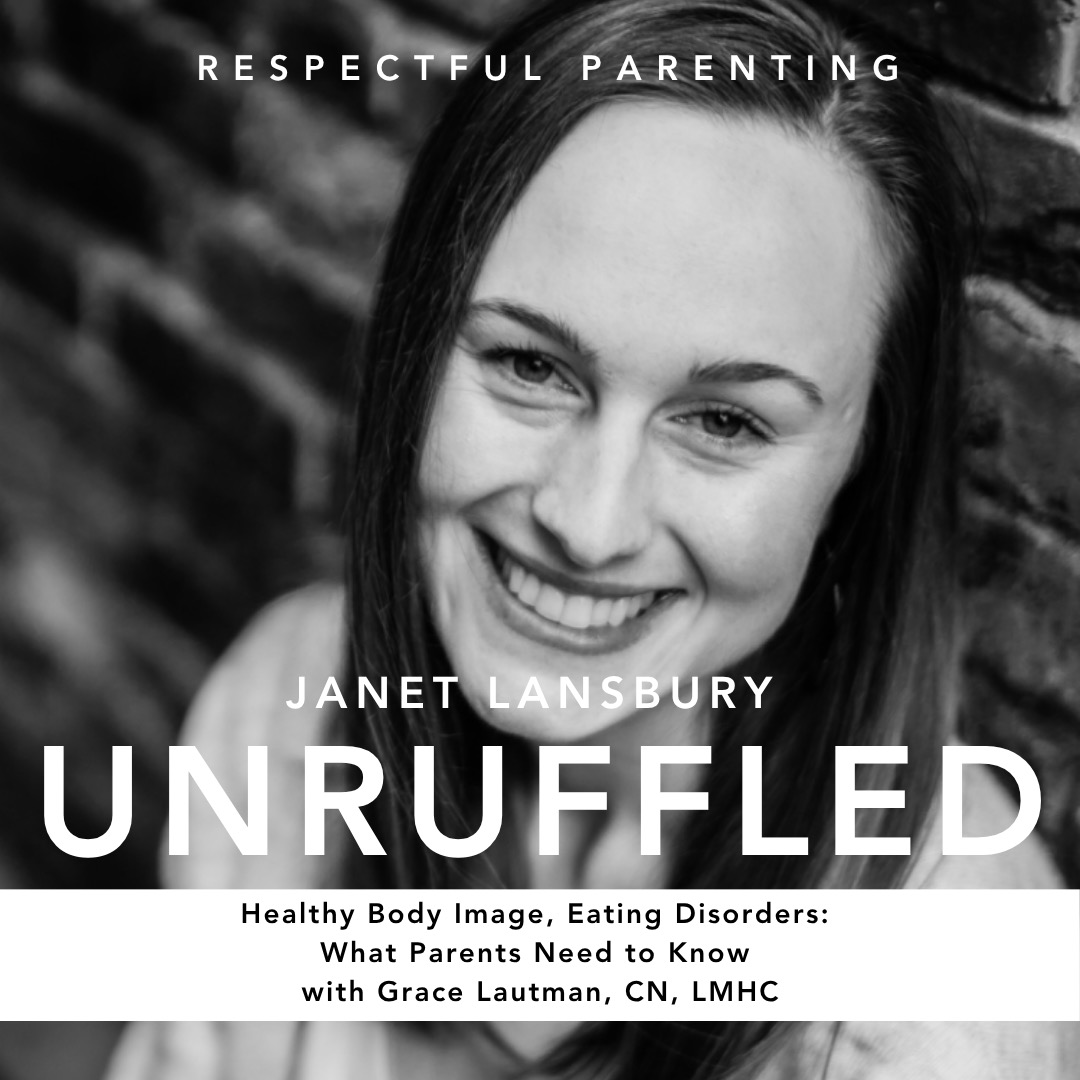
Key takeaways from this approach include:
- Providing balanced meals: Parents decide what nutritious foods are offered at regular mealtimes.
- Allowing child autonomy: Children are trusted to decide how much to eat from the offered foods and whether to eat at all.
- Avoiding moralizing food: Foods are not categorized as "good" or "bad," nor are they associated with reward or punishment. This prevents the development of guilt and shame around eating.
- Modeling healthy behavior: Parents’ own attitudes towards food and their bodies significantly influence their children.
Lautman’s personal anecdote about her daughter’s spontaneous chip consumption at breakfast served as a practical illustration of this philosophy. Instead of reacting with alarm, she engaged with her daughter’s choice in a lighthearted and non-judgmental manner, reinforcing the idea that occasional deviations from routine are normal and manageable.
Navigating Body Image and Self-Acceptance
The discussion also addressed the concept of body positivity and proposed body neutrality as a more accessible goal for many. Lautman explained that body neutrality focuses on accepting one’s body as it is, without necessarily demanding constant positive affirmations. This approach acknowledges that bodies change and that discomfort is a normal human experience, shifting the focus from appearance to overall well-being and functionality.
"What good body image is actually about—hopefully sometimes you can evaluate it positively. We want that for everybody, that’s nice. But with different body sizes and culturally different messages, that can be a really hard goal for some people, to feel like they can be positive," Lautman stated. This nuanced perspective validates the challenges many face in achieving idealized body positivity, offering a more sustainable path toward self-acceptance.
Addressing Underlying Issues and Seeking Professional Help
Lautman emphasized that eating disorders can be a way for individuals, particularly those with underlying anxiety, neurodivergence, or trauma, to cope with overwhelming emotions or gain a sense of control. She elaborated on how conditions like anorexia can be a manifestation of over-control, while binge eating might serve as a coping mechanism to numb emotions.
"An eating disorder is an attempt to solve some complicated problems, and a lot of times you can’t see it early on," she explained. This underscores the complexity of these conditions and the need for professional intervention.
When parents should seek professional help was a crucial point. Lautman advised that it "never hurts" to reach out if they have concerns. Clear indicators include significant drops in a child’s growth trajectory, marked shifts in eating habits and mood around food, and observable distress related to mealtimes or body image. Lautman also highlighted the availability of online resources and courses through her practice, Honor Nutrition Counseling, as valuable tools for parents seeking guidance.
The conversation concluded with a reaffirmation of the importance of trusting children’s innate wisdom regarding their bodies and needs. By creating a supportive and non-judgmental environment, parents can help their children develop a healthy, lifelong relationship with food and their bodies, fostering resilience against the pressures of diet culture and the potential development of eating disorders.
