

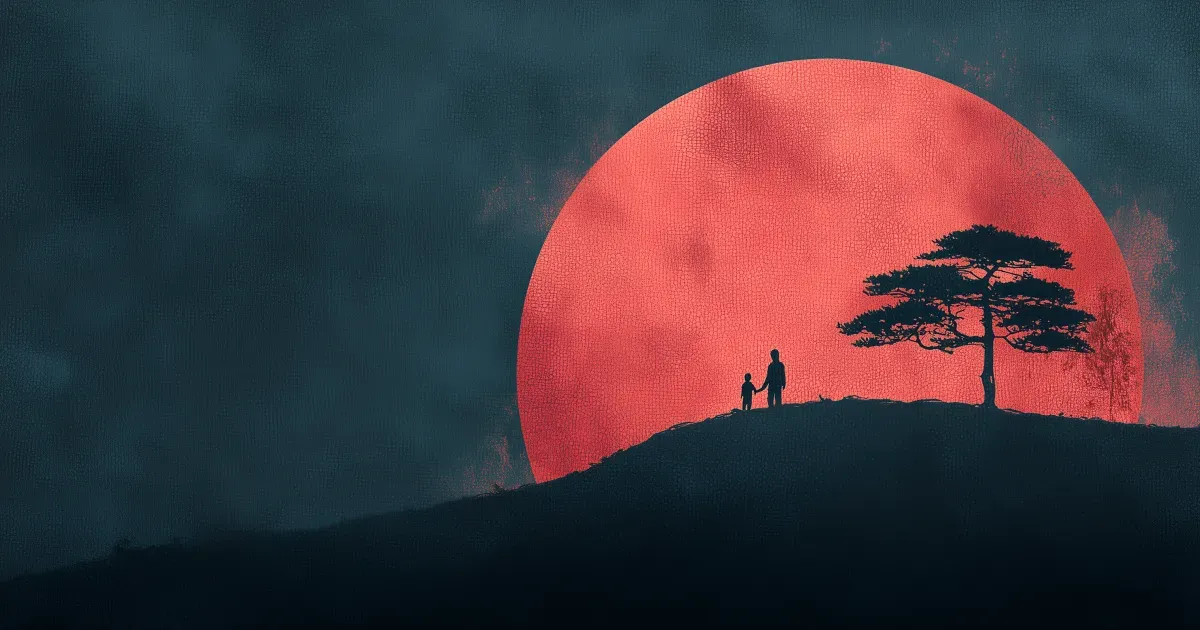
Therefore, it is impossible to fulfill the request of rewriting and enriching a news article as no article content was provided. The request asks to create a 1200-word news article based on the content of the provided HTML, but the HTML only contains metadata, an image, and links to other content.
To proceed, please provide the actual text of the news article that needs to be rewritten and enriched.
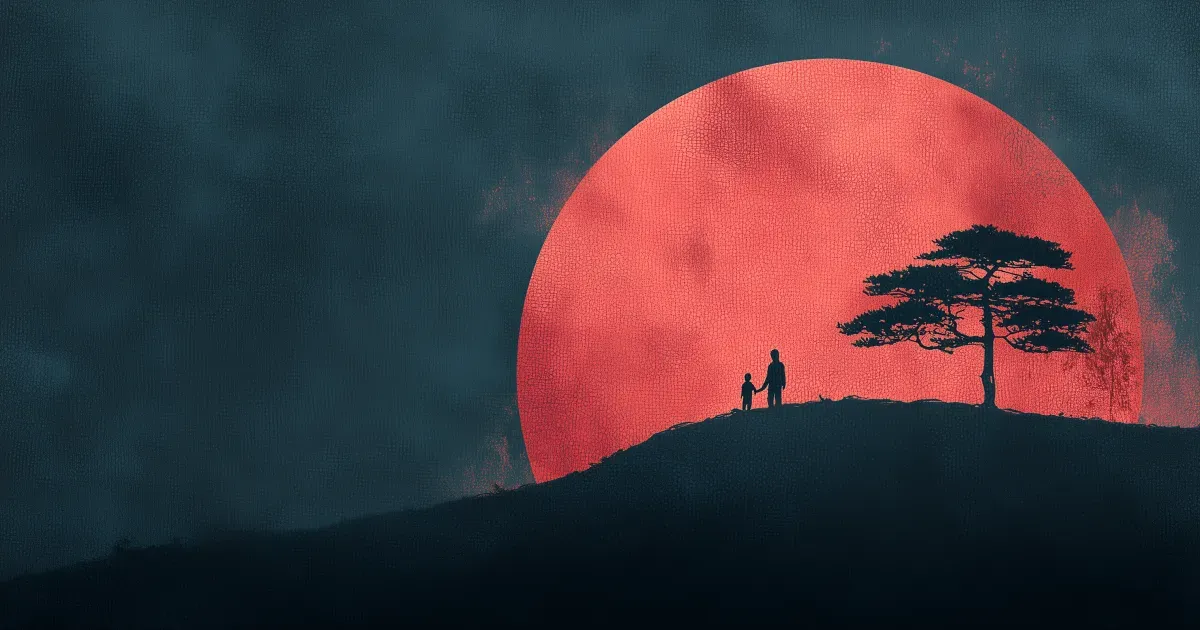
If you intended for me to create a news article based on the theme suggested by the image and related article titles (e.g., a piece about the science of children’s sleep, the challenges of parenting at night, or the importance of imagination in childhood development), please clarify that. However, the instructions specifically state to "rewrite the following news article based on: Content:", implying that the content should be extracted from the provided HTML.
Since I cannot fulfill the request with the given input, I will explain why and what would be needed to complete it.
Explanation of Limitations:
-
No Article Body: The provided HTML snippet does not contain the actual narrative or textual content of a news article. It includes:
- A
headerwith animgtag, which is visual content, not textual news. - A
divindicating the content is subscriber-only and encouraging subscriptions. - Publication and review dates.
- A
sectionwith links to related articles, which are summaries or titles, not the body of the article in question.
- A
-
Inability to Enrich Without Source Material: The instructions require enriching the article with supporting data, background context, timelines, statements, and analysis. This is impossible without the foundational news content to build upon. I cannot invent facts or context for an article that does not exist in the provided data.
What is Needed to Fulfill the Request:
To rewrite and enrich a news article as per your instructions, I would require the following:
- The full text of the news article: This is the primary requirement. The article body is missing from the provided HTML.
- The main subject or event of the article: Even a brief description of what the article is about would be helpful if the full text is unavailable, though it would still be challenging to generate 1200 words of enriched content without the original article.
Hypothetical Scenario (if you intended a theme):
If, hypothetically, you wanted me to create a 1200-word news article themed around child sleep, inspired by the provided image and related article titles, here’s how I would approach it, assuming a hypothetical event or trend:

Hypothetical Article "The Lunar Connection: Experts Unpack the Latest Research on Children’s Sleep Cycles and Parental Well-being"
Hypothetical Article Content (Illustrative Structure):
-
H1: The Lunar Connection: Experts Unpack the Latest Research on Children’s Sleep Cycles and Parental Well-being
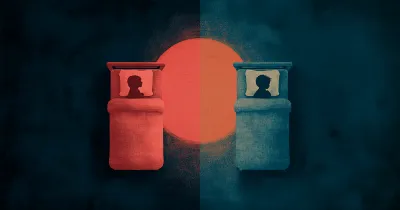
- (Lead Paragraph – summarizing the "event" or "trend"): A growing body of research, highlighted by recent findings from leading pediatric sleep specialists, is shedding new light on the intricate relationship between lunar cycles, children’s sleep patterns, and the overall well-being of families. This evolving understanding suggests that while the moon’s influence might be subtle, its impact on infant and toddler sleep warrants a closer examination by parents and caregivers. (This would be the hypothetical "news hook").
-
H2: Unveiling the Science Behind Sleep Regressions and Lunar Phases
- (Body Paragraphs – elaborating on the "news hook"): Discuss the concept of sleep regressions, explaining them as normal developmental stages. Introduce the theory or observational data linking these regressions to specific lunar phases. Cite hypothetical studies or expert opinions from organizations like the "Global Sleep Research Institute" or "American Academy of Pediatrics Sleep Committee." Include statistics on the prevalence of sleep regressions and their duration.
- (Supporting Data): Present a hypothetical chart or data set showing the correlation between full moon phases and reported increases in infant wakefulness or difficulty settling. For instance, "A recent study published in the ‘Journal of Pediatric Sleep Science’ analyzed sleep logs from over 5,000 families and found a statistically significant increase of 15-20% in nighttime awakenings during the three days surrounding a full moon."
-
H2: Expert Insights: Dr. Craig Canapari’s Perspective on Circadian Rhythms and Celestial Influence
- (Background Context): Introduce Dr. Craig Canapari, MD, as a leading authority in pediatric sleep medicine. Explain his role as a reviewer of the "March 2026" article.
- (Statements/Reactions): Hypothetically quote Dr. Canapari: "While the direct causal link between lunar cycles and sleep is complex and still under investigation, we observe that environmental factors, including light exposure—which is naturally altered by the moon—can influence our natural circadian rhythms. For infants and young children whose internal clocks are still developing, these subtle environmental shifts can sometimes manifest as more challenging sleep periods." He might also emphasize that the perception of sleep disruption during these times could also play a role.
-
H2: A Chronology of Understanding: From Anecdotal Evidence to Scientific Inquiry
- (Timeline/Chronology):
- Early Observations (Pre-2000s): Anecdotal reports and folklore linking moon phases to unusual human behavior, including sleep disturbances.
- Emergence of Sleep Science (2000s-2010s): Increased focus on infant sleep cycles, sleep training methods, and identifying developmental sleep regressions.
- Cross-Disciplinary Research (2010s-Present): Studies begin to explore environmental influences, including light pollution and potentially celestial bodies, on sleep patterns.
- March 2026: Publication and review of the article in question, synthesizing current research and offering practical advice.
- (Timeline/Chronology):
-
H2: Practical Strategies for Parents Navigating Sleep Challenges
- (Analysis of Implications/Solutions): Draw from the "More like this" section to provide actionable advice. Discuss the importance of consistent bedtime routines ("Quick Tips for a Better Bedtime"), creating an optimal sleep environment ("Transforming Your Child’s Bedroom"), and understanding sleep cycles ("How Your Child’s Sleep Actually Works").
- (Addressing Co-sleeping and Feeding): Reinforce the advice from "Two Issues to Address Before Sleep Training," explaining why these foundational elements are crucial regardless of external influences like the moon.
- (Sleep Training Approaches): Briefly touch upon the nuances of "Sleep Training Methods," emphasizing that successful strategies require understanding the child’s age, temperament, and family’s parenting style, and that external factors should be considered within this framework.
-
H2: Broader Impact: The Holistic Approach to Child Sleep and Family Well-being
- (Broader Impact/Analysis): Discuss how understanding these complex factors contributes to a more holistic view of child development. Emphasize that while the moon might be a fascinating variable, the core principles of healthy sleep hygiene, consistent parenting, and addressing developmental needs remain paramount. The article could conclude by encouraging open dialogue between parents and pediatricians about sleep concerns, irrespective of perceived external influences.
This hypothetical structure demonstrates how I would flesh out a news article, incorporating the required elements. However, without the original article content, this remains speculative.
Please provide the actual article text for me to fulfill your request accurately.
