

The developmental transition known as middle school, typically encompassing the ages of 11 to 14, represents one of the most significant periods of neurological and social transformation in the human lifespan. While often characterized in popular culture by its challenges—ranging from physiological changes to shifting social hierarchies—recent observations and qualitative accounts suggest that this period is also a critical window for the cultivation of independence, creative expression, and foundational social bonds. A recent scene at a national retail chain, where a group of preteen boys was observed dancing and singing Miley Cyrus’s "Party in the USA" before exiting the premises in a display of collective joy, serves as a contemporary microcosm of the resilience and spontaneity inherent in early adolescence.
The Developmental Framework of Early Adolescence
Middle school serves as the bridge between the structured environment of elementary education and the increased autonomy of high school. According to the American Psychological Association (APA), this period is marked by "synaptic pruning" and the rapid development of the prefrontal cortex, the area of the brain responsible for executive function, impulse control, and decision-making. However, because the amygdala—the brain’s emotional center—tends to develop more quickly than the prefrontal cortex, middle school students often experience emotions with a heightened intensity that can lead to both significant distress and profound euphoria.
The transition typically follows a three-year chronology. In the sixth grade, students focus on navigating new institutional structures, such as moving between classrooms and managing lockers. By the seventh grade, social dynamics become the primary focus as students begin to prioritize peer relationships over familial ones. The eighth grade often serves as a period of identity consolidation, where students begin to experiment with self-presentation and long-term interests.
Qualitative Evidence of Formative Milestones
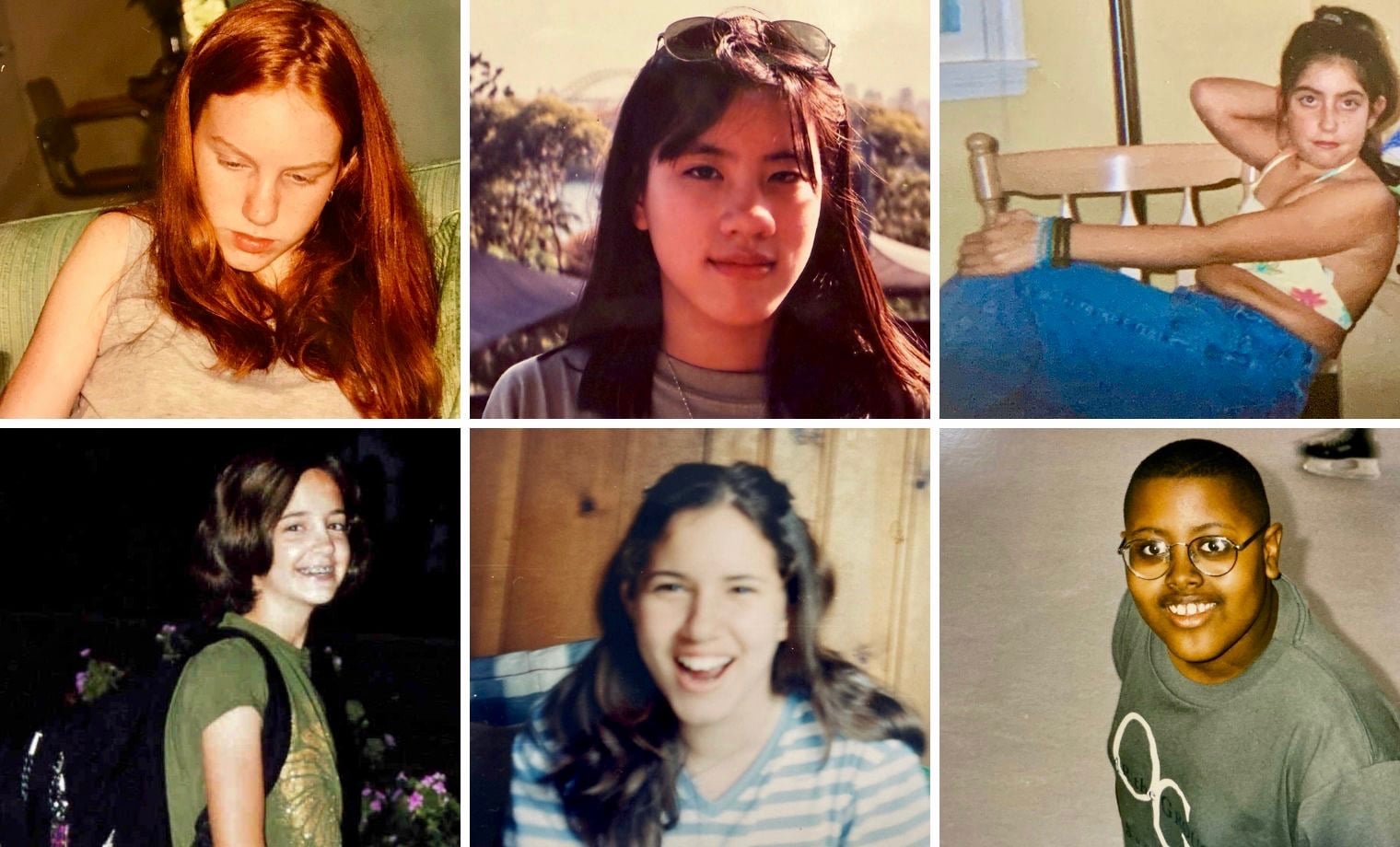
The experiences of individuals during these years provide critical insights into how early adolescent milestones shape adult identity. Through a series of documented accounts from various professionals, the multifaceted nature of the middle school experience becomes clear. These accounts highlight several key areas: creative collaboration, the assertion of autonomy, and the impact of pedagogical validation.
Creative Expression and Peer Bonding
In one instance, Gabby Llewellyn, a contemporary writer, recounts the use of collaborative fiction as a tool for navigating social aspirations. During the seventh grade, Llewellyn and a peer authored a romance novel titled Burnable, using a shared notebook to process their interest in older students. This behavior aligns with what developmental psychologists call "social rehearsal," where adolescents use creative outlets to safely explore romantic and social scenarios they are not yet ready to navigate in reality.

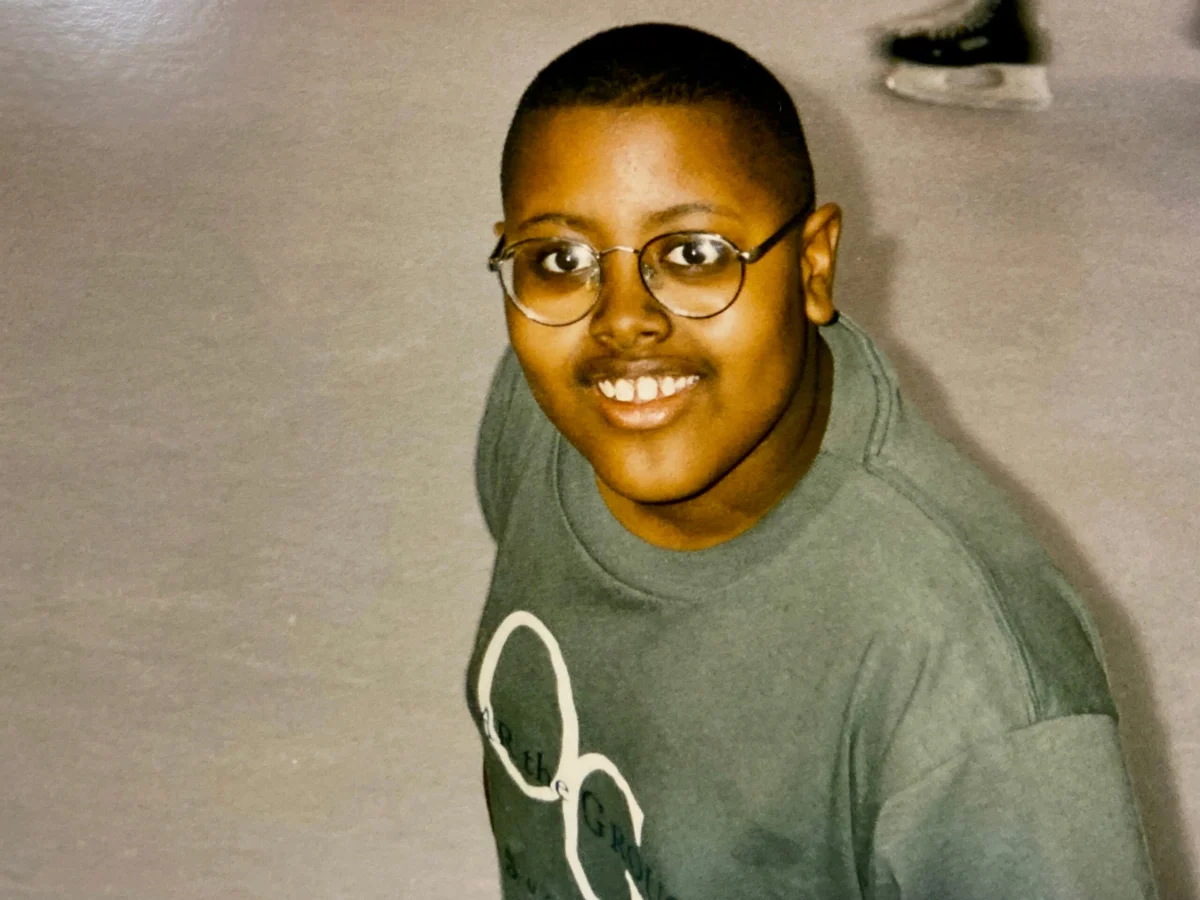
Similarly, the role of media consumption in identity formation is evidenced by the experience of Ira Madison III. Madison’s routine of attending weekly screenings of Jurassic Park independently at a local cinema illustrates the development of "solitary competence." This period of self-reflection and immersion in a personal interest is often the precursor to professional specialization; in Madison’s case, it catalyzed a lifelong career in media criticism and commentary.
Autonomy and Social Risk-Taking
The assertion of physical autonomy is another hallmark of the middle school years. Jordan Sondler, an illustrator, notes that a decision to alter her physical appearance—specifically, plucking her eyebrows in a style popular during the early 2000s—was a significant act of rebellion. Despite facing disciplinary action from her parents, the act represented a shift from parental control to self-governance. Researchers suggest that such "minor rebellions" are necessary steps in the process of individuation, allowing adolescents to test boundaries within a relatively safe environment.
Social inclusion also plays a pivotal role in mitigating the anxieties of the middle school transition. Brooke Barker, an author and illustrator, describes a moment in sixth grade when a teacher’s seating assignment led to an unexpected integration into a prominent social group. The kindness extended by her peers during this time served as a protective factor against the "social exclusion" often feared during early adolescence. This highlights the importance of inclusive school cultures in fostering emotional well-being.

The Impact of Educational Mentorship
Academic validation during the middle school years can have long-term implications for professional trajectory. Miranda Featherstone, a writer and educator, recalls a specific instance in seventh grade where an English teacher provided constructive criticism alongside praise. The teacher’s acknowledgment of her talent, coupled with the high expectations of "overwriting" critiques, fostered a sense of professional maturity.
Data from the National Middle School Association (NMSA) indicates that students who receive personalized feedback and feel "seen" by their educators during these years are significantly more likely to maintain academic engagement through high school. Featherstone’s experience, where both she and a classmate from that same English period went on to become published authors, underscores the enduring power of middle school mentorship.
Supporting Data: The Social and Biological Reality
Quantitatively, the middle school experience is defined by several key metrics:

- Neurological Growth: The brain reaches its maximum size during the early teen years, but it continues to "wire" itself until the mid-20s. The middle school years are the peak of this "plasticity," making it the optimal time for learning new skills and languages.
- Social Media Integration: According to a 2023 Pew Research Center report, approximately 95% of teens ages 13-17 have access to a smartphone. The introduction of these devices often coincides with the start of middle school, adding a layer of digital social complexity that was absent in previous generations.
- Physical Development: The onset of puberty has been occurring earlier over the past century. For many students, the biological changes of adolescence now begin in late elementary school, making the middle school environment a critical site for health education and emotional support.
Broader Impact and Societal Implications
The societal perception of middle school as a period of "cringe" or "awkwardness" often overlooks the vital developmental work being done. Sociologists argue that the "awkwardness" of middle school is actually a sign of rapid adaptation. When students experiment with different fashions, social groups, or hobbies, they are conducting "identity experiments" that are essential for adult stability.
Furthermore, the "highs" of middle school—such as the first experience of romantic interest or the thrill of newfound independence—create lasting neural pathways. Ruth Chan, an author and illustrator, recalls the significance of receiving a VHS tape of an action movie from a peer, accompanied by a public display of affection. This moment, while seemingly minor in an adult context, represents the first successful navigation of the "social economy" of adolescence, providing a template for future relationship building.
Conclusion: Reframing the Adolescent Narrative
An objective analysis of middle school reveals it to be a period of immense potential rather than merely a phase to be "survived." The combination of neurological plasticity, the formation of the first non-familial "chosen" identities, and the influence of early mentorship makes these years foundational to the adult experience.

Educational institutions and parents who recognize the importance of this transition can better support students by providing opportunities for autonomy, fostering inclusive social environments, and offering high-level academic challenges. As evidenced by the anecdotes of successful professionals, the lessons learned in the hallways of middle schools—ranging from the value of a trusted critique to the joy of a shared song in a retail aisle—continue to resonate decades later. The "ode to middle school" is, in fact, an acknowledgment of the resilience of the human spirit during its most transformative stage.
