

The traditional school portrait, a staple of the North American educational experience for nearly a century, has evolved from a simple administrative requirement into a profound psychological and cultural archive of individual growth. Recently, a digital ethnographic retrospective conducted by the lifestyle publication Cup of Jo highlighted the enduring significance of these images, soliciting contributions from a diverse cohort of adults to analyze the intersection of memory, fashion, and self-perception. The resulting collection of eleven distinct narratives offers a window into the socio-economic pressures, gender performance, and developmental milestones that define the transition from childhood to early adulthood. By examining these artifacts, sociologists and cultural historians can better understand how the "awkward stage" of adolescence is documented and eventually reclaimed as a badge of resilience in the digital age.
The Economic and Institutional Framework of School Photography
The school photography industry, currently valued at over $1.5 billion in the United States alone, operates on a model of standardized aesthetics. Since the mid-20th century, companies like Lifetouch—founded in 1936—have provided schools with a streamlined method of capturing student likenesses. While these photos serve practical purposes, such as identification for yearbooks and school records, they also represent a mandatory performance of "readiness" for the camera.
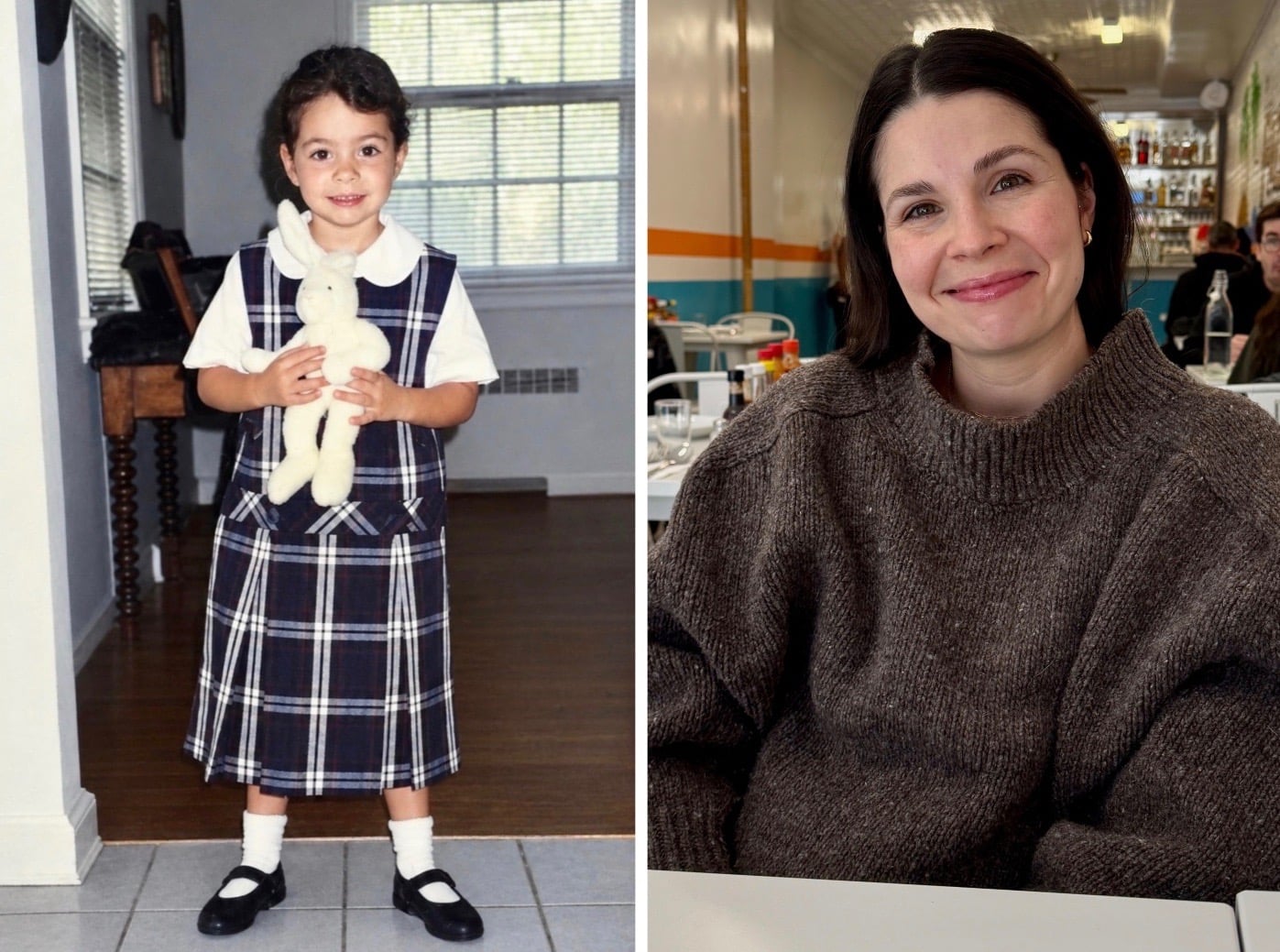
For many families, however, the school portrait is also a site of economic negotiation. Participant Maddie of New York recalled her kindergarten photo, in which she wore a uniform purchased three sizes too large. Her mother’s intent was for the garment to "last," a common strategy among middle- and working-class families to maximize the utility of expensive school-mandated attire. This practical decision resulted in a visual record of a child literally "growing into" her institutional identity, a theme that resonates with many who navigated the constraints of school dress codes.
The Performance of Identity and Gender in Institutional Settings
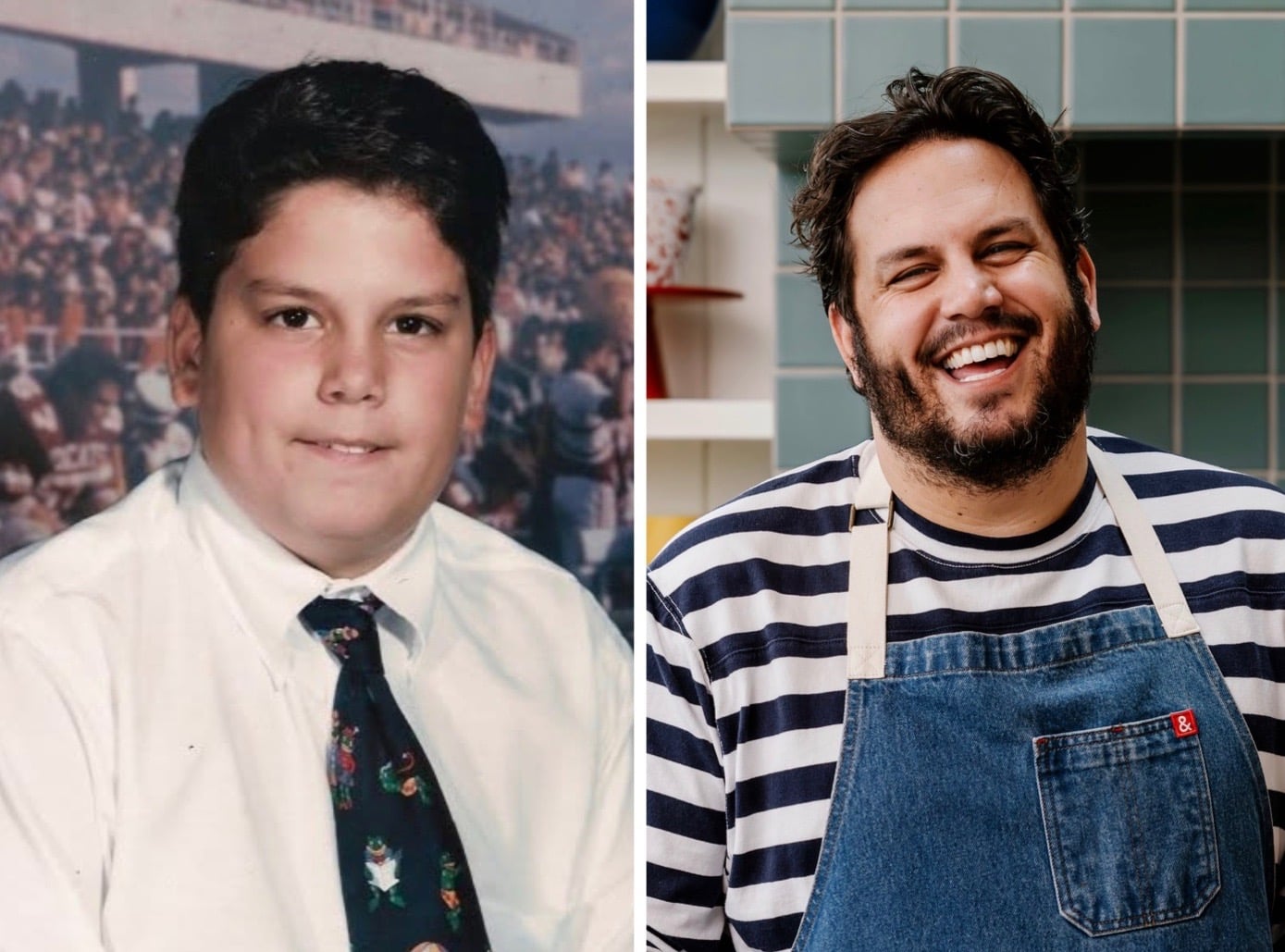
School portraits often capture the tension between institutional conformity and individual expression. This is particularly evident in the testimony of Dan, a participant from New York who reflected on his third-grade portrait. Attending a Catholic school where the uniform policy was rigid, Dan utilized his tie—the only permitted avenue for self-expression—to assert his personality. However, he also noted that his choice of a sports-themed background was a deliberate attempt to "fly under the radar" regarding his sexual orientation. This underscores the school portrait’s role as a document of "masking" or gender performance, where children navigate the social expectations of their peers and authorities through visual cues.
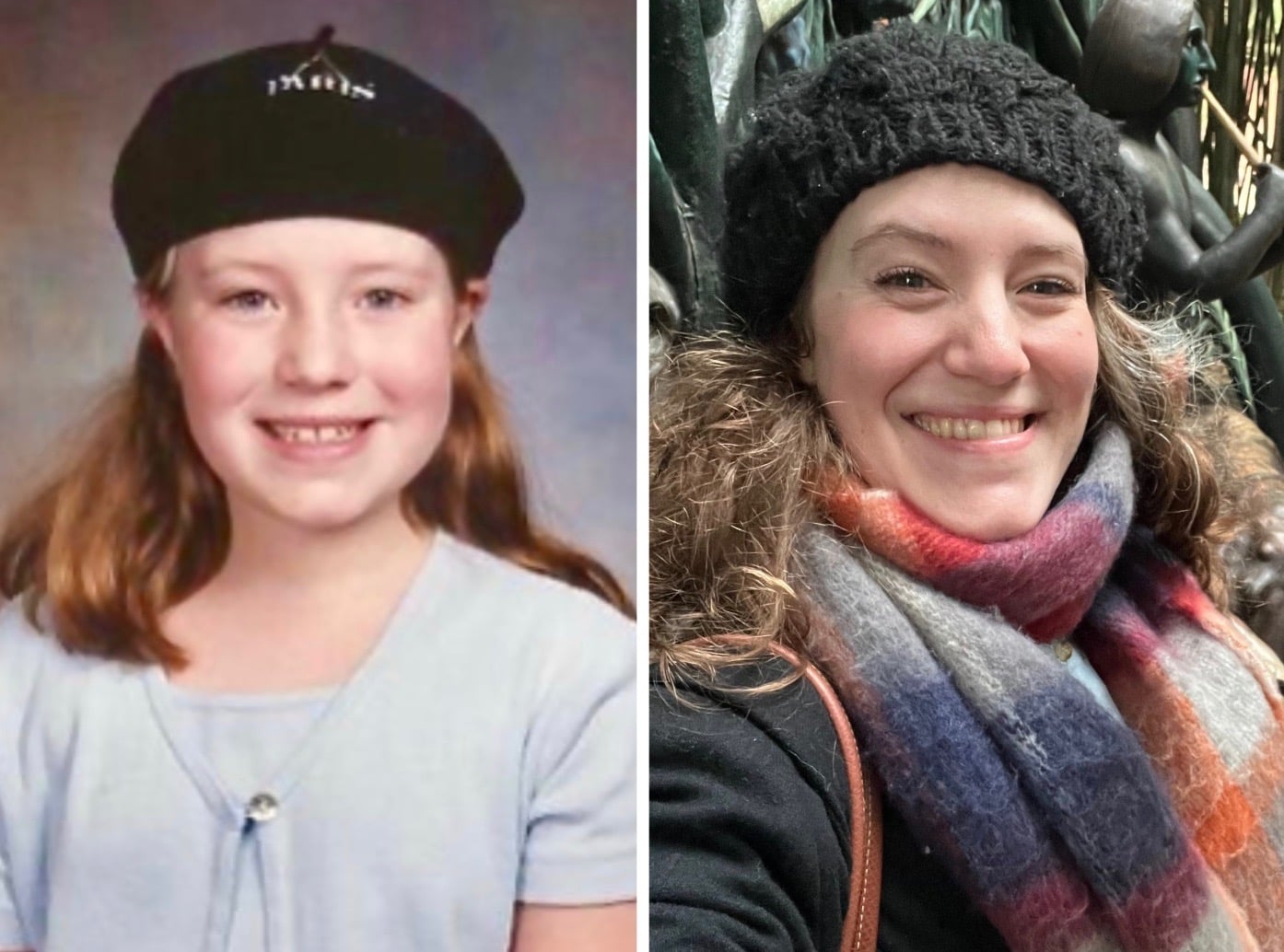
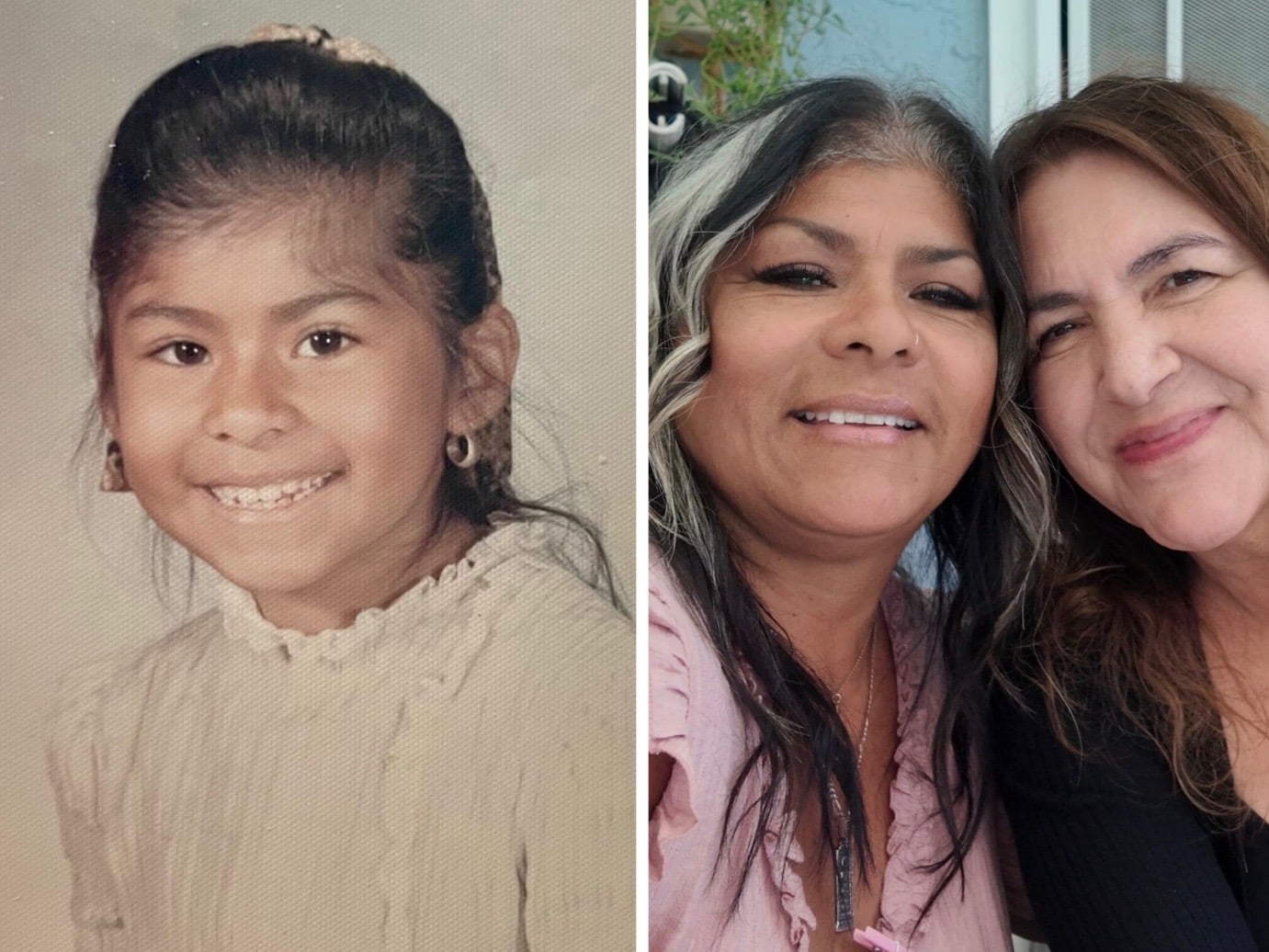
Similarly, the use of accessories and jewelry serves as a marker of burgeoning autonomy. Katy of New Jersey shared a third-grade photo featuring a beret brought back from Paris by her uncle. The accessory became a central component of her "theater kid" identity, supported by a parent who encouraged her to occupy her space authentically. Lisa of California pointed to her second-grade photo as the origin of her lifelong affinity for Mexican hoop earrings, highlighting how cultural heritage and personal style often coalesce in the photographer’s chair.
Developmental Milestones and the "Awkward Stage"
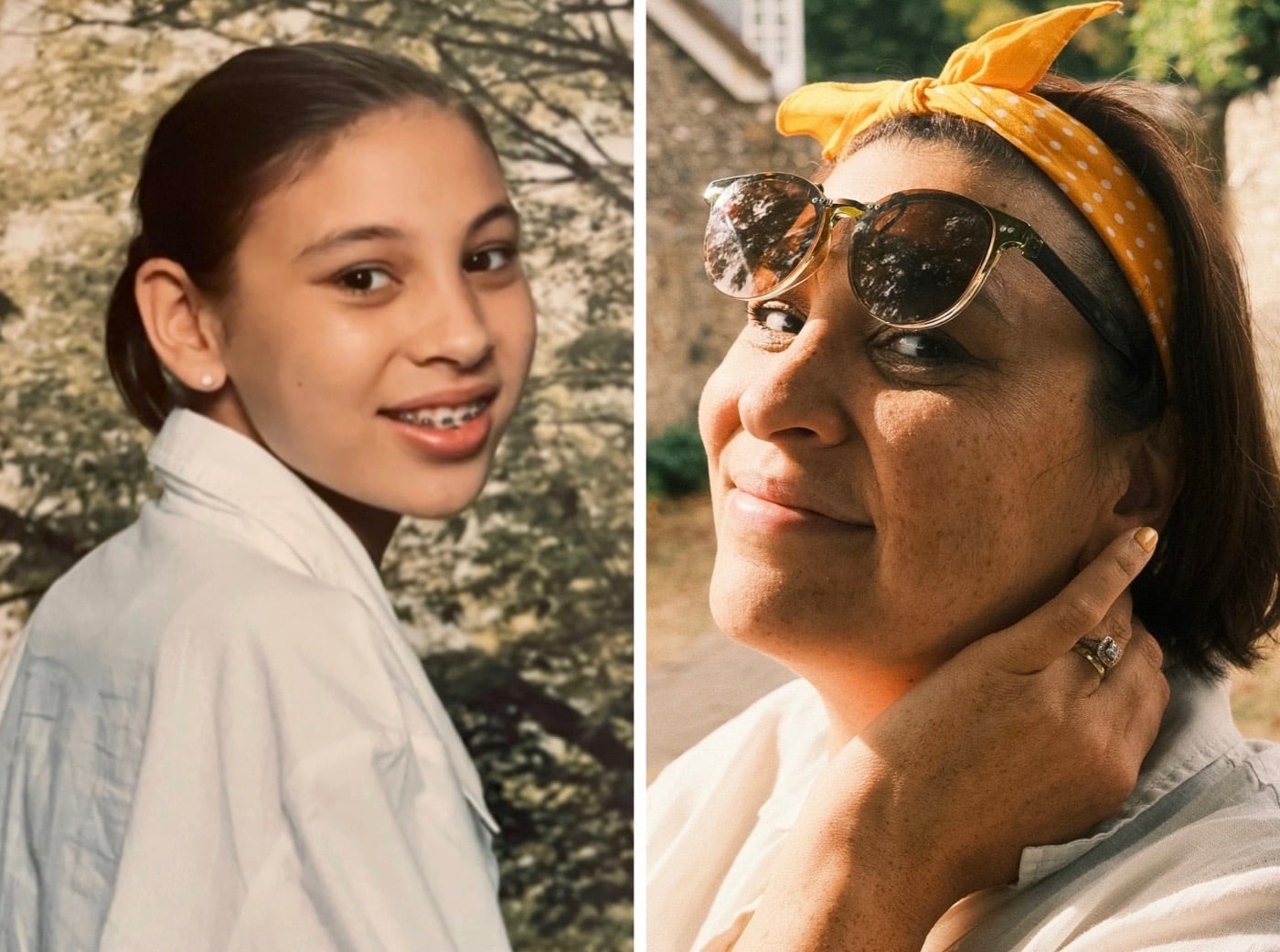
Psychologists often refer to the period between late childhood and early adolescence as a time of significant "identity work." The school portrait serves as a chronological anchor for these shifts. Erin of North Carolina identified her seventh-grade photo as a pivotal moment "right before puberty," noting the preservation of her natural features before the social pressures of the following year led her to alter her appearance through eyebrow plucking.
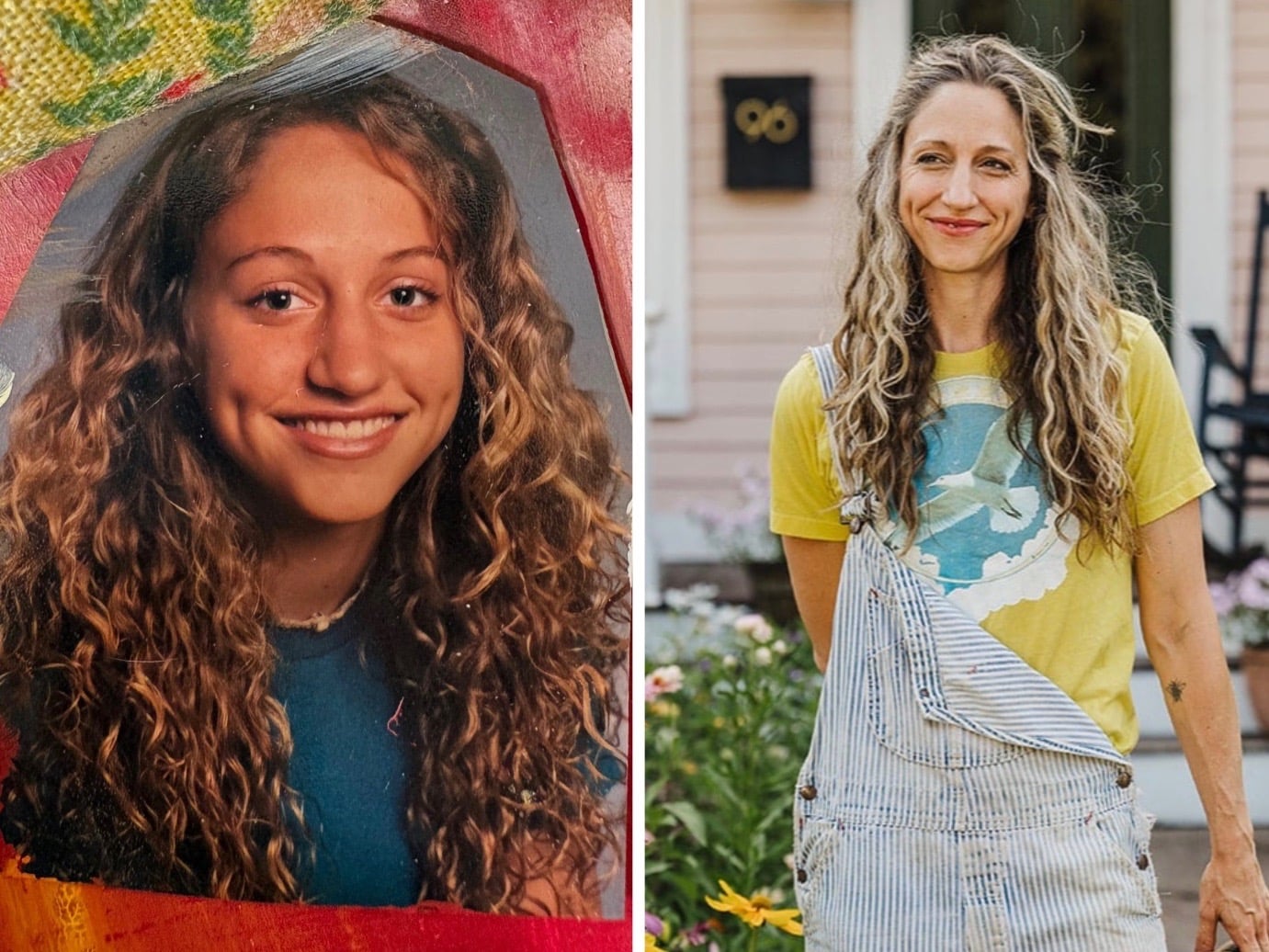
The "awkward stage"—characterized by dental transitions, skin changes, and experimental hairstyles—is a recurring theme in the Cup of Jo archive. Tammy of Ontario presented a 1987 seventh-grade portrait featuring a "home perm" intended to manage naturally curly hair. Her reflection suggests that while the image may be perceived as "cringey" by modern aesthetic standards, it remains a valuable record of an "optimistic dreamer." This shift from embarrassment to self-acceptance is a key component of adult psychological integration, where individuals learn to view their younger selves with compassion rather than derision.
Media Influence and the Construction of the Self
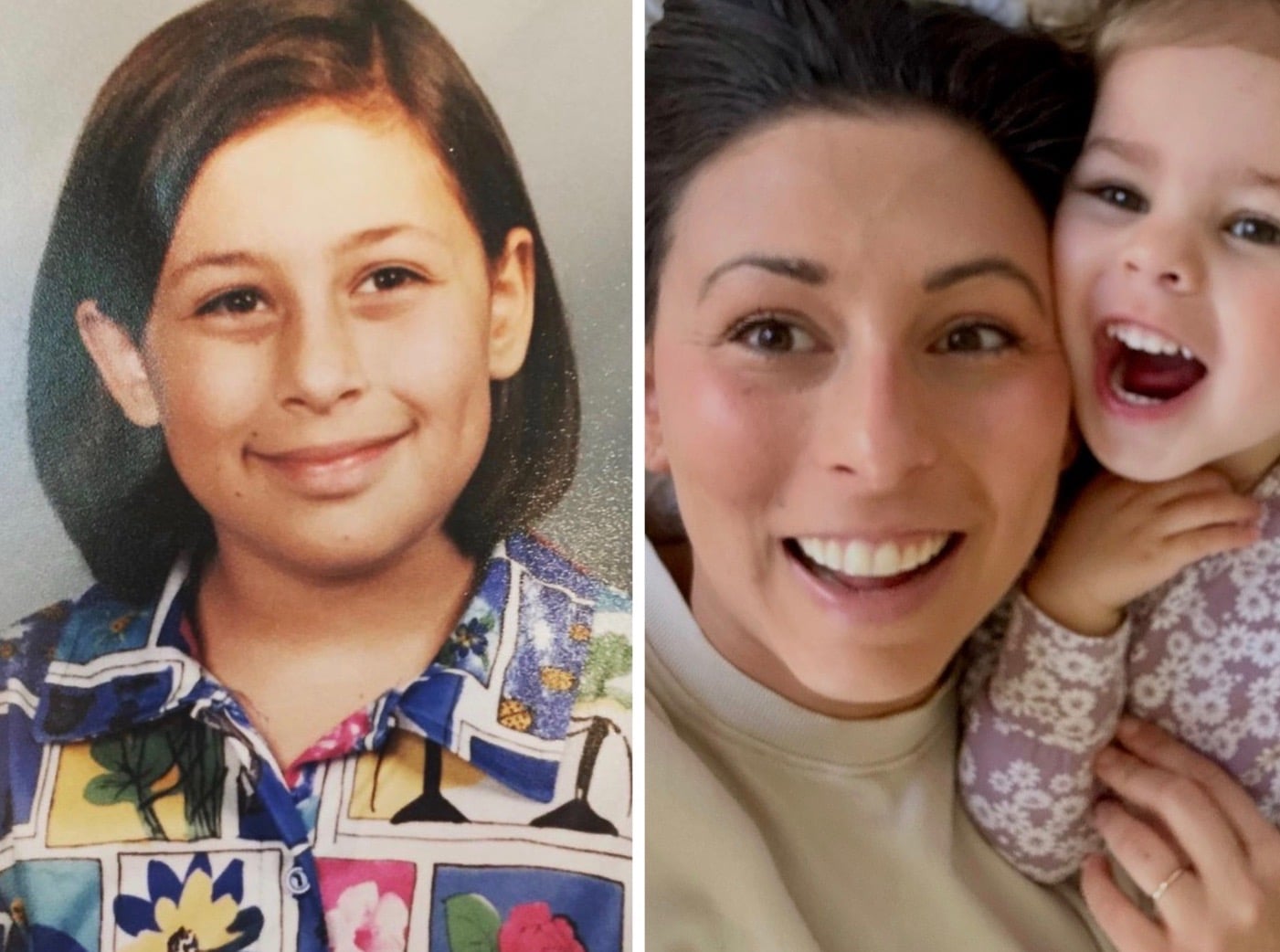
The influence of celebrity culture on youth identity is also visible in these archival photos. Sari of Illinois recalled that in the fourth grade, she believed she resembled actress Jennifer Aniston. Her parents’ refusal to correct this misconception allowed her to project a level of confidence—evidenced by her "smize" and her Limited Too attire—that she now seeks to instill in her own daughter. This illustrates the "looking-glass self," a social psychological concept suggesting that individuals shape their identities based on how they believe others perceive them.
Furthermore, the "Ramona the Pest" aesthetic mentioned by Martha of Washington references a literary touchstone for many children. By comparing her first-grade self to the spirited and often troublesome protagonist of Beverly Cleary’s novels, Martha aligns her personal history with a broader cultural narrative of childhood rebellion and curiosity. Now a middle school teacher, Martha uses these photos as pedagogical tools to humanize the educator and reassure students that the awkwardness of adolescence is a universal, rather than isolated, experience.
The Evolution of the Photographic Gaze
The interaction between the student and the photographer is a critical, albeit brief, social exchange that dictates the final image. Katherine of Georgia shared a sixth-grade photo in which her expression was one of visible distaste. The photographer had prompted her to "Say BOYS!"—a common, gendered tactic used by photographers to elicit a smile. Katherine’s refusal to perform the expected reaction serves as a minor but significant act of resistance against stereotypical social prompts.
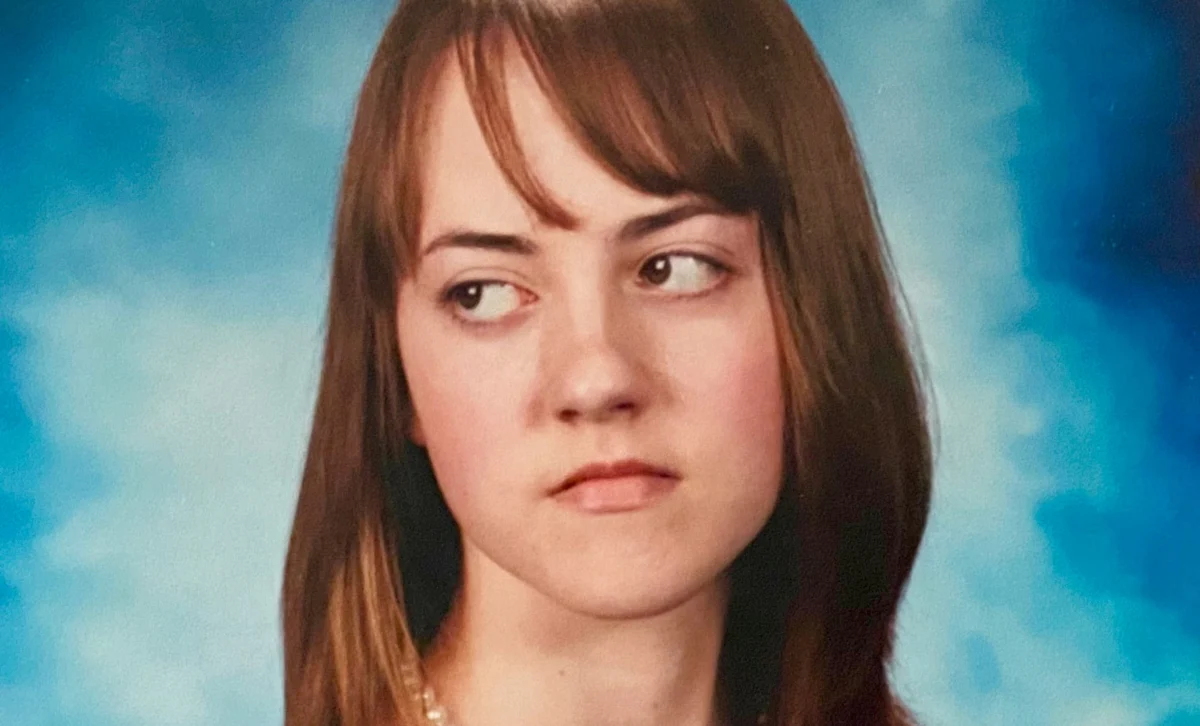
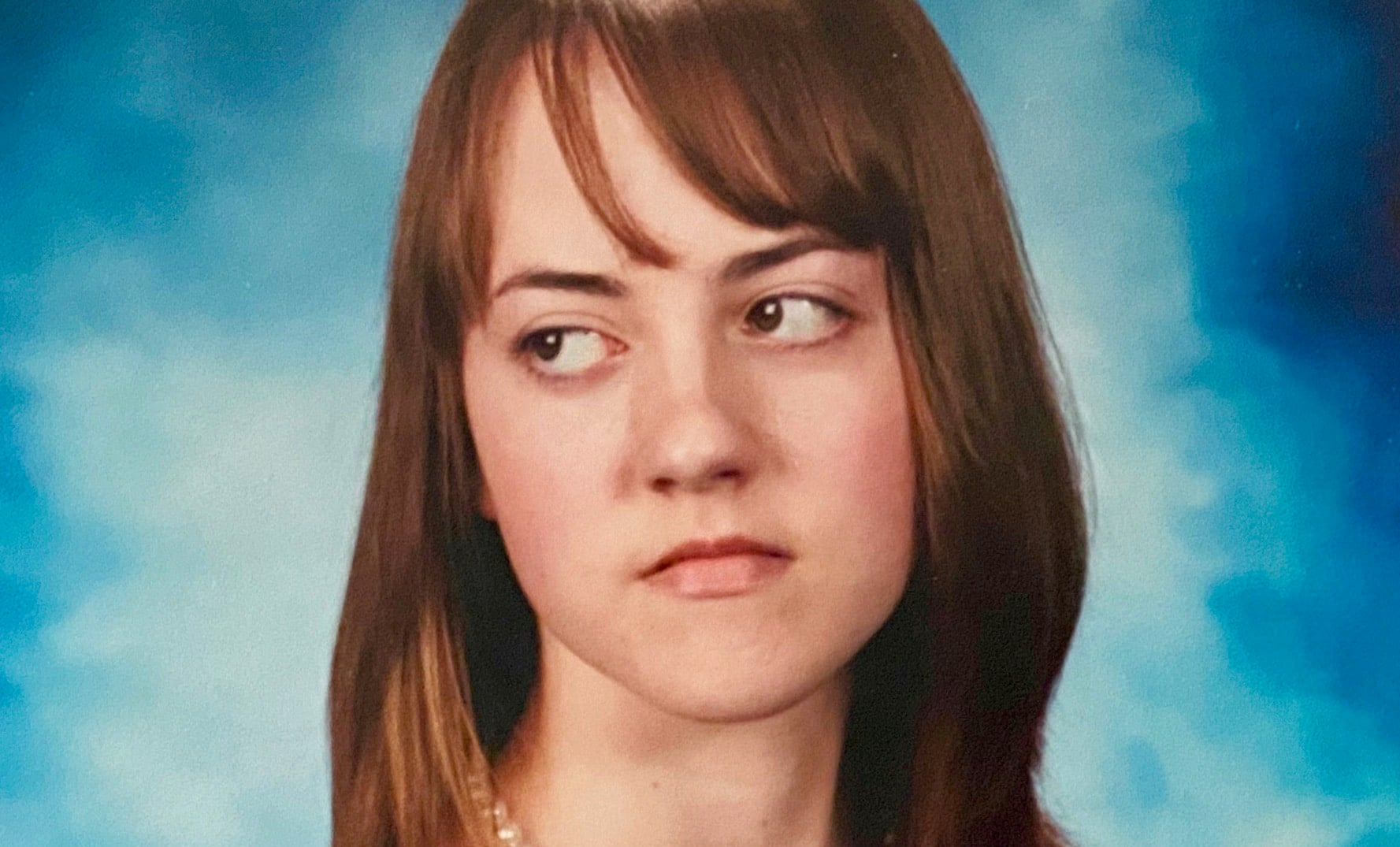
In a more contemporary context, Leah Wise of Texas discussed her senior portrait, which became the subject of social media commentary regarding her "bombastic side-eye." Despite the photographer’s request for a "gentle gaze," Leah’s natural "resting face" prevailed. This highlight’s the shift in how these photos are consumed today; what was once a private image in a physical yearbook is now subject to the vocabulary of internet memes and viral trends.
Chronology of the School Portrait Industry
To understand the context of these reader stories, one must look at the timeline of the industry:
- 1920s-1930s: Group class photos are the norm; individual portraits are rare and expensive.
- 1936: The founding of National School Studios (later Lifetouch) begins the era of mass-produced individual student photography.
- 1950s-1960s: The "school photo day" becomes a standardized annual event across North America.
- 1980s-1990s: Introduction of laser-printed backgrounds (lasers, neon shapes) and more sophisticated lighting, as seen in the contributors’ photos from this era.
- 2000s-Present: The transition to digital photography allows for instant retouching and a wider variety of poses, though many parents still opt for the "classic" headshot.
Broader Implications and Sociological Analysis
The act of sharing these photos in a public forum like Cup of Jo functions as a form of collective nostalgia. In a digital age where social media often demands a curated, "perfect" version of reality, the unpolished and often humorous nature of old school photos provides a necessary counter-narrative. They remind the public that identity is not a static state but a long, often messy process of becoming.
Sociologists note that these archives are essential for understanding the "material culture" of childhood. The clothing brands (Limited Too), the hairstyles (home perms), and the accessories (Parisian berets) are not merely fashion choices; they are data points that reflect the economic health and social values of a specific time and place.
Moreover, the reactions from the 134 commenters on the original post indicate a high level of social engagement with the concept of "peaking." Sharon of Connecticut, who was a springboard diver and class vice president in the 11th grade, joked that she "peaked in high school." This self-deprecating humor allows adults to negotiate their current status by contrasting it with their past achievements and aesthetic highs.
Conclusion: The Enduring Legacy of the Yearly Portrait
The school portrait remains one of the few universal archives of the human experience in modern society. While the technology and the fashions change, the underlying tension remains: the struggle to define oneself within the confines of an institutional frame. The Cup of Jo retrospective demonstrates that these images are more than just paper or pixels; they are the visual "DNA" of our personal histories. By revisiting them, individuals are able to bridge the gap between who they were and who they have become, finding beauty in the very awkwardness they once sought to hide. As these readers share their stories, they contribute to a broader understanding of the American childhood, ensuring that the "bombastic side-eyes" and "home perms" of the past continue to inform and entertain the future.
