

The routine task of grocery shopping, once a foundational element of domestic management, has evolved into a complex logistical operation for modern parents, particularly those navigating the unique demands of caring for twins or multiple infants. As urban environments and retail spaces become increasingly optimized for efficiency and high-volume turnover, the specific needs of families with young children often clash with the structural realities of the marketplace. This tension highlights a broader sociological and economic phenomenon: the increasing difficulty of performing "invisible labor"—the unpaid work of managing a household—within public spaces that are not always designed for accessibility or safety. For parents of multiples, the simple act of procuring food becomes a case study in endurance, planning, and the limitations of current retail infrastructure.
The Chronology of the Modern Grocery Expedition
The process of a grocery excursion with infants begins long before the parent enters the retail establishment. It is defined by a rigorous sequence of events that must be timed with biological precision. The "window of opportunity" is dictated by the infants’ sleep and feeding schedules; a delay of even fifteen minutes can result in a transition from a manageable outing to a period of acute distress for both the parent and the children.
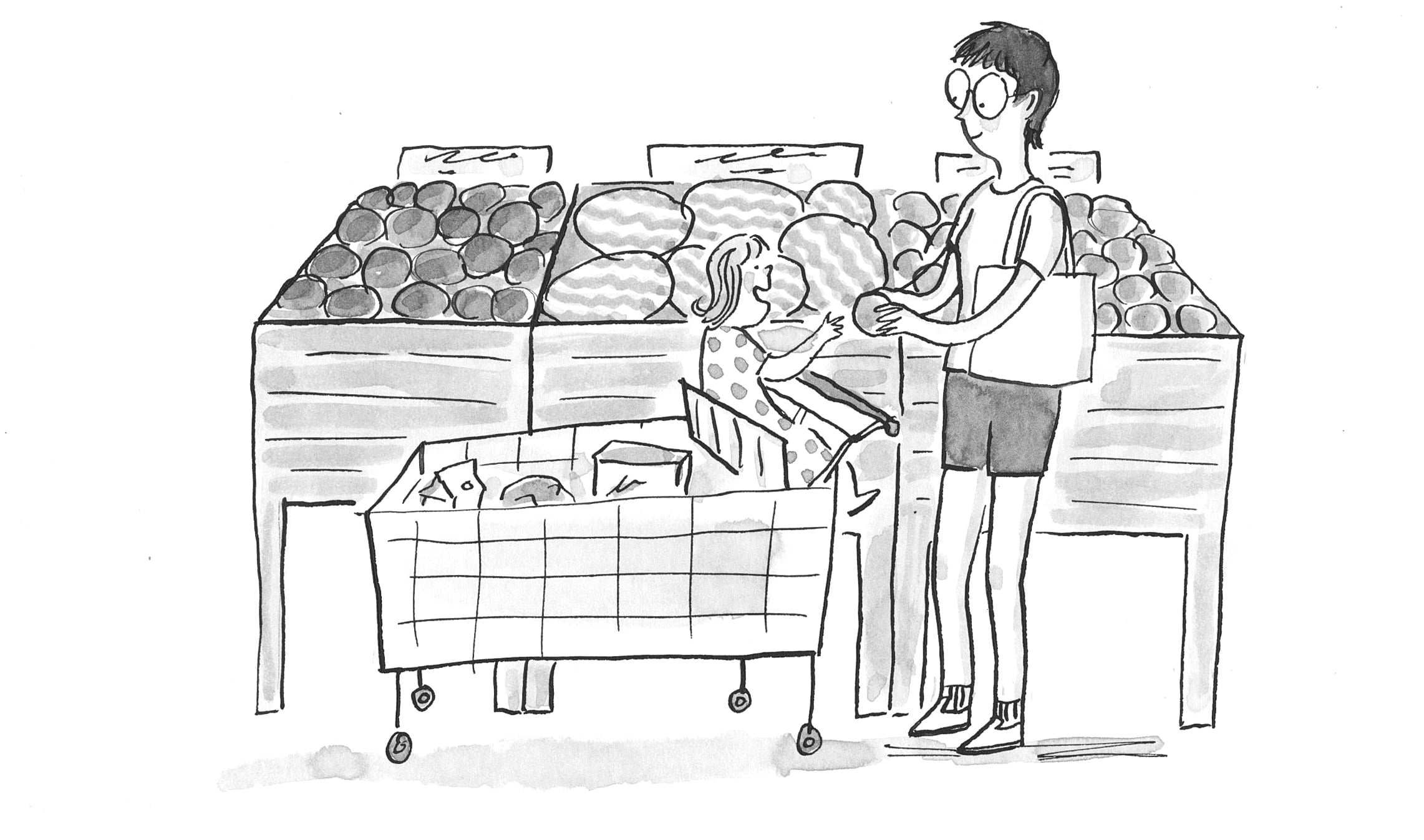
Upon arrival at the retail site, the primary challenge is the "transfer phase." For a parent of twins, this involves the extraction of two infants from a vehicle and their subsequent placement into a stroller or a specialized shopping cart. Many American grocery stores provide carts designed for a single child, leaving parents of multiples with a difficult choice: utilize a double stroller, which limits the capacity for carrying groceries, or attempt to manage a standard cart while wearing one child in a carrier and placing the other in the seat. This logistical bottleneck represents the first of many hurdles in the procurement process.
Once inside the store, the parent must navigate the "high-stimulus environment" of the aisles. Retail psychology often dictates layouts that maximize product exposure, frequently resulting in narrow corridors and high-density shelving. For a parent maneuvering a double-wide stroller or a heavy cart, these design choices create physical barriers. The chronology of the trip is further complicated by the necessity of "active engagement"—the constant monitoring of infant needs while simultaneously evaluating prices, expiration dates, and nutritional labels. The terminal phase of the trip—the checkout line—presents the final hurdle, requiring the parent to unload goods, process payment, and manage the children’s waning patience, all within a confined space.
Statistical Overview of Multiples and Modern Parenting
The challenges faced by parents of twins are not a niche concern but rather a significant demographic reality. According to data from the Centers for Disease Control and Prevention (CDC), the twin birth rate in the United States remains a stable yet substantial portion of live births, occurring at a rate of approximately 31.1 per 1,000 births. While the overall birth rate has seen fluctuations, the prevalence of multiples necessitates a reevaluation of public and commercial accessibility.
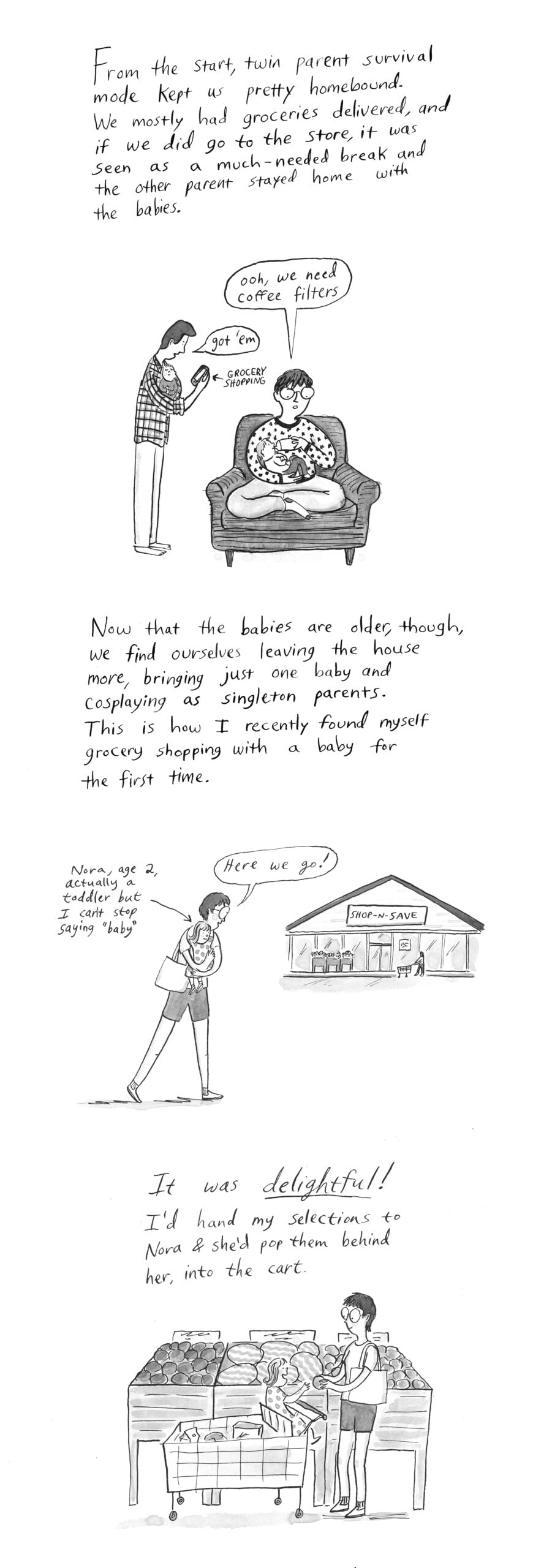
Furthermore, the "mental load" of parenting—the cognitive labor involved in managing household logistics—has been quantified in various sociological studies. A report by the Pew Research Center indicates that mothers, in particular, continue to shoulder a disproportionate share of household and childcare responsibilities. When this labor is performed in public, as in a grocery store, the psychological pressure is compounded by what experts call "social surveillance." The expectation that children remain quiet and compliant in retail spaces adds a layer of stress to an already taxing physical task.
From an economic perspective, the cost of raising multiples is significantly higher than that of single-born children. The United States Department of Agriculture (USDA) estimates that a middle-income family can expect to spend over $233,000 to raise a child to age 17, a figure that does not account for the immediate "doubling" of costs for diapers, formula, and gear associated with twins. The efficiency of the grocery trip, therefore, is not merely a matter of convenience but a financial necessity for many families.
Economic Pressures and the Retail Environment
The intersection of inflation and parenting has transformed the grocery store into a site of significant economic anxiety. Data from the Bureau of Labor Statistics (BLS) Consumer Price Index (CPI) shows that food prices have experienced notable volatility over the last several years. For a parent of multiples, the "Family Tax"—the extra cost of purchasing in bulk and the lack of time to shop for sales—is a tangible burden.
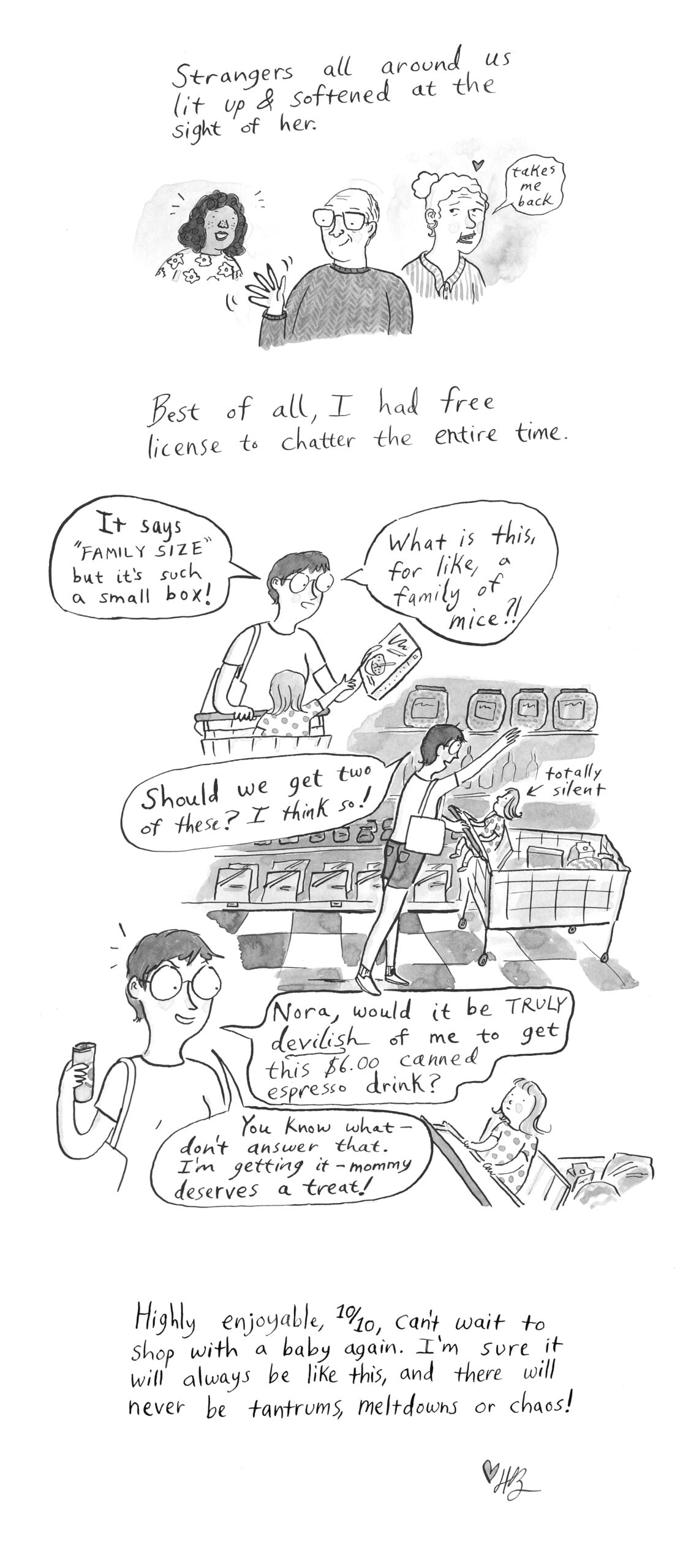
Retailers have increasingly moved toward automation, with self-checkout kiosks replacing traditional cashier-staffed lanes. While intended to increase efficiency, these systems often present a challenge for parents with infants. Managing a touch-screen interface and bagging groceries while ensuring that two infants are safe and occupied requires a level of multitasking that can lead to "decision fatigue."
The "invisible labor" of the grocery trip is also an economic contributor. If the time spent by parents on these errands were compensated at a market rate for personal assistants or professional shoppers, the value would reach billions of dollars annually. Yet, the retail environment often treats the parent-consumer as an afterthought in terms of architectural design and service provision.
Infrastructure and Accessibility in Commercial Spaces
The physical layout of the modern supermarket is a primary factor in the difficulty of the shopping experience for families. Most grocery carts are designed for a "standard" consumer profile—individuals or families with one small child. The "double-seat" cart is a rarity in many urban markets, forcing parents of multiples to rely on their own equipment, which may not be compatible with the store’s aisle width or checkout configurations.

Accessibility experts point out that while the Americans with Disabilities Act (ADA) has mandated certain widths for aisles and entrances, these regulations are intended for wheelchairs and do not always account for the dimensions of modern "side-by-side" twin strollers. This lack of "family-friendly" infrastructure can be seen as a form of indirect exclusion, where certain demographics find it prohibitively difficult to utilize a public service.
Furthermore, the placement of "impulse buy" items—typically high-sugar snacks and toys—at the eye level of children in carts or strollers is a deliberate marketing strategy that increases the difficulty for parents. For a parent of twins, the "pincer movement" of two children demanding items simultaneously can turn a routine checkout into a high-stress confrontation, illustrating the conflict between corporate profit motives and the reality of family life.
The Psychological Toll and Societal Reactions
The psychological impact of navigating these spaces is often overlooked. Parental burnout is a recognized clinical phenomenon, characterized by emotional exhaustion and a sense of inadequacy. The "public performance" of parenting during an errand like grocery shopping can exacerbate these feelings. When a parent of multiples faces a logistical breakdown in a store—such as a "double meltdown" or a cart malfunction—the reaction of the public can range from empathetic to overtly hostile.

Sociological research suggests that the "breakdown of the village"—the decline of extended family support and close-knit neighborhood networks—has left parents more isolated. Errands that might have once been shared are now performed solo. The reaction of retail staff also plays a role; stores that train employees to assist parents with loading groceries or managing carts see higher rates of customer loyalty, yet such service is becoming increasingly rare in the era of "lean" retail staffing.
Broader Impact and Implications for the Future
The challenges of grocery shopping with infants reflect a broader need for societal and corporate shifts. As the "care economy" becomes a more prominent topic in policy discussions, the role of commercial spaces in supporting families is under scrutiny.
- Urban Planning and Retail Design: There is a growing movement for "8-80 cities"—urban environments designed to be safe and accessible for both an 8-year-old and an 80-year-old. Extending this philosophy to retail spaces would involve wider aisles, dedicated "family lanes" at checkouts, and a greater availability of carts designed for multiples.
- Corporate Social Responsibility: Retailers that prioritize family accessibility are finding a competitive advantage. Some chains have experimented with "quiet hours" to reduce sensory overload or "stroller-friendly" parking spots, recognizing that making the shopping experience easier for parents leads to longer dwell times and higher basket values.
- The Rise of E-Commerce: The logistical difficulty of in-person shopping has driven many parents of multiples toward grocery delivery and "click-and-collect" services. While convenient, this shift further isolates parents and can lead to higher costs through delivery fees and tips, essentially creating a "convenience tax" on families who cannot navigate physical stores.
In conclusion, the narrative of a parent of twins navigating a grocery store is more than a personal anecdote of fatigue; it is a reflection of how modern society values—or fails to value—the labor of care. Addressing these hurdles requires a multi-faceted approach involving better retail design, supportive public policy, and a cultural shift toward recognizing the essential nature of domestic logistics. Until then, the grocery store remains a challenging frontier for those tasked with the simultaneous roles of consumer and caregiver.
