

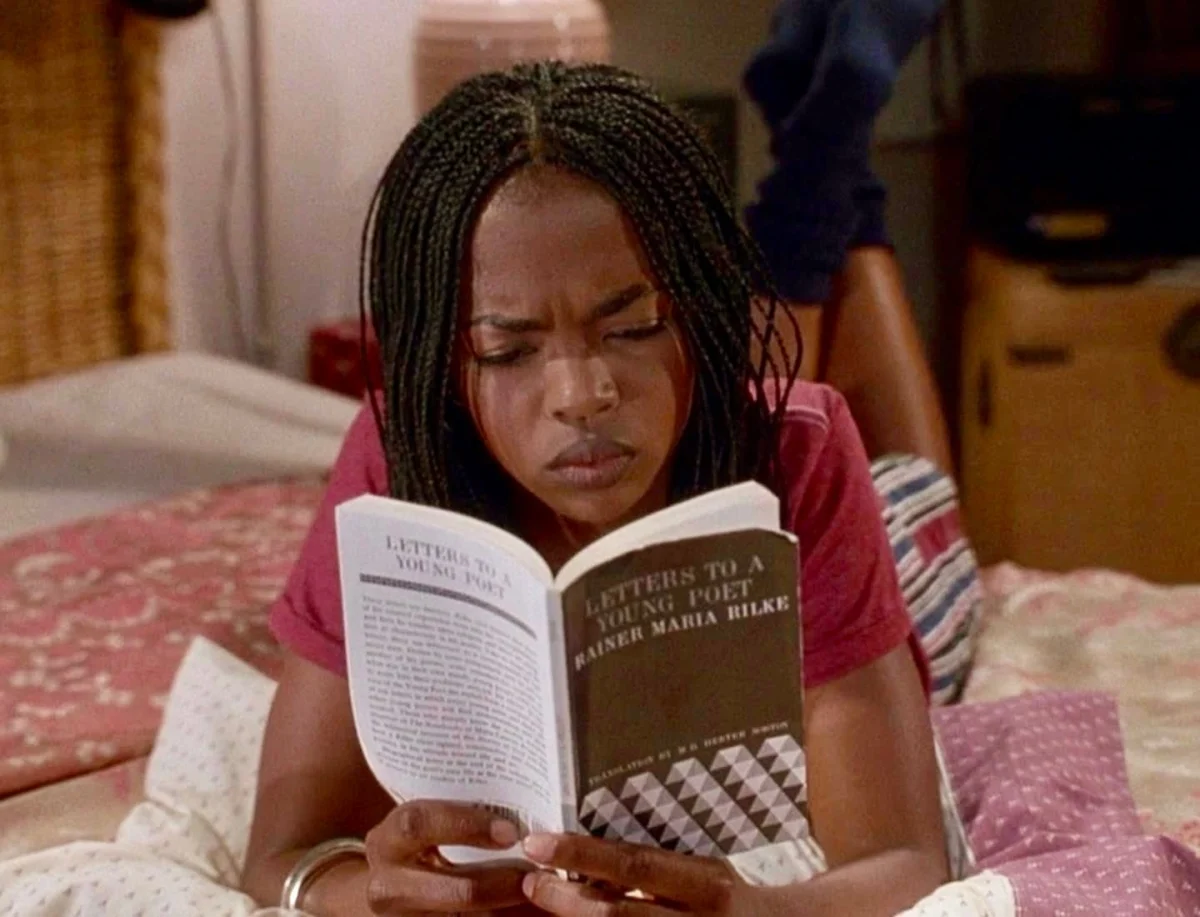
The phenomenon of required reading in the secondary education system represents a cornerstone of the formative adolescent experience, often leaving an indelible mark on the intellectual and emotional development of students. While many students initially approach assigned literature with a degree of skepticism or resistance, a significant subset of these works eventually transcends the classroom setting to become lifelong touchstones. This transition from mandatory academic labor to personal passion is a documented psychological and sociological occurrence, rooted in the shared environment of the classroom and the specific developmental stage of the readers. Educators and literary scholars have long observed that the books encountered between the ages of 14 and 18 possess a unique "staying power," often dictating a reader’s future taste and cultural literacy.
The Architectural Framework of the School Reading List
The selection of texts for middle and high school curricula is rarely arbitrary. In the United States, these lists are often shaped by a combination of state standards, such as the Common Core, and recommendations from organizations like the National Council of Teachers of English (NCTE). Historically, the "Western Canon" dominated these lists, focusing on authors such as William Shakespeare, F. Scott Fitzgerald, and Harper Lee. The objective was to provide a common cultural language—a set of references that all educated citizens would recognize.
In recent decades, however, there has been a significant shift toward diversifying these lists. The inclusion of works by authors such as Toni Morrison, Sandra Cisneros, and Chinua Achebe reflects a broader effort to make required reading more representative of the student body. Data from the National Center for Education Statistics suggests that when students see their own lived experiences reflected in the curriculum, engagement levels rise. This engagement is often the catalyst for a book "sticking" with a student long after the final exam has been graded.
The Psychology of Shared Literary Experience
One of the primary reasons school books remain vivid in the memory is the communal nature of the reading process. Unlike adult reading, which is typically a solitary activity, school reading is a collective endeavor. Students are required to dissect themes, debate character motivations, and analyze prose styles in a public forum. This "shared experience" creates a social bond centered around the text.
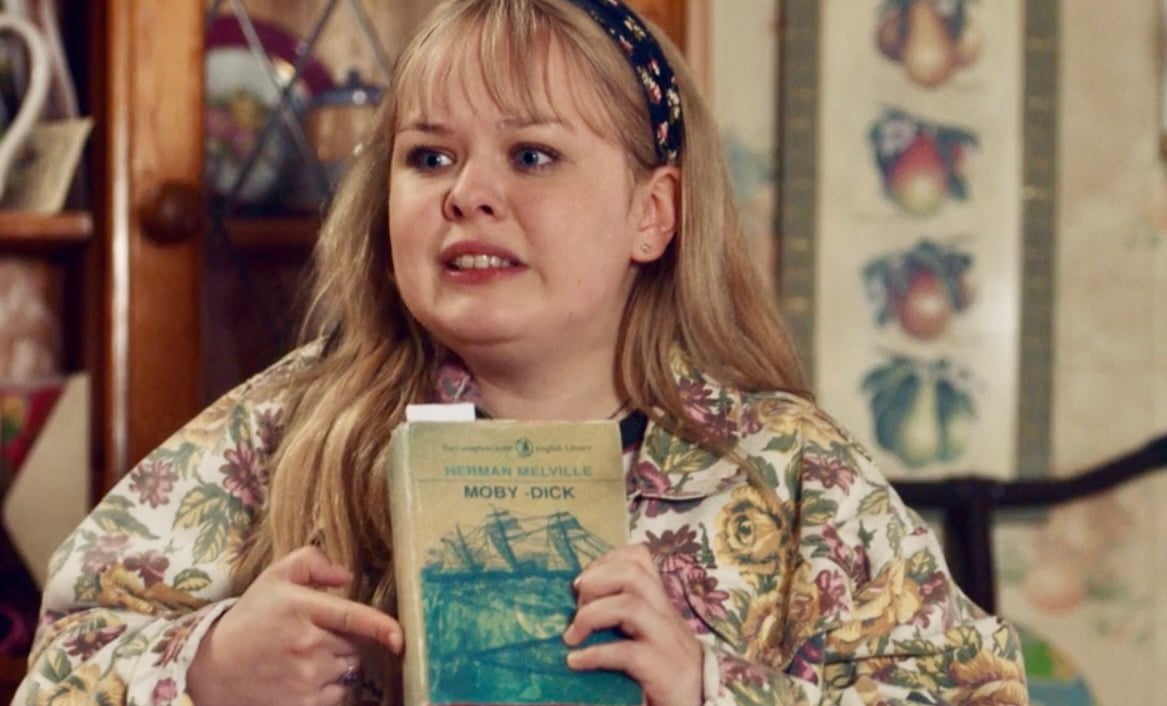
Psychologists note that the adolescent brain is particularly primed for social connection and emotional intensity. When a classroom of thirty students engages in a heated debate over the morality of a character like Heathcliff in Emily Brontë’s Wuthering Heights or the disillusionment of Holden Caulfield in J.D. Salinger’s The Catcher in the Rye, the emotional stakes of the book are heightened. The memory of the book becomes inextricably linked with the memory of the peer group and the environment of the classroom. This explains why many adults report that revisiting a high school classic feels less like reading a book and more like visiting a specific moment in their own personal history.
Chronology of Educational Literature: From Childhood to Adulthood
The journey through the educational canon follows a predictable chronological arc that mirrors the cognitive development of the student.
- The Foundational Years (Grades 6-8): In middle school, students are often introduced to dystopian fiction and coming-of-age stories. Works such as Lois Lowry’s The Giver or S.E. Hinton’s The Outsiders serve as the first "serious" books that challenge young readers to think about societal structures and individual identity.
- The Critical Years (Grades 9-10): This period marks the transition to complex allegories and classic tragedies. Students encounter Harper Lee’s To Kill a Mockingbird and William Golding’s Lord of the Flies. It is during this stage that many students first experience the "breakthrough" moment where an assigned text resonates on a personal level.
- The Analytical Years (Grades 11-12): Upper-level high school courses often tackle dense, stylistically challenging works. This is the era of The Great Gatsby, Hamlet, and Beloved. These texts are designed to prepare students for college-level inquiry, demanding a high level of critical thinking and empathy.
Case Study: The Enduring Legacy of Wuthering Heights
The 1847 novel Wuthering Heights by Emily Brontë serves as a prime example of a "sticky" school book. Despite its complex narrative structure and often unlikeable protagonists, the novel remains a staple of English literature curricula worldwide. The visceral nature of the relationship between Catherine Earnshaw and Heathcliff often sparks intense reactions from teenagers, who are themselves navigating the complexities of intense emotion and social identity.
Anecdotal evidence from educators suggests that Wuthering Heights is one of the most polarizing books in the classroom. This polarization is precisely what makes it memorable. When students are forced to defend their interpretations of the text against their peers, the narrative takes on a life of its own. The "shouting matches" and passionate arguments described by many former students serve as a testament to the power of the text to provoke genuine intellectual investment.
Statistical Insights into Reading Habits and Educational Impact
According to a 2022 report by the National Endowment for the Arts (NEA), the percentage of American adults who read literature has seen fluctuations over the last two decades. However, the report highlights that early exposure to "challenging and engaging" literature in a school setting is a significant predictor of lifelong reading habits.
Data indicates that:
- Approximately 82% of adults can name at least one book they read in high school that changed their perspective on a social issue.
- Books that are adapted into popular media (such as The Great Gatsby or Romeo and Juliet) have a 40% higher retention rate in the memories of students.
- Classroom discussion increases a student’s emotional connection to a text by an estimated 60% compared to reading the same text in isolation.
The Role of Pop Culture in Reinforcing the Canon
The endurance of school books is also bolstered by their prevalence in popular culture. Television shows such as Gilmore Girls, Derry Girls, and films like Sister Act 2: Back in the Habit frequently reference the required reading lists of their characters. Rory Gilmore’s extensive reading list in Gilmore Girls, for instance, became a cultural phenomenon in its own right, leading to "Rory Gilmore Reading Challenges" among fans.
These references serve to validate the school reading experience. When a student sees a character on screen struggling with the same Shakespearean sonnet or Brontë novel that they are currently reading, it transforms the academic task into a shared cultural rite of passage. This creates a feedback loop where the classroom influences pop culture, and pop culture, in turn, reinforces the importance of the classroom canon.
Broader Implications and the Future of the Curriculum
The debate over which books should "stick" with students is a central issue in modern education. As school boards across the country navigate challenges regarding book bans and curriculum changes, the question of what constitutes "essential" reading remains at the forefront of the national conversation.
Critics of the traditional canon argue that the over-representation of white, male, Western authors limits the perspective of students in an increasingly globalized world. Conversely, proponents of the classics argue that these works deal with universal human truths that transcend time and geography. The modern compromise, seen in many progressive districts, is a "paired text" approach—teaching a traditional classic alongside a contemporary work that addresses similar themes from a different cultural perspective (e.g., pairing The Odyssey with Madeline Miller’s Circe).
Conclusion: The Lasting Impact of the Assigned Page
The books that stick with us from our school days are more than just academic requirements; they are the artifacts of our transition into adulthood. They represent the first time we were asked to look at the world through a lens of critical analysis and empathy. Whether it is the haunting moors of Wuthering Heights, the jazz-age disillusionment of The Great Gatsby, or the stark moral lessons of To Kill a Mockingbird, these stories provide a foundation for our collective understanding of the human condition.
As the educational landscape continues to evolve, the core mission of the reading list remains the same: to challenge, to provoke, and to connect. The magic of the "assigned" book lies in its ability to surprise the reader, turning a perceived chore into a lifelong companion. For many, the memory of sitting in a classroom at 9:00 a.m., arguing over a paperback novel, remains one of the most intellectually vibrant experiences of their lives.
