

A mother from Yorkshire, whose identity remains anonymous, successfully navigated a severe breast injury sustained in a high-impact car accident to continue exclusively breastfeeding her six-month-old daughter, offering a compelling narrative of resilience, adaptive medical care, and the profound determination to maintain infant nutrition and comfort. This case highlights the complex challenges faced by lactating mothers in trauma situations and the potential for positive outcomes through a patient-centered, "wait-and-see" medical approach.
The Unforeseen Impact: A Routine Drive Turns Traumatic
The incident occurred when the mother, her infant daughter, and her partner were involved in a serious car collision on a national speed limit road. The family’s vehicle was struck by another driver who turned across their path. While the vehicle’s front airbags deployed, the rear of the car, where the mother was seated with her daughter, was not equipped with airbags. Consequently, the mother’s seatbelt became the sole restraint protecting her from the force of the impact. The seatbelt, while undoubtedly preventing more severe injury, exerted immense pressure on one of her breasts, leading to significant trauma. Her daughter, secured in a rear-facing car seat, remarkably sustained only a minor bruise from her own car seatbelt, underscoring the critical safety benefits of such restraints for infants. The partner, who was driving, also suffered a burn from the deploying airbag but was otherwise largely unhurt. The family expressed profound gratitude for their relative good fortune given the severity of the crash.
Car accidents remain a leading cause of injury and fatality globally, with seatbelts proven to reduce the risk of serious injury or death by approximately 45-50% for front-seat occupants and 25-75% for rear-seat occupants, according to data from organizations like the National Highway Traffic Safety Administration (NHTSA) and the World Health Organization (WHO). However, the forces involved in such collisions can, in rare instances, lead to specific types of trauma, including seatbelt syndrome, which can encompass injuries to the chest wall, abdomen, and, as in this case, the breast tissue.
Immediate Aftermath and Initial Medical Response
Immediately following the accident, the injured breast began to swell rapidly, becoming intensely bruised and painful. The family promptly sought emergency medical attention at Accident & Emergency (A&E). Recognising the mother’s status as an exclusively breastfeeding parent, the A&E staff arranged for a breast pump to be brought from the maternity ward. Initial attempts to express milk from the injured breast yielded minimal results, and what little milk was produced was startlingly bright red, indicative of fresh blood within the milk ducts. Fortunately, the uninjured breast continued to produce milk normally, albeit with some minor bruising. Medical advice at this early stage included continuing to use the pump on the damaged breast, likely to prevent stasis and stimulate potential healing, or at least maintain some level of function.
The presence of blood in breast milk (hematolacria) can be alarming for mothers but is not uncommon, especially after trauma or due to conditions like rusty pipe syndrome in the early postpartum period. While usually benign and not harmful to the infant, in a trauma context, it signals potential internal injury to the delicate mammary glands and ducts. The body’s immediate physiological response to blunt trauma involves inflammation, leading to swelling (edema) and bruising (hematoma) as blood vessels are damaged and blood leaks into surrounding tissues.
Diagnostic Journey and Escalating Pain
A few days after the crash, the mother underwent an ultrasound scan of the injured breast. This initial diagnostic imaging, while confirming the trauma, did not immediately reveal any specific intervention that could be performed. The following weeks were marked by excruciating pain, which intensified with movement, giving the swollen breast a constant burning sensation. The physical discomfort severely limited her ability to pick up or hold her daughter, confining them indoors for an extended period. This restriction on physical interaction with her infant added a significant emotional burden to her already challenging recovery. The ongoing need for pumping further exacerbated the discomfort and contributed to the sense of isolation.
Breast trauma, particularly blunt force trauma, can lead to a range of complications beyond initial bruising and swelling. These can include hematoma formation (a collection of blood outside blood vessels), fat necrosis (death of fat tissue), and in some cases, damage to the milk ducts or glandular tissue. The initial ultrasound might not have fully captured the evolving nature of the injury, particularly the gradual accumulation of fluid, which often takes time to become clinically significant. The pain experienced was likely multifaceted, stemming from tissue damage, inflammation, and nerve irritation.
The Turning Point: Fluid Drainage and a Difficult Prognosis
Due to persistent pain and swelling, the mother was subsequently referred by her General Practitioner (GP) to a specialist breast clinic. A follow-up ultrasound scan at the clinic revealed a substantial accumulation of fluid within the injured breast – a seroma, which is a collection of serous fluid that can develop after injury or surgery. A needle aspiration procedure was performed, successfully draining over a pint of this fluid. A nurse light-heartedly described the aspirated fluid’s appearance as "looking like a latte," a vivid, if unusual, description. The relief from pain was immediate and profound following this drainage.
However, this positive development was accompanied by a significant warning from the consultant. If the swelling were to return, the mother might need to cease breastfeeding altogether from the injured side, or even completely, to halt milk production and allow the breast to heal without the added physiological demands of lactation. This medical recommendation is often based on the principle that continued milk production in a traumatized breast can exacerbate swelling, impede healing, and potentially increase the risk of infection or abscess formation. The mother found this prospect profoundly upsetting, envisioning the sudden deprivation of both nutrition and comfort for her exclusively breastfed infant. She had found only one similar case online – a woman advised to stop breastfeeding her newborn after a car crash due to the same injury – reinforcing her concern that this was a rare and challenging situation without clear precedents for continued lactation.
A Path of Persistence: Navigating Recurrence and Recovery
Within a few days of the initial drainage, the swelling in the injured breast returned, though not to the same severe extent as before. The mother returned to the clinic, where the fluid was again drained via needle aspiration, and she was prescribed antibiotics, likely to prevent or treat potential infection given the invasive procedure and the nature of the trauma. Crucially, the consultant, adopting a compassionate and pragmatic approach, agreed that the mother could continue breastfeeding for the time being, allowing a "wait-and-see" period to observe if the fluid buildup would naturally reduce.

This flexible medical strategy proved pivotal. The cycle of fluid accumulation and drainage continued, with the mother returning to the hospital every few days. Each subsequent drainage, however, yielded progressively smaller amounts of liquid, indicating a gradual resolution of the seroma. Throughout this period, she diligently continued to pump from the damaged side every few hours, noting that the milk, which had initially been bright red, had now turned pink, suggesting less active bleeding and a transition towards healing.
After several months of this arduous routine, the fluid buildup finally ceased, and there was nothing left to drain. The small amount of milk still being produced from the injured breast eventually turned white, signaling a return to normal milk composition, albeit in reduced quantity. At this point, the mother was able to resume direct feeding with the damaged breast, eliminating the need for constant pumping – a significant milestone in her recovery. The pain steadily subsided, and the breast gradually returned to a more normal appearance, though a distinct ridge remained where the seatbelt had pressed.
Long-Term Adaptation and Continued Breastfeeding
Approximately nine months after the accident, the mother continues to breastfeed her daughter on both sides. While the injured breast now produces very little milk, it still provides comfort to her daughter during nursing. The unaffected breast has compensated remarkably, producing a sufficient supply to satisfy the infant’s nutritional needs. With her daughter now eating solids, the mother’s concerns about adequate intake have naturally lessened.
She suspects, though without definitive medical confirmation, that the milk ducts in the injured breast were damaged, preventing milk from reaching the nipple from most parts of the affected tissue. This likely led to a gradual reduction and eventual cessation of milk production in those damaged areas. Medical consultants have not been able to definitively state whether full milk supply will ever return to the injured side, and the mother believes it to be unlikely. A common outcome of significant breast trauma involving ductal damage is a permanent reduction or loss of milk-producing capacity in the affected quadrant or entire breast.
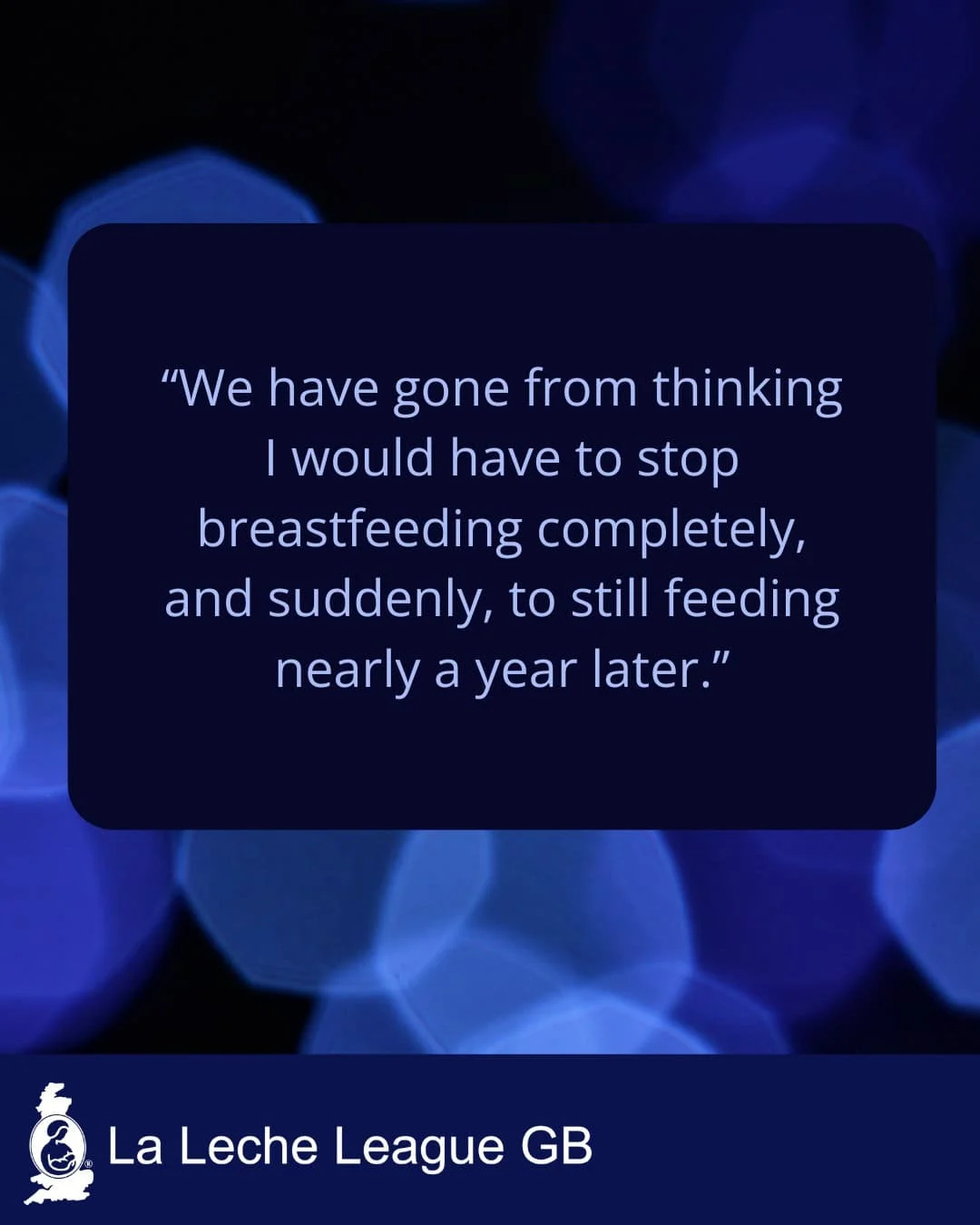
The physical changes, including a noticeable lopsidedness due to one breast having undertaken the vast majority of feeding for nearly a year, are a testament to her journey. However, the overarching success story is the transition from an initial prognosis that suggested complete cessation of breastfeeding to nearly a year of continued nursing.
Medical Perspectives on Breast Trauma and Lactation
Cases of severe breast trauma in lactating women, particularly those requiring extensive drainage and posing a risk to ongoing lactation, are relatively rare in published medical literature. This scarcity of data can make it challenging for healthcare providers to establish standardized protocols. Typically, the primary concern in trauma is life preservation and injury stabilization. Once stable, the focus shifts to organ preservation and function. For lactating mothers, this involves balancing the need for tissue healing with the physiological demands and benefits of breastfeeding.
Medical professionals generally aim to preserve lactation where possible, understanding its profound benefits for infant health and maternal well-being. However, in instances of severe trauma, such as extensive hematoma, seroma, or potential infection, the medical advice might lean towards suppressing lactation to facilitate healing and reduce complications. The "wait-and-see" approach adopted by the consultant in this case exemplifies a patient-centered model of care, where the mother’s desire to continue breastfeeding was respected, and medical interventions were tailored to monitor and manage the injury while supporting lactation. This required careful clinical judgment, repeated monitoring, and close collaboration with the patient.
The Broader Implications: Support and Advocacy
The anonymous mother’s story serves as a powerful testament to the resilience of the human body, the unwavering commitment of a mother to her child’s well-being, and the critical importance of individualized, empathetic medical care. It underscores that even in the face of daunting injuries and challenging prognoses, continued breastfeeding may be possible with appropriate medical management and persistent effort.
This experience offers invaluable insights for both healthcare providers and lactating mothers who might encounter similar, rare circumstances. It highlights the need for:
- Enhanced awareness: Medical professionals in emergency and trauma settings should be aware of the unique considerations for lactating mothers and the potential impact of injuries on breastfeeding.
- Specialized consultation: Early referral to breast specialists and lactation consultants can provide comprehensive care that balances trauma recovery with lactation support.
- Patient advocacy: Mothers need to feel empowered to advocate for their breastfeeding goals and to seek second opinions or alternative management strategies when faced with a difficult prognosis.
- Support networks: Organizations like La Leche League (LLLGB), which provide information and support for breastfeeding mothers, play a crucial role in helping individuals navigate unusual challenges and connect with shared experiences. The original article’s inclusion on the LLLGB website further amplifies this message of support.
The journey from a devastating car crash to sustained breastfeeding nearly a year later is a remarkable one. It demonstrates that while challenges may be immense and medical pathways uncertain, hope for continued breastfeeding can indeed exist. The consultant’s flexible, wait-and-see approach was instrumental in allowing this mother and her daughter to continue enjoying many more months of happy breastfeeding, proving that with determination and the right support, even severe obstacles can be overcome. This account enriches the understanding of trauma-informed lactation care and reinforces the profound value of preserving the breastfeeding relationship whenever medically feasible.
