

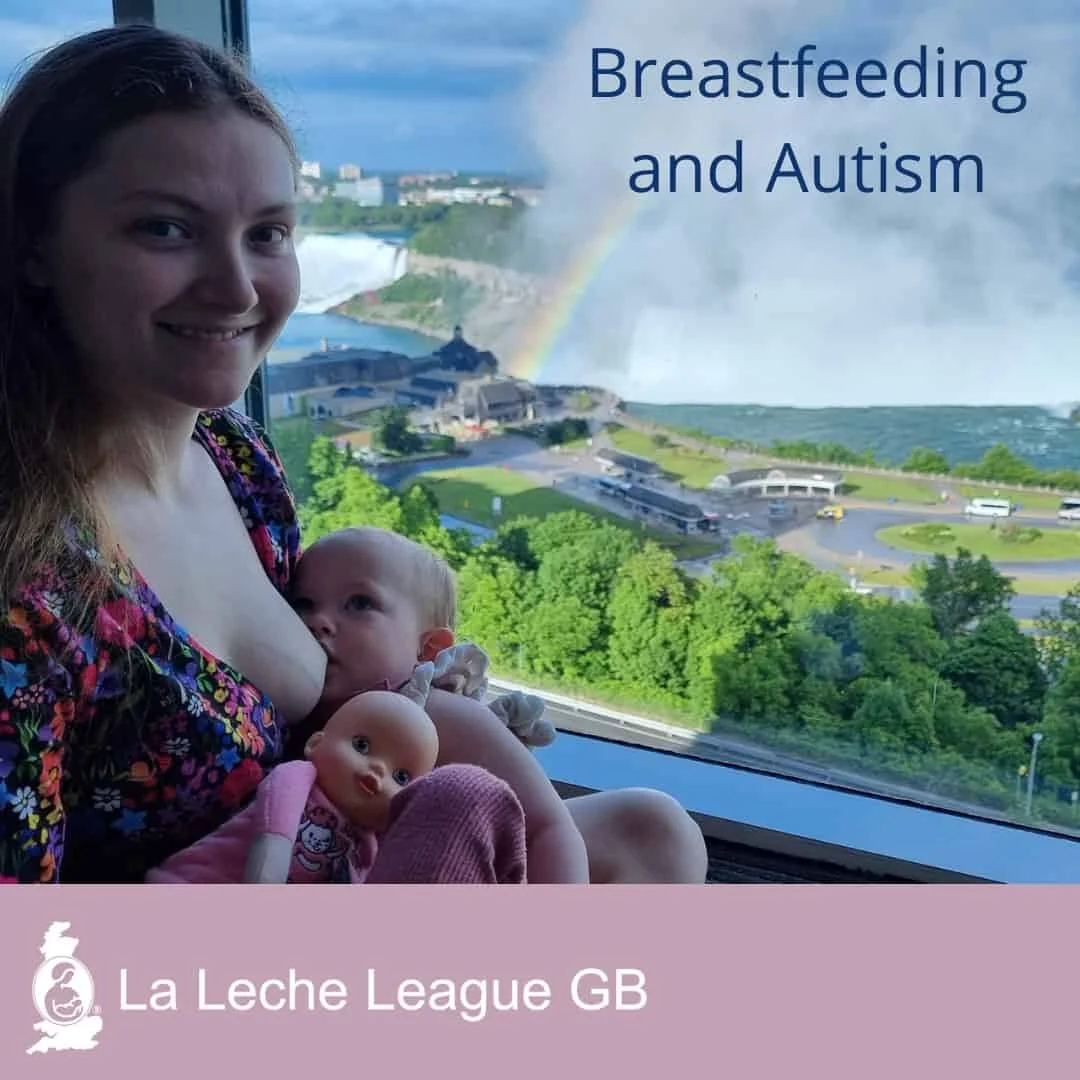
Autism, a complex neurodevelopmental difference, profoundly shapes an individual’s experience of the world and communication, presenting unique considerations within the intimate journey of breastfeeding. Often described as neurodivergent, autistic individuals exhibit a wide spectrum of abilities and challenges, which can fluctuate significantly depending on their environment and specific circumstances. This dynamic reality underscores the critical need for tailored support systems, particularly within maternal and child health, as a growing number of autistic women choose to breastfeed, and many breastfed children are identified as autistic. Understanding and accommodating these diverse needs is paramount to fostering positive and empowering breastfeeding experiences for all families.
Understanding Autism: A Contemporary Perspective
Autism Spectrum Disorder (ASD) is characterized by differences in social communication and interaction, alongside restricted or repetitive patterns of behavior, interests, or activities. However, the term "spectrum" emphasizes the vast heterogeneity among autistic individuals. While traditional diagnostic criteria often focused on challenges, a modern neurodiversity-affirming perspective recognizes autism as a natural variation of human brain development, highlighting unique strengths and ways of experiencing the world. This shift in understanding is crucial for healthcare providers and support networks to move beyond a deficit-based model and instead embrace individualized, strengths-based approaches.
The prevalence of autism diagnoses has been steadily rising globally, partly due to increased awareness and refined diagnostic tools. In England, for instance, an estimated 0.82% of the population is formally diagnosed as autistic. However, this figure likely represents a significant underestimation, with research suggesting that up to 72% of the autistic population in England may remain undiagnosed, particularly among women. Autistic women often present differently than autistic men, frequently employing "masking" — a conscious or unconscious suppression of autistic traits to conform to neurotypical social expectations. This masking can lead to misdiagnosis or delayed diagnosis, often well into adulthood or even after becoming parents, leaving them without the necessary understanding and support for their unique needs during critical life stages like pregnancy and postpartum.
Breastfeeding for Autistic Parents: Strengths and Challenges

The journey of breastfeeding for autistic women and other autistic parents is characterized by a unique interplay of potential strengths and additional challenges that demand nuanced and individualized support. The high rate of undiagnosed autism means that many parents navigating maternity care and breastfeeding support may not even be aware of their neurodivergence, making it even more vital for healthcare providers to adopt universal design principles and flexible approaches.
Navigating Maternity Care and Support Systems
Autistic parents often face systemic barriers when accessing standard maternity care and breastfeeding support. Traditional healthcare environments, with their often-unpredictable routines, bright lights, loud noises, and multiple care providers, can be overwhelming and contribute to sensory overload. Communication styles prevalent in healthcare settings, which might rely heavily on implicit social cues, rapid-fire questioning, or indirect language, can be challenging for autistic individuals who often benefit from clear, direct, and explicit information. Furthermore, the inherent anxiety associated with new social situations or phone calls can prevent autistic parents from reaching out to national helplines or local support groups, leading to feelings of isolation and unsupported struggles. The higher rates of Post-Traumatic Stress Disorder (PTSD) reported within the autistic community, often linked to previous negative healthcare experiences, further underscore the need for sensitive, trauma-informed care that prioritizes patient autonomy and comfort. Organizations like LLLGB are responding to these needs by offering alternative communication methods, such as written help forms, to bridge accessibility gaps.
The Empowering Aspects of Breastfeeding
Despite potential challenges, many autistic women find profound positives in the act of breastfeeding. For some, it offers a predictable and quiet ritual, a protected time to sit, rest, and connect with their baby away from external stimuli. This structured routine can be deeply calming and enjoyable, providing a sense of control and empowerment. Autistic individuals often possess exceptional abilities in focused research and independent information gathering. This strength means that those who decide to breastfeed are likely to be thoroughly informed and highly determined, approaching the experience with a deep understanding and commitment that can be a significant asset in overcoming obstacles.
Communication Differences and Adaptations
Communication differences are a hallmark of autism, varying widely from person to person and even situationally for the same individual. Some autistic people may experience situational mutism, where they lose the ability to speak verbally in certain overwhelming or stressful contexts, despite being able to communicate verbally at other times. For effective support, healthcare professionals and support persons should employ a diverse range of communication methods. This includes offering options for written or typed communication (e.g., on a phone or tablet), utilizing visual aids like picture cards, employing sign language, or allowing the presence of a trusted support person to facilitate communication. Clear, unambiguous language, avoiding idioms or sarcasm, and providing information in a structured, step-by-step manner can significantly enhance understanding and reduce anxiety.
Sensory Processing Differences: A Critical Consideration
Sensory processing differences are central to the autistic experience and can significantly impact breastfeeding. Autistic individuals may experience senses (touch, taste, smell, sight, sound) with heightened intensity (hypersensitivity) or reduced awareness (hyposensitivity).
- Touch: Nipple sensitivity, discomfort with a baby’s squirming or rooting, aversion to the wetness of milk or the sticky sensation after a feed, or even the texture of clothing during feeding can be profoundly uncomfortable. Conversely, some may seek out deep pressure or specific tactile sensations.
- Sound: The sounds of a baby feeding (sucking, gulping), crying, or even ambient noises in a room can be overwhelming.
- Sight: Bright lights, visual clutter in a room, or even direct eye contact can be distracting or distressing.
- Smell/Taste: The smell of breast milk, body odor, or even perfumes worn by others can be intense.
To support an autistic parent, it is crucial to create a sensory-friendly environment. This might involve dimming lights, ensuring a quiet space, using noise-cancelling headphones, offering specific textures for comfort, and minimizing strong smells. Respecting personal space and preferences for touch is also vital. Healthcare providers should be mindful of these sensory needs, offering flexible positions, allowing for breaks, and proactively asking about sensory comfort.

Key Support Strategies for Autistic Parents
When supporting an autistic parent with breastfeeding, several mindful approaches can foster a positive experience:
- Individualized Care Plans: Recognize that "if you’ve met one autistic person, you’ve met one autistic person." Support must be highly individualized.
- Clear, Direct Communication: Provide information explicitly, in writing where possible, and avoid assumptions.
- Sensory Accommodation: Offer options for lighting, sound, temperature, and tactile comfort. Ask about sensory preferences.
- Predictability and Structure: Prepare parents for what to expect during appointments or group sessions, providing visual schedules or detailed agendas.
- Flexibility in Access: Offer diverse methods of support, including online forums, text-based communication, one-on-one sessions, or allowing a trusted companion.
- Respecting Autonomy: Empower the parent to make decisions about their body and their child’s feeding, providing information without pressure.
- Trauma-Informed Approach: Be aware of potential past negative healthcare experiences and strive to create a safe, respectful environment.
Breastfeeding an Autistic Child: Unique Dynamics and Support Needs
While adult autism diagnoses are gaining more recognition, autism diagnosis rates in children have been steadily increasing, leading to a greater understanding of how neurodivergence can impact early childhood experiences, including feeding. The World Health Organization (WHO) recommends breastfeeding for two years and beyond, with the natural age of weaning estimated to be between 2.5 and 7 years. For children who are autistic or suspected of being neurodivergent, breastfeeding may hold particular significance, offering unique benefits alongside specific support needs and considerations for parents.
Sensory Differences in Autistic Children and Feeding
Autistic children often process sensory input differently, which can profoundly influence their feeding behaviors. They may be hypersensitive or hyposensitive to various sensory experiences, leading them to either intensely seek or actively avoid certain sensations.
- Regulation: Breastfeeding can serve as a powerful self-regulation tool for an autistic child. The familiar rhythm, closeness, warmth, and suckling action can provide profound comfort and help manage overwhelming sensory input from their environment. When a child feels overwhelmed in a busy, loud, or unfamiliar place, breastfeeding can be a grounding and calming refuge.
- Aversion: Conversely, sensory sensitivities can make feeding challenging. The temperature of the room, the texture of a parent’s clothing, certain smells, or even the internal sensations of hunger or fullness might make a child reluctant to feed. Parents may need to adjust the feeding environment to reduce or avoid the sensory input the child finds distressing. This might involve finding a quiet, dimly lit space, ensuring comfortable clothing, or offering a consistent feeding routine.
- Feeding Frequency: Sensory differences can lead to varied feeding patterns. Some autistic children may seek frequent breastfeeding to regulate themselves, finding comfort and predictability in the act. Others might feed less often if external sensory input is too distracting or overwhelming, or if they struggle with interoception (the ability to sense internal bodily states like hunger).
"High Needs" Babies and Parental Self-Care
Many babies and children, particularly those who are neurodivergent, may be described as "high needs." This term often refers to an intense, persistent need for closeness, physical contact, and comfort from their primary caregiver. While such a need is normal and expected for infants, it can be particularly pronounced in neurodivergent children. This heightened need for co-regulation can be physically and emotionally demanding for parents.
Recognizing and addressing parental burnout is critical. Parents of "high needs" children require significant support to maintain their well-being. This includes seeking practical assistance from family and friends, connecting with like-minded communities, and prioritizing self-care activities whenever possible. Online forums, local support groups, and professional counseling can provide invaluable resources and a sense of shared experience, mitigating feelings of isolation.

Feeding Patterns, Boundaries, and Weaning in Autistic Children
The journey of feeding, setting boundaries, and eventually weaning can present unique complexities when parenting an autistic child. Many parents of autistic toddlers find frequent feeding challenging and express a strong need for more information and support regarding weaning.
- Weaning Challenges: Weaning can be particularly difficult for autistic children due to a confluence of factors:
- Sensory Issues: Aversions to the textures, tastes, smells, or appearances of solid foods can make transitioning away from breast milk challenging.
- Communication Differences: Explaining the concept of weaning or setting boundaries can be difficult if the child has limited verbal communication or struggles with abstract concepts.
- Co-regulation: Breastfeeding may be a primary method for the child to regulate emotions, manage sensory input, and find comfort, making separation from it emotionally taxing.
- Interoception Difficulties and Food Choices: Some autistic individuals, both children and adults, experience interoception difficulties, meaning they struggle to accurately interpret internal bodily signals such as hunger, thirst, or fullness. This can lead to irregular eating patterns, overeating, or undereating. Furthermore, as children grow, they may develop specific aversions to certain solid foods based on texture, taste, smell, or sight, leading to a restricted diet and an increased reliance on breastfeeding for nutrition and comfort.
- Navigating Weaning Approaches: Parents of autistic children adopt various approaches to weaning:
- Self-Weaning: Many mothers continue to breastfeed until their child naturally outgrows the need, a process known as "self-weaning."
- Responsive Feeding: Others continue to breastfeed older children responsively, or "on demand," allowing the child to dictate feeding frequency.
- Gentle Boundaries: Some parents choose to implement gentle boundaries, limiting the number or length of feeds, or specifying when and where breastfeeding takes place.
- Full Cessation: Other parents may decide to stop breastfeeding altogether due to personal choice, fatigue, or other factors.
Continuing to breastfeed into toddlerhood and beyond offers a range of benefits for both mother and child, including continued nutritional support, which can be especially important if a child’s diet is limited due to sensory issues. For mothers seeking to place boundaries or limit breastfeeding, LLL Leaders offer invaluable support and information about age-appropriate weaning strategies. This can involve:
- Visual Cues and Social Stories: Using visual schedules, "first-then" boards, or social stories to prepare the child for changes in feeding routines.
- Distraction and Alternative Comforts: Offering engaging activities, cuddles, or special comfort objects as alternatives to breastfeeding.
- Gradual Reduction: Slowly decreasing feeding frequency or duration to allow the child to adjust.
- Clear Communication: Using simple, direct language to explain boundaries, even if the child is non-verbal, as understanding can transcend spoken words.
- Collaboration with Specialists: Working with occupational therapists, feeding specialists, or speech and language therapists to address sensory-based food aversions and develop strategies for introducing solid foods.
Implications for Healthcare and Societal Support
The insights gleaned from understanding breastfeeding within the autistic community underscore a broader imperative for healthcare systems to embrace neurodiversity-affirming care. This involves a fundamental shift in perspective, moving from an expectation that autistic individuals must adapt to existing systems, to a commitment by systems to adapt to the diverse needs of autistic individuals.
Healthcare professionals, including midwives, lactation consultants, and pediatricians, require comprehensive training on autism and sensory processing differences. This education should encompass effective communication strategies, environmental modifications, and an appreciation for the unique strengths and challenges autistic parents and children bring to the breastfeeding experience. Policy makers must also advocate for funding and resources to develop accessible support services, including peer support networks, online resources, and one-on-one specialist care that can cater to specific communication and sensory needs.
Ultimately, the goal is to ensure that all families, regardless of neurotype, receive equitable, compassionate, and effective support throughout their breastfeeding journey. By fostering understanding, empathy, and adaptability, society can empower autistic parents to achieve their breastfeeding goals and support autistic children in thriving, acknowledging and celebrating the rich tapestry of human diversity.

Written by Emily Lunny, November 2023. Review due November 2026.
Photos courtesy of Sophie Burrows and Emily Lunny.
Further Reading
- Dysphoric Milk Ejection Reflex (D-MER)
- Still Nursing after 1 year
- Supporting a breastfeeding mother
- Weaning from the breast
Online Information
- Maternity Autism Research Group (MARG)
References
[1] O’Nions, E. et al., 2023
[2] Hampton, S. et al., 2021
[3] Hampton, S. et al., 2021
[4] Grant, A. et al. 2022
[5] Rumball, F., Happé, F. and Grey, N., 2020
[6] Grant, A. et al., 2022
[7] Crane, L. et al., 2018
[8] Dettwyler, K.A., 1999
Copyright LLLGB 2023
