

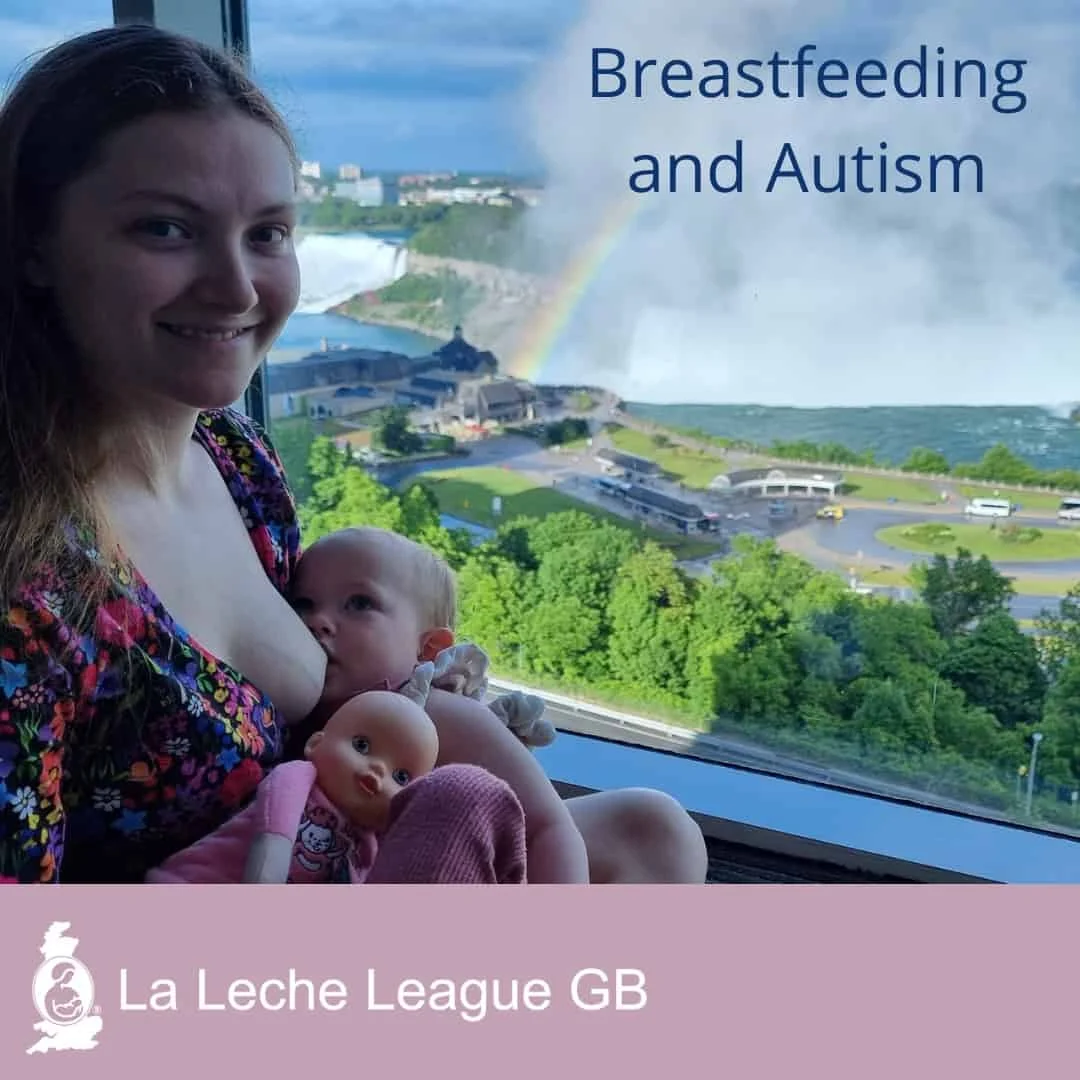
The landscape of maternity and early parenthood is inherently complex, a journey that presents a unique array of challenges and triumphs. For autistic individuals, whether they are the parents embarking on this journey or the children being nurtured, these experiences are further nuanced by neurodevelopmental differences. Autism, understood as a neurodivergent condition, influences how an individual perceives, interacts with, and communicates about the world. This article explores the specific considerations, strengths, and challenges at the intersection of autism and breastfeeding, advocating for tailored support and a deeper understanding within healthcare systems.
Understanding Autism and Its Impact on Parenthood
Autism Spectrum Condition (ASC) is characterized by differences in social communication and interaction, as well as restricted, repetitive patterns of behavior, interests, or activities. However, it’s crucial to recognize that autism presents as a spectrum, meaning experiences vary widely from person to person. An autistic individual’s abilities and challenges can also fluctuate significantly depending on their environment and current circumstances. The shift from viewing autism as a disorder to a form of neurodiversity has profoundly reshaped approaches to support, emphasizing accommodation and understanding rather than attempts at "normalization."
For many autistic women and parents, the decision to have children and breastfeed is a personal one, often approached with a unique set of strengths and potential obstacles. The latest estimates suggest that approximately 0.82% of the population in England are formally diagnosed as autistic. However, a striking figure reveals that up to 72% of the autistic population in England may remain undiagnosed, particularly among women. This significant underdiagnosis has profound implications for healthcare provision, as many parents requiring neurodivergent-informed support may not have a formal diagnosis or even be aware of their own autistic traits. This diagnostic gap means that standard maternity and breastfeeding care, which is often designed for neurotypical individuals, may inadvertently fail to meet the specific needs of a substantial portion of the parent population. Recognizing this silent demographic is the first step towards truly inclusive care.
The Breastfeeding Journey for Autistic Parents
The experience of pregnancy, childbirth, and the postpartum period can be overwhelming for any new parent. For autistic individuals, these stages can be intensified by sensory sensitivities, communication differences, and difficulties navigating unfamiliar social situations or rigid healthcare protocols. Autistic women and parents may require highly individualized support, as conventional methods of accessing care—such as attending large group sessions or making phone calls—can be significant barriers. Many autistic individuals employ "masking," a coping mechanism where they suppress their natural behaviors to conform to neurotypical expectations, even when struggling and in dire need of help. This masking can make it incredibly difficult for healthcare providers to identify their true support needs.
Positive Aspects of Breastfeeding for Autistic Parents
Despite the potential challenges, many autistic parents report finding profound positive experiences in breastfeeding. The act itself can provide a sense of calm and quiet, offering a protected time for rest and connection. For some, the rhythmic, repetitive nature of breastfeeding can be deeply regulating and meditative, acting as a welcome anchor in the often chaotic early days of parenthood. The intimacy and predictability of feeding sessions can foster a strong bond with their infant, providing a sense of empowerment and agency.
Furthermore, autistic individuals often possess remarkable strengths in research and information gathering. Those who choose to breastfeed frequently immerse themselves in understanding the nuances of lactation, latch, and infant cues. This dedication often translates into a high degree of determination and perseverance, equipping them with a robust knowledge base that can be a significant asset in overcoming difficulties. Their methodical approach to learning can make them highly informed and proactive participants in their own healthcare decisions.
Communication Differences and Accessing Support
Communication is a cornerstone of effective healthcare, yet it often presents a significant hurdle for autistic parents. Some autistic individuals experience situational mutism, where they may be unable to speak verbally in certain high-stress or unfamiliar environments, even if they are typically verbal. This can severely limit their ability to articulate their needs or ask for help in clinical settings or support groups.
To bridge these communication gaps, healthcare providers and support organizations must adopt flexible and diverse communication strategies. Offering options such as written communication (e.g., help forms, text messages, emails), visual aids (picture cards, diagrams), or allowing a trusted support person to advocate on their behalf can dramatically improve accessibility. La Leche League Great Britain (LLLGB), for instance, provides a written Help Form, recognizing that phone calls can be a major source of anxiety for many. Creating environments where autistic parents feel safe to communicate in their preferred manner is paramount to ensuring they receive the support they need.
Sensory Differences and Breastfeeding

One of the most pervasive aspects of autism is sensory processing differences. Autistic individuals may experience senses—sight, sound, touch, taste, and smell—with heightened intensity (hypersensitivity) or reduced intensity (hyposensitivity). These differences can profoundly impact the breastfeeding experience.
- Touch: A hypersensitivity to touch might make the feeling of a baby latching or suckling uncomfortable, or even painful, beyond typical nipple tenderness. Conversely, hyposensitivity might mean a parent struggles to feel the baby’s subtle cues or the milk let-down. The texture of clothing, breastfeeding pillows, or even the baby’s skin could be overwhelming.
- Sound: A baby’s cries, suckling noises, or the general ambient sounds of a busy clinic or support group can be intensely distracting or distressing for someone with auditory hypersensitivity, making it difficult to focus on feeding or advice.
- Smell: The natural scent of a baby, breast milk, or even the lotions and perfumes of others in a support setting can be overwhelming for someone with olfactory sensitivities.
- Sight: Bright lights, cluttered environments, or too much visual stimulation can make it hard to concentrate or feel calm during feeding.
- Taste: While less direct, taste sensitivities can impact diet during lactation, which can indirectly affect milk supply or maternal well-being.
Creating a sensory-friendly environment is crucial. This might involve dimming lights, reducing noise, offering private spaces, minimizing strong scents, and providing comfortable, familiar textures. Healthcare providers should inquire about sensory preferences and make accommodations wherever possible.
Mental Health and Traumatic Experiences
The perinatal period is a vulnerable time for mental health. Autistic individuals have a higher prevalence of Post-Traumatic Stress Disorder (PTSD) compared to neurotypical populations, often stemming from past traumatic experiences, including medical or birth trauma. Experiences of not having control over one’s body or feeling unheard during childbirth can exacerbate existing vulnerabilities and make engaging with subsequent healthcare services, including breastfeeding support, extremely challenging. A compassionate, trauma-informed approach is essential, ensuring that parents feel respected, heard, and empowered in their choices.
Breastfeeding an Autistic Child: Unique Dynamics
While adult autism diagnoses often remain elusive, diagnosis rates among children are steadily increasing, reflecting improved recognition and diagnostic tools. For parents breastfeeding an autistic child, or a child suspected of being neurodivergent, the journey introduces another layer of specific considerations. The World Health Organization (WHO) recommends breastfeeding for two years and beyond, with the natural age of weaning estimated between 2.5 and 7 years. For neurodivergent children, extended breastfeeding can be particularly significant, often serving not only as a source of nutrition but also as a powerful tool for regulation, comfort, and sensory input.
Sensory Differences in Autistic Children and Feeding Patterns
Just as autistic parents experience sensory differences, so too do autistic children. These differences profoundly influence their feeding behaviors and preferences.
- Seeking vs. Avoiding: Some autistic children may seek intense sensory input, leading to frequent breastfeeding, sometimes described as "comfort feeding" or using the breast as a regulatory tool in overwhelming situations (e.g., busy places, loud environments). The tactile input, the rhythm of suckling, and the closeness to a parent can provide a sense of calm and predictability.
- Aversion: Conversely, other autistic children may avoid certain sensory experiences. This could mean they struggle to feed if the room temperature is uncomfortable, if there are distracting sounds or lights, or if they dislike the feeling of certain fabrics against their skin. Parents may observe that their child refuses to feed in specific locations or at particular times due to sensory overload. Identifying and mitigating these sensory triggers is key to successful feeding.
"High Needs" Babies and Intensive Feeding
Many babies are described as "high needs," requiring frequent contact and intensive care. For neurodivergent children, this intensity can be particularly pronounced. They may have an exceptionally strong need for physical closeness and frequent feeds, often beyond what is typically expected. This can be physically and emotionally demanding for parents, underscoring the critical need for robust self-care strategies and a strong support network of family, friends, and understanding communities.
Feeding Patterns, Boundaries, and Weaning Challenges
As autistic children grow into toddlerhood and beyond, their feeding patterns can continue to be unique. Many parents of autistic toddlers report frequent feeding, which, while beneficial for the child, can become physically and emotionally draining for the parent. The conventional advice on weaning often proves insufficient for neurodivergent children due to several factors:
- Sensory Aversions to Solids: Autistic children frequently experience significant sensory processing differences related to food. Textures, tastes, smells, and even the visual appearance of solid foods can trigger strong aversions, leading to highly restricted diets. In such cases, breast milk remains a vital source of nutrition that compensates for dietary gaps.
- Communication Difficulties: Children with communication challenges may struggle to express their needs or discomforts regarding new foods or the process of weaning.
- Regulation: For many autistic children, breastfeeding is a primary means of co-regulation—managing emotions, stress, and sensory input. Removing this coping mechanism can be highly disruptive.
- Interoception Difficulties: Some autistic individuals experience difficulties with interoception, the sense of the internal state of the body. This can mean they struggle to accurately perceive hunger, thirst, or fullness cues, making responsive feeding and introducing solids more complex. They might overeat, undereat, or not recognize satiety.
Given these complexities, weaning an autistic child requires patience, flexibility, and often a non-linear approach. LLL Leaders and other lactation professionals can provide invaluable support in navigating gentle boundaries, responsive weaning, or continued nursing. Options for parents wishing to introduce boundaries might include:
- Gradual Reduction: Slowly decreasing the frequency or duration of feeds.
- Time and Place Restrictions: Limiting breastfeeding to specific times or locations.
- Offering Alternatives: Providing other comforting activities or foods.
- Visual Schedules: Using visual cues to help the child understand when feeding will occur.
- Verbal Explanations: Simple, clear explanations (if the child is receptive).
Continuing to breastfeed into toddlerhood and beyond offers significant nutritional, immunological, and emotional benefits for both the child and the parent, especially when a child’s diet is limited due to sensory issues. However, the parent’s well-being is equally paramount, and support for setting gentle boundaries or choosing to stop breastfeeding is crucial.

Building Inclusive Support Systems and Future Implications
The insights gained from the experiences of autistic parents and parents of autistic children highlight an urgent need for healthcare systems to evolve. Inclusive care demands more than just awareness; it requires proactive implementation of neurodivergent-informed practices.
- Training for Professionals: Healthcare providers, including obstetricians, midwives, lactation consultants, and peer support volunteers, require comprehensive training on autism and neurodiversity. This training should cover communication strategies, sensory accommodations, trauma-informed care, and the diverse presentations of autism.
- Accessible Environments: Maternity wards, clinics, and breastfeeding support groups must become more sensory-friendly. This includes considerations for lighting, noise levels, private spaces, and clear, visual navigation aids.
- Flexible Support Options: Offering a variety of communication methods (written, visual, verbal with support), individual appointments, and virtual support can significantly improve accessibility.
- Recognition of Undiagnosed Autism: Healthcare providers should be aware of the high rates of undiagnosed autism, particularly in women, and be prepared to offer individualized, neurodiversity-affirming care even without a formal diagnosis.
- Collaborative Research: Continued research, such as that conducted by the Maternity Autism Research Group (MARG), is essential to deepen our understanding and develop evidence-based best practices.
The journey of breastfeeding, whether as an autistic parent or with an autistic child, is rich with unique dynamics. By embracing neurodiversity, fostering empathy, and implementing inclusive practices, we can ensure that all families receive the compassionate, tailored support they deserve, enabling them to navigate this profound experience with confidence and success. The future of maternal and child healthcare must be one that celebrates and accommodates the full spectrum of human experience.
Written by Emily Lunny, November 2023. Review due November 2026. Photos courtesy of Sophie Burrows and Emily Lunny. Copyright LLLGB 2023.
Further Reading:
- Dysphoric Milk Ejection Reflex (D-MER)
- Still Nursing after 1 year
- Supporting a breastfeeding mother
- Weaning from the breast
Online Information:
- Maternity Autism Research Group (MARG)
References:
[1] O’Nions, E. et al., 2023
[2] Hampton, S. et al., 2021
[3] Hampton, S. et al., 2021
[4] Grant, A. et al. 2022
[5] Rumball, F., Happé, F. and Grey, N., 2020
[6] Grant, A. et al., 2022
[7] Crane, L. et al., 2018
[8] Dettwyler, K.A., 1999
Navigating Breastfeeding: Unique Considerations for Autistic Parents and Children
The landscape of maternity and early parenthood is inherently complex, a journey that presents a unique array of challenges and triumphs. For autistic individuals, whether they are the parents embarking on this journey or the children being nurtured, these experiences are further nuanced by neurodevelopmental differences. Autism, understood as a neurodivergent condition, influences how an individual perceives, interacts with, and communicates about the world. This article explores the specific considerations, strengths, and challenges at the intersection of autism and breastfeeding, advocating for tailored support and a deeper understanding within healthcare systems.
Understanding Autism and Its Impact on Parenthood
Autism Spectrum Condition (ASC) is characterized by differences in social communication and interaction, as well as restricted, repetitive patterns of behavior, interests, or activities. However, it’s crucial to recognize that autism presents as a spectrum, meaning experiences vary widely from person to person. An autistic individual’s abilities and challenges can also fluctuate significantly depending on their environment and current circumstances. The shift from viewing autism as a disorder to a form of neurodiversity has profoundly reshaped approaches to support, emphasizing accommodation and understanding rather than attempts at "normalization." This contemporary perspective acknowledges that neurodivergent ways of experiencing the world are valid and simply different, not inherently deficient.
For many autistic women and parents, the decision to have children and breastfeed is a personal one, often approached with a unique set of strengths and potential obstacles. The latest estimates suggest that approximately 0.82% of the population in England are formally diagnosed as autistic. However, a striking figure reveals that up to 72% of the autistic population in England may remain undiagnosed, particularly among women. This significant underdiagnosis has profound implications for healthcare provision, as many parents requiring neurodivergent-informed support may not have a formal diagnosis or even be aware of their own autistic traits. This diagnostic gap means that standard maternity and breastfeeding care, which is often designed for neurotypical individuals, may inadvertently fail to meet the specific needs of a substantial portion of the parent population. Recognizing this silent demographic is the first step towards truly inclusive care, ensuring that support is proactive and adaptable rather than reactive to a formal label. Globally, autism prevalence is estimated to be around 1-2% of the population, and the issue of underdiagnosis in adults, especially women, is a widespread concern that impacts access to appropriate services.
The Breastfeeding Journey for Autistic Parents
The experience of pregnancy, childbirth, and the postpartum period can be overwhelming for any new parent. For autistic individuals, these stages can be intensified by sensory sensitivities, communication differences, and difficulties navigating unfamiliar social situations or rigid healthcare protocols. Autistic women and parents may require highly individualized support, as conventional methods of accessing care—such as attending large group sessions or making phone calls—can be significant barriers. Many autistic individuals employ "masking," a coping mechanism where they suppress their natural behaviors to conform to neurotypical expectations, even when struggling and in dire need of help. This masking can make it incredibly difficult for healthcare providers to identify their true support needs, often leading to burnout and delayed intervention.

Positive Aspects of Breastfeeding for Autistic Parents
Despite the potential challenges, many autistic parents report finding profound positive experiences in breastfeeding. The act itself can provide a sense of calm and quiet, offering a protected time for rest and connection. For some, the rhythmic, repetitive nature of breastfeeding can be deeply regulating and meditative, acting as a welcome anchor in the often chaotic early days of parenthood. The intimacy and predictability of feeding sessions can foster a strong bond with their infant, providing a sense of empowerment and agency. This controlled, predictable interaction can be a stark contrast to the often unpredictable and overwhelming external world.
Furthermore, autistic individuals often possess remarkable strengths in research and information gathering. Those who choose to breastfeed frequently immerse themselves in understanding the nuances of lactation, latch, and infant cues. This dedication often translates into a high degree of determination and perseverance, equipping them with a robust knowledge base that can be a significant asset in overcoming difficulties. Their methodical approach to learning can make them highly informed and proactive participants in their own healthcare decisions, often becoming experts in their own and their child’s unique needs.
Communication Differences and Accessing Support
Communication is a cornerstone of effective healthcare, yet it often presents a significant hurdle for autistic parents. Some autistic individuals experience situational mutism, where they may be unable to speak verbally in certain high-stress or unfamiliar environments, even if they are typically verbal. This can severely limit their ability to articulate their needs or ask for help in clinical settings or support groups, particularly when feeling vulnerable or overwhelmed. The pressure of direct verbal interaction can be paralyzing.
To bridge these communication gaps, healthcare providers and support organizations must adopt flexible and diverse communication strategies. Offering options such as written communication (e.g., help forms, text messages, emails), visual aids (picture cards, diagrams), or allowing a trusted support person to advocate on their behalf can dramatically improve accessibility. La Leche League Great Britain (LLLGB), for instance, provides a written Help Form, recognizing that phone calls can be a major source of anxiety for many. Creating environments where autistic parents feel safe to communicate in their preferred manner, without judgment or pressure, is paramount to ensuring they receive the support they need. This proactive approach to communication acknowledges neurodiversity as a fundamental aspect of human variation.
Sensory Differences and Breastfeeding
One of the most pervasive aspects of autism is sensory processing differences. Autistic individuals may experience senses—sight, sound, touch, taste, and smell—with heightened intensity (hypersensitivity) or reduced intensity (hyposensitivity). These differences can profoundly impact the breastfeeding experience:
- Touch: A hypersensitivity to touch might make the feeling of a baby latching or suckling uncomfortable, or even painful, beyond typical nipple tenderness. The sensation of milk let-down or engorgement could be intensely distressing. Conversely, hyposensitivity might mean a parent struggles to feel the baby’s subtle cues or the milk let-down, impacting responsiveness. The texture of clothing, breastfeeding pillows, or even the baby’s skin could be overwhelming or irritating.
- Sound: A baby’s cries, suckling noises, or the general ambient sounds of a busy clinic or support group can be intensely distracting or distressing for someone with auditory hypersensitivity, making it difficult to focus on feeding or advice. Loud environments can quickly lead to sensory overload.
- Smell: The natural scent of a baby, breast milk, or even the lotions and perfumes of others in a support setting can be overwhelming for someone with olfactory sensitivities, potentially triggering nausea or aversion.
- Sight: Bright lights, cluttered environments, or too much visual stimulation can make it hard to concentrate or feel calm during feeding. Conversely, some may seek specific visual patterns or a highly structured visual field.
- Taste: While less direct, taste sensitivities can impact diet during lactation, which can indirectly affect milk supply or maternal well-being if food choices become too restricted.
Creating a sensory-friendly environment is crucial. This might involve dimming lights, reducing noise, offering private spaces, minimizing strong scents, and providing comfortable, familiar textures. Healthcare providers should proactively inquire about sensory preferences and make accommodations wherever possible, recognizing that what is soothing for one individual might be distressing for another.
Mental Health and Traumatic Experiences
The perinatal period is a vulnerable time for mental health. Autistic individuals have a higher prevalence of Post-Traumatic Stress Disorder (PTSD) compared to neurotypical populations, often stemming from past traumatic experiences, including medical or birth trauma. Studies indicate that autistic women are significantly more likely to report negative or traumatic birth experiences. Experiences of not having control over one’s body or feeling unheard during childbirth can exacerbate existing vulnerabilities and make engaging with subsequent healthcare services, including breastfeeding support, extremely challenging. A compassionate, trauma-informed approach is essential, ensuring that parents feel respected, heard, and empowered in their choices. This requires healthcare providers to be mindful of past experiences and create a safe, predictable environment that minimizes triggers and maximizes a sense of agency.
Breastfeeding an Autistic Child: Unique Dynamics
While adult autism diagnoses often remain elusive, diagnosis rates among children are steadily increasing, reflecting improved recognition and diagnostic tools and a greater understanding of autism’s varied presentation. For parents breastfeeding an autistic child, or a child suspected of being neurodivergent, the journey introduces another layer of specific considerations. The World Health Organization (WHO) recommends breastfeeding for two years and beyond, with the natural age of weaning estimated between 2.5 and 7 years. For neurodivergent children, extended breastfeeding can be particularly significant, often serving not only as a source of nutrition but also as a powerful tool for regulation, comfort, and sensory input. This can be especially true for children who struggle with other forms of communication or sensory processing.
Sensory Differences in Autistic Children and Feeding Patterns

Just as autistic parents experience sensory differences, so too do autistic children. These differences profoundly influence their feeding behaviors and preferences:
- Seeking vs. Avoiding: Some autistic children may seek intense sensory input, leading to frequent breastfeeding, sometimes described as "comfort feeding" or using the breast as a regulatory tool in overwhelming situations (e.g., busy places, loud environments). The tactile input, the rhythm of suckling, and the closeness to a parent can provide a sense of calm and predictability, helping them to self-regulate when other coping mechanisms are unavailable or insufficient.
- Aversion: Conversely, other autistic children may avoid certain sensory experiences. This could mean they struggle to feed if the room temperature is uncomfortable, if there are distracting sounds or lights, or if they dislike the feeling of certain fabrics against their skin. Parents may observe that their child refuses to feed in specific locations or at particular times due to sensory overload. Identifying and mitigating these sensory triggers is key to successful feeding, often requiring careful observation and adaptation of the feeding environment.
"High Needs" Babies and Intensive Feeding
Many babies are described as "high needs," requiring frequent contact and intensive care. For neurodivergent children, this intensity can be particularly pronounced. They may have an exceptionally strong need for physical closeness and frequent feeds, often beyond what is typically expected. This can be physically and emotionally demanding for parents, underscoring the critical need for robust self-care strategies and a strong support network of family, friends, and understanding communities. Without adequate support, parents of high-needs neurodivergent children can experience significant fatigue and isolation.
Feeding Patterns, Boundaries, and Weaning Challenges
As autistic children grow into toddlerhood and beyond, their feeding patterns can continue to be unique. Many parents of autistic toddlers report frequent feeding, which, while beneficial for the child, can become physically and emotionally draining for the parent. The conventional advice on weaning often proves insufficient for neurodivergent children due to several factors:
- Sensory Aversions to Solids: Autistic children frequently experience significant sensory processing differences related to food. Textures, tastes, smells, and even the visual appearance of solid foods can trigger strong aversions, leading to highly restricted diets. In such cases, breast milk remains a vital source of nutrition that compensates for dietary gaps, ensuring adequate intake of nutrients that might otherwise be missed. This can often delay the introduction of a varied diet.
- Communication Difficulties: Children with communication challenges may struggle to express their needs or discomforts regarding new foods or the process of weaning. This makes it difficult for parents to understand their child’s preferences or distress, hindering a smooth transition.
- Regulation: For many autistic children, breastfeeding is a primary means of co-regulation—managing emotions, stress, and sensory input. Removing this coping mechanism can be highly disruptive, leading to increased anxiety, meltdowns, or difficulty coping with transitions.
- Interoception Difficulties: Some autistic individuals experience difficulties with interoception, the sense of the internal state of the body. This can mean they struggle to accurately perceive hunger, thirst, or fullness cues, making responsive feeding and introducing solids more complex. They might overeat, undereat, or not recognize satiety, requiring external cues or structured feeding times.
Given these complexities, weaning an autistic child requires patience, flexibility, and often a non-linear approach. LLL Leaders and other lactation professionals can provide invaluable support in navigating gentle boundaries, responsive weaning, or continued nursing. Options for parents wishing to introduce boundaries might include:
- Gradual Reduction: Slowly decreasing the frequency or duration of feeds over an extended period.
- Time and Place Restrictions: Limiting breastfeeding to specific, predictable times or locations to create structure.
- Offering Alternatives: Providing other comforting activities, preferred foods, or sensory input to replace the regulatory function of breastfeeding.
- Visual Schedules: Using visual cues, such as "first this, then that" boards, to help the child understand when feeding will occur and what will happen afterward.
- Verbal Explanations: Simple, clear explanations (if the child is receptive) to prepare them for changes.
Continuing to breastfeed into toddlerhood and beyond offers significant nutritional, immunological, and emotional benefits for both the child and the parent, especially when a child’s diet is limited due to sensory issues. However, the parent’s well-being is equally paramount, and support for setting gentle boundaries or choosing to stop breastfeeding is crucial. This decision must be respected and supported, recognizing the intense demands of parenting a neurodivergent child.
Building Inclusive Support Systems and Future Implications
The insights gained from the experiences of autistic parents and parents of autistic children highlight an urgent need for healthcare systems to evolve. Inclusive care demands more than just awareness; it requires proactive implementation of neurodivergent-informed practices. The current model, often designed for the neuromajority, can inadvertently exclude or traumatize neurodivergent individuals, leading to poorer health outcomes and increased disparities.
- Training for Professionals: Healthcare providers, including obstetricians, midwives, lactation consultants, and peer support volunteers, require comprehensive training on autism and neurodiversity. This training should cover communication strategies, sensory accommodations, trauma-informed care, and the diverse presentations of autism, moving beyond outdated stereotypes.
- Accessible Environments: Maternity wards, clinics, and breastfeeding support groups must become more sensory-friendly. This includes considerations for lighting, noise levels, private spaces, and clear, visual navigation aids. Offering virtual support options also significantly reduces barriers related to travel, social anxiety, and sensory overload.
- Flexible Support Options: Offering a variety of communication methods (written, visual, verbal with support), individual appointments, and virtual support can significantly improve accessibility. The option to bring a trusted support person to appointments should be actively encouraged.
- Recognition of Undiagnosed Autism: Healthcare providers should be aware of the high rates of undiagnosed autism, particularly in women, and be prepared to offer individualized, neurodiversity-affirming care even without a formal diagnosis. Screening tools for autistic traits in adults could be integrated into routine maternity care to identify potential needs early.
- Collaborative Research: Continued research, such as that conducted by the Maternity Autism Research Group (MARG), is essential to deepen our understanding and develop evidence-based best practices for supporting neurodivergent families. This research must involve autistic individuals at every stage, ensuring their lived experiences inform solutions.
- Policy Development: Healthcare policies need to be reviewed and updated to explicitly include provisions for neurodivergent individuals, ensuring that individualized care plans and reasonable accommodations are standard practice rather than exceptions.
The journey of breastfeeding, whether as an autistic parent or with an autistic child, is rich with unique dynamics. By embracing neurodiversity, fostering empathy, and implementing inclusive practices, we can ensure that all families receive the compassionate, tailored support they deserve, enabling them to navigate this profound experience with confidence and success. The future of maternal and child healthcare must be one that celebrates and accommodates the full spectrum of human experience, recognizing that true inclusivity benefits everyone.
Written by Emily Lunny, November 2023. Review due November 2026. Photos courtesy of Sophie Burrows and Emily Lunny. Copyright LLLGB 2023.
Further Reading:
- Dysphoric Milk Ejection Reflex (D-MER)
- Still Nursing after 1 year
- Supporting a breastfeeding mother
- Weaning from the breast
Online Information:
- Maternity Autism Research Group (MARG)
References:
[1] O’Nions, E. et al., 2023
[2] Hampton, S. et al., 2021
[3] Hampton, S. et al., 2021
[4] Grant, A. et al. 2022
[5] Rumball, F., Happé, F. and Grey, N., 2020
[6] Grant, A. et al., 2022
[7] Crane, L. et al., 2018
[8] Dettwyler, K.A., 1999
