

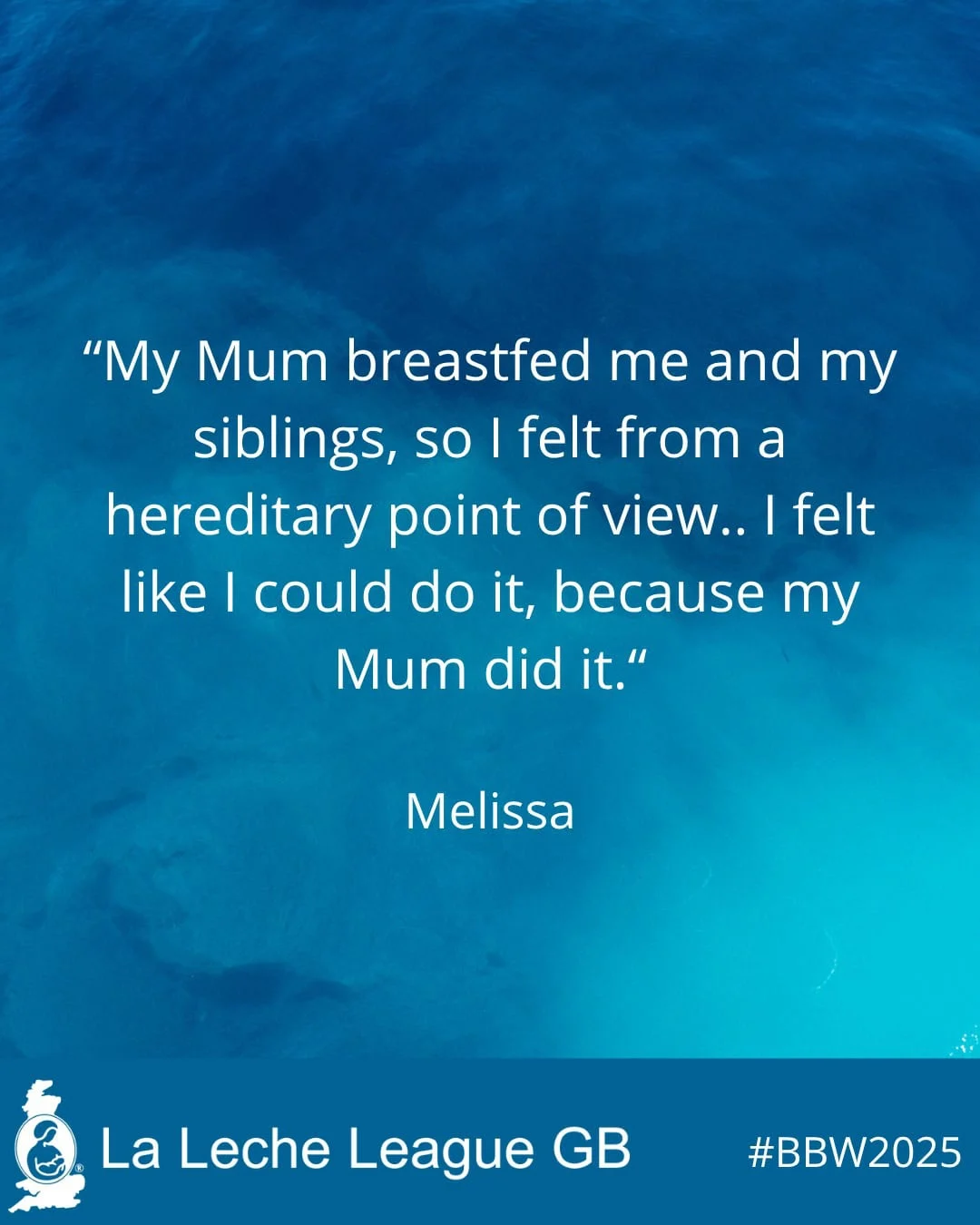
Black Breastfeeding Week, observed annually during the last week of August, serves as a vital platform to amplify the historically underrepresented voices and lived experiences of Black women in the United Kingdom and globally. This crucial initiative aims to address pervasive disparities in breastfeeding rates, foster culturally competent support systems, and promote health equity for Black mothers and infants. In an era where personal narratives are increasingly recognized as powerful tools for connection and advocacy, organizations like La Leche League champion the sharing of individual stories to build a global community of peer support and mutual learning. One such compelling account comes from Melissa, a mother from London, whose reflections offer profound insights into her breastfeeding journey, highlighting the transformative power of a likeminded community.
The Historical Imperative: Understanding Black Breastfeeding Week
Black Breastfeeding Week, founded in the United States in 2012 by a coalition of Black lactation professionals and advocates, emerged from a critical need to address systemic inequities and historical injustices impacting Black families. For centuries, the narrative surrounding Black women and breastfeeding has been complex and often painful. During slavery, Black women were frequently forced to wet-nurse the children of their enslavers, often at the expense of nursing their own infants, creating a deep-seated trauma and disconnect. In the post-slavery era, economic pressures and targeted marketing by formula companies further contributed to a decline in breastfeeding rates within Black communities, often portraying formula feeding as a symbol of modernity and progress. This historical context has left a lasting legacy, contributing to contemporary disparities in breastfeeding initiation and duration among Black mothers compared to their white counterparts.
The establishment of Black Breastfeeding Week was a deliberate act of reclamation and empowerment. Its founders recognized that mainstream breastfeeding campaigns often failed to resonate with Black communities, overlooking their unique cultural contexts, historical burdens, and contemporary challenges within healthcare systems marked by racial bias. The week is dedicated not only to celebrating Black breastfeeding success but also to advocating for policy changes, increasing the number of Black lactation consultants, providing culturally sensitive education, and creating safe, affirming spaces where Black mothers feel seen, heard, and supported. It is a period for critical reflection on the socio-economic, cultural, and systemic barriers that Black women face and for mobilizing collective action to dismantle them.
Melissa’s Journey: A Call for Connection and Support
Melissa’s audio notes, recorded candidly as she walked to soothe her five-month-old, offer a poignant window into the realities of her breastfeeding experience. Her reflections resonate deeply with the broader themes Black Breastfeeding Week seeks to address. When asked why breastfeeding mattered to her, Melissa likely articulated a blend of factors: the profound bonding experience with her child, the recognized health benefits for both mother and infant, and perhaps a personal sense of reclaiming a natural, ancestral practice. For many Black mothers, breastfeeding is not just a physiological act but a powerful connection to heritage and a form of self-determination in the face of historical oppression and contemporary challenges.
Her perceptions of breastfeeding prior to having children, and whether others in her family had breastfed, are critical questions that often unveil a lack of intergenerational knowledge and support. In many Black families, the chain of breastfeeding knowledge and practice was disrupted by historical events and societal pressures. Melissa might have described a landscape where formula feeding was the norm, or where breastfeeding was rarely discussed openly, leading to a sense of isolation or unpreparedness when she embarked on her own journey. This lack of visible role models and open dialogue underscores the need for initiatives like Black Breastfeeding Week to normalize and celebrate breastfeeding within Black communities.
The attitudes of friends and family often significantly shape a mother’s feeding choices. Melissa’s experience likely reflects a spectrum of responses, from unwavering support to skepticism, judgment, or simply a lack of understanding. Societal norms, cultural beliefs, and even internalized biases can influence how a new mother’s breastfeeding journey is perceived. Navigating these varied reactions requires resilience and, crucially, a strong support network. Melissa’s account would illuminate how crucial it is for mothers to have allies who understand and respect their choices, rather than facing pressure to conform to alternative feeding methods.
Melissa’s candid reflection on what she wished she had known before embarking on her feeding journey, and the barriers she faced, touches upon universal breastfeeding challenges amplified by specific racial disparities. These barriers often include a lack of accessible, accurate information, insufficient support from healthcare providers who may lack cultural competence or exhibit implicit bias, and the pervasive societal pressures that make breastfeeding in public or returning to work challenging. For Black mothers, these challenges are compounded by higher rates of maternal morbidity and mortality, making trust in the healthcare system a significant hurdle. She might have spoken about difficulties with latch, managing pain, navigating societal expectations, or the sheer exhaustion that comes with round-the-clock nursing. These struggles, though personal, are often systemic in origin, reflecting gaps in education, healthcare provision, and workplace policies.
Crucially, Melissa’s identification of useful sources of help and support highlights the critical role of organizations like La Leche League, Black lactation consultants, and culturally specific peer groups. These resources offer not just practical advice but also emotional validation and a sense of belonging. The final question, "How have you built your supportive community?", gets to the heart of Black Breastfeeding Week’s mission. Melissa’s answer undoubtedly emphasizes the intentional search for spaces where her experiences were understood, where she felt empowered, and where she could connect with other mothers who shared similar cultural backgrounds and challenges. This building of a "likeminded community" is not merely about personal preference; it is a strategic response to systemic isolation and a vital component of maternal well-being and infant health.
Data Illuminates Disparities and the Need for Action
The lived experiences like Melissa’s are starkly reflected in public health data, which consistently reveal significant racial disparities in breastfeeding outcomes. In the United States, for instance, while national breastfeeding initiation rates hover around 83-84%, the rates for Black infants have historically lagged. Data from the Centers for Disease Control and Prevention (CDC) often shows Black mothers initiating breastfeeding at lower rates and discontinuing earlier than white or Hispanic mothers. For example, a 2021 CDC report indicated that while 85.3% of white infants were ever breastfed, the rate for Black infants was 74.9%. These disparities persist across various durations, with Black infants less likely to be exclusively breastfed at 3 and 6 months. Similar patterns are observed in the UK, where data indicates variations in breastfeeding rates across different ethnic groups, often pointing to lower prevalence among Black mothers.
These disparities are not merely statistical anomalies; they translate into tangible health consequences. Lower breastfeeding rates among Black infants contribute to higher rates of infant mortality, sudden infant death syndrome (SIDS), respiratory infections, ear infections, and gastrointestinal illnesses. For mothers, reduced breastfeeding duration is linked to increased risks of certain cancers (breast and ovarian), type 2 diabetes, and postpartum depression. These health inequities are intertwined with broader systemic issues, including:
- Healthcare System Bias: Black women often encounter implicit bias, racism, and a lack of culturally competent care from healthcare providers, leading to inadequate breastfeeding support and education.
- Targeted Formula Marketing: Historically, formula companies have aggressively marketed their products in Black communities, undermining breastfeeding efforts.
- Socioeconomic Factors: Disproportionate rates of poverty, lack of paid parental leave, inflexible work environments, and limited access to high-quality healthcare and lactation support exacerbate challenges for Black mothers.
- Historical Trauma: The legacy of slavery and forced wet-nursing continues to impact perceptions and practices within some Black communities.
Official Responses and Advocacy: Building a More Equitable Future
Organizations like La Leche League play a crucial role in addressing these disparities by providing evidence-based information and peer-to-peer support. Their commitment to inclusivity, especially during events like Black Breastfeeding Week, underscores their dedication to serving all mothers. By actively encouraging Black mothers to share their stories, La Leche League helps to diversify the narrative surrounding breastfeeding and create resources that are more relevant and accessible to a wider audience. Their call for stories for "Breastfeeding Matters" and their website reflects a proactive approach to community engagement and narrative building.
Beyond individual organizations, public health bodies and government agencies are increasingly recognizing the need for targeted interventions. The World Health Organization (WHO) and UNICEF advocate for policies that protect, promote, and support breastfeeding, emphasizing the need for equitable access to lactation services. In the UK, the National Health Service (NHS) and various public health initiatives aim to improve breastfeeding rates across all demographics, with a growing focus on addressing racial and ethnic disparities. This includes efforts to increase diversity within the lactation profession, implement anti-racism training for healthcare providers, and ensure that breastfeeding support materials are culturally appropriate and accessible.
Advocacy groups are also instrumental in pushing for broader policy changes, such as extended paid parental leave, workplace lactation accommodations, and increased funding for community-based breastfeeding support programs led by Black women. These efforts are part of a larger movement for Black maternal health equity, recognizing that breastfeeding outcomes are inextricably linked to broader issues of social justice and racial equality.
Broader Impact and Implications: A Path Towards Empowerment
The implications of Black Breastfeeding Week and the amplification of stories like Melissa’s extend far beyond individual feeding choices. They contribute to a fundamental shift in how society views and supports Black mothers.
- Health Equity Advancement: By addressing the systemic barriers to breastfeeding, these initiatives directly contribute to closing health equity gaps, leading to healthier outcomes for Black infants and mothers.
- Empowerment and Cultural Reclamation: For many Black women, choosing to breastfeed is an act of empowerment, reclaiming agency over their bodies and connecting with a legacy that was historically suppressed. It becomes a celebration of strength, resilience, and cultural identity.
- Community Cohesion: The creation of "likeminded communities" provides vital social capital, reducing feelings of isolation and offering practical and emotional support that conventional healthcare systems often fail to deliver. These communities become spaces of healing, learning, and collective advocacy.
- Challenging Stereotypes: Sharing diverse breastfeeding narratives helps to dismantle harmful stereotypes and promotes a more inclusive and representative image of who breastfeeds and what their experiences entail. It normalizes breastfeeding within Black communities and showcases the myriad ways families nourish their infants.
- Informing Policy and Practice: Personal stories, when coupled with robust data, provide powerful evidence for policymakers and healthcare institutions, highlighting the urgent need for culturally sensitive care, anti-racism initiatives, and equitable resource allocation.
Melissa’s journey, recorded in the quiet moments of nurturing her child, is a testament to the profound significance of Black Breastfeeding Week. It underscores that breastfeeding is not merely a personal choice but a public health imperative, deeply intertwined with issues of racial justice, health equity, and community building. As organizations continue to champion these voices, the collective impact promises to foster a more supportive, understanding, and equitable environment for all mothers and their children. The invitation to share stories, extended by La Leche League, serves as a powerful call to action, reminding us that every narrative contributes to a richer, more inclusive tapestry of maternal experience, ultimately strengthening the fabric of our communities.
