

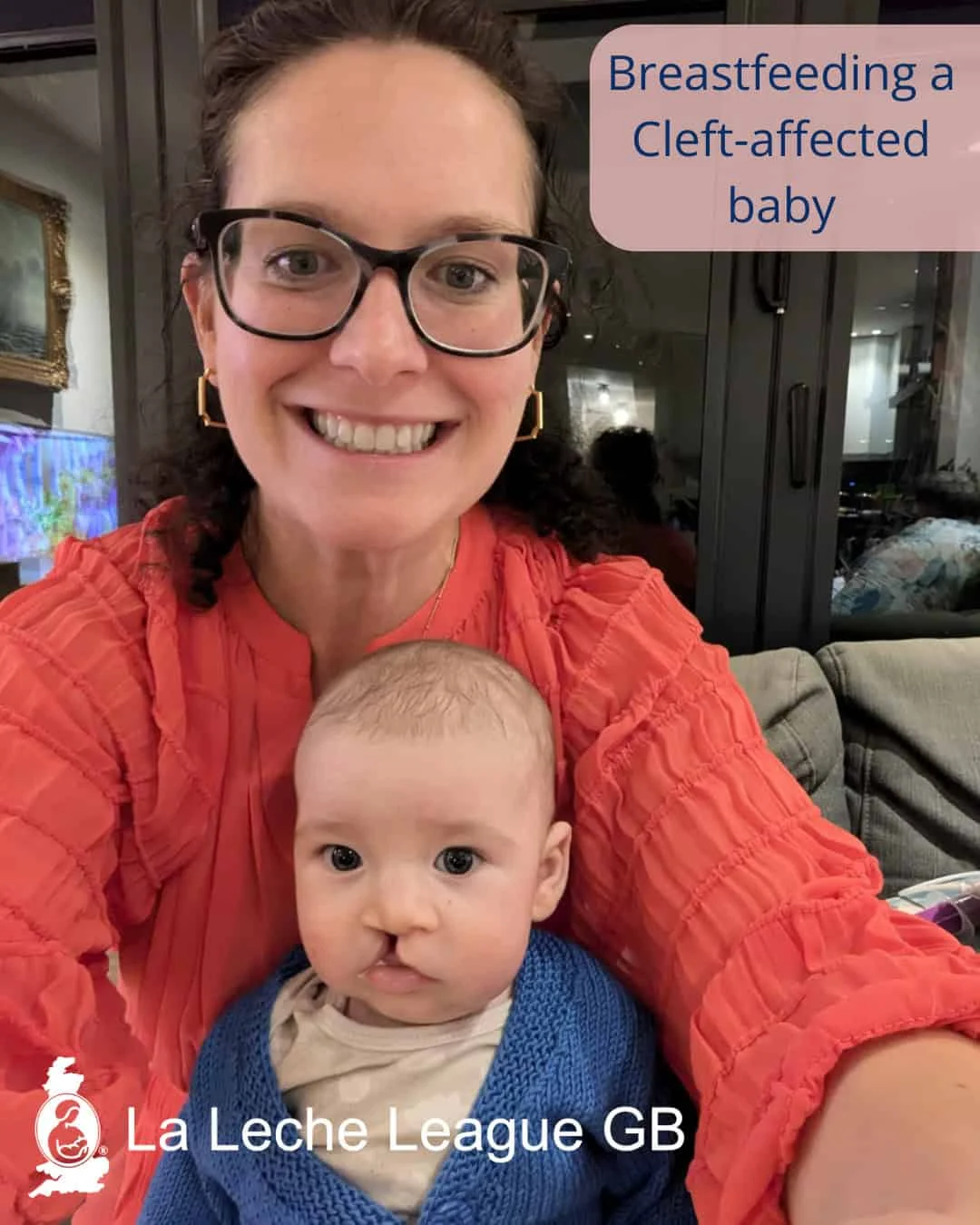
The antenatal diagnosis of a cleft lip and palate for their unborn son, Russell, initiated a challenging and ultimately pioneering journey for one family in the United Kingdom. This narrative highlights the profound determination required to navigate complex medical advice and societal expectations, ultimately achieving a deeply personal and medically beneficial breastfeeding outcome against considerable odds. The initial six weeks of the pregnancy had already been overshadowed by a family medical crisis, leaving the expectant parents emotionally exhausted. The 20-week scan, which confirmed they were expecting a boy, quickly turned from a moment of joy to one of profound concern when the sonographer inquired, "Have you heard of a cleft lip?" This question marked the beginning of a significant challenge for the family.
Antenatal Diagnosis and Initial Challenges
The revelation that their baby would be born with a cleft lip and palate immediately presented a cascade of anxieties. A midwife informed the parents that breastfeeding would likely be impossible due to the nature of the condition, a statement that proved deeply upsetting for the mother, who had successfully breastfed her toddler and viewed it as a fundamental aspect of her maternal identity. This initial advice, though well-intentioned, reflected a common misconception and underscored the urgent need for more nuanced information and support for families facing similar diagnoses. For the mother, the prospect of losing this intimate connection with her new baby elicited a powerful sense of grief.
Cleft lip and palate are among the most common birth defects, affecting approximately 1 in 700 babies globally. This condition occurs when the structures forming the upper lip or the roof of the mouth (palate) do not fuse completely during early fetal development. While a cleft lip alone often allows for breastfeeding with some adaptations, a cleft palate presents a more significant barrier. The inability to create sufficient suction pressure, crucial for extracting milk from the breast, means that babies with an unrepaired cleft palate typically cannot breastfeed directly. Surgical intervention is usually required to repair the palate, often in the baby’s first year of life, with further corrective surgeries potentially needed later in childhood.
A specialist nurse later offered a glimmer of hope, clarifying that a "breastfeeding journey" might still be possible, though it would likely differ from the mother’s previous experience. The extent of the palate’s involvement would only be confirmed after birth, and if a cleft palate was present, direct breastfeeding without assistance would be highly improbable until surgical repair. The nurse outlined a demanding medical pathway for baby Russell, involving two significant operations in his first year: one for the lip and another for the palate. This information, while providing clarity, also highlighted the considerable medical challenges ahead.
Understanding Cleft Lip and Palate: Medical Context and Support
The diagnosis prompted the parents to delve into extensive research, seeking information and alternative solutions. They consulted resources from organizations such as the Cleft Lip and Palate Association (CLAPA) in the UK and La Leche League International, both vital sources of support and information for families affected by cleft conditions. CLAPA, for instance, provides comprehensive guidance on feeding, surgical pathways, and emotional support, advocating for tailored approaches to meet each family’s unique needs.
Initial research into successful breastfeeding after palate surgery yielded disappointingly few examples, yet those available provided critical insights. These highlighted the importance of a robust milk supply and the necessity of finding alternative methods for milk delivery to the baby while at the breast. For the mother, maintaining a sufficient milk supply seemed achievable; she had previously produced enough milk for her toddler, even building a freezer stash despite finding pumping challenging. Armed with improved knowledge about pumping techniques, she felt confident in her ability to meet Russell’s milk demands.
The second point, the method of milk delivery, presented a more complex challenge. Traditional breastfeeding relies on the baby’s ability to create suction and compress the breast. With a cleft palate, this suction mechanism is compromised. The mother explored various options, including direct hand expressing milk into the baby’s mouth or using a nursing supplementer system. A nursing supplementer, a device that delivers milk via a thin tube while the baby is latched at the breast, appeared to be the most practical long-term solution.
The Quest for Alternative Feeding Methods
The UK market offered two primary nursing supplementer systems suitable for babies with clefts. Both systems involved a bottle connected to a thin tube designed to be positioned in the baby’s mouth during latching. One system was gravity-fed, providing a slow milk flow, while the other utilized a squeezable bottle for controlled milk delivery. The gravity-fed system’s slow flow was a concern, while the squeezable bottle, though capable of delivering ample milk, proved awkward to hold, especially when combined with specialized holds recommended for babies with feeding difficulties.
Many sources suggested the "dancer hand hold," a technique where the index finger and thumb form a "U" shape to support the baby’s chin, aiding in attachment for infants with low muscle tone or prematurity. However, practicing this hold with a doll and managing the supplementer simultaneously felt unmanageable to the mother. This initial difficulty highlighted the practical complexities of implementing specialized feeding techniques without hands-on expert guidance tailored to her specific needs.
Russell’s Arrival and the Early Days
Baby Russell’s birth brought both immense joy and immediate practical challenges regarding feeding. In the initial hours and days, he was fed expressed colostrum via a syringe, with a finger simultaneously placed in his mouth to encourage sucking reflexes. This method allowed for early colostrum intake, vital for newborn health, while waiting for the mother’s milk supply to increase. The plan was then to transition to feeding at the breast with a supplementer.
An unexpected logistical hurdle arose with the feeding syringes. While some ordered syringes proved unsuitable for direct feeding, they coincidentally fit the supplementer tube perfectly. The midwife team kindly sourced larger syringes from the labour ward, which, with a minor modification (drilling a hole in the screw-on caps), could be adapted to fit the supplementer tube snugly. This improvised solution, while effective, underscored the need for resourcefulness in these unique circumstances. Healthcare professionals emphasize strict adherence to safety guidelines for all feeding tools, particularly ensuring caps are removed from regular syringes to prevent choking hazards and that feeding is slow and carefully monitored.
The standard advice for using a supplementer typically involves either inserting the tube into the baby’s mouth after latching or taping it to the breast before latching. However, Russell’s fragile latch, due to the lack of suction, made inserting the tube post-latch impossible. Taping the tube to the breast presented its own difficulties; a long, flapping tube was unwieldy, especially with a newborn’s small mouth and tendency to bob on and off the breast. The mother decided to tape the tube very close to the nipple to facilitate easy insertion into Russell’s mouth, necessitating a waterproof tape. This trial-and-error process with different tapes and positions led to considerable distress for both mother and baby, often resulting in milk loss due to compromised latch, before a functional, albeit imperfect, system was established.
Navigating Professional Advice and Support

Despite developing a viable feeding system, the mother encountered further difficulties, particularly with the physical demands of holding Russell and the supplementer simultaneously. Many healthcare professionals she consulted lacked direct experience with this specific combination of challenges, leading to concerns about potential aspiration (choking on milk). This lack of specialized expertise meant the mother often had to rely on her own determination and intuition, pushing past reservations to continue her chosen path. The period was marked by emotional highs, such as a magical home birth, contrasting sharply with the frustrations of difficult feeding times. Yet, her conviction grew that her system was effective, delivering sufficient milk at an appropriate speed.
The initial struggles with the dancer hold persisted, causing stress for both mother and baby. Russell would frequently bob on and off the breast, unable to achieve a stable latch. A breakthrough occurred when the mother realized Russell would calm down and feed effectively if placed on the non-taped breast, where she could directly express milk into his mouth. This confirmed his hunger, signaling that the issue was with the supplementer setup, not his willingness to feed.
Following consultation with a specialist at Great Ormond Street Children’s Hospital, a decision was made to revert to the familiar cradle hold. While this position led to more milk loss from the side of Russell’s mouth due to his cleft, it prioritized calm and relaxation for both mother and baby, which was deemed crucial for a newborn. Advice from other sources, such as plugging the lip cleft with the breast or keeping the cleft side up to minimize milk loss, was considered, but the primary focus remained on achieving calm feeds with a deep latch in the cradle position. Despite the messiness and occasional frustration of these early weeks, the mother felt the effort was immensely worthwhile.
Over time, their feeding dynamic evolved. The mother learned to deliver milk through the syringe synchronously with Russell’s feeding rhythm, pausing when he paused. They developed a shared understanding of the optimal flow rate – neither too slow, requiring excessive sucking effort, nor too fast, overwhelming him. Refilling the syringe required temporarily disengaging Russell or repositioning him to manage his expectation of continuous milk flow.
Societal Perceptions and Medical Skepticism
The unique nature of their breastfeeding journey sometimes led to poignant observations and, at other times, unhelpful criticism. A friend, initially questioning the effort involved in bridging the gap to potential post-surgery breastfeeding, later observed them feeding and remarked, "I get it; you are already breastfeeding." Another friend, seeing them from across a restaurant, commented, "Oh, so the worries about Russ not being able to breastfeed didn’t come to fruition!" Such comments provided immense validation and joy, reinforcing the mother’s belief in their chosen path.
Conversely, there were instances of professional skepticism. A paediatrician, for example, expressed reservations about their method, stating it was not recommended and that specialist cleft bottles were known to be "safe and effective." This implied that their individualized approach was not, which was hurtful and required significant resilience to dismiss, particularly when emanating from healthcare professionals. Despite these comments, the mother remained convinced of their approach’s efficacy, supported by Russell’s healthy weight gain and his apparent enjoyment of feeding at the breast. While acknowledging the supplementer was not ideal, the overarching benefit was the ability to breastfeed and provide all its advantages to Russell.
Adapting and Overcoming Obstacles
Around ten weeks of age, Russell began to show increased discomfort with the tape near his mouth. This prompted a shift to taping the tube much further from the nipple, and eventually, to using the supplementer without any tape at all. This required enhanced coordination from the mother, but with both mother and baby now accustomed to the routine, it became more manageable.
Throughout the journey, there were moments that felt like setbacks, with Russell becoming upset or refusing to feed. In these instances, the mother consciously reminded herself that Russell was primarily a baby, and his cleft was secondary. Often, the feeding issues were common challenges faced by all infants, such as becoming easily distracted around three months of age, rather than being directly related to his cleft condition. This perspective helped in navigating difficulties with greater calm and understanding.
Surgical Interventions and Post-Operative Recovery
Russell underwent surgery to reconstruct his lip and hard palate. The immediate post-operative period was challenging. Once the morphine wore off, Russell initially only fed from a bottle for a few days. However, upon returning to the supplementer, he rejected bottles, perhaps associating them with the difficult recovery phase. This period, characterized by constant expressing and feeding, proved exhausting for the mother.
The family’s success was not a solitary effort. The unwavering support from the father was instrumental, encompassing tasks such as bottle-washing, managing night feeds while the mother pumped, and providing reassurance during difficult times. Their journey was a testament to teamwork, with each day utilizing the supplementer seen as a bonus for Russell’s health and the strengthening of their bond. The parents expressed immense pride in their achievements, regardless of the ultimate outcome.
The Breakthrough: Post-Surgery Breastfeeding
Just before his first birthday, Russell had his palate surgery. The surgeon advised avoiding suction for a month to allow for healing. Remarkably, almost immediately after surgery, the mother could feel Russell attempting to suck for the very first time. This nascent ability was a profound indicator of the surgical success and a monumental step towards direct breastfeeding. Four weeks post-surgery, Russell discovered how to use a straw, and the very next day, he began sucking and swallowing effectively at the breast.
From this pivotal moment, progress was gradual but steady. The reliance on the supplementer diminished progressively as Russell learned to extract more milk independently. After 15 months of daily pumping, a demanding and continuous effort, the mother was finally able to stop.
Russell’s latch, though not "typical" by conventional standards, was effective, and he remained content. He now breastfeeds once or twice a day, a profound achievement that was never guaranteed. This journey, from an initial diagnosis that seemed to preclude breastfeeding to its eventual success, underscores the power of perseverance, individualized care, and the deep bond between a mother and her child. The family continues to embrace this unexpected outcome, simply observing where their unique breastfeeding journey leads next.
This account, shared by Sarah Muir-Little, offers invaluable insights for other families facing similar challenges and emphasizes the critical role of organizations like La Leche League in providing detailed information and support for breastfeeding a cleft-affected baby. It is a powerful testament to the fact that with determination, adaptation, and support, what initially seems impossible can indeed become a reality.
