

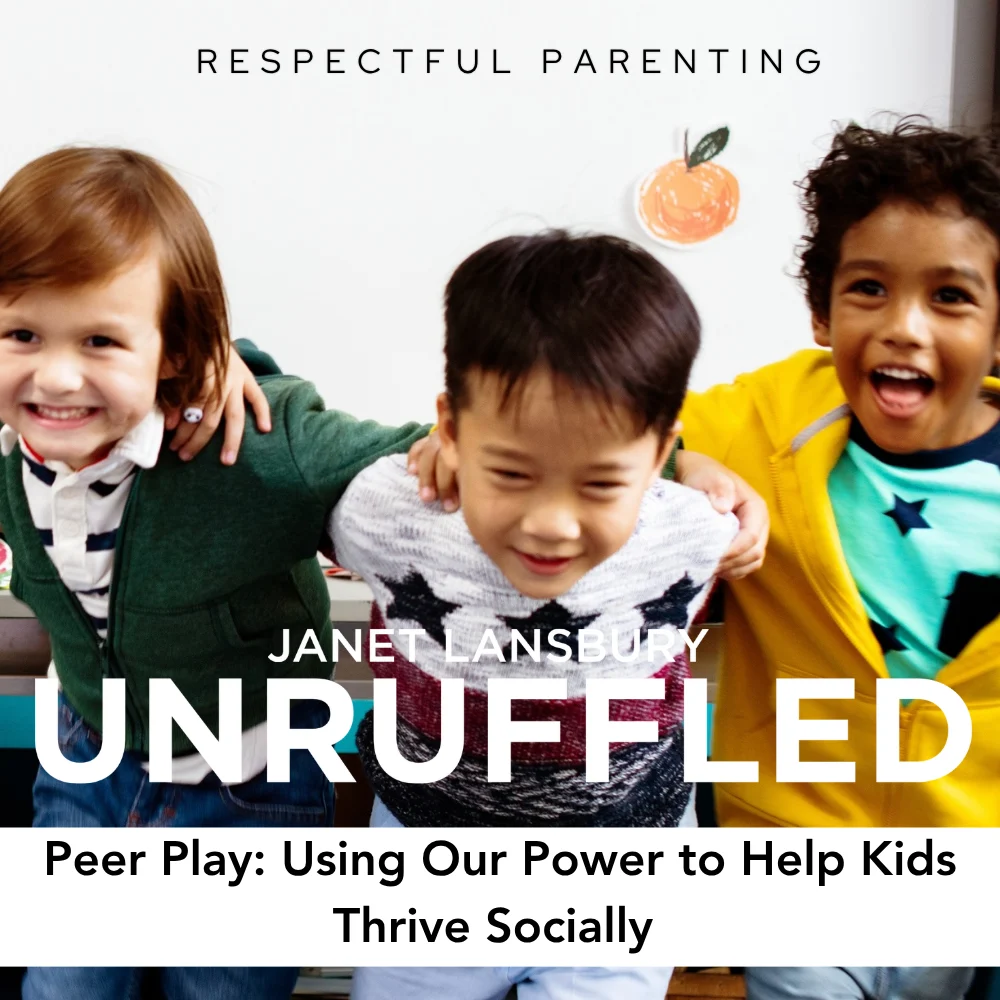
A recent discussion hosted by renowned parenting expert Janet Lansbury, as detailed in her June 16, 2026, publication, offers nuanced perspectives on common childhood social challenges. Lansbury addresses three distinct scenarios presented by parents, highlighting the critical role of parental approach in fostering children’s social competence, resilience, and self-confidence. The core of her advice revolves around the power of parental boundaries and the importance of trusting a child’s developmental process, often challenging conventional parenting instincts.
Navigating the Complexities of Childhood Social Dynamics
The discussions, part of Lansbury’s "Unruffled" podcast series, delve into situations that many parents encounter: a four-year-old struggling with inflexible play expectations, a three-year-old exhibiting shyness, and a preschooler experiencing exclusion. Lansbury emphasizes that while direct modeling of positive social behaviors is influential, the more profound impact often lies in how parents establish boundaries and their willingness to trust their child’s independent journey.
Case Study 1: The Dictatorial Director in Pretend Play
One of the most detailed cases involves a four-year-old deeply immersed in imaginative play, often directing her parents with precise instructions during role-playing. The parent describes how the child becomes distressed and angry if play deviates even slightly from her script, leading to tears and frustration when playing with friends. This rigidity has persisted for a year, causing friction and exclusion during peer interactions.
Lansbury posits that this behavior, while seemingly a passion for directing play, may signal a deeper need for parental boundaries. She suggests that when a child’s demands become overly exacting, even within play, it can be an indication that the child is seeking limits. The parent’s discomfort with the child’s rigid control during play is identified as a crucial internal signal, suggesting that a boundary is needed. Lansbury advocates for parents to resist the urge to constantly please the child or to over-participate in their elaborate scenarios. Instead, she encourages parents to assert their own reasonable boundaries, allowing the child to experience frustration and disappointment.
Data Point: According to a 2025 study published in the Journal of Developmental Psychology, children who experience consistent and age-appropriate boundaries from caregivers tend to exhibit higher levels of self-regulation and better social problem-solving skills by the age of six. The study analyzed the play interactions of over 500 children, finding a correlation between parental boundary-setting and reduced instances of aggressive behavior and increased prosocial interactions.
Lansbury explains that these feelings of anger or sadness in the child often mask underlying emotions, possibly related to sibling rivalry (especially with a one-year-old sibling), the natural drive for individuation at age four, or general feelings of a lack of control in other areas of life. By not constantly accommodating the child’s exact play demands, parents provide a crucial lesson: other people have their own wishes and preferences, and not everyone will conform to one’s desires. This, Lansbury argues, is essential preparation for navigating real-world peer relationships. The parent’s own feelings of discomfort during such play are a strong indicator that it’s time to establish firmer, yet still respectful, limits.
Case Study 2: Navigating Exclusion and the "Bullying" Label
The second scenario addresses a four-and-a-half-year-old who is frequently excluded by her preschool peers on the playground. These children, a year older and seemingly more socially developed, engage in behaviors like pretending she’s a monster to scare her away or simply leaving her out of their games. The parent is torn between allowing children to resolve their own conflicts and intervening, as other parents are also noticing the dynamic and considering their roles. One instance involved another child’s father insisting his daughter play with the excluded child, which temporarily resolved the situation.
Lansbury advises caution against labeling such interactions as "bullying" at this age, arguing that it is often a mischaracterization of typical preschool social maneuvering. She emphasizes that the age difference, even a year, can create a significant gap in social-emotional development, leading to natural exclusion as older children engage in more complex group play.
Background Context: The concept of "bullying" in early childhood is a subject of ongoing debate among child development specialists. While overt, persistent aggression is clearly identifiable, subtle forms of exclusion and peer rejection are more complex to define and address, especially in young children whose social skills are still developing. Experts often distinguish between isolated incidents of exclusion and a pattern of targeted, malicious behavior.
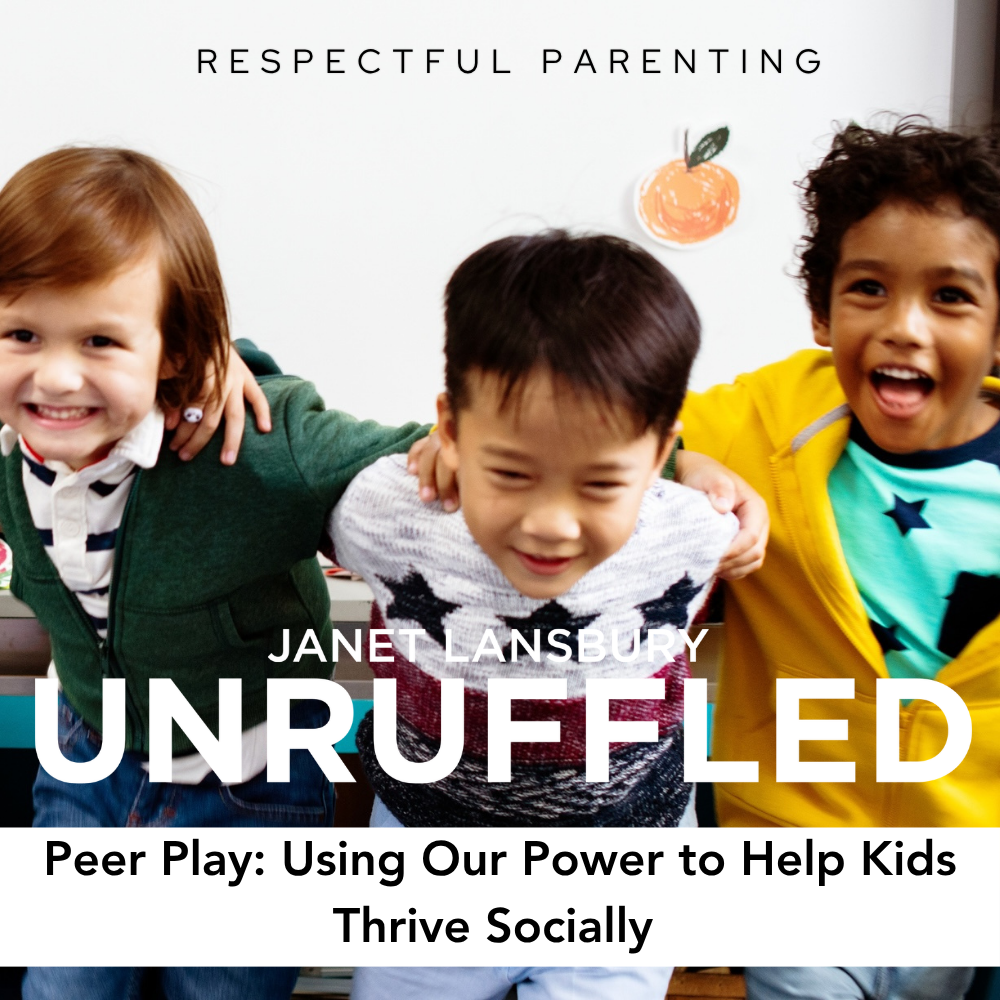
Lansbury suggests that the parent’s instinct to let children work out their own conflicts is largely sound. However, she refines this by emphasizing the importance of managing expectations. Instead of aiming for the excluded child to be fully integrated into the older group’s play, the focus should be on helping the child understand the dynamic and develop strategies for coping. This includes allowing the child to vent her feelings of disappointment or frustration to the parent, without the parent attempting to "fix" the situation for her.
The intervention by the other father, while well-intentioned, is seen by Lansbury as a temporary fix that doesn’t foster the child’s long-term social development. Instead, she advocates for empowering the child by discussing the potential outcomes beforehand. For instance, asking the child, "Do you want to go to the playground knowing the older girls might not play with you today?" This approach allows the child to make an informed choice and builds her confidence in navigating potentially challenging social situations. Lansbury stresses that rejection and exclusion, while uncomfortable, are vital learning experiences that build resilience and teach children about social reciprocity, provided they are processed within a supportive parent-child relationship.
Case Study 3: Supporting the Reserved Three-Year-Old
The third, brief question from Instagram concerns how to help a reserved three-year-old feel more comfortable around others. Lansbury’s response mirrors the underlying theme of the other cases: trust and avoiding pressure. She advises against pushing, coaxing, or trying to "fix" the child’s reserve, as this can inadvertently communicate that there is something wrong with their natural disposition.
Timeline/Chronology: Three-year-olds are often in a developmental stage where they are testing their independence while still heavily reliant on their primary caregivers for a sense of security. Their comfort levels in social situations can vary significantly based on temperament, prior experiences, and the specific environment. This developmental phase often involves a degree of wariness with unfamiliar people or settings.
Instead, Lansbury suggests providing a secure base. If the child wants to stay close to the parent in a social setting, that is acceptable. However, she also advocates for parental boundaries. For example, while a parent can offer a comforting presence, they should not be expected to follow the child around or be constantly engaged in their play. This allows the child to explore social interactions at their own pace, with the knowledge that their parent is present and supportive, but also has their own needs and boundaries. This trust in the child’s process, coupled with the parent’s self-care and consistent boundaries, empowers the child to gradually build confidence and find their own comfort level.
Broader Implications for Parenting and Social Development
Lansbury’s overarching message is that parents possess significant, often underestimated, power to influence their children’s social development. This power is not about control or manipulation, but about establishing healthy relationships built on respect, clear boundaries, and a deep trust in the child’s innate capacity to learn and grow.
Analysis of Implications: The approach advocated by Lansbury encourages a shift from a problem-solving mindset to a process-oriented one. By reframing challenges like social exclusion or rigid play as opportunities for learning and growth, parents can foster greater resilience and emotional intelligence in their children. This perspective also alleviates parental anxiety, moving away from the pressure to engineer perfect social outcomes and towards supporting the child’s authentic developmental journey. The emphasis on parental self-care and boundary-setting also models essential life skills for children, demonstrating that personal needs are valid and should be respected within relationships.
Related Party Reactions (Inferred): While direct quotes from other parents involved in the scenarios are not available beyond the initial queries, the nature of Lansbury’s work suggests that parents who engage with her philosophy often report a reduction in family conflict and an increase in their children’s confidence and adaptability. The parents who submitted questions likely represent a segment of the parenting community actively seeking alternatives to more traditional, directive approaches, indicating a growing interest in respectful and authoritative parenting styles.
Lansbury concludes by acknowledging that this path can be challenging, especially for parents who may not have experienced such approaches themselves. She encourages self-compassion and openness to re-evaluating parenting strategies. The core takeaway is that by understanding and harnessing their own power through thoughtful boundaries and unwavering trust, parents can significantly contribute to their children’s ability to thrive socially, building foundational skills that will serve them throughout their lives.
