


Implantation bleeding, a subtle yet significant event, occurs approximately 10 to 14 days following conception, marking the moment a fertilized egg successfully attaches to the uterine wall. This delicate biological process, essential for establishing a pregnancy, can manifest as light bleeding or spotting, a completely normal physiological occurrence that typically does not necessitate medical intervention. Affecting roughly one-third of all pregnant women, implantation bleeding is a pivotal, albeit often misinterpreted, early indicator of pregnancy, frequently mistaken for the onset of a menstrual period due to its similar timing. However, crucial distinctions in its characteristics, such as lighter flow and different coloration, differentiate it from regular menstruation.

The Biological Underpinnings of Implantation
To fully grasp the phenomenon of implantation bleeding, it is vital to understand the intricate journey of the early embryo within the female reproductive system. Conception typically commences in the fallopian tube when a sperm successfully fertilizes an egg. Over the subsequent five to ten days, this newly formed zygote embarks on a remarkable transformation, undergoing rapid cellular division to become a morula and then a blastocyst. Simultaneously, it traverses the fallopian tube, making its way towards the uterus.
Upon reaching the uterine cavity, the blastocyst faces the critical task of embedding itself into the highly vascularized and receptive endometrial lining – a process known as implantation. This is not a passive adherence but an active, invasive maneuver where the blastocyst burrows into the uterine wall. This dynamic interaction between the nascent embryonic tissues and the maternal endometrial cells can, in some instances, disrupt minute blood vessels lining the uterus. It is this minor vascular disruption that leads to the characteristic light bleeding or spotting associated with implantation, serving as a tangible, albeit fleeting, sign of the successful initiation of pregnancy. This precise biological event underscores the complexity and delicate balance required for a successful gestational journey to begin.
Prevalence and The Challenge of Differentiation
While a significant portion of women, with estimates suggesting around 30% to 35%, will experience implantation bleeding, its occurrence is not universal. This variability contributes substantially to the widespread confusion and misinterpretation it often engenders. For many individuals, the timing of this spotting—typically occurring approximately one week before the anticipated start of their regular menstrual period—leads to its frequent misattribution as an early or unusually light menstruation.
In an era where fertility awareness methods and menstrual cycle tracking applications are increasingly utilized, the ability to accurately discern between an early period and implantation bleeding presents a considerable challenge. This is particularly true for individuals actively trying to conceive, for whom every bodily signal is closely monitored, or for those unexpectedly confronting a potential pregnancy. The ambiguity is further compounded by the fact that several common early pregnancy symptoms, such as mild abdominal cramping, fatigue, or breast tenderness, bear a striking resemblance to premenstrual syndrome (PMS) or even physiological changes during ovulation. This symptomatic overlap necessitates meticulous self-observation and, frequently, professional medical confirmation to arrive at an accurate diagnosis.

Key Distinctions: Implantation Bleeding Versus Menstruation
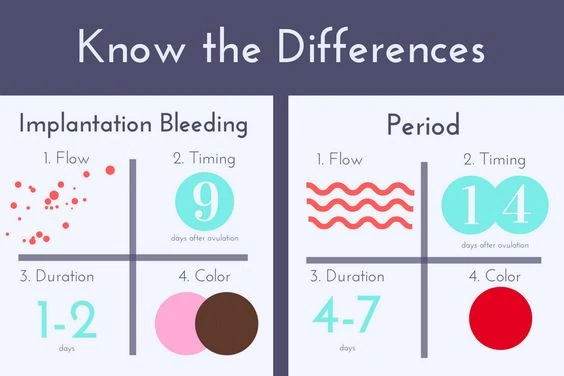
Differentiating implantation bleeding from a regular menstrual period is paramount for individuals seeking to understand their body’s signals during the early stages of a potential pregnancy. While both involve vaginal bleeding, their characteristics exhibit crucial divergences:
- Coloration: Implantation bleeding is typically observed as light pink or brownish spotting. This lighter hue is often attributed to the minimal volume of blood and the time it may take for the blood to exit the body, allowing for a degree of oxidation. In stark contrast, menstrual blood typically begins as a brighter red, gradually darkening to a deeper red or brown as the menstrual flow progresses through its cycle.
- Flow Volume: A primary distinguishing factor is the volume of blood loss. Implantation bleeding is characterized by very light spotting or a few drops, often only noticeable upon wiping after using the restroom or as minor staining on underwear. It rarely, if ever, saturates a sanitary pad or tampon. Conversely, a typical menstrual period involves a noticeably heavier flow that necessitates the consistent use of sanitary products, with the blood volume often increasing during the initial days of the cycle.
- Duration: Implantation bleeding is transient, lasting anywhere from a few hours to a maximum of three days. Its brevity is a key indicator. A standard menstrual period, on the other hand, typically spans three to seven days, maintaining a more consistent and often heavier flow throughout its duration.
- Consistency: The blood associated with implantation is generally thinner and more watery in consistency, and it typically lacks the clots often observed during a menstrual period. Menstrual blood can vary in consistency, frequently containing endometrial tissue and small blood clots, particularly during days of heavier flow.
- Associated Symptoms: While mild, often fleeting cramping can accompany implantation, it is generally described as significantly less severe than the cramps experienced during menstruation, which can range from moderate to debilitating for many women. Other nascent pregnancy signs, such as mild nausea, heightened sense of smell, or unusual fatigue, might also coincide with implantation bleeding. These differ subtly from typical PMS symptoms, which may include more pronounced mood swings, bloating, and specific food cravings, although some overlap in symptoms can still occur.
The Chronology of Early Pregnancy Signs
The precise timing of implantation bleeding is inextricably linked to the biological rhythm of the female reproductive cycle. Following ovulation and successful fertilization, the critical process of embryonic implantation into the uterine wall most commonly occurs between day 6 and day 12 post-fertilization, with days 8-10 being the peak period. Considering a typical 28-day menstrual cycle where ovulation usually takes place around day 14, implantation bleeding would most often manifest within days 20 to 26 of a woman’s cycle.

This specific window strategically places implantation bleeding just prior to the anticipated start of the next menstrual period, which typically arrives around day 28. This narrow temporal overlap is precisely why the confusion between implantation bleeding and early menstruation is so prevalent. For illustrative purposes, if an individual anticipates their period on January 25th, any light spotting experienced between approximately January 18th and January 25th could potentially be attributed to implantation bleeding. While less common, variations in an individual’s ovulation timing or the inherent speed of the implantation process can occasionally result in implantation bleeding occurring slightly earlier or later within this pre-menstrual timeframe. It is, however, generally considered uncommon for implantation bleeding to occur after a menstrual period has already been missed.
Accompanying Symptoms: A Complex Diagnostic Picture
Beyond the characteristic spotting itself, several other physiological changes can emerge around the time of implantation, potentially serving as additional indicators of early pregnancy. However, the non-specific nature of these symptoms often complicates self-diagnosis, as they frequently overlap with other common conditions:

- Mild Uterine Cramping: Many women report experiencing a sensation akin to very mild premenstrual cramps, often described as a dull ache, slight pressure, or tingling in the lower abdomen. This sensation is theorized to be related to the subtle uterine contractions and remodeling that occur as the embryo embeds itself into the endometrial lining.
- Breast Tenderness or Swelling: Significant hormonal shifts, particularly the surge in progesterone and estrogen, can lead to increased sensitivity, noticeable swelling, or a feeling of heaviness and fullness in the breasts. While similar to premenstrual breast changes, these sensations during early pregnancy can often be more pronounced or persistent.
- Fatigue: Profound and unexplained tiredness is a widely recognized early pregnancy symptom, again linked to the dramatic fluctuations in hormone levels and the body’s heightened metabolic demands as it initiates the complex process of sustaining a new life.
- Nausea (Morning Sickness): Although typically associated with later stages of the first trimester, a subset of women may experience mild nausea, heightened olfactory sensitivity (to smells), or even an aversion to certain foods around the time of implantation.
- Headaches: The rapid and substantial changes in hormone concentrations during early pregnancy can sometimes trigger headaches in susceptible individuals.
- Mood Swings: The significant and swift alterations in hormone levels can directly impact neurotransmitter activity, leading to increased emotional sensitivity, irritability, or pronounced mood fluctuations.
It is imperative to reiterate that these accompanying symptoms are not exclusively indicative of early pregnancy. They can frequently be experienced as part of premenstrual syndrome (PMS), during the ovulatory phase, or even due to other non-pregnancy-related factors. Therefore, while their presence alongside pinkish/brownish spotting may suggest a potential pregnancy, it does not offer definitive confirmation and should prompt further, more precise investigation.
Medical Perspectives and Concerns
From a medical standpoint, true implantation bleeding is overwhelmingly considered a benign physiological event that poses no inherent threat to the developing embryo or the subsequent progression of the pregnancy. It is widely understood as a natural, albeit sometimes unsettling, byproduct of a successful biological process. However, any form of vaginal bleeding during pregnancy, particularly if it occurs beyond the very early implantation window, warrants careful attention and should invariably be reported to a healthcare provider. The ability to critically distinguish between harmless implantation bleeding and potentially concerning vaginal bleeding in early pregnancy is paramount for ensuring maternal and fetal well-being.

Bleeding or spotting that manifests several days after a missed menstrual period is unlikely to be implantation bleeding and could signal other underlying issues. While medical data indicates that over 50% of women who experience any type of spotting or bleeding (excluding the clear characteristics of classic implantation bleeding) during the first trimester proceed to have entirely healthy pregnancies, certain patterns or concomitant symptoms necessitate immediate and thorough medical evaluation.
Red Flags and When to Seek Professional Help
Healthcare providers consistently emphasize clear guidelines for when to express concern about vaginal bleeding during pregnancy and when to seek immediate medical intervention:
- First Trimester (after the typical implantation window): Any instance of spotting or light bleeding should be promptly communicated to your healthcare provider, ideally during your initial prenatal appointments. While often benign, it is crucial to rule out potential complications.
- Second or Third Trimesters: Spotting or any degree of bleeding occurring at these later stages of pregnancy should be reported to your healthcare provider immediately. The causes of bleeding in later pregnancy can be more serious and require urgent assessment.
- Heavy Bleeding at Any Point in Pregnancy: Experiencing heavy vaginal bleeding, typically defined as saturating one or more sanitary pads or tampons within an hour, or passing large blood clots, constitutes a medical emergency. This symptom demands immediate medical attention or an emergency room visit, as it is never considered a normal occurrence during any stage of pregnancy.
Potential Causes of Concerning Bleeding (Beyond Implantation)
Bleeding during pregnancy, when it is not attributable to implantation, can stem from a variety of factors, some of which are relatively benign, while others are indicative of serious complications:
- Miscarriage: Vaginal bleeding, often accompanied by cramping and the passage of tissue, is a primary and concerning symptom of miscarriage, particularly prevalent during the first trimester.
- Ectopic Pregnancy: This life-threatening condition arises when a fertilized egg implants outside the uterus, most commonly within a fallopian tube. Symptoms can include persistent vaginal bleeding, severe abdominal pain (frequently localized to one side), dizziness, and referred shoulder pain. Immediate medical intervention is absolutely critical to prevent severe internal bleeding.
- Molar Pregnancy: A rare and abnormal form of pregnancy where an abnormal growth (trophoblastic tissue) forms in the uterus instead of a healthy embryo. It can cause heavy vaginal bleeding, severe nausea, and an abnormally large uterus for gestational age.
- Cervical Changes: During pregnancy, the cervix becomes significantly more vascular, softer, and more sensitive. This makes it prone to light bleeding after sexual intercourse or a routine pelvic examination. Such bleeding is usually light, short-lived, and resolves spontaneously.
- Subchorionic Hematoma: This refers to a collection of blood that forms between the uterine wall and the chorionic membrane (one of the fetal membranes). These hematomas can vary considerably in size and may or may not cause visible bleeding. Larger or persistent subchorionic hematomas can, in some cases, be associated with an increased risk of miscarriage.
- Placenta Previa or Abruptio Placentae (Later Pregnancy): In the second and third trimesters, conditions like placenta previa (where the placenta covers the cervix) or abruptio placentae (premature separation of the placenta from the uterine wall) are serious causes of bleeding that require urgent medical attention.
Diagnostic Pathway and Confirmation
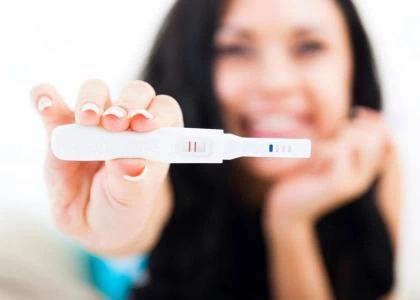
Given the potential for ambiguity and the critical importance of accurate early diagnosis, healthcare professionals advocate for a strategic approach to confirming pregnancy when bleeding is present. Taking a home pregnancy test too prematurely, especially during the actual period of implantation bleeding or even before the expected date of a missed period, frequently yields a false negative result. This is due to insufficient levels of human chorionic gonadotropin (hCG), the pregnancy hormone, in the urine. Most over-the-counter pregnancy tests are specifically calibrated to detect hCG accurately from the day of the missed period onwards.

For optimal accuracy and to minimize false readings, it is generally recommended to wait at least three full days after any spotting has completely ceased, or ideally, a full week after your expected menstrual period was due, before performing a home pregnancy test. If the results remain inconclusive, if there are persistent symptoms of concern, or if any anxiety persists, consulting a medical doctor for further evaluation is the most reliable course of action. A blood test for hCG can detect lower levels of the hormone earlier than urine tests, providing more definitive confirmation. Additionally, an early ultrasound may be performed to confirm the implantation location and fetal viability, especially if an ectopic pregnancy is suspected. Reputable organizations like the American Pregnancy Association offer accessible resources, including helplines staffed by pregnancy educators, for individuals seeking expert guidance on these uncertain early signs.
Psychological Impact and the Need for Support
The ambiguity surrounding early pregnancy bleeding, particularly implantation bleeding, can exert a significant psychological toll on individuals. For those actively engaged in trying to conceive, every physiological sensation is often meticulously scrutinized, leading to an emotional roller coaster of hope, anxiety, and sometimes profound disappointment. The mere appearance of blood can be deeply distressing, immediately triggering fears of an impending menstrual period or, even worse, the devastating prospect of an early miscarriage. Conversely, for individuals for whom pregnancy is unplanned, this subtle spotting might be inadvertently dismissed as a normal variation in their menstrual cycle, thereby delaying awareness of pregnancy and potentially impacting subsequent decision-making processes.

Recognizing this profound emotional impact, healthcare providers and patient support organizations underscore the vital importance of providing accurate, accessible information and robust emotional support. Understanding that light spotting can, in many instances, be a normal and healthy sign of early pregnancy can significantly alleviate undue stress and anxiety. Simultaneously, empowering women to accurately differentiate between benign implantation bleeding and more concerning patterns of vaginal bleeding ensures they can recognize when professional medical advice and intervention are truly warranted. This informed awareness, coupled with readily available support networks, provides clarity and reassurance during the emotionally charged initial stages of a potential pregnancy.
Conclusion
Implantation bleeding stands as a unique, often subtle, yet potentially powerful early indicator of pregnancy. Its characteristic presentation—typically a brief episode of light pink or brown spotting occurring approximately 10 to 14 days following conception—is a normal physiological response to the successful embedding of the embryo into the uterine lining. While frequently confused with the onset of a menstrual period, key differentiating factors in terms of color, volume, consistency, and duration are crucial for accurate interpretation. Understanding these distinctions, alongside other nascent pregnancy symptoms, empowers individuals to interpret their body’s signals with greater precision. Crucially, while true implantation bleeding is considered benign, any significant, heavy, or prolonged bleeding, particularly if it occurs outside the typical implantation window or is accompanied by severe pain, necessitates immediate medical consultation to rule out more serious complications. Informed awareness, coupled with timely professional medical guidance, ensures that this early sign of life is understood in its proper context, providing both clarity and reassurance during the initial, delicate stages of a potential pregnancy.
