

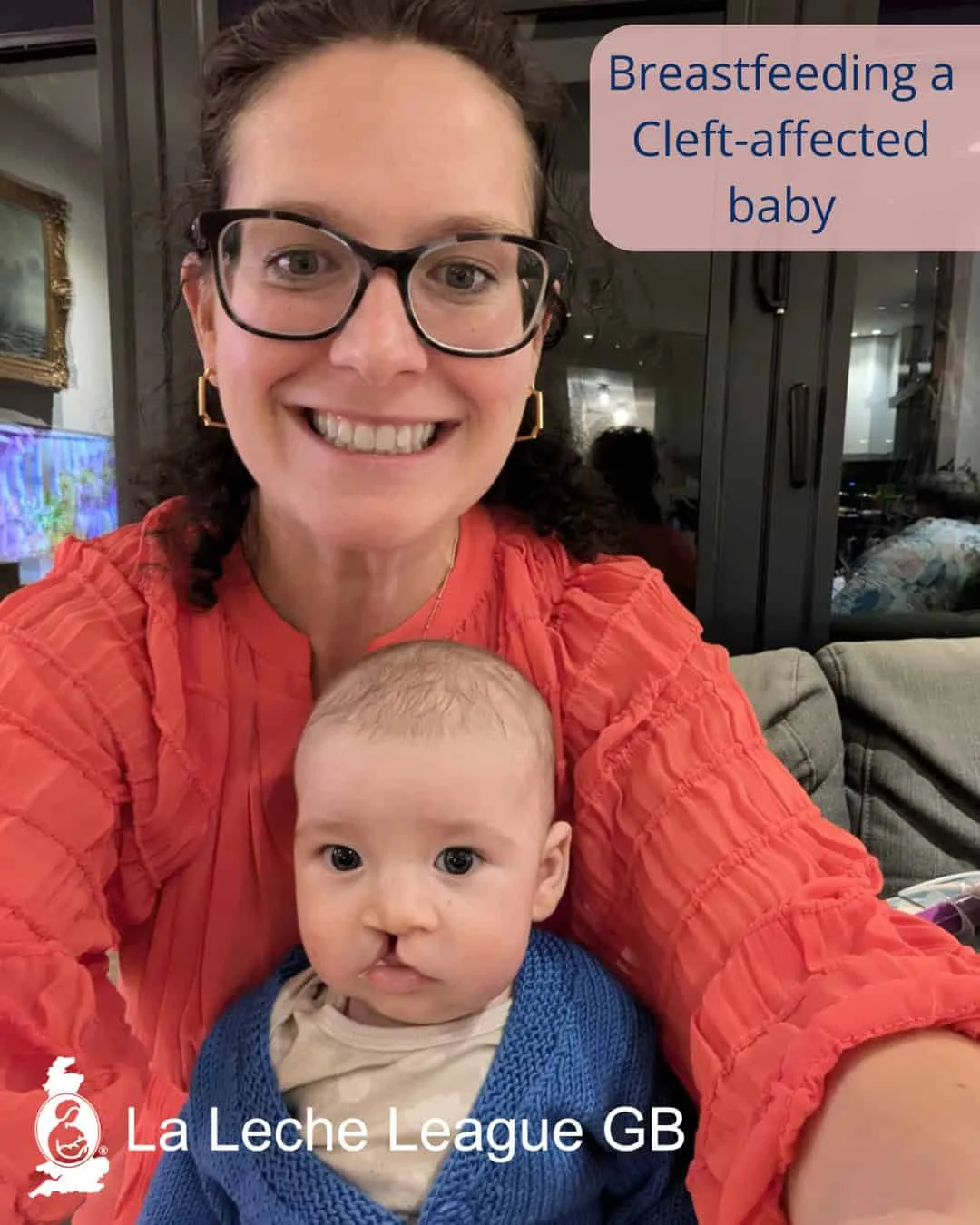
Cleft lip or palate, a congenital condition affecting approximately 1 in 700 live births globally, presents unique challenges for infant feeding, particularly breastfeeding. This condition arises when the structures forming a baby’s upper lip or the roof of the mouth (palate) fail to fuse completely during fetal development. While many infants born with a cleft lip can successfully breastfeed with certain adaptations, those with a cleft palate typically cannot generate the necessary suction pressure to extract milk from the breast until surgical repair. This distinction underscores the critical need for specialized support, early intervention, and a multidisciplinary approach to ensure optimal nutrition and maternal-infant bonding.
Understanding Cleft Lip and Palate: Prevalence and Formation
Cleft lip and palate are among the most common birth anomalies worldwide, with varying prevalence rates across different populations and geographical regions. For instance, some studies indicate higher rates in Asian and Indigenous communities. The condition results from a complex interplay of genetic and environmental factors, though in many cases, the exact cause remains unknown. Development typically occurs within the first trimester of pregnancy, between the fourth and ninth weeks. A cleft lip involves a split in the upper lip, which can range from a minor notch to a complete separation extending into the nose. A cleft palate, often more functionally impactful for feeding, is an opening in the roof of the mouth that can involve the hard palate (bony front part), the soft palate (muscular back part), or both. Some infants present with both conditions, while others have only one.
The diagnosis of cleft lip is often made during routine prenatal ultrasounds, typically around 18-20 weeks gestation. A cleft palate, being internal, is harder to detect prenatally and is frequently identified at birth during the newborn examination. An antenatal diagnosis allows prospective parents to connect with specialized healthcare teams, gather information, and begin planning for their baby’s unique needs, including feeding strategies. This early preparation can significantly alleviate parental anxiety and empower families with knowledge.
The Intrinsic Value of Breast Milk for Cleft-Affected Infants
Breast milk is universally recognized for its nutritional completeness and immunological benefits, which are particularly crucial for infants facing health challenges or requiring surgery. For babies with cleft lip or palate, human milk provides essential antibodies that bolster their immune system, offering protection against infections which can be more prevalent due to the open oral cavity. Furthermore, its easily digestible components aid in gut health and recovery, promoting optimal healing after surgical interventions. The anti-inflammatory properties of breast milk can also contribute to reducing complications and supporting tissue repair. Therefore, establishing and maintaining a robust milk supply is often a primary objective for mothers of cleft-affected infants, regardless of whether direct breastfeeding is immediately possible.

Early Intervention and Multidisciplinary Care
Upon diagnosis, whether antenatal or postnatal, families are typically introduced to a specialized cleft team. This team often comprises a diverse group of healthcare professionals, including craniofacial surgeons, plastic surgeons, speech and language therapists, orthodontists, ear, nose, and throat (ENT) specialists, pediatricians, geneticists, nurses, and, crucially, lactation consultants or feeding specialists. This multidisciplinary approach ensures comprehensive care addressing not only the physical repair of the cleft but also the associated challenges in feeding, speech development, hearing, and psychological support for the family.
The immediate priority post-birth is ensuring the infant receives adequate nutrition. For babies with a cleft lip, direct breastfeeding may be feasible with adaptations. However, babies with a cleft palate struggle with creating the vacuum necessary for effective suction, making direct breastfeeding highly challenging or impossible until surgical correction. In these instances, alternative feeding methods become paramount while simultaneously supporting the mother in maintaining her milk supply.
Maintaining Milk Production: A Cornerstone of Care
For mothers whose babies cannot feed directly or efficiently from the breast, establishing and maintaining milk production is a critical first step. This strategy keeps the option for direct breastfeeding open for the future and provides the baby with the invaluable benefits of human milk. Medical experts recommend initiating milk expression within the first few hours after birth, mirroring the natural breastfeeding initiation timeline.
The principle behind milk production is supply and demand: the more milk removed from the breast, the more milk the body produces. To establish a full milk supply, mothers are often advised to express milk 8-12 times within a 24-hour period during the first month. Consistency is more important than the duration of each session. A hospital-grade double electric breast pump is typically recommended as the most efficient tool for complete milk removal, and many cleft specialist nurses can facilitate access to these, often through rental programs. While challenging, particularly in the initial weeks, this intensive pumping regimen is fundamental to ensuring a sustained milk supply. Over time, many mothers find they can reduce the frequency of pumping while maintaining their milk volume.
Feeding Strategies in the Early Days: Bridging the Gap

In the immediate aftermath of birth, when infants consume smaller volumes of milk, several methods can be employed to deliver expressed breast milk, donor milk, or formula. These include:
- Syringe Feeding: Useful for very small volumes in the first day or two.
- Teaspoon Feeding: Similar to syringe feeding, suitable for initial small feeds.
- Cup Feeding: Allows the baby to lap milk from a small cup, reducing nipple confusion.
- Specialized Bottles and Teats: Designed to bypass the need for strong suction, these bottles often feature longer teats or compressible designs that allow caregivers to gently squeeze milk into the baby’s mouth. Examples include the Haberman Feeder (now Medela SpecialNeeds Feeder) and Dr. Brown’s Specialty Feeding System. Cleft specialist nurses provide guidance on selecting the most appropriate bottle type for each individual infant’s needs.
As the baby’s milk intake increases daily, especially in the first week, methods like syringes or teaspoons quickly become impractical. At this point, specialized bottles or nursing supplementers become more viable long-term solutions.
The Role of Nursing Supplementers in At-Breast Feeding
A nursing supplementer, also known as a supplemental nursing system (SNS) or lactation aid, offers a unique bridge for mothers who wish to maintain at-breast contact while ensuring their baby receives sufficient milk. This system involves a reservoir of milk (a bag or bottle) connected to a thin tube that is taped alongside the mother’s nipple. When the baby latches onto the breast, they also take the tube into their mouth, receiving supplemental milk directly at the breast.
The benefits of using a nursing supplementer are manifold:
- Stimulates Milk Supply: The baby’s suckling at the breast, even if inefficient, sends signals to the mother’s body to produce milk.
- Maintains Breastfeeding Skills: The baby practices latching and suckling motions at the breast, which can be crucial for transitioning to full direct breastfeeding after surgery.
- Promotes Bonding: Skin-to-skin contact and the intimate experience of at-breast feeding foster maternal-infant attachment.
- Psychological Benefits: Mothers often report a profound sense of satisfaction and normalcy from being able to "breastfeed" their baby, even with assistance.
There are various types of nursing supplementers, including homemade systems (e.g., using a feeding tube and syringe) and commercially available products like the Medela SNS. Working with a lactation consultant experienced in using these systems is highly recommended to ensure proper setup, hygiene, and effective milk delivery.
For babies with a cleft palate, who lack the suction capability, the supplemental milk often needs to be delivered to them rather than solely relying on their suckling. This can be achieved by gently squeezing the bag or bottle of the supplementer, or by creating a small vent hole in the bottle to allow milk to flow more freely. Another common method involves using a syringe to push milk through the supplementer tube at a controlled pace, adapting to the baby’s individual feeding rhythm and swallowing ability. This technique requires practice and coordination but can be highly effective in ensuring adequate intake while preserving the at-breast experience.

Optimizing Feeding Positions for Cleft-Affected Infants
Finding a comfortable and effective feeding position is crucial for both mother and baby. While there is no single "correct" position, several common adaptations can facilitate feeding for cleft-affected infants:
- Upright or Semi-Upright Position: Holding the baby more upright helps gravity guide milk down and reduces the risk of milk entering the nasal cavity, which can happen with a cleft palate.
- Cross-Cradle Hold: This position allows the mother to support the baby’s head and neck with the hand opposite the breast being fed from, offering good control and stability.
- Football Hold (Clutch Hold): Similar to the cross-cradle, this position keeps the baby’s body tucked under the mother’s arm, providing excellent head control and allowing the mother to support the jaw and cheeks if needed.
- Supporting the Cleft: Gently supporting the baby’s jaw or using a finger to partially close the cleft lip can sometimes improve latch and seal, minimizing milk leakage. However, caution must be exercised to avoid obstructing breathing or causing discomfort.
Experimentation and flexibility are key, as what works for one baby or one feeding may not work for another. The guidance of a lactation consultant is invaluable in finding optimal positions that maximize comfort and feeding efficiency.
The Surgical Journey and Post-Operative Feeding
The timeline for cleft repair surgery varies, but typically, cleft lip repair is performed around 3-6 months of age, and cleft palate repair between 6-12 months. These surgeries are highly specialized and aim to restore normal anatomy and function.
For infants who were unable to breastfeed directly pre-surgery, the palate repair often opens the door to potential direct breastfeeding. However, it is important for parents to understand that the transition may not be immediate or easy. Babies need time to recover from surgery, heal, and adapt to their new oral anatomy. They may also need to re-learn how to suck effectively with a closed palate, which can take several weeks or even months. During this recovery period, maintaining milk supply through expression remains vital, as breast milk aids in healing and provides essential nutrients for growth. Continued skin-to-skin contact and offering the breast frequently, even for comfort, can help the baby "remember" the breast and gradually build up strength and coordination for effective nursing. Perseverance and ongoing support from the cleft team and lactation consultants are paramount during this phase.
Psychological Impact and Support Systems

The journey of parenting a cleft-affected infant can be emotionally demanding. Parents may experience a range of feelings, including shock, grief, anxiety, and guilt, particularly when confronted with feeding difficulties. The intensive schedule of pumping, alternative feeding, and frequent medical appointments can be physically and emotionally exhausting.
Robust support systems are therefore crucial. These include:
- Cleft Specialist Nurses: Often the primary point of contact, providing practical advice, emotional support, and coordination of care.
- Lactation Consultants: Offering expert guidance on feeding techniques, milk supply management, and navigating supplementers.
- Peer Support Groups: Connecting with other parents who have similar experiences can provide invaluable emotional validation, practical tips, and a sense of community. Organizations like La Leche League International (LLL) play a significant role in offering peer-to-peer support and accurate information on breastfeeding, including for babies with special needs.
- Mental Health Professionals: Access to counseling or psychological support can help parents process their emotions and develop coping strategies.
The success stories of mothers who have navigated these challenges are powerful testimonials to the possibility of breastfeeding a cleft-affected baby. Sarah, a mother whose story is shared by La Leche League, eloquently describes the joy and validation of continuing to breastfeed her son, Russell, using a nursing supplementer, demonstrating that at-breast feeding, even with adaptations, provides immense emotional satisfaction and reinforces the maternal bond. These narratives underscore the importance of celebrating every milestone and acknowledging the extraordinary effort involved.
Broader Implications and Future Directions
The comprehensive care required for cleft-affected infants highlights broader implications for healthcare systems. There is a continuous need for:
- Enhanced Training: Ensuring all healthcare professionals, from obstetricians to pediatricians, are well-versed in cleft care and breastfeeding support.
- Access to Resources: Guaranteeing that families, especially in underserved areas, have access to specialized cleft teams, lactation consultants, and necessary feeding equipment.
- Research and Innovation: Continued research into optimal feeding strategies, surgical techniques, and long-term developmental outcomes for cleft-affected individuals.
- Advocacy: Raising public awareness to reduce stigma and promote understanding of cleft conditions.
In conclusion, while the diagnosis of cleft lip or palate presents significant feeding challenges, it does not preclude the possibility of providing human milk or even direct breastfeeding. Through early diagnosis, a dedicated multidisciplinary team, sustained efforts to maintain milk production, and tailored feeding strategies, many families successfully navigate this complex journey. The unwavering support from healthcare professionals and peer groups, coupled with parental perseverance, empowers these families to achieve feeding outcomes that prioritize the infant’s health and foster profound maternal-infant connections. The emphasis remains on informed choices, adaptable approaches, and celebrating every step towards nourishing these resilient babies.
