

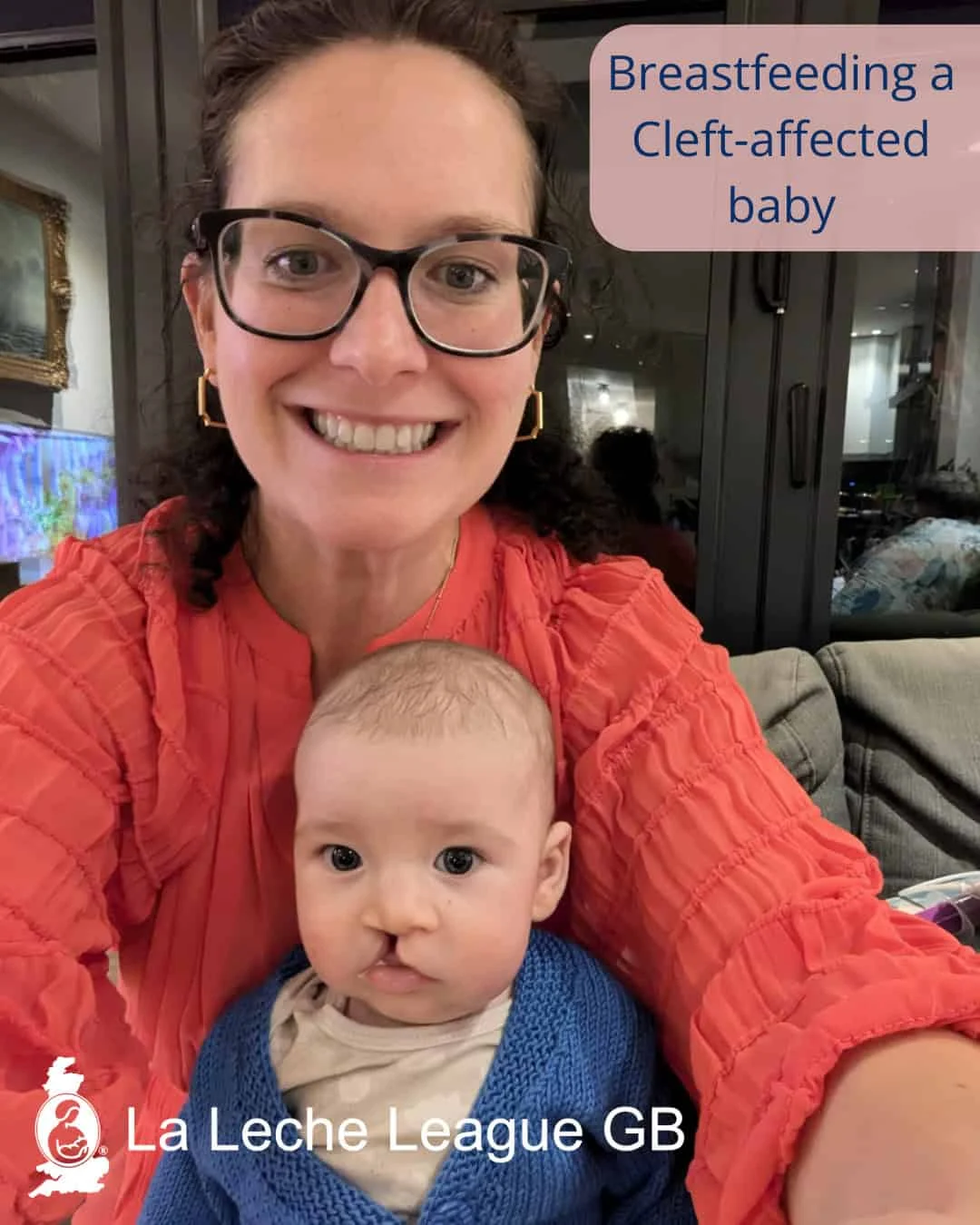
Navigating the unique challenges of feeding an infant born with a cleft lip or palate can be a daunting prospect for new parents. However, expert guidance and adaptive strategies confirm that breastfeeding, with its profound benefits, remains a viable and often successful option for many cleft-affected babies. This article delves into the complexities, strategies, and extensive support systems available to empower families on this specialized feeding journey.
A cleft lip or palate is a congenital condition arising when the structures forming a baby’s upper lip or the roof of the mouth (palate) fail to fully fuse during early fetal development. Affecting approximately 1 in every 700 live births globally, cleft conditions represent one of the most common craniofacial birth anomalies. While babies with an isolated cleft lip often adapt to breastfeeding with minor adjustments, those born with a cleft palate face a more significant hurdle. The open connection between the mouth and nasal cavity prevents the creation of sufficient suction pressure necessary to efficiently draw milk from the breast. For these infants, surgical repair is typically required before direct, unassisted breastfeeding becomes fully effective.
Understanding the Cleft Condition and Its Impact on Feeding
Cleft lip and palate are typically diagnosed either during prenatal ultrasound scans or immediately after birth through visual inspection. The condition can manifest as a cleft lip (a split in the upper lip), a cleft palate (a split in the roof of the mouth), or a combination of both. These anatomical variations directly influence a baby’s ability to feed.
- Cleft Lip: A gap in the lip can make it challenging for the baby to form a tight seal around the nipple and areola. This may lead to difficulty latching, milk leakage, and increased air intake. However, many babies with only a cleft lip can breastfeed effectively with strategic positioning and a deep latch.
- Cleft Palate: This condition presents a more significant challenge because the opening in the roof of the mouth compromises the vacuum necessary for sucking. Without this vacuum, babies struggle to extract milk from the breast, often resulting in prolonged feeding times, inadequate milk intake, and maternal frustration. Food or milk can also pass into the nasal cavity, requiring careful feeding techniques to prevent aspiration and discomfort.
The immediate implications for new parents receiving such a diagnosis often include anxiety about their baby’s health, appearance, and, crucially, their ability to feed. Many parents initially assume breastfeeding will be impossible, underscoring the vital role of early, accurate, and supportive information from healthcare professionals.

The Indispensable Benefits of Breast Milk
For all infants, breast milk is recognized as the optimal source of nutrition, offering a dynamic blend of antibodies, enzymes, and growth factors that adapt to the baby’s evolving needs. For cleft-affected babies, these benefits are even more critical, particularly given the medical interventions they will likely undergo.
- Enhanced Immunity: Breast milk delivers crucial antibodies that bolster a baby’s immune system, offering protection against infections. This is particularly vital for infants facing surgery, as a robust immune system can aid in recovery and reduce the risk of post-operative complications. Studies have shown that breastfed infants, including those with clefts, have lower rates of ear infections and respiratory illnesses.
- Optimal Nutrition and Growth: Human milk is perfectly formulated for infant digestion and growth, providing essential nutrients in the most bioavailable form. This supports healthy weight gain, which is a key factor in preparing a baby for surgery.
- Reduced Risk of Complications: The immunological properties of breast milk can help mitigate common issues associated with cleft conditions, such as middle ear infections, which are more prevalent due to the anatomical connection between the palate and the eustachian tubes.
- Facial and Oral Development: While the direct impact on cleft repair is complex, the act of sucking, even with modifications, can contribute to the development of oral motor skills.
- Bonding and Emotional Well-being: Beyond the physical benefits, the act of breastfeeding fosters a unique bond between mother and baby, promoting emotional connection and parental confidence, which can be especially valuable during a challenging medical journey.
A Chronology of Support: From Diagnosis to Post-Surgery Feeding
The feeding journey for a cleft-affected baby often unfolds in distinct phases, each requiring specific strategies and support.
Phase 1: Early Days and Establishing Milk Supply (Pre-Surgery)
Upon diagnosis, the immediate priority is to ensure the baby receives adequate nutrition while simultaneously establishing and maintaining the mother’s milk supply. This initial period is often the most demanding.

- Early Expression is Key: Ideally, mothers are encouraged to begin expressing milk within the first few hours after birth, and frequently thereafter. The principle of "supply and demand" dictates that the more milk removed from the breasts, the more milk the body will produce. This is crucial for building a full milk supply, especially if the baby cannot efficiently feed directly from the breast.
- Frequency and Consistency: In the first month, mothers typically need to express or breastfeed 8-12 times in 24 hours to signal the body to produce a full supply. This frequent milk removal prevents the breasts from becoming overly full, which can slow down production.
- Tools for Expression: A "hospital-grade" double electric breast pump is often recommended as the most efficient tool for mothers needing to express all or most of their milk. Cleft specialist nurses or local health services may facilitate borrowing or renting these devices. Hand expression is also a valuable technique, particularly for colostrum in the first few days, and can be combined with pumping.
- Feeding Alternatives for Expressed Milk: Since direct breastfeeding may be inefficient or impossible for babies with a cleft palate, alternative methods are essential for delivering expressed breast milk:
- Specialized Bottles: These bottles are designed with features like longer teats, softer materials, or one-way valves that allow milk to flow without strong suction, accommodating the baby’s unique oral anatomy. Your cleft specialist nurse can advise on the most suitable type.
- Syringe/Teaspoon/Cup Feeding: In the very early days, when colostrum volumes are small, these methods can be used to deliver milk directly into the baby’s mouth, bypassing the need for suction.
- Nursing Supplementers (Supplemental Nursing Systems – SNS): These innovative devices allow a baby to latch onto the breast and receive supplemental milk through a thin tube positioned alongside the nipple. This method offers the combined benefits of stimulating the mother’s milk supply through suckling, providing the baby with breast milk, and fostering invaluable skin-to-skin contact and the psychological comfort of nursing at the breast.
Phase 2: Navigating Nursing Supplementers and Adaptive Feeding Positions
Nursing supplementers bridge the gap between a baby’s limited ability to extract milk and the desire for direct breast contact. They are less common than bottles but offer significant advantages.
- How Supplementers Work: A reservoir (bag or bottle) filled with expressed breast milk (or donor milk/formula, if necessary) is connected to a thin tube. This tube is taped near the mother’s nipple, allowing the baby to draw milk from the reservoir while simultaneously suckling at the breast.
- Types of Supplementers: Commercial systems typically consist of a graduated container or bag with tubes of varying sizes. Some creative parents also adapt syringes or simple bottles with tubing.
- Delivering Milk: For babies with a cleft palate who cannot generate sufficient suction, the supplemental milk may need to be actively delivered. This can be achieved by gently squeezing the bag or bottle of the supplementer, or by using a syringe to push milk through the tube. Creating a small vent hole in the top of the reservoir can also help gravity facilitate milk flow without requiring strong suction.
- Tips for Using a Supplementer:
- Preparation: Assemble and fill the supplementer before positioning the baby.
- Tube Placement: Position the tube so it enters the baby’s mouth alongside the nipple, ensuring it’s not too far back to trigger a gag reflex.
- Patience and Practice: Mastering the supplementer takes time and perseverance. It involves coordinating latch, milk delivery, and comfortable positioning. Working with a lactation consultant experienced in SNS use is highly recommended.
- Adaptive Feeding Positions: Finding the right position is crucial for maximizing milk intake and minimizing leakage and air intake.
- Upright Positions: Holding the baby in a more upright position can help gravity direct milk downwards and reduce nasal leakage.
- Football Hold (Clutch Hold): This position allows the mother to support the baby’s head and neck, providing good control over the latch and body alignment.
- Cross-Cradle Hold: Similar to the football hold, this position offers excellent head and neck support, allowing the mother to guide the baby to the breast effectively.
- Laid-Back Feeding: While sometimes challenging for cleft babies due to gravity, some mothers find this position allows the baby to self-attach more instinctively.
- Breast Compression: Gently compressing the breast can increase milk flow, making it easier for the baby to receive milk without needing strong suction.
- Sealing the Gap: For babies with a cleft lip, gently compressing the breast tissue around the cleft can sometimes help create a better seal.
Phase 3: Feeding After Surgery
Cleft repair surgeries typically occur in stages: lip repair often around 3-6 months of age, and palate repair between 9-18 months. The period immediately following surgery presents a new set of challenges and opportunities for breastfeeding.
- Lip Repair: After lip repair, babies often find it easier to latch and create a seal. However, tenderness and swelling may temporarily affect feeding. Continuing to offer the breast and expressed milk is vital.
- Palate Repair: This surgery is a game-changer for breastfeeding. Once the palate is repaired, the baby can finally generate the necessary suction. However, it’s not always an immediate transition to full direct breastfeeding. Babies may need time to adapt to their new oral anatomy, strengthen their sucking muscles, and "re-learn" how to latch effectively.
- Post-Operative Recovery: During the healing phase, babies may be restricted from using bottles or pacifiers to protect the surgical site. Breastfeeding or cup/syringe feeding may be the preferred methods. Maintaining milk supply through expression during this period is paramount.
- Patience and Persistence: It can take several weeks or even months for a baby to fully transition to direct breastfeeding after palate repair. Consistent support from lactation consultants and the cleft team is essential. Many mothers find immense joy and satisfaction in finally being able to fully breastfeed their baby after the surgical journey.
The Broader Impact: Emotional and Practical Support
The journey of breastfeeding a cleft-affected baby is not solely a physical one; it is deeply emotional and requires a robust support network.

- Multidisciplinary Cleft Teams: These specialized teams are central to a family’s care, typically including plastic surgeons, orthodontists, speech and language therapists, ENT specialists, audiologists, dietitians, and cleft specialist nurses. Lactation consultants are increasingly integrated into these teams, providing invaluable feeding guidance.
- Lactation Support: Organizations like La Leche League (LLL) offer peer-to-peer support through trained volunteer Leaders. International Board Certified Lactation Consultants (IBCLCs) provide clinical expertise for complex feeding challenges. These resources are critical for personalized advice, problem-solving, and emotional encouragement.
- Peer Support Groups: Connecting with other parents who have navigated similar experiences can provide immense psychological comfort, practical tips, and a sense of community. Sharing stories, like Sarah’s experience with Russell, where she successfully used a nursing supplementer and maintained the joy of breastfeeding, highlights the profound impact of perseverance and support. Her friend’s comment, "Oh, so the worries about Russ not being able to breastfeed didn’t come to fruition!" encapsulates the triumphant feeling many mothers experience.
- Family and Friends: Practical assistance from loved ones – helping with household chores, caring for other children, or simply offering a listening ear – allows mothers to focus on their baby and their demanding feeding schedule.
Expert Perspectives and Official Responses
Healthcare organizations and professionals universally emphasize the importance of early intervention and comprehensive support for families of cleft-affected infants.
Dr. Anya Sharma, a pediatric surgeon specializing in craniofacial anomalies, notes, "Our primary goal is to ensure the baby thrives nutritionally. While surgical intervention addresses the anatomical defect, supporting families in their feeding choices, especially breastfeeding, is crucial for both physical health and emotional well-being. The immunological benefits of breast milk are particularly advantageous for our patients who will undergo surgery."
Maria Rodriguez, a certified lactation consultant with over two decades of experience, adds, "Many parents initially feel overwhelmed, believing breastfeeding is impossible. Our role is to demystify the process, offer practical strategies like specialized bottles and nursing supplementers, and provide consistent encouragement. With the right tools and unwavering support, direct breastfeeding can become a reality for many cleft-affected babies, sometimes even before surgery, but certainly after."
Representatives from organizations like La Leche League reiterate their commitment to personalized, mother-to-mother support. "Our Leaders are trained to offer empathetic and evidence-based guidance," states a spokesperson for LLLGB. "We believe every mother deserves the opportunity to feed her baby in the way that works best for her and her family, and for cleft-affected babies, this often means a journey of adaptation and incredible resilience."
Looking Ahead: Long-term Benefits and Ongoing Support

The successful establishment of breastfeeding for a cleft-affected baby has implications that extend far beyond the immediate feeding period. It contributes to improved long-term health outcomes, fosters strong maternal-infant bonds, and empowers parents who have overcome significant challenges.
Ongoing support remains vital. Even after successful palate repair and a return to direct breastfeeding, children with cleft conditions may require continued monitoring and intervention from speech therapists, dentists, and orthodontists as they grow. The foundation of excellent nutrition and immune protection provided by breast milk can positively impact their overall development and resilience through these subsequent stages.
The journey of breastfeeding a cleft-affected baby is undoubtedly demanding, requiring patience, adaptability, and unwavering support. However, with the right information, specialized tools, and a dedicated team of healthcare professionals and peer supporters, it is a journey that many families navigate successfully, celebrating the profound rewards of nourishing their baby at the breast.
