


As the academic calendar shifts from the leisure of summer to the structured environment of the classroom, millions of families worldwide face the complex task of navigating the back-to-school transition. This period, often marked by a convergence of anticipation and separation anxiety, requires a multifaceted approach to ensure student well-being and academic readiness. Observations from long-term parenting experiences and educational psychology suggest that the implementation of specific rituals and preparatory strategies can significantly mitigate the stress associated with this annual shift. By integrating celebratory milestones, organized logistics, and emotional support systems, guardians can transform a potentially turbulent period into an opportunity for growth and family cohesion.
The Psychological Landscape of Educational Transitions
The transition back to school is rarely a singular event but rather a developmental process that affects children across various age groups. For younger children, the primary challenge often centers on separation anxiety and the move from a home-centric environment to a peer-centric one. For adolescents, the challenges are more nuanced, involving social hierarchies, academic pressure, and the quest for autonomy.
Psychological data indicates that routine and ritualization serve as powerful anchors during times of change. According to the American Academy of Pediatrics (AAP), establishing a consistent routine before the school year begins can help regulate a child’s internal clock and reduce the cortisol spikes associated with new environments. The introduction of "festivity" into this routine serves as a positive reinforcement mechanism, associating the start of the academic year with reward rather than strictly with obligation.
Strategic Ritualization: The Role of Culinary Traditions
One of the most effective methods for easing the transition is the establishment of culinary rituals. Data from family sociology studies suggests that shared meals provide a sense of security and continuity.
The Night-Before Celebration
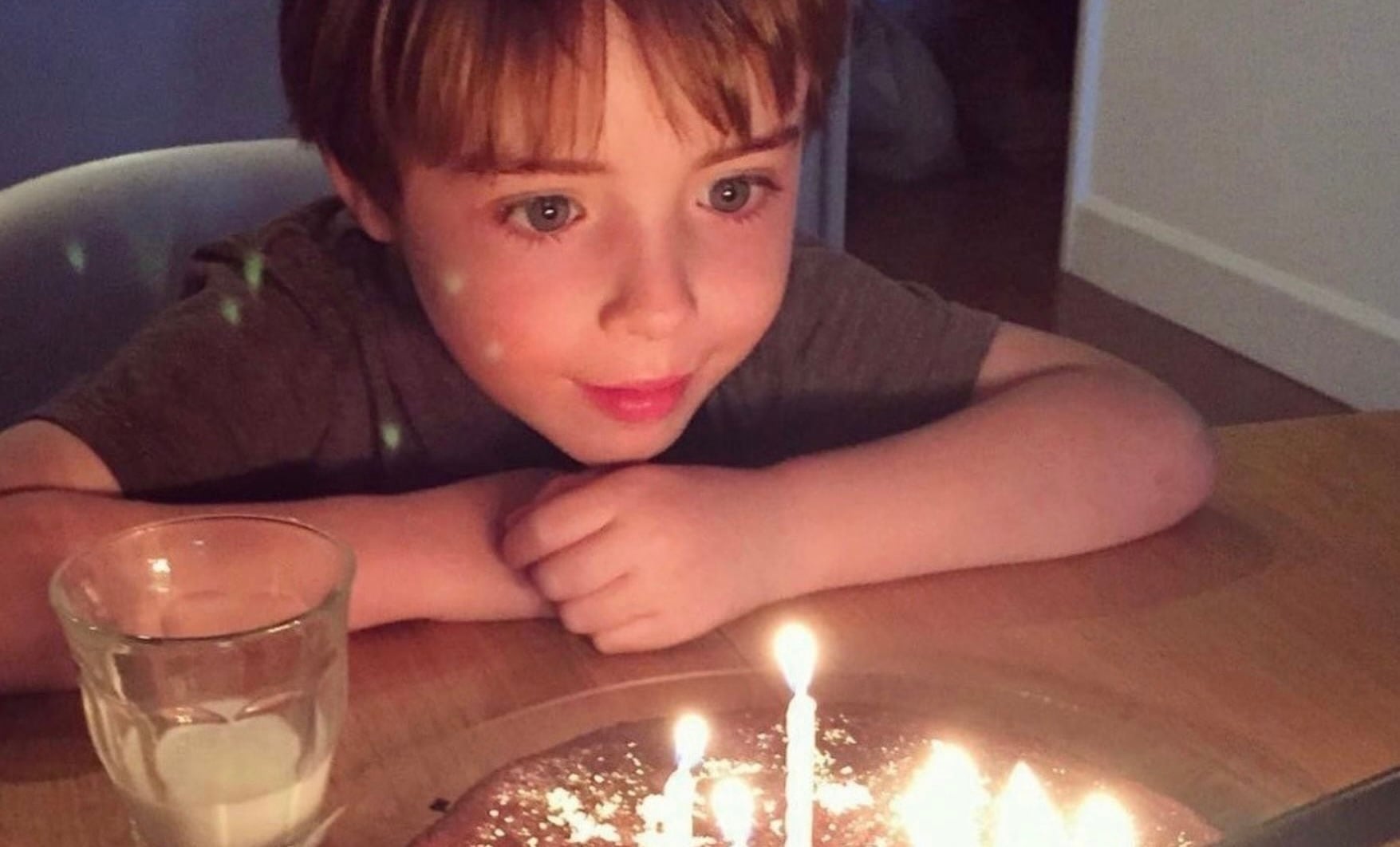
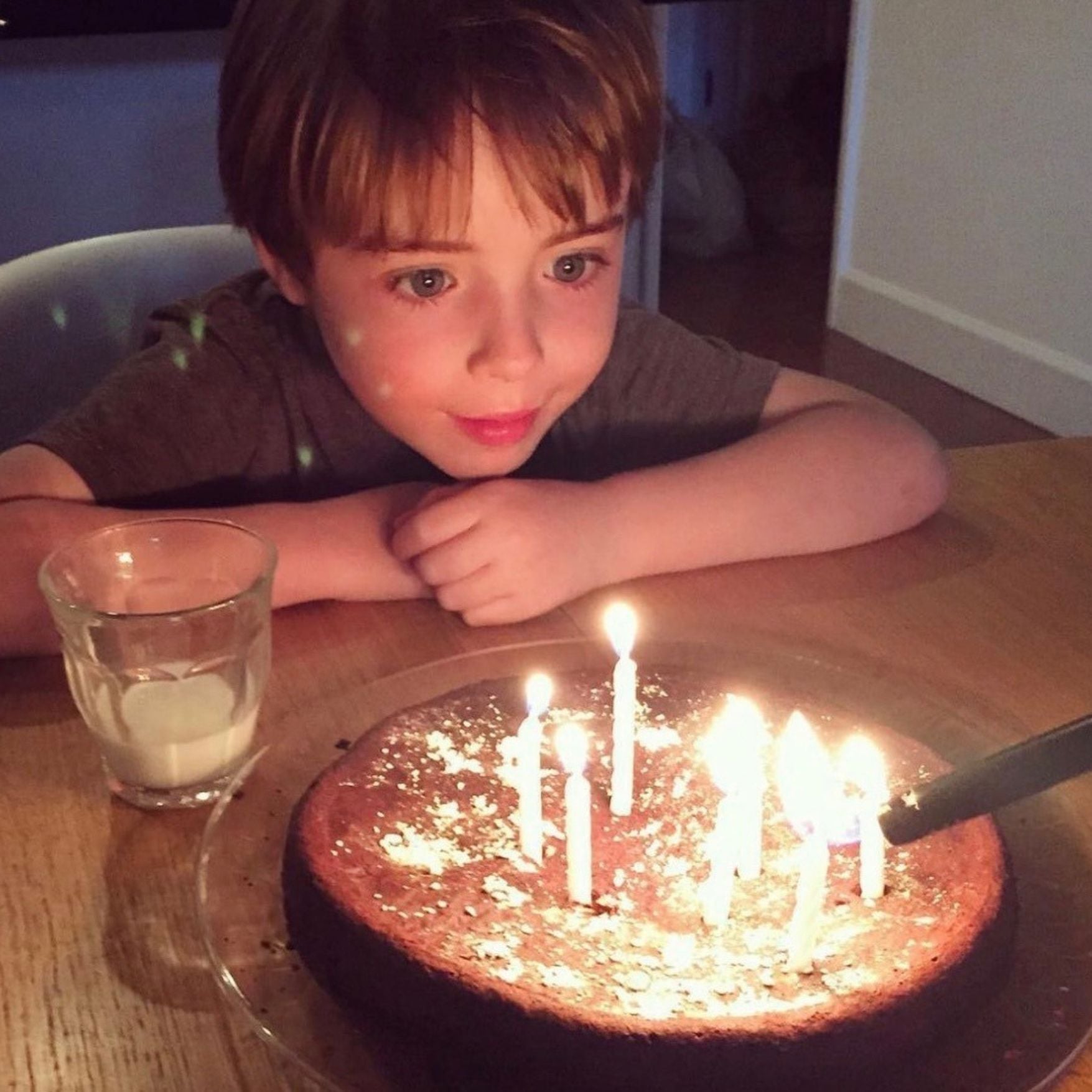
A growing trend among modern families involves a celebratory meal or dessert on the eve of the first school day. Serving a "back-to-school cake" serves a dual purpose: it marks the significance of the milestone and provides a platform for children to vocalize their nerves in a celebratory context. By blowing out candles or choosing a specific treat from a local bakery, children are encouraged to view the upcoming change as a celebratory "new year" rather than a loss of summer freedom.
Morning Nutritional Anchors
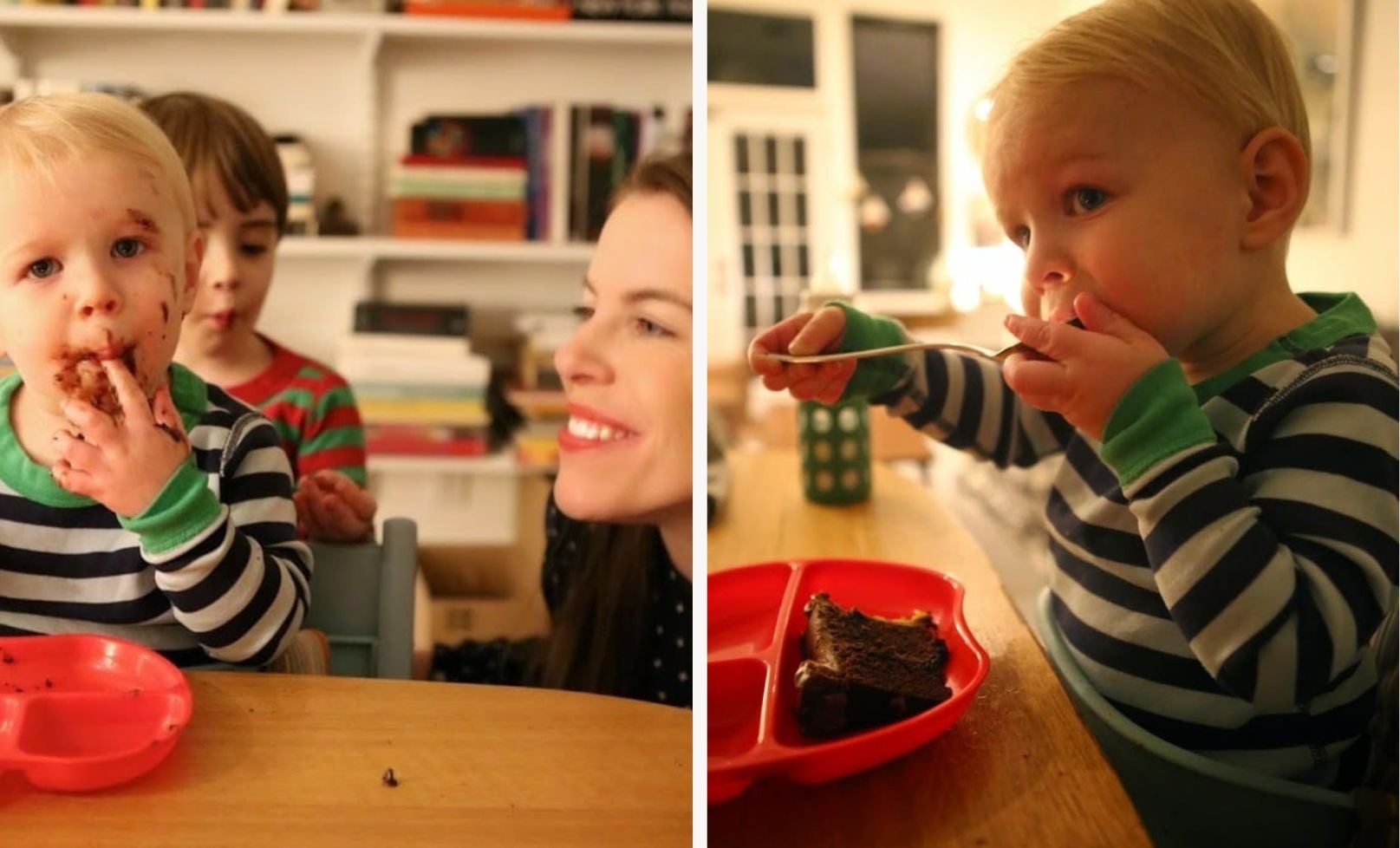
The first-day breakfast is a critical component of the transition. Beyond the nutritional necessity of fueling a day of learning, the act of preparing special items, such as warm zucchini or apple cider muffins, creates a sensory-rich environment that can soothe early morning jitters. Educators note that students who arrive at school after a structured, calm breakfast are often more regulated and ready for classroom integration than those who experience a rushed or chaotic morning.
The Economics of Preparation: Retail and Identity
The back-to-school season is the second-largest spending period for consumers in the United States, trailing only the winter holidays. According to the National Retail Federation (NRF), total back-to-school spending reached record highs in recent years, with families investing heavily in electronics, apparel, and basic supplies.
Clothing as a Tool for Confidence
For many students, apparel is a primary means of self-expression and identity formation. The process of "browsing for school clothes" is not merely a logistical necessity but a psychological preparation. Retailers such as Quince have seen a rise in the demand for high-quality, durable basics—including cotton sweaters, piqué polos, and backpacks—that balance aesthetic appeal with practical utility. Choosing an outfit for the first day allows a child to exert control over their environment, a key factor in reducing anxiety.

Logistical Efficiency in the Household
Organizational strategies, such as stocking up on specific colored socks for different children, serve to reduce "decision fatigue" for both parents and students. In a household with multiple children, color-coding essentials—such as black socks for an older child and white for a younger one—streamlines the laundry process and morning preparations. This level of logistical foresight minimizes household friction, allowing the family to focus on emotional readiness rather than searching for misplaced items.
Bibliotherapy and Emotional Support for Early Learners
For preschool and elementary-aged children, the use of literature to process emotions is a well-documented strategy known as bibliotherapy. Classic texts, such as Audrey Penn’s The Kissing Hand, provide a framework for children to understand and manage separation.
The narrative of a mother raccoon kissing her cub’s palm to provide a "portable" reminder of her love is more than a story; it is a psychological tool. By mimicking these gestures, parents can provide a physical touchstone for children to use throughout the school day. This practice aligns with attachment theory, which emphasizes the importance of a "secure base" from which children can explore new environments.
Navigating the Adolescent Shift: Autonomy and Digital Integration
As children transition into their teenage years, the nature of parental support must evolve. Adolescents navigate a complex period of "emerging adulthood," where they simultaneously crave independence and require emotional safety nets.
Granting Managed Freedom
The use of digital incentives, such as Apple Gift Cards, reflects the modern landscape of teenage life. Providing teens with the means to purchase their own accessories—such as AirPods, educational apps, or entertainment—grants them a sense of agency. This "safe freedom" allows them to manage a small budget and curate their own digital environment, which is increasingly intertwined with their social and academic lives.
Balancing Cuddles and Independence
The emotional volatility of the teenage years requires parents to remain flexible. Experts in adolescent development note that teenagers may alternate between pushing parents away and seeking intense comfort. Recognizing that a slammed door may be followed by a request for a "cuddle" is essential for maintaining a strong parent-child bond during the academic year.

The Parental Experience: Community and Mental Health
While much of the back-to-school focus is on the student, the transition also takes a significant emotional toll on parents. The "first day at the gate" is a shared cultural experience that can evoke feelings of pride, sadness, and anxiety in guardians.
The Importance of Peer Support
Mental health professionals recommend that parents "enlist a friend" for emotional support during the first week of school. Connecting with a peer who has older children can provide much-needed perspective and a "pep talk." Acknowledging that the transition is difficult for the adult as well as the child is a crucial step in maintaining a healthy household dynamic.
Institutional Support and Communication
Schools play a vital role in this ecosystem. Many institutions now host "Boo-Hoo Breakfasts" or orientation sessions for parents to foster a sense of community. Clear communication between the home and the classroom is a primary predictor of a student’s success. When parents feel connected to the school community, their children are more likely to feel secure in their new environment.

Chronology of a Successful Transition
To maximize the benefits of these strategies, a structured timeline is recommended:
- Two Weeks Prior: Begin adjusting sleep schedules by 15-minute increments. Start the "back-to-school" clothes shopping to ensure all items are laundered and ready.
- One Week Prior: Establish the "sock system" and organize the mudroom or entry area. Begin reading transition-focused books with younger children.
- The Night Before: Hold the celebratory cake ritual. Encourage children to pack their bags and lay out their clothes to minimize morning stress.
- The Morning Of: Prepare a high-protein, celebratory breakfast (e.g., muffins). Ensure a calm departure with a "kissing hand" or a brief, positive goodbye.
- The First Week: Maintain a low-pressure evening schedule. Allow extra time for rest as students adjust to the increased cognitive and social load.
Broader Impact and Long-term Implications
The way a family handles the back-to-school season sets the tone for the entire academic year. A transition marked by chaos and high stress can lead to "school refusal" behaviors or early-semester burnout. Conversely, a transition that incorporates fun, ritual, and emotional validation builds resilience.
By viewing back-to-school as a season of celebration rather than a season of dread, families can foster a lifelong love of learning. The data is clear: students who feel emotionally supported and logistically prepared are better equipped to handle the academic rigors of the classroom. As the school gates open each fall, the small acts of baking a muffin, buying a specific color of sock, or reading a story together serve as the foundation for a successful and fulfilling year of education.
