

The Psychological Landscape of the Academic Transition
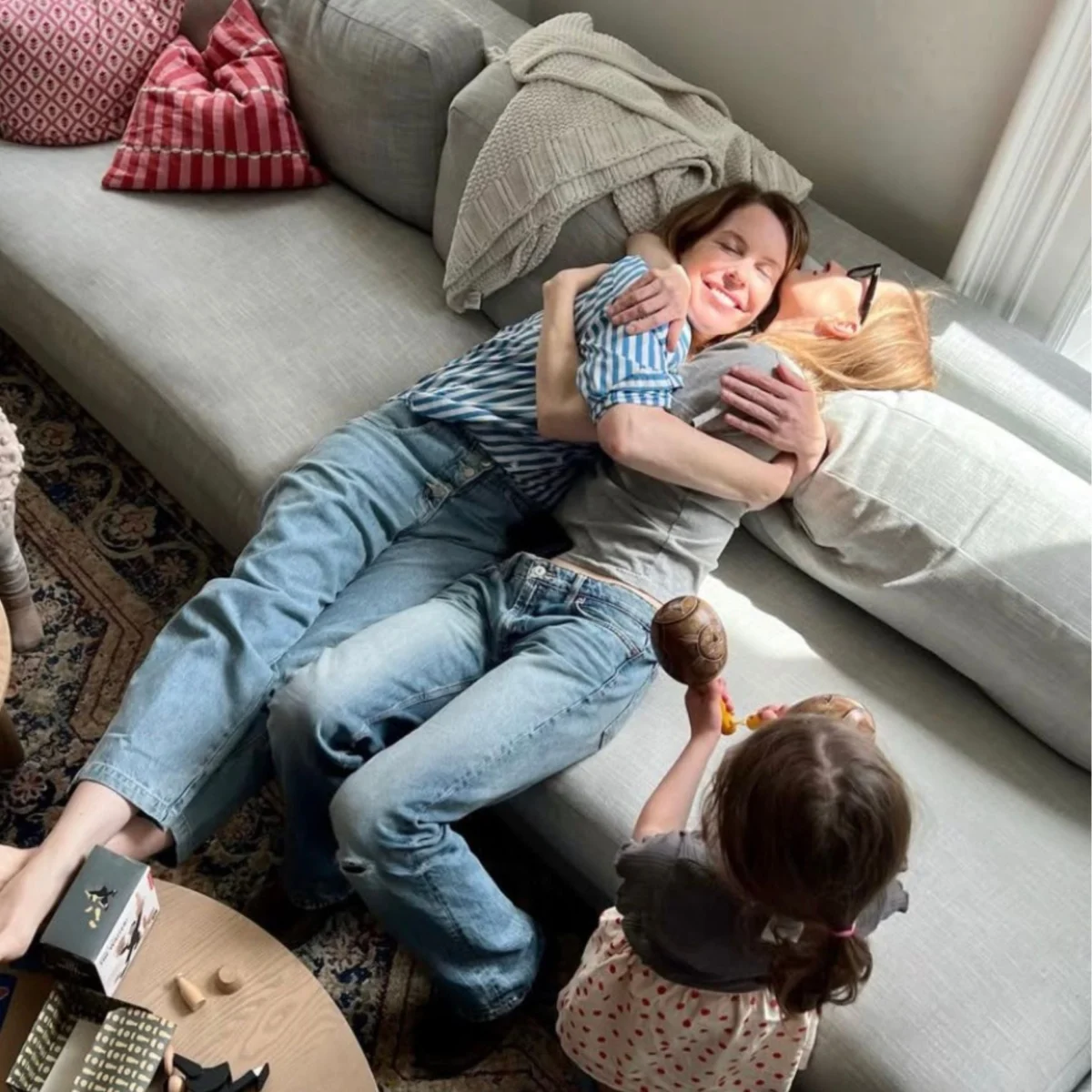
The return to the classroom is frequently characterized by a phenomenon known as "anticipatory anxiety," which manifests in both children and their primary caregivers. According to data from the American Psychological Association (APA), transitions are among the most significant stressors for school-aged children, particularly those entering new developmental stages or changing institutions. To counter these pressures, experts suggest the implementation of "anchor rituals"—consistent, celebratory actions that provide a sense of agency and predictability.
The evolution of back-to-school preparations has shifted from a utilitarian focus on inventory—such as notebooks and pencils—to a holistic approach that addresses the emotional well-being of the student. By transforming the "end of summer" from a period of loss into a season of celebratory milestones, families can effectively reframe the narrative of the new school year.
Chronology of the Back-to-School Ritual Cycle
The process of reintegration into the academic sphere typically follows a three-stage chronological progression: the anticipatory phase, the immediate eve of the transition, and the stabilization period.
The Anticipatory Phase: Retail and Resource Preparation
This stage occurs two to four weeks prior to the first day of school. It is defined by the procurement of essential goods, which serves as a tactile introduction to the coming change. Retail experts note that back-to-school shopping has become the second-largest spending period for American consumers, trailing only the winter holiday season. According to the National Retail Federation (NRF), total spending for K-12 and college supplies is projected to reach record highs in 2024, with families spending an average of $875 per household.
Integrating children into this process—allowing them to select specific items such as colorful backpacks or specialized apparel from retailers like Quince—provides a sense of autonomy. This participation is psychologically significant; it allows the student to project their identity into the school environment before they physically arrive.
The Immediate Eve: High-Value Ritualization
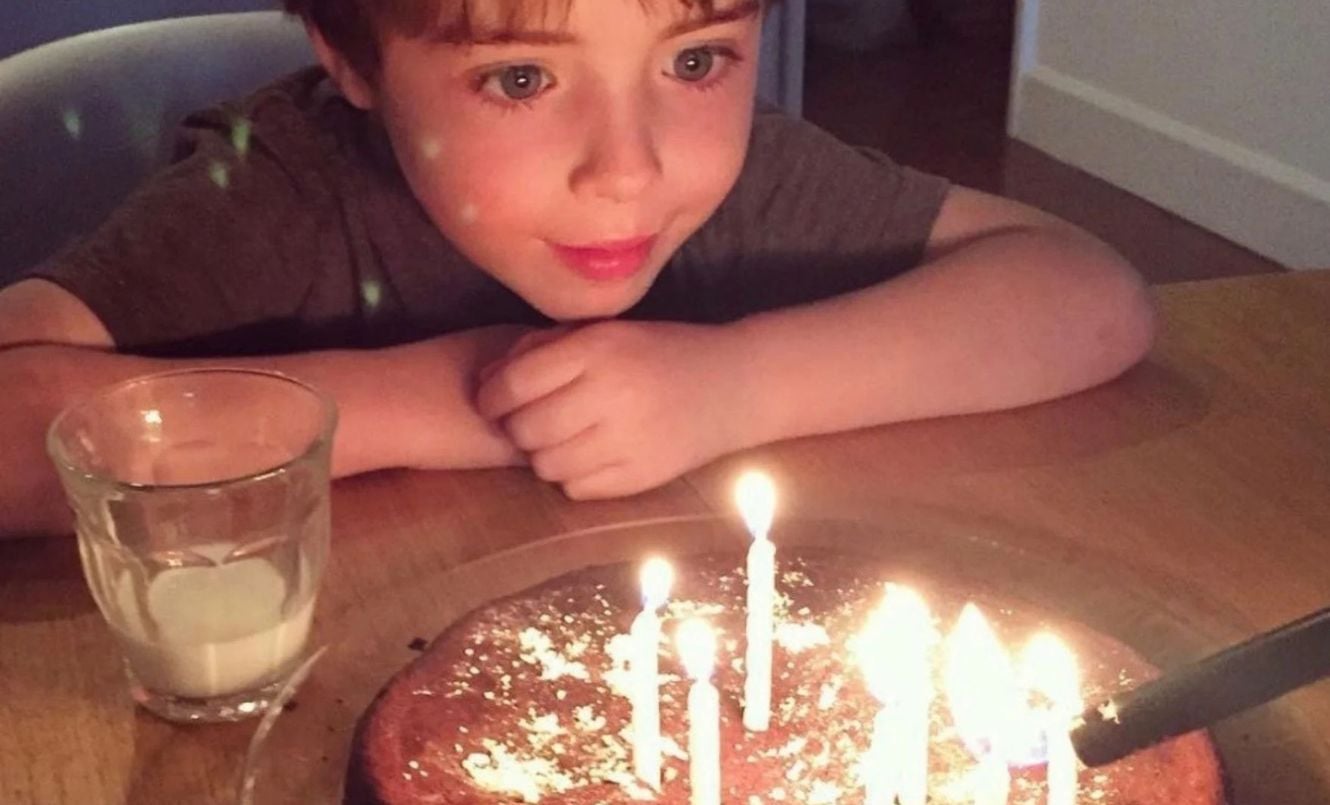
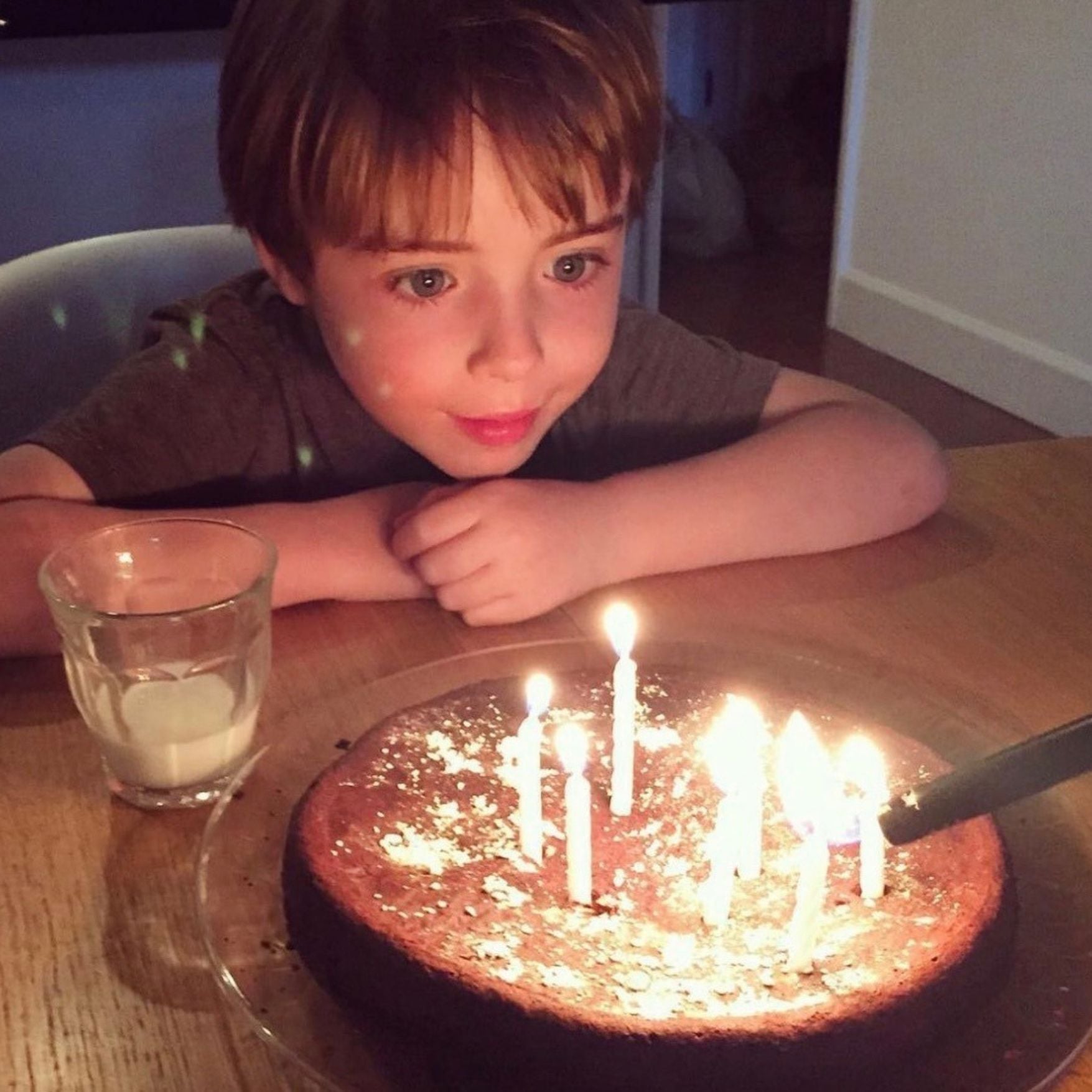
The 24 hours preceding the first bell are the most critical for emotional regulation. The introduction of high-value rewards, such as a "night-before cake," serves as a cognitive reframing tool. By lighting candles and celebrating the occasion as one would a birthday, the family signals that the commencement of school is an achievement and an opportunity rather than a chore. This positive reinforcement helps to diminish the "nervous bedtime" syndrome that often disrupts sleep patterns on the final night of summer.
The Stabilization Period: Establishing Morning Momentum
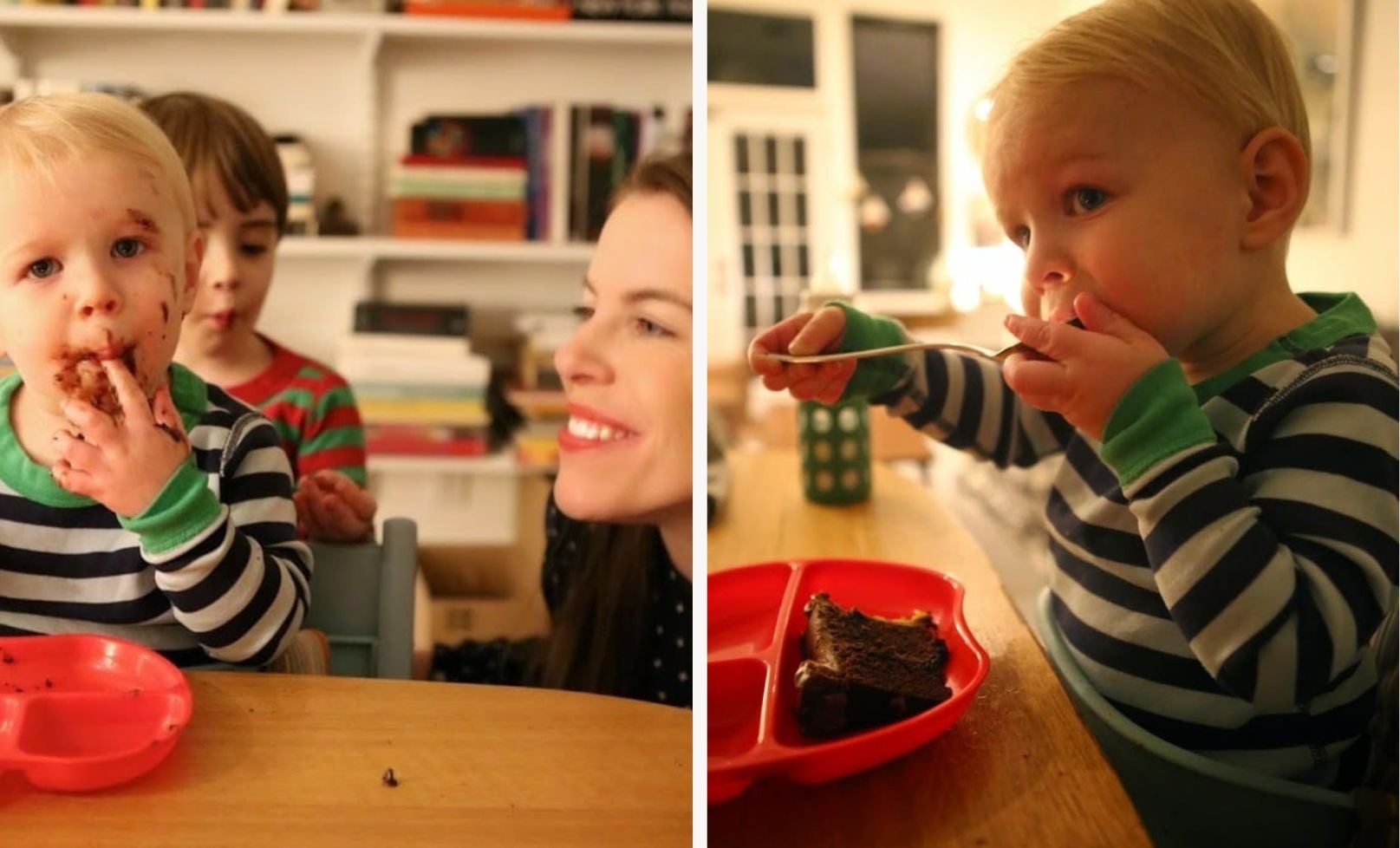
The first week of school requires the establishment of sustainable routines. The use of "sensory rewards," such as the aroma of warm muffins or a specialized breakfast, serves to soften the abrupt shift from the leisure of summer mornings to the rigid structure of the school day. Nutritional studies consistently demonstrate that a high-quality breakfast is linked to improved cognitive function and better behavioral regulation in the classroom.
Data-Driven Insights into Back-to-School Consumer Behavior
The economic implications of the back-to-school season are vast, influencing supply chains and retail strategies globally. A breakdown of current consumer trends reveals a shift toward durability and "organized simplicity."

| Category | Trend Analysis | Impact on Household Management |
|---|---|---|
| Apparel | Preference for high-quality basics (e.g., cotton sweaters, piqué polos) | Reduced morning decision fatigue and long-term cost-effectiveness. |
| Organization | Color-coded essential stocking (e.g., specific sock colors per child) | Streamlined laundry logistics and reduced domestic friction. |
| Technology | Increased use of gift cards (e.g., Apple Gift Card) for older students | Promotion of financial literacy and managed autonomy for adolescents. |
| Literature | Continued reliance on bibliotherapy (e.g., The Kissing Hand) | Effective management of separation anxiety in early childhood learners. |
The data suggests that parents are increasingly looking for "frictionless" solutions. For instance, the strategy of purchasing distinct colors of socks for different children is a pragmatic response to the "missing sock" phenomenon, which is a common source of minor domestic stress during the morning rush.
Bibliotherapy and Attachment Theory in Early Education
For younger children, particularly those in preschool and kindergarten, the primary challenge of the back-to-school season is separation anxiety. Child development specialists often recommend "bibliotherapy"—the use of literature to help children navigate complex emotions. Audrey Penn’s classic book, The Kissing Hand, remains a cornerstone of this practice.
The story, which involves a mother raccoon leaving a "kiss" in her son’s palm to carry with him to school, utilizes attachment theory to provide the child with a "transitional object." This mental or physical representation of the caregiver provides a sense of security in the caregiver’s absence. Implementation of such stories creates a shared vocabulary between parent and child, allowing the child to express fear through the lens of a fictional character.
Adolescent Autonomy and Digital Integration
As students transition into middle and high school, the nature of "fun" and "festivity" evolves from parental-led activities to self-directed choices. For teenagers, the back-to-school season is a period of "individuation-separation," where they seek to establish an identity independent of the family unit.
Educational consultants suggest that providing teenagers with digital gift cards—such as those for the Apple ecosystem—serves two purposes. First, it acknowledges their maturity by allowing them to manage a small budget for educational tools (apps, music for focus, or accessories like AirPods). Second, it maintains a "safe" boundary of support, where the parent provides the resource but the student exercises the choice. This balance of freedom and oversight is crucial for the development of executive function.
Parental Mental Health and Community Support Systems
A frequently overlooked aspect of the back-to-school transition is the emotional impact on the parents themselves. The "gate-drop" phenomenon—where parents experience a sense of loss or acute worry after leaving their children at the school entrance—is a documented emotional response.

Mental health professionals advise that parents should "enlist a friend" or establish a support network, particularly with those who have navigated older children through similar transitions. This peer-to-peer support acts as a "pep talk" mechanism, validating the parent’s emotions while providing perspective on the cyclical nature of the academic year. The recognition that "you’re doing a great job" is a vital component of parental resilience, which in turn creates a more stable environment for the student.
Broader Impact and Educational Implications
The successful management of the back-to-school transition has long-term implications for a student’s academic trajectory. Students who enter the school year with a sense of excitement and security are more likely to engage in "Social-Emotional Learning" (SEL). SEL is the process through which children and adults acquire and effectively apply the knowledge, attitudes, and skills necessary to understand and manage emotions, set and achieve positive goals, and feel and show empathy for others.
Furthermore, the ritualization of the school start-date fosters a "culture of education" within the home. When a family treats the beginning of the term as a significant and joyous event, it reinforces the value of schooling. This alignment between home and school values is one of the strongest predictors of long-term academic success and student retention.

In conclusion, the transition back to school is a multifaceted event that requires a blend of logistical preparation, psychological support, and celebratory ritual. By adopting strategies that range from the culinary (morning muffins) to the digital (gift cards for teens), and from the literary (reading The Kissing Hand) to the practical (stocking up on specific socks), families can transform a potentially turbulent period into a foundation for a successful and productive academic year. The objective remains clear: to ensure that the "walk to the school door" is met not with trepidation, but with the confidence born of a supportive and festive home environment.
