

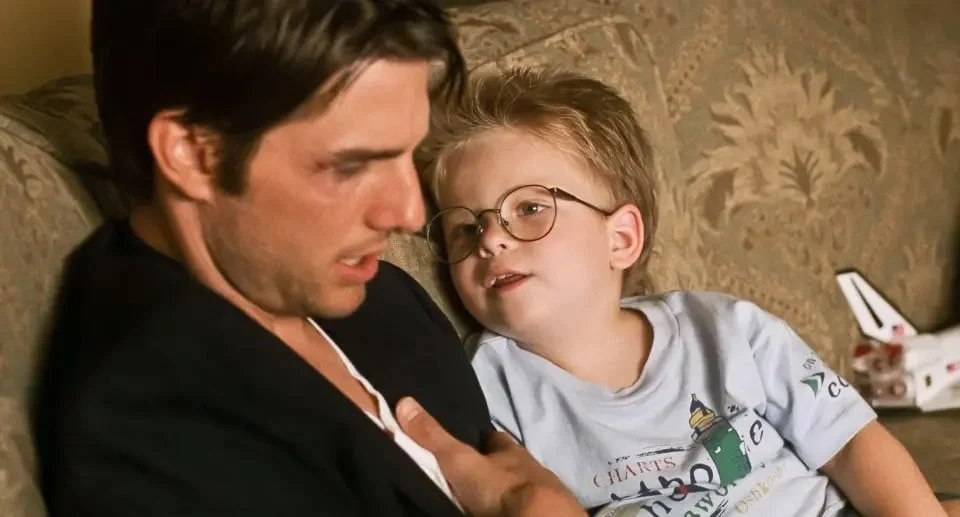
The evolution of linguistic standards within the domestic sphere has become a focal point of modern sociological and pedagogical discussion. As cultural norms shift and the boundaries between formal and informal speech continue to blur, parents are increasingly confronted with the challenge of defining "bad language" for a new generation. This discourse is no longer limited to the avoidance of traditional profanity; it now encompasses a complex matrix of etymological history, social justice, and situational etiquette. The struggle to balance personal values with the realities of a child’s expanding social world highlights a significant transition in contemporary parenting: the move from rigid, Victorian-era politeness to a more nuanced, intent-based approach to communication.
The Historical Context of Linguistic Vulgarity
Historically, the concept of "vulgarity" was rooted in class distinctions. The word "vulgar" itself derives from the Latin vulgaris, meaning "of or pertaining to the common people." In previous generations, linguistic gatekeeping was a primary tool for social mobility and class signaling. For many parents in the mid-20th century, certain behaviors—such as using straws, which were traditionally reserved for clinical settings, or referring to children as "kids" rather than "children"—were viewed as markers of lower-class status or a lack of refinement.
This legacy of "comical politeness" often created a home environment where even the mildest slang was treated with gravity. Terms like "heck," "snot," or "puke" were frequently categorized alongside severe profanity. For children raised in these environments, the transition to adulthood often involves a rejection of these perceived "fussy" standards, only for those individuals to find themselves instinctively reverting to inherited linguistic biases when they become parents themselves. This phenomenon, often referred to as "paternal gene activation" in informal psychological circles, suggests that linguistic standards are deeply embedded in an individual’s sense of order and authority.
Categorizing "Bad" Language in the Modern Era
In contemporary households, the definition of "bad language" has been restructured into three distinct categories, each requiring a different pedagogical strategy:
- Hateful and Harmful Language: This category includes slurs and words rooted in ableism, racism, or homophobia. Modern parenting experts and educators increasingly emphasize the removal of terms like "dumb," "retarded," or "crazy" from the family lexicon. The rationale is based on the linguistic theory of "semantic derogation," where words used to describe marginalized groups are repurposed as insults, thereby reinforcing systemic biases.
- Traditional Profanity (The "F-Bomb" Spectrum): These are words that are socially taboo but do not necessarily target a specific identity. The policy on these words varies wildly between households, with some parents adopting a "zero-tolerance" policy and others focusing on "situational appropriateness."
- Informal Slang and "Gross-out" Words: This includes terms like "snot," "butt," or "fart." While harmless, these words often trigger a "fussiness" response in parents who associate them with a lack of decorum.
Data and Developmental Milestones
Research in child development suggests that children begin to understand the power of "taboo" words as early as age three or four. According to a study published in the Journal of Child Language, children typically acquire their first "swear words" before they start primary school, often through mimicry of parents, older siblings, or media.
The transition to "real school"—typically around the age of six or seven (first grade)—marks a significant shift in a child’s linguistic environment. At this stage, children are exposed to a broader "peer-group lexicon." Data from educational sociologists indicate that the desire to use "big-kid words" is a fundamental part of social integration and identity testing. For parents, this period necessitates a shift from simple prohibition to a more complex explanation of why certain words are used in specific contexts.
The Hamilton Effect: Pop Culture and Linguistic Conflict
The rise of sophisticated media aimed at families has further complicated the "bad language" policy. A primary example is the musical Hamilton, which has become a staple in many households. The production contains historically accurate but linguistically "rough" terms, such as "bastard," "orphan," and "son of a whore."
Parents today face the paradox of allowing their children to consume high-art media that contains profanity while simultaneously forbidding them from using those same words in daily conversation. This necessitates a "contextual education" where parents must explain the difference between artistic expression and personal address. The challenge lies in explaining that while a word might be historically or artistically valid, it remains socially inappropriate for a six-year-old to use in a classroom setting.
Expert Perspectives on Profanity and Parenting
Child psychologists often advocate for a "low-emotion" response to "bad language." Dr. Timothy Jay, a world-renowned expert in cursing and a professor emeritus of psychology at the Massachusetts College of Liberal Arts, argues that swearing is a sophisticated social tool. His research suggests that by age 12, children have a swearing vocabulary similar to adults.
"The idea that kids are being harmed by hearing or using these words isn’t supported by the data," Jay has noted in various academic journals. Instead, he suggests that the harm comes from the intent—using language to bully or demean—rather than the words themselves.
Conversely, many educators argue that maintaining a "clean" linguistic environment in the home helps children develop a broader vocabulary. When "bad" words are removed as an easy emotional outlet, children are forced to find more precise descriptors for their feelings, such as "frustrated," "exhausted," or "overwhelmed," rather than relying on a singular profanity.
Chronology of Linguistic Boundaries: A Parental Timeline
- Ages 2-4 (The Mimicry Phase): Children repeat words for the phonetic satisfaction or to observe the adult reaction. Policy: Neutral redirection.
- Ages 5-7 (The Social Testing Phase): Children bring home words from school to test boundaries and establish status. Policy: Defining "school words" vs. "home words."
- Ages 8-12 (The Comprehension Phase): Children begin to understand the nuances of slurs and the weight of social taboos. Policy: In-depth discussions on the history of harmful language.
- Ages 13+ (The Autonomy Phase): Adolescents use language to differentiate themselves from their parents. Policy: Negotiating "situational appropriateness" and professional decorum.
Broader Implications and Societal Shifts
The shift in how families handle "bad language" reflects a broader societal move toward emotional intelligence and inclusivity. By prioritizing the removal of ableist language over traditional "potty talk," modern parents are signaling a change in values. The "vulgarity" of the past was about appearance; the "harm" of the present is about impact.
However, the "fussy" gene remains a persistent element of the parental experience. The internal conflict between wanting to be a "principled" parent and the instinctive urge to correct "snot" to "mucus" highlights the lingering influence of traditional etiquette. As children enter the "big-kid" world of first grade, they bring with them a new set of challenges: homework, social hierarchies, and a rapidly expanding vocabulary of "feather-ruffling" words.
Conclusion: The Strategy of Intent
Ultimately, the policy on "bad language" is moving away from a list of forbidden words toward a framework of respect and context. While the desire to prevent a six-year-old from "dropping f-bombs" remains a standard parental instinct, the methods of enforcement are changing. Parents are increasingly tasked with being linguists as much as disciplinarians, explaining the weight of "God," the history of "bastard," and the clinical accuracy of "mucus."
As the domestic sphere continues to adapt, the question remains: is the goal to raise a child who is "polite" by 1950s standards, or a child who is "respectful" by 21st-century standards? The answer likely lies in the balance between the two—a strategy that acknowledges the ridiculousness of inherited fussiness while maintaining a firm line against language that causes genuine harm.
