

Black Breastfeeding Week, observed annually during the last week of August, stands as a crucial initiative dedicated to elevating the voices and lived experiences of Black women in the realm of infant feeding. This concerted effort addresses a historical landscape where the narratives and unique challenges faced by Black mothers have been profoundly underrepresented and often overlooked within mainstream public health discourse and support systems. The week aims to foster a sense of community, advocate for equitable support, and celebrate the journey of Black families navigating breastfeeding, a practice with significant health and cultural implications.
The Genesis and Mission of Black Breastfeeding Week
Established in 2012, Black Breastfeeding Week emerged from a critical recognition by advocates and public health professionals that despite the universal benefits of breastfeeding, Black women in the United States face disproportionately lower rates of initiation and duration compared to their white counterparts. This disparity is not merely a statistical anomaly but a deeply rooted issue stemming from centuries of systemic racism, historical trauma, and a pervasive lack of culturally congruent support. Pioneers like Kimberly Seals Allers, Kiddada Green, and Anayah Sangodele-Ayoka spearheaded the movement to create a dedicated space where Black mothers could see themselves reflected, find solidarity, and receive targeted resources.
The primary objectives of Black Breastfeeding Week are multifaceted: to normalize breastfeeding within the Black community, increase the number of Black lactation professionals, highlight the unique cultural context of Black breastfeeding, and ultimately, improve health outcomes for Black mothers and infants. It serves as a vital platform for education, advocacy, and celebration, pushing back against the historical erasure and marginalization that have long characterized the experiences of Black women in maternal and infant health. The week also seeks to dismantle systemic barriers, challenge implicit biases in healthcare, and empower Black families to make informed feeding choices supported by a robust and understanding community.
Historical Context and Systemic Barriers to Black Breastfeeding
Understanding the current disparities requires an examination of historical and systemic factors. The legacy of slavery profoundly impacted breastfeeding practices among Black women. Enslaved Black women were often forced to wet-nurse the children of their enslavers, frequently at the expense of nursing their own infants, a practice that severed the natural mother-child bond and commodified Black women’s bodies and breast milk. This deeply traumatic history contributed to a complex relationship with breastfeeding that persisted for generations.
In the post-slavery era and throughout the 20th century, aggressive marketing of infant formula disproportionately targeted Black communities. Coupled with limited access to quality healthcare, economic hardships, and a healthcare system that often failed to provide culturally sensitive lactation support, these factors contributed to a decline in breastfeeding rates among Black women. Studies from the Centers for Disease Control and Prevention (CDC) consistently show that Black women have lower rates of breastfeeding initiation and duration compared to white and Hispanic women. For instance, while national breastfeeding initiation rates hover around 83%, for Black infants, this figure has historically been lower, with duration rates also significantly trailing. These statistics underscore a persistent equity gap that Black Breastfeeding Week actively seeks to close.
Beyond historical context, contemporary barriers include a lack of diverse representation among lactation consultants, leading to a shortage of professionals who understand the specific cultural nuances and challenges faced by Black mothers. Implicit bias in healthcare settings, where Black women’s pain and concerns are often dismissed, further exacerbates difficulties. Additionally, socioeconomic factors such as demanding work schedules, limited parental leave, and insufficient workplace pumping accommodations disproportionately affect Black women, making sustained breastfeeding a significant challenge.
The Indispensable Role of Storytelling and Community: A La Leche League Perspective
In this landscape, organizations like La Leche League (LLL) play a crucial role by emphasizing the power of personal narratives. La Leche League’s philosophy, deeply rooted in the belief that "stories matter," recognizes that sharing individual experiences connects mothers to a broader, global community of peers. This connection fosters mutual learning, empathy, and invaluable support. For Black mothers, whose stories have often been silenced, this platform is particularly vital. It allows for the validation of experiences, the sharing of wisdom, and the creation of safe spaces where unique challenges can be openly discussed.
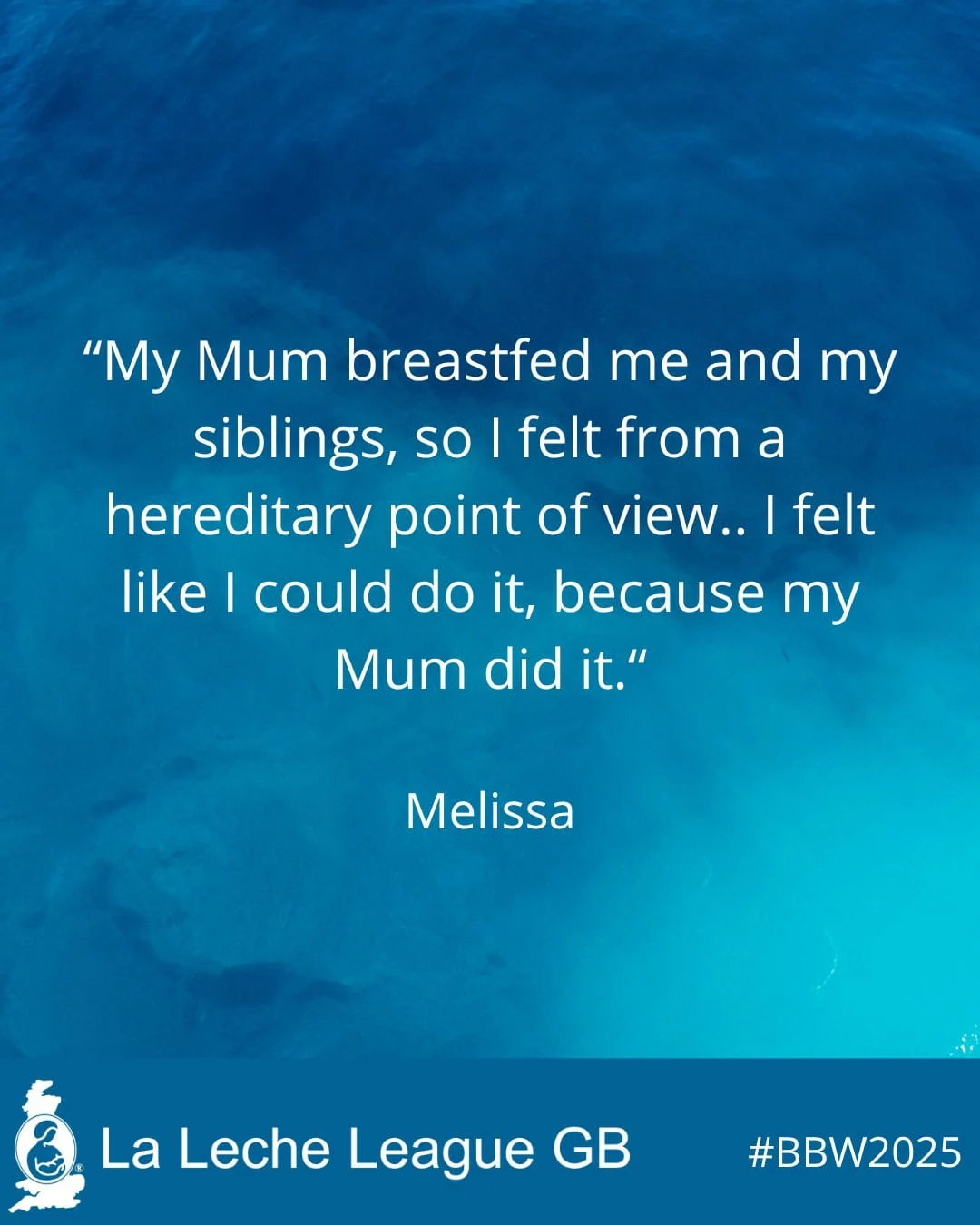
Melissa, a mother from London, exemplifies the profound impact of this approach. Her decision to record audio notes of her breastfeeding journey, captured candidly while walking and soothing her five-month-old to sleep, offers an intimate glimpse into the everyday realities of motherhood and the search for connection. Her willingness to share her experiences, from her initial perceptions to the challenges she faced and the community she built, provides an invaluable resource for others navigating similar paths. This act of sharing is not just personal; it is a powerful form of advocacy and education.
Melissa’s Journey: Navigating Perceptions, Barriers, and the Quest for Community
Melissa’s reflections, though presented as questions in the original framework, implicitly reveal a common trajectory for many Black mothers. Her journey underscores several critical aspects:
-
The Personal Significance of Breastfeeding: For many mothers, including Melissa, breastfeeding transcends mere infant feeding; it becomes a deeply personal act of nurturing, bonding, and empowerment. It can represent a commitment to optimal infant health, a connection to ancestral practices, or a reclamation of bodily autonomy. In a context where Black women’s health choices have often been dictated by external forces, choosing to breastfeed can be a powerful statement of agency and love. The health benefits—reduced risk of infections, allergies, and chronic diseases for infants, and lower risks of certain cancers and type 2 diabetes for mothers—are well-documented motivators, but the emotional and cultural dimensions are equally profound.
-
Pre-Parental Perceptions and Family Influence: Melissa’s inquiry into pre-parental perceptions and family breastfeeding history highlights a significant generational and cultural gap. Many Black women grow up without witnessing breastfeeding due to the historical factors mentioned earlier. This lack of visible role models can lead to misconceptions, a sense of isolation, or even pressure to conform to bottle-feeding norms. Without firsthand exposure, new mothers might embark on their journey with limited knowledge, making early challenges feel more daunting. The absence of a family tradition of breastfeeding often means a lack of informal, immediate support, pushing mothers to seek external resources.
-
The Impact of Friends’ and Family’s Attitudes: Social support is a cornerstone of successful breastfeeding. Melissa’s experience likely reflects the spectrum of reactions from her immediate circle. While some friends and family may offer unwavering encouragement, others might express skepticism, discomfort, or even subtle disapproval rooted in outdated beliefs or personal experiences. Misinformation, cultural taboos, or even well-meaning but unhelpful advice can undermine a mother’s confidence. The crucial need for a "likeminded community" often arises when a mother’s immediate social network fails to provide the informed, empathetic support necessary for sustained breastfeeding.
-
Unforeseen Challenges and Barriers: The journey of breastfeeding is rarely without hurdles. Melissa’s question about what she wished she had known before embarking on her feeding journey speaks to the common experience of unpreparedness. Barriers can range from physiological difficulties like latch issues, pain, and low milk supply, to practical challenges such as lack of privacy for pumping at work, insufficient leave, or societal judgment when breastfeeding in public. For Black mothers, these universal challenges are often compounded by the additional layers of systemic racism, implicit bias from healthcare providers, and the emotional toll of navigating spaces where they feel unseen or unheard. The search for a "likeminded community" often begins as a direct response to these unexpected and isolating barriers.
-
Seeking and Finding Useful Sources of Help and Support: Overcoming these barriers necessitates proactive engagement with support systems. Melissa’s journey likely involved seeking out reliable information and professional guidance. This could include certified lactation consultants (IBCLCs), peer support groups, online forums, and organizations like La Leche League. The quality and cultural competence of this support are paramount. For Black mothers, finding a lactation consultant of color or a support group specifically for Black mothers can make a significant difference, fostering trust and creating a space where their unique experiences are understood and validated.
-
The Deliberate Construction of a Supportive Community: The very title of Melissa’s shared experience, "I needed a likeminded community," underscores the active, often intentional, process of building a support network. In the absence of immediate, culturally sensitive support from family or general healthcare, many mothers must actively seek out peers who share similar values, challenges, and aspirations regarding breastfeeding. For Melissa, this likely meant connecting with other Black mothers, joining LLL meetings, or participating in online groups that offered affirmation, practical advice, and emotional solidarity. This self-built community becomes a vital buffer against isolation and a source of resilience, enabling mothers to navigate their feeding journey with greater confidence and success.
Official Responses and Broader Organizational Efforts
The recognition of these disparities has prompted a broader response from public health agencies and advocacy groups. The CDC, through initiatives like the National Center for Chronic Disease Prevention and Health Promotion, actively promotes breastfeeding and works to identify and address racial disparities. The World Health Organization (WHO) also advocates for supportive environments for breastfeeding mothers globally, with a particular focus on vulnerable populations.
Beyond La Leche League, several organizations specifically champion Black breastfeeding. The Black Mothers’ Breastfeeding Association (BMBFA), founded by Kiddada Green, focuses on education, advocacy, and support for Black families. Reaching Our Sisters Everywhere (ROSE), founded by Kimberly Seals Allers, works to normalize breastfeeding in Black communities through culturally appropriate education and community-based support. These organizations, often working in tandem, are instrumental in creating the systemic change and community-level support that Melissa and countless other mothers seek. Their efforts include training Black lactation professionals, developing culturally relevant educational materials, and advocating for policies that support Black breastfeeding families in workplaces and healthcare settings.
Broader Impact and Future Implications
The ongoing work of Black Breastfeeding Week and the stories shared within its framework have far-reaching implications. By elevating Black voices, the initiative not only supports individual mothers but also contributes to a larger movement for health equity. Increased breastfeeding rates among Black women are linked to improved infant and maternal health outcomes, reducing the burden of chronic diseases and contributing to healthier families and communities. This also represents a form of cultural reclamation, reconnecting Black families with a practice that has historically been disrupted and stigmatized.
The call for stories, such as those encouraged for La Leche League’s "Breastfeeding Matters" publication, or through direct engagement at meetings, is a testament to the enduring power of shared experience. Each story contributes to a growing tapestry of knowledge, empathy, and advocacy. They serve as a beacon for new mothers, letting them know they are not alone, validating their struggles, and celebrating their triumphs.
Moving forward, the continued success of efforts like Black Breastfeeding Week will depend on sustained investment in culturally competent care, policy changes that support working mothers, and continued community-building initiatives. The collective sharing of stories, like Melissa’s, will remain a cornerstone of this movement, fostering a world where every Black mother feels seen, heard, and supported in her breastfeeding journey, ultimately contributing to a more equitable and healthier society for all. The commitment to providing diverse platforms for sharing these narratives is not merely about telling a story; it is about rewriting a history of marginalization and building a future of empowerment and health equity.
