


The journey of infant feeding often involves various pathways, and for many families, the initial period necessitates the use of supplementary milk, whether formula, donor milk, or expressed breast milk, delivered via bottles, cups, or other feeding tools. The process of transitioning a baby from these supplements back to exclusive or increased direct breastfeeding is a significant and often complex undertaking, requiring careful planning, consistent support, and a deep understanding of both infant and maternal needs. This article delves into the intricacies of this transition, providing a framework for parents and caregivers, underpinned by expert guidance and practical considerations.
The Initial Need for Supplementary Feeding
Babies may require supplementary milk for a multitude of reasons, often stemming from challenges in the immediate postpartum period or specific medical circumstances. These reasons can broadly be categorized into maternal factors, infant factors, and logistical issues.
Maternal factors frequently include delayed onset of abundant milk supply (lactogenesis II), which can be influenced by medical conditions such as polycystic ovary syndrome (PCOS), thyroid disorders, or previous breast surgeries. Insufficient glandular tissue (IGT), a less common but significant factor, can also limit a mother’s capacity to produce a full milk supply. Additionally, medications administered during labor and delivery, maternal illness, or significant blood loss can temporarily impact milk production.
Infant factors are equally diverse. Prematurity, where babies are born before their systems are fully developed, often means they lack the coordination, strength, or endurance required for effective breastfeeding. Similarly, babies with certain medical conditions, such as jaundice, congenital heart defects, or neurological impairments, may be too sleepy, weak, or uncoordinated to feed adequately at the breast. Oral anatomical variations, such as tongue-tie or palate issues, can also impede a baby’s ability to latch effectively and transfer milk efficiently. In some cases, babies may simply be reluctant to latch or may have developed a preference for the faster flow of a bottle, making direct breastfeeding challenging.
Logistical issues, such as a prolonged separation between mother and baby after birth, or inadequate early breastfeeding support, can also contribute to the need for supplements. In these situations, babies might miss crucial early opportunities to establish breastfeeding, and mothers might not receive the timely guidance needed to optimize their milk supply.
Regardless of the underlying cause, the primary objective remains ensuring the baby receives sufficient nutrition for healthy growth and development. Supplements serve a vital role in bridging any nutritional gaps, providing the necessary calories and nutrients for a baby to thrive and, crucially, to have the energy required to engage in the demanding work of feeding at the breast. Organizations like La Leche League (LLL) provide extensive resources on increasing milk production and safely administering supplements, recognizing the foundational importance of adequate nutrition.
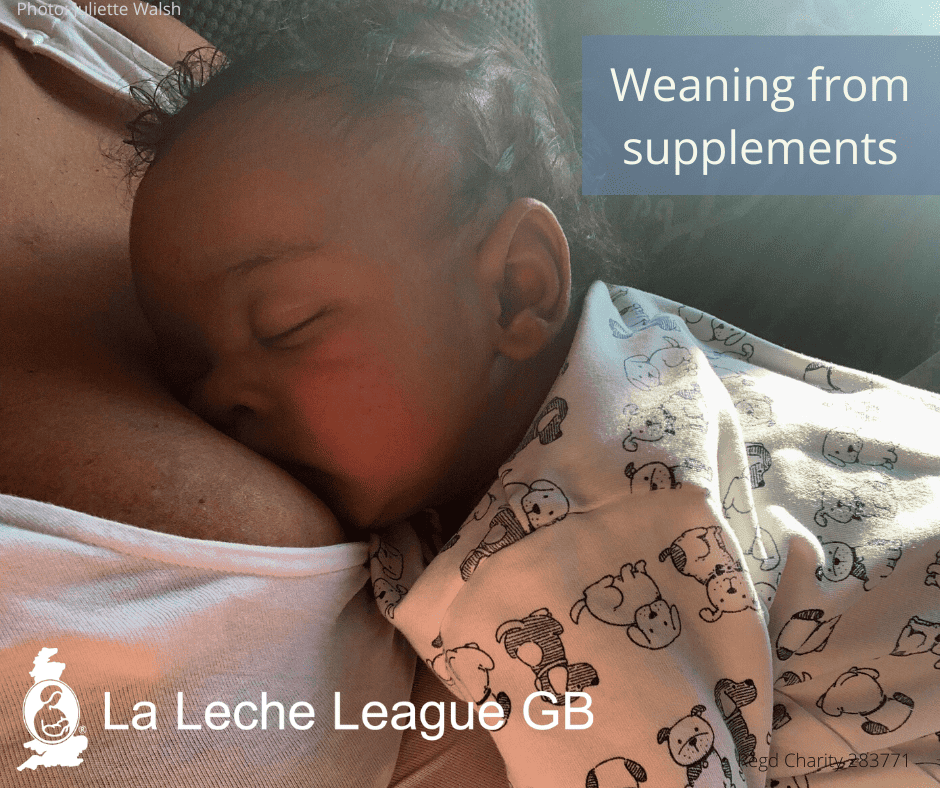
The Goal: Exclusive Breastfeeding or a Sustainable Mixed-Feeding Plan
While many babies who initially require supplements successfully transition to exclusive direct breastfeeding, it is important to acknowledge that this outcome is not universally achievable. Modern obstetrics and neonatology have advanced significantly, leading to the survival of more complex cases, which can sometimes introduce complications that make exclusive breastfeeding challenging or, in some instances, unattainable. The journey is highly individual, and predicting the exact outcome for any given family is impossible. The overarching aim, however, is to empower families to find a feeding method that is both sustainable and satisfying for both parent and child, whether that means exclusive breastfeeding, a combination of breastfeeding and supplements, or exclusive supplementary feeding.
The aspiration for many parents is to achieve a state where their baby receives all the milk needed directly at the breast. This is supported by research indicating the profound health benefits of human milk, which include enhanced immunity, optimal neurological development, and reduced risks of various childhood illnesses. For mothers, breastfeeding can reduce the risk of certain cancers and improve postpartum recovery. However, for those who cannot achieve exclusive breastfeeding, partial breastfeeding still offers significant benefits, and the emotional bond forged through feeding remains invaluable.
Laying the Foundations: Prioritizing Baby’s Health and Growth
Before embarking on any plan to reduce supplements, the baby’s health and growth must be firmly established. A well-fed baby possesses the energy and strength necessary to feed more effectively at the breast. This principle is paramount: reducing supplements prematurely can jeopardize a baby’s growth and overall well-being. Close collaboration with healthcare providers, including pediatricians, midwives, health visitors, and specialized breastfeeding supporters (such as LLL Leaders or board-certified lactation consultants), is essential to monitor the baby’s progress and tailor a safe and effective plan.
Monitoring a baby’s growth is typically done through regular weight checks. While standard weighing schedules (e.g., at five days, ten days, six to eight weeks, and monthly thereafter) are adequate for thriving babies, a more frequent schedule is crucial during the transition phase. Weekly weighing, gradually extending to fortnightly and then monthly as progress is confirmed, provides timely feedback on the effectiveness of the feeding plan and allows for prompt adjustments if necessary. This proactive monitoring helps prevent significant weight loss or faltering growth, which could necessitate a reversal of the reduction strategy.
When administering supplements, careful attention to feeding techniques is vital to avoid over-feeding. Babies possess a natural sucking reflex, and they will often suck on anything placed in their mouths, including bottles, even if they are not truly hungry. Paced feeding, a technique that mimics the natural pauses of breastfeeding by allowing the baby to control the flow and take breaks, is recommended when using bottles. This approach helps babies recognize their satiety cues and prevents them from consuming more milk than they need, which could inadvertently reduce their appetite for direct breastfeeding.
For premature or sleepy babies, whose natural hunger cues might be underdeveloped or suppressed, active encouragement to feed is often necessary. In these cases, consistent monitoring of wet and dirty diapers, along with weight gain, becomes the most reliable indicator of adequate milk intake.

Defining the Feeding Goal: A Personalized Approach
The path forward hinges on the parent’s defined feeding goal. This goal might range from achieving exclusive direct breastfeeding to establishing a comfortable and sustainable mixed-feeding pattern, or even maintaining exclusive supplementary feeding while maximizing the emotional and physical benefits of closeness at the breast. For those who aspire to increase direct breastfeeding and reduce or eliminate supplements, a structured and supported approach is critical.
This involves securing robust support from a breastfeeding helper and the wider healthcare team. A personalized plan, taking into account the unique circumstances of the mother and baby, is non-negotiable for safety and effectiveness. The process of reducing supplements is analogous to crossing a rickety bridge: it requires caution, gradual steps, and constant checks to ensure stability. Rushing the process can compromise both the baby’s nutrition and the mother’s milk supply.
Phase One: Maximizing Maternal Milk Production
For mothers whose babies currently receive donor milk or formula, and whose goal is to increase the proportion of their own milk, maximizing milk production is the most time-critical step. While babies are innately wired to breastfeed and can learn or relearn to latch effectively for many weeks or even months after birth, the window for significantly increasing milk supply is considerably shorter.
Milk production typically peaks around one month postpartum, with the most substantial increases occurring within the first two weeks. After this initial period, the body’s hormonal signals for increasing milk volume become less responsive, making it harder to significantly boost supply. Therefore, early and consistent action is key.
The cornerstone of increasing milk production is frequent and effective milk removal. This means either direct breastfeeding more often and effectively, or pumping/hand expressing frequently. Simply being advised to "breastfeed more often" can be misleading and potentially unsafe if the baby is not yet efficient at the breast. In such scenarios, the baby might not be transferring enough milk to stimulate increased production, and simultaneously might not be getting enough to eat, leading to insufficient growth. In these cases, the mother often needs to take on the "work" of milk production through pumping, separate from the baby’s direct feeds.
Prioritizing milk production before aggressively reducing supplements allows the mother to build a robust supply, which in turn facilitates the transition to direct breastfeeding. When a plentiful supply is established, babies can feed more efficiently and feel more satisfied at the breast, making them more willing to continue.

Signs that milk production is increasing include softer breasts after feeding or pumping, a greater volume of expressed milk, and a noticeable increase in the baby’s wet and dirty diapers. While the average baby between one and six months consumes approximately 800ml of milk in 24 hours, individual needs vary significantly, ranging from 600ml to 1300ml. The practical guideline is to produce enough milk to satisfy the baby’s hunger and support healthy growth, and ideally, to replace all or most external supplements with the mother’s own milk. This may involve building a freezer stash of expressed milk, particularly for mothers of premature or unwell babies who may require larger volumes later on.
It is important to acknowledge that despite best efforts, some mothers may reach the physiological limit of their milk production and may not be able to produce all the milk their baby needs. This realization can be deeply disappointing. However, it is crucial to remember that any amount of human milk provides invaluable benefits to the baby, offering protection and unique nutritional components that no other milk can replicate. Continuing to breastfeed or express, even partially, remains a highly beneficial choice. In such cases, the focus shifts to maintaining the established milk supply, which can be achieved by consistently removing the same volume of milk through feeding or pumping. Over time, especially after the introduction of solid foods around six months, a baby’s overall milk needs gradually decrease, often making it easier to reduce or eliminate formula supplements while maintaining a cherished breastfeeding relationship.
Phase Two: Gradual Transition to the Breast
Once an adequate milk supply is established, the focus shifts to transitioning the baby to direct breastfeeding and gradually reducing supplements. This phase requires individualized guidance from a breastfeeding helper, such as a La Leche League Leader or an NHS Infant Feeding Team specialist.
Key strategies and tools for this transition include:
- Skin-to-skin contact: Promotes bonding, regulates baby’s temperature and heart rate, and stimulates feeding instincts.
- Breast massage and compression: Helps increase milk flow during feeding, encouraging the baby to stay at the breast.
- Nursing at the breast before offering supplements: Gives the baby the opportunity to practice latching and feeding when most hungry.
- Using a Supplemental Nursing System (SNS): This device allows the baby to receive supplementary milk through a tube taped to the breast while simultaneously nursing, providing both nutrition and breast stimulation. This can be particularly effective for babies who struggle with latch or milk transfer, as it provides immediate gratification and associates the breast with a full feeding.
- Cup or finger feeding: These methods can be used for supplements instead of bottles, to avoid nipple confusion or preference for the faster flow of a bottle.
When all preparatory steps are in place – the mother has a robust milk supply, the baby is growing well, and professional support is secured – the actual process of reducing supplements can begin. The core principles for this phase include:
- Gradual Reduction: Supplements should be reduced incrementally, one feed or a small volume at a time. This allows both the baby and the mother’s body to adjust. Rapid reductions can lead to insufficient intake for the baby or engorgement and a potential drop in milk supply for the mother.
- Close Monitoring of Baby’s Output and Weight: Daily checks of wet and dirty diapers, alongside weekly weight checks, are non-negotiable. Any signs of decreased output or faltering weight gain necessitate an immediate pause or reversal of the reduction plan. The baby’s growth is the most reliable indicator of success.
- Flexibility and Patience: The process is rarely linear. Some days may be more successful than others. Parents should be prepared for setbacks and understand that patience is key. If a breastfeeding session is stressful for either parent or baby, offering a supplement to ensure adequate intake and preserve the positive feeding relationship is always an option.
For premature babies, the transition may take longer, often extending beyond their original due date. Their immature systems and potential health complications mean they need more time to develop the coordination and stamina for full direct breastfeeding. Connecting with other families who have navigated similar journeys can provide invaluable emotional support and practical insights.
A structured approach to reducing expressing, for example, might involve reducing pumping sessions from eight to six per day for a week, then monitoring the baby’s weight. If growth is satisfactory, further reduction to four sessions can be attempted, always prioritizing the baby’s well-being and the mother’s comfort. Uncomfortable breast fullness is a sign of milk stasis and can inhibit milk production, so maintaining comfort by expressing a small amount if needed is important.

Documenting feeding patterns, supplement volumes, and diaper counts, alongside the baby’s weight, provides objective data to assess progress and inform decisions with the healthcare team. This data-driven approach, combined with intuitive responsiveness to the baby’s cues, forms the bedrock of a successful transition.
Navigating Challenges and Maintaining Support
The journey of weaning from supplements is often described as a “long game.” It demands significant emotional resilience from parents. The emotional toll of juggling milk production, supplement administration, direct breastfeeding attempts, and constant monitoring can be immense. Feelings of guilt, inadequacy, and frustration are common. This is where the role of robust support networks – family, friends, and particularly breastfeeding support groups like La Leche League – becomes critical. These groups offer a safe space for sharing experiences, receiving empathetic understanding, and gaining practical advice from those who have walked a similar path.
Moreover, the broader implications extend beyond the individual family. Healthcare systems face the challenge of providing consistent, high-quality, and individualized breastfeeding support. Investment in specialized lactation consultants and infant feeding teams is crucial to ensure that all families, regardless of their initial feeding challenges, have access to the expertise needed to achieve their feeding goals. Public health initiatives that promote early breastfeeding education and provide accessible support can reduce the initial need for supplements and facilitate smoother transitions for those who do require them.
Ultimately, the process of transitioning from supplements to direct breastfeeding is a testament to parental dedication and perseverance. While the goal of exclusive direct breastfeeding is aspirational and beneficial, it is important to emphasize that any amount of breastfeeding, combined with responsive supplementary feeding when necessary, is a valid and valuable feeding choice. The ultimate success lies not just in the method of feeding, but in the nurturing bond it fosters and the well-being of both parent and child. Professional support and a supportive community are the pillars upon which this intricate journey can be successfully navigated, ensuring that every family finds a feeding solution that brings joy and promotes health.
Further Reading and Resources
For parents seeking more in-depth information, resources from organizations like La Leche League offer comprehensive guides on topics such as increasing milk supply, using feeding tools, managing engorgement, and understanding baby’s cues. Books like "Making More Milk: The Breastfeeding Guide to Increasing Your Milk Production" by Lisa Marasco and Diana West, and "Finding Sufficiency: Breastfeeding with insufficient glandular tissue" by Diana Cassar-Uhl, provide detailed scientific and practical advice for specific challenges. These resources, coupled with the personalized guidance of healthcare professionals and breastfeeding counselors, empower families to make informed decisions and navigate their unique feeding journeys with confidence.
