

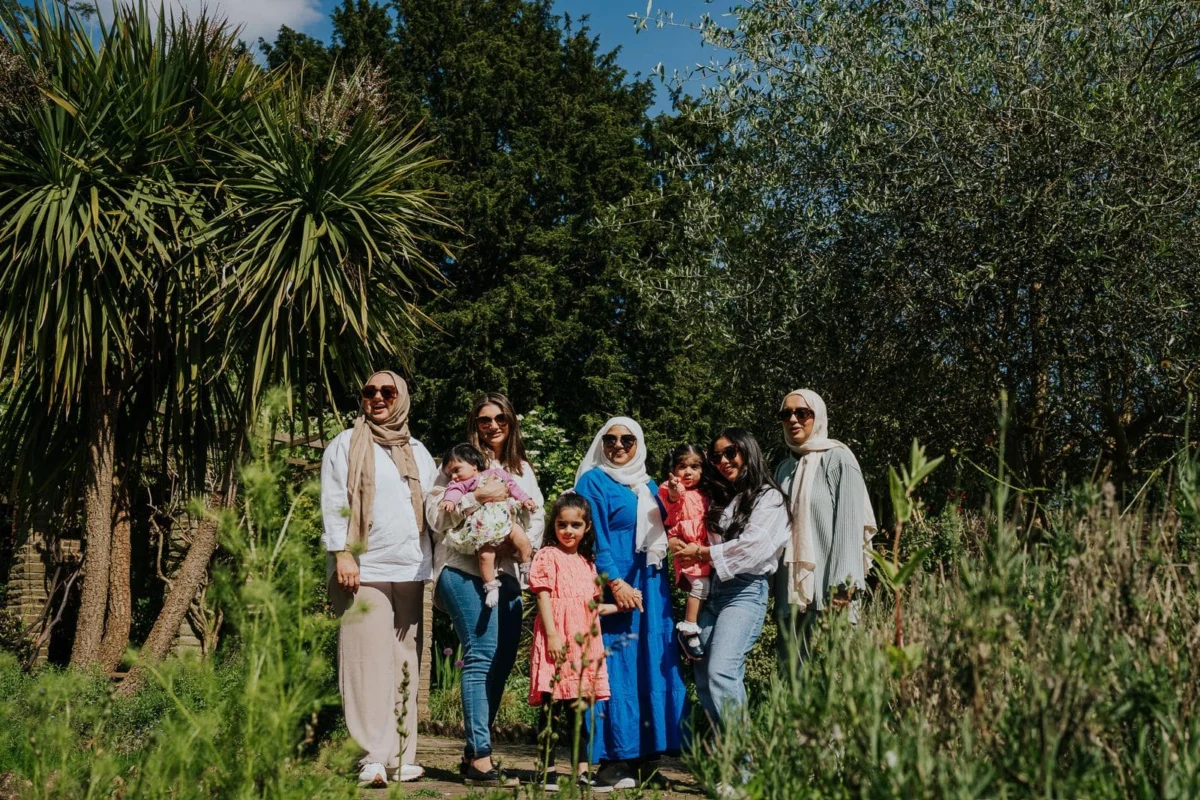
At just 20 years old, Zarina Ayyub embarked on motherhood, a journey that would inadvertently position her as a pivotal figure in challenging deeply ingrained cultural and institutional barriers surrounding breastfeeding within the South Asian community in the United Kingdom. Her personal narrative, marked by struggle, resilience, and unwavering advocacy, illuminates the complex interplay of heritage, healthcare practices, and individual determination in shaping maternal choices. From a young mother facing isolation and medical misunderstanding to a respected Doula and peer supporter, Ayyub’s story is a testament to the transformative power of informed choice and community support.
A Legacy of Misunderstanding: The Mother’s Precedent
Born in Birmingham, Zarina’s upbringing was steeped in the experiences of first-generation Pakistani immigrants. Her mother, who arrived in England in the late 1960s, was among the first in her Asian community to have children in the UK. This pioneering status, however, came with significant challenges, particularly regarding breastfeeding. In an era where formula was aggressively promoted in hospitals, Zarina’s mother received formula and medication to suppress her milk supply after giving birth to Zarina’s older brother. This practice, common in hospitals during the mid-to-late 20th century, often left new mothers feeling unsupported and disempowered.
Furthermore, cultural beliefs prevalent in parts of India and Pakistan at the time contributed to a hostile environment for breastfeeding. Colostrum, the vital "first milk" rich in antibodies, was often mistakenly considered "dirty" or unsuitable for newborns. Instead, traditional practices sometimes dictated feeding infants a concoction of cooled boiled water with fennel and other seeds, intended to clear meconium. This blend of medical misinformation and cultural misunderstanding profoundly traumatized Zarina’s mother, who later recalled the pain and lack of enjoyment in her attempts to breastfeed. Living in a multi-generational household with her husband’s family, predominantly male, further compounded the pressure, forcing her to adhere to established rules and social expectations that did not prioritize breastfeeding. This familial context, where privacy was limited and traditional values held sway, created an environment where breastfeeding was not encouraged, leaving a lasting impact on Zarina’s mother and, subsequently, on Zarina herself.
A Difficult Dawn: Zarina’s First Birth Experience
Zarina’s own entry into motherhood mirrored some of her mother’s struggles, albeit with a unique set of contemporary challenges. Her first baby, born prematurely at 4 lbs 13 oz just after Zarina turned 20, was immediately taken to a special nursery and fed formula by tube. Zarina, left alone in her hospital room, received no information or choices regarding feeding. The concept of colostrum or expressing milk was entirely foreign to her, and the crucial early hours for establishing breastfeeding were lost. This lack of explanation and support left her feeling scared and disoriented, unable even to hold her tiny newborn. The hospital staff attributed the baby’s small size to a poorly functioning placenta but offered no further details, leaving Zarina with lingering questions and unresolved trauma. This experience reflects a broader systemic issue in healthcare at the time, where individualized maternal care and comprehensive breastfeeding education were often lacking, particularly for young or ethnic minority mothers.
When her daughter was finally brought to her on day three, Zarina was severely engorged. Her mother, scarred by her own past, urged her to request milk-drying pills. However, an intrinsic desire to breastfeed had already taken root in Zarina. Despite her determination, the physical act was agonizing. Her tiny baby struggled to latch onto large, hard breasts. A midwife’s forceful intervention to "grasp her breast and force her baby onto me" left Zarina in tears, further solidifying her mother’s conviction that breastfeeding was synonymous with pain. This incident underscores the critical need for gentle, informed, and culturally sensitive breastfeeding support, highlighting how coercive or insensitive practices can traumatize new mothers and undermine their efforts.
Upon returning home around day five or six, Zarina faced cracked, bleeding nipples and overwhelming exhaustion. The initial nights were a struggle, characterized by collective distress and frantic attempts to soothe their crying baby. The unavailability of suitable breastfeeding aids in Birmingham at night – a stark contrast to London’s 24-hour retail landscape – symbolized the isolation and lack of resources many new mothers faced.
Battling Cultural Currents: Family and Community Pressures
Relocating to London to their own flat offered some respite, but Zarina’s breastfeeding journey continued to be fraught with external pressures. Living with her husband’s extended Pakistani family – aunt, uncle, and grandparents – meant a constant stream of guests, reflecting a cultural norm of hospitality, especially for newcomers to the UK. This created an environment where privacy was scarce, and Zarina felt embarrassed to breastfeed outside the home, confining her to her flat. The expectation to manage a busy household, including cooking and cleaning, clashed directly with the demands of responsive feeding. Accustomed to her mother’s formula-feeding schedule, Zarina initially attempted to feed her baby every three hours, unaware of the fluid, on-demand nature of successful breastfeeding.
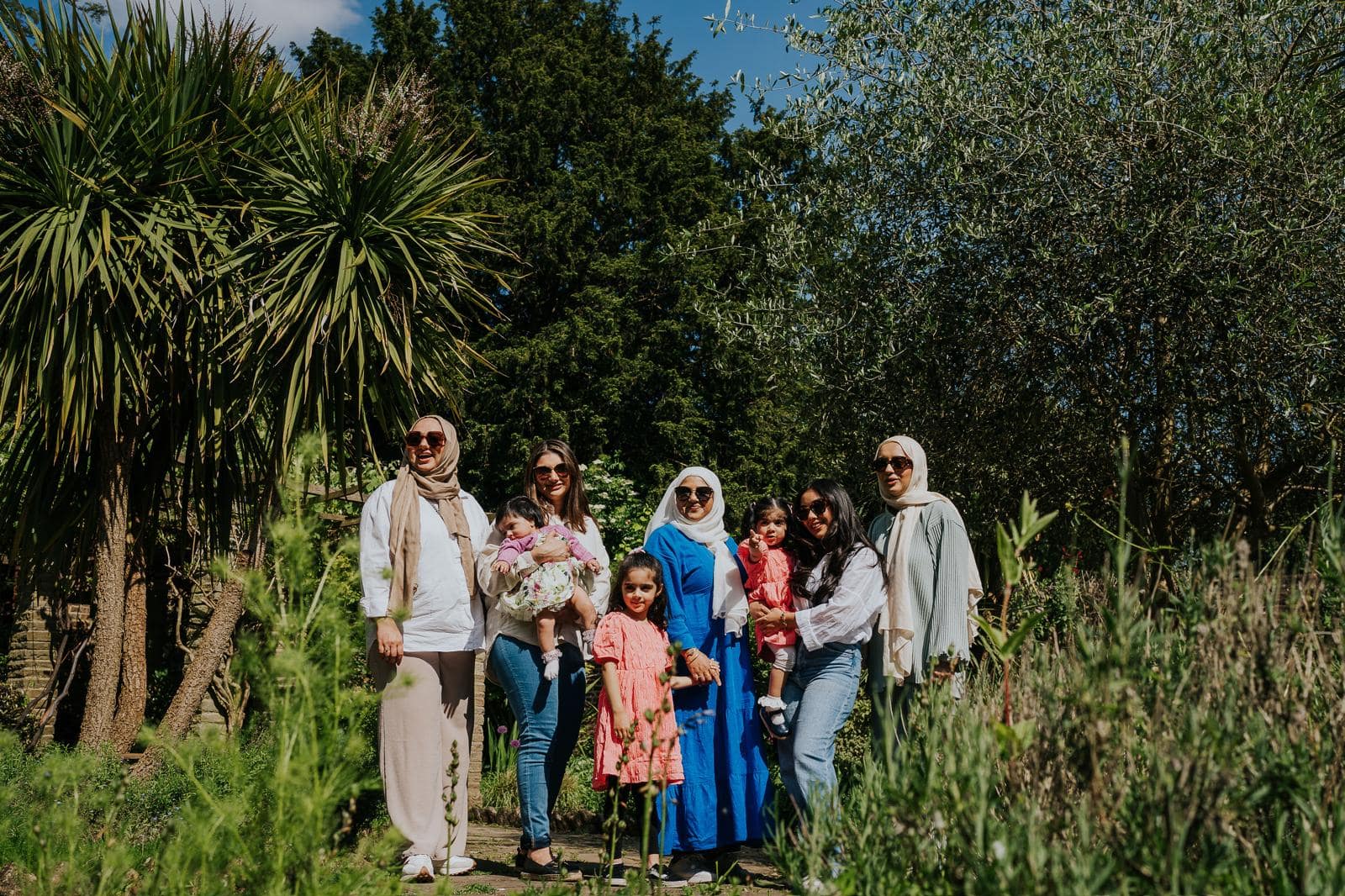
The most significant resistance came from her in-laws, even her mother-in-law who had breastfed all her own sons. They struggled to comprehend Zarina’s commitment to breastfeeding, contrasting her with another daughter-in-law who prioritized a spotless home over feeding. Within their community, maintaining an immaculate house and contributing to family chores often took precedence, leading to the perception that sitting to feed a baby was "laziness." Zarina, however, instinctively understood her baby’s need for touch and closeness, picking her up whenever she cried – a departure from the "cry-it-out" methods sometimes advocated.
Further pressure emanated from her husband, who, influenced by comparisons with larger, formula-fed relatives, expressed concerns about their children being "too skinny" and needing "bottle milk." This societal pressure to have "chubby" babies, often associated with good health and prosperity in some cultures, became a recurring challenge. Zarina, being five feet tall, naturally had smaller babies, except for her fourth, who weighed around 7 lbs. This constant scrutiny and comparison added immense psychological burden to her already difficult journey.
The Turning Point: Education and Empowerment
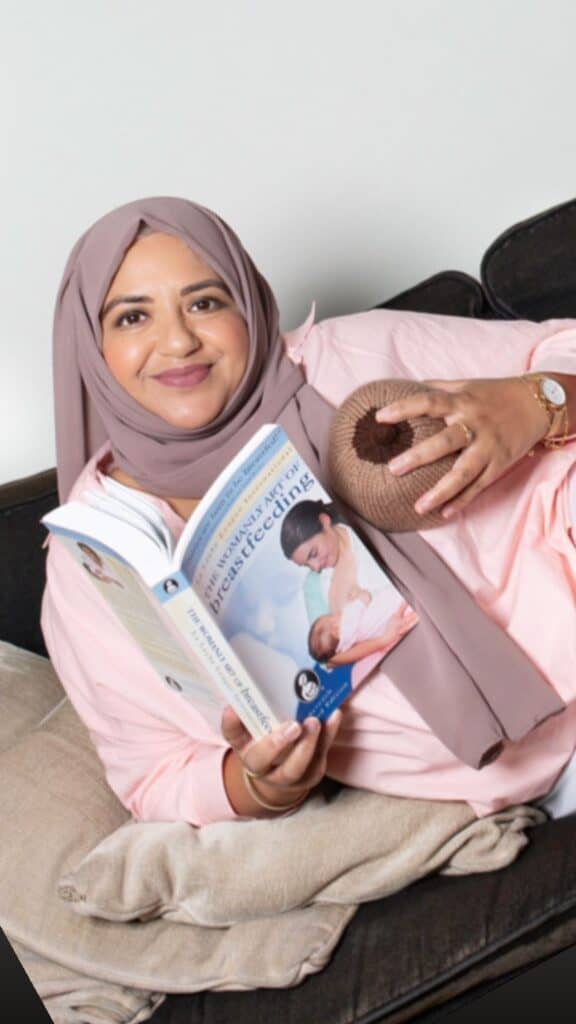
Zarina’s resolve truly solidified with the arrival of her third child. By this point, her household had expanded to include her husband’s mother and two brothers. Despite the increased domestic and cultural pressures, an inner conviction guided her. The pivotal moment arrived when she discovered The Womanly Art of Breastfeeding by La Leche League (LLL). Borrowing it from the library, she devoured its contents over nine months, absorbing crucial information that shattered previous misconceptions. Learning that colostrum was not "dirty" and that relactation was possible armed her with knowledge, transforming her from a vulnerable young mother into a confident advocate for herself and her baby. She breastfed that child for two years, weathering a barrage of critical comments.
A few weeks after her third baby’s birth, Zarina developed mastitis, a common and painful breastfeeding complication. This prompted her to reach out to an LLL Leader and attend a group meeting in Wimbledon. Her experience there highlighted the cultural gap: "I was the only woman wearing shalwar kameez," she recalls, referring to the traditional South Asian attire she wore to mitigate family disapproval. Feeding in a longer top proved awkward, and the feeling of embarrassment kept her from returning to a breastfeeding group for years. This incident underscores the importance of creating culturally inclusive and sensitive support spaces where women from diverse backgrounds feel comfortable and understood.
From Personal Struggle to Public Advocate: The Peer Supporter Journey
Even during her first motherhood experience, Zarina harbored a nascent desire to support other mothers. Just four weeks after her first child’s birth, she found herself assisting her husband’s aunt with engorged breasts, recognizing a shared struggle in an environment unsupportive of breastfeeding. She also mentored her younger sister, who successfully breastfed all her children. This success, coupled with Zarina’s continued advocacy, eventually softened her mother’s stance, leading her to become supportive during Zarina’s last two children’s breastfeeding journeys – a profound intergenerational shift.
Zarina finally realized her long-held aspiration to become a breastfeeding peer supporter after her fifth child’s birth. This baby, born at 35 weeks, presented new challenges, including severe reflux. Seeking help, Zarina encountered poor advice from a breastfeeding counsellor, prompting her to visit a local breastfeeding café. It was there, years after her initial hesitant foray into support groups, that she saw an advertisement for La Leche League’s 12-week peer supporter training course, run by the NHS in her area. This discovery felt like a divine intervention, fueling her determination to provide proper, evidence-based support to other mothers. Her graduation from the course, complete with a pink knitted breast, symbolized a personal triumph and the beginning of her formal advocacy.
For two to three years, Zarina served as the sole Muslim peer supporter in her group. She noted the stark absence of Asian women in the sessions, highlighting a persistent barrier to accessing support, even when language was not an issue. "It’s easier to relate to people who look like you," she observed, emphasizing the unspoken comfort and trust that cultural affinity can foster. Her impact, however, extended beyond her community, with many mothers she supported expressing a desire for her continued presence in their lives, a testament to her empathetic and effective approach.
Beyond the Family: A Doula’s Mission and Broader Impact
Today, with her children grown (aged 18 to 34), Zarina dedicates her professional life to supporting mothers as a Doula, guiding them through birth and the postnatal period. Her work builds upon her extensive personal experience and formal training, allowing her to provide holistic, empathetic care. She is also actively involved in broader initiatives aimed at improving maternal health outcomes for ethnic minority families.
Last year, Zarina participated in a significant project with The Raham Project in Peterborough and the charity BLISS, focusing on neonatal intensive care units (NICUs) and premature babies. Her contribution involved sharing her deeply personal birth stories and experiences, particularly the lingering pain associated with her first baby’s early life. This collaborative effort aims to gather insights from diverse communities to inform better, more culturally sensitive support systems within healthcare settings, especially for vulnerable populations like premature infants and their families. Such projects are crucial in addressing health disparities and ensuring that all mothers, regardless of their background, receive equitable and appropriate care.
Intergenerational Triumph: Normalising Breastfeeding for the Future
Zarina’s unwavering commitment to breastfeeding has yielded remarkable intergenerational dividends within her own family. Her daughters, now living nearby, are embracing motherhood with a drastically different perspective. One daughter, a mother of three under four, breastfed her first child for two years, tandem-fed her first two, and continues to breastfeed her youngest at eight months. This success story stands in stark contrast to Zarina’s initial struggles, demonstrating a profound shift. Crucially, her daughter’s husband, despite his own family’s initial discomfort with breastfeeding, has been incredibly supportive, illustrating how individual agency and spousal support can overcome cultural inertia. Zarina also extended her support to her daughter’s sister-in-law, who has also achieved great success in her breastfeeding journey, further expanding the ripple effect of normalisation.
This transformation extends beyond breastfeeding. Zarina’s influence has fostered open dialogue within her family, normalizing conversations about topics often considered taboo in traditional Pakistani households, such as breastfeeding, periods, and reproductive health. Her persistent advocacy has permeated her children’s spouses and friends, creating a new family culture of openness and empowerment. This has even inspired her other daughters to explore home births when they are ready, a remarkable and groundbreaking aspiration within their community, signifying a profound departure from conventional norms and a testament to Zarina’s enduring impact.
Addressing Persistent Barriers: A Call for Cultural Competence
Despite these significant strides, Zarina acknowledges that challenges persist within the wider South Asian community regarding breastfeeding. A pervasive "shame" and prudishness continue to deter many families. She emphasizes that this discomfort is largely cultural, mistakenly conflated with religious tenets. "The Muslim faith teaches that the baby has a right to be breastfeed for however long they wish, although many of them think it should only be for two years," Zarina clarifies, debunking common misconceptions. This distinction is vital for effective advocacy.
Many South Asian women still do not access breastfeeding support as readily as other women, often feeling uncomfortable lifting their tops in front of others, even in women-only groups. This cultural modesty requires breastfeeding supporters to build relationships of trust, understanding, and cultural competence. By acknowledging and addressing these specific fears, support networks can create truly inclusive environments that normalize breastfeeding as a natural, beneficial process for both mother and baby. Zarina’s life work is a powerful call to action, urging all stakeholders to collaborate in making breastfeeding a universally accepted and supported way of life, free from stigma and misinformation. Her journey is not merely a personal triumph but a guiding light for future generations, illustrating how one individual’s determination can pave the way for widespread cultural change and improved maternal and infant health outcomes.
Breastfeeding Matters LLLGB Podcast
In January 2025, Zarina Ayyub further shared her invaluable insights on the LLLGB Podcast, "Breastfeeding Matters." In a conversation with volunteer breastfeeding counsellors Maria Yasnova and Sarah Fletcher, she discussed the critical need for creating safe and supportive environments for new mothers from the very outset. The discussion delved into the ancient tradition of the "first 40 days" or the "fourth trimester," a practice observed in many cultures globally, which emphasizes rest, nourishment, and community support for the postpartum mother. This podcast serves as another vital platform for Zarina to disseminate her knowledge and advocate for culturally sensitive, holistic maternal care, continuing her legacy as a breastfeeding trailblazer.
