

Originally published February 2025. Last reviewed/updated by Craig Canapari, MD in January 2026.
A stark increase in melatonin overdoses among children has emerged as a significant public health concern, with a staggering 530% surge in reported incidents over the past decade, accelerating notably since the onset of the COVID-19 pandemic. This trend, highlighted by recent studies and observed by pediatric sleep specialists, necessitates a comprehensive understanding of the risks associated with melatonin use in young populations. Melatonin has rapidly become a leading cause of emergency room visits for children under the age of five, with ingestions of melatonin gummies accounting for a substantial proportion of these cases.
Mounting Evidence of a Public Health Crisis
The alarming statistics were brought to the forefront by a pivotal study, "Pediatric Melatonin Ingestions—United States, 2012-2021," published in the MMWR Morbidity and Mortality Weekly Report in June 2022. This comprehensive analysis, conducted by Lelak and colleagues, meticulously reviewed poison control center data spanning a decade, revealing a dramatic escalation in melatonin ingestion incidents. The findings underscore the urgent need for parental awareness and informed decision-making regarding the use of this popular supplement.
A Decade of Escalating Ingestions
Between 2012 and 2021, a total of 260,435 reported melatonin ingestions were documented across the United States. These incidents constituted 2.25% of all reported ingestions during that period. The trend line, however, shows a marked acceleration. In 2012, melatonin accounted for a mere 0.6% of all reported ingestions; by 2021, this figure had jumped to 4.9%. This nearly eight-fold increase in the proportion of ingestions attributed to melatonin signifies a profound shift in pediatric accidental exposures.

The study further revealed a significant uptick in more severe outcomes associated with melatonin ingestion. Visual data from the research indicates a consistent rise in both serious ingestions and hospitalizations directly linked to melatonin over the years. The period beginning in 2020, coinciding with the initial phases of the COVID-19 pandemic, shows a particularly sharp incline in these concerning statistics.
Melatonin Surpasses Other Supplements as Leading Cause of Accidental Ingestion
By 2020, melatonin had ascended to become the most frequently accidentally ingested supplemental product among children. Experts attribute this surge, in part, to the widespread sleep disturbances experienced by many children during the early stages of the pandemic. School closures, altered routines, and increased screen time likely contributed to increased parental reliance on sleep aids.
Increased Hospitalizations and Serious Outcomes
The implications of increased melatonin ingestions extend beyond mere frequency. The study reported that 10.7% of all melatonin ingestions required management at healthcare facilities. Of these, a concerning 14.7% resulted in hospitalization, and 1% necessitated intensive care unit (ICU) admission. While these percentages may seem modest in isolation, they represent a substantial increase compared to previous years, where only 1.5% of cases were hospitalized and 0.1% required ICU care.
It is crucial to contextualize these figures. The study notes that a significant portion of hospitalized patients were teenagers exhibiting intentional ingestions. In such cases, hospitalization often serves as a measure for safety assessment and psychiatric evaluation, rather than solely reflecting the inherent toxicity of melatonin. However, the study also highlighted a substantial increase in hospitalizations among children under the age of five, a demographic particularly vulnerable to accidental overdose.
Tragically, the study documented two deaths associated with melatonin ingestions. One involved a 13-month-old and the other a 2-month-old infant. Both fatalities occurred in home settings. The circumstances surrounding these deaths varied, with one attributed to intentional medication misuse and the cause of the other remaining unknown. These represent potentially the first reported fatalities directly linked to melatonin overdoses, amplifying concerns among healthcare professionals.

Identifying Key Risk Factors
The research identified several key risk factors associated with accidental melatonin ingestions. Male gender and being under the age of five were found to be significant predictors. The overwhelming majority of these ingestions occurred within the home environment, underscoring the importance of secure storage and parental supervision.
Limitations and Unanswered Questions
Despite its critical findings, the study acknowledges certain limitations. As the data is derived from poison control center reports, it lacks detailed information about the specific medical histories of children who required hospitalization or experienced severe outcomes. Factors such as pre-existing medical conditions, co-administered medications, and the precise intent behind teenage overdoses remain areas requiring further investigation. Understanding the interplay of these variables is essential for a complete picture of melatonin’s risks.
Exploring the Drivers Behind the Rise
While the study accurately documents the increase in melatonin overdoses, it was not designed to definitively identify the underlying causes. However, several plausible factors contribute to this escalating trend:
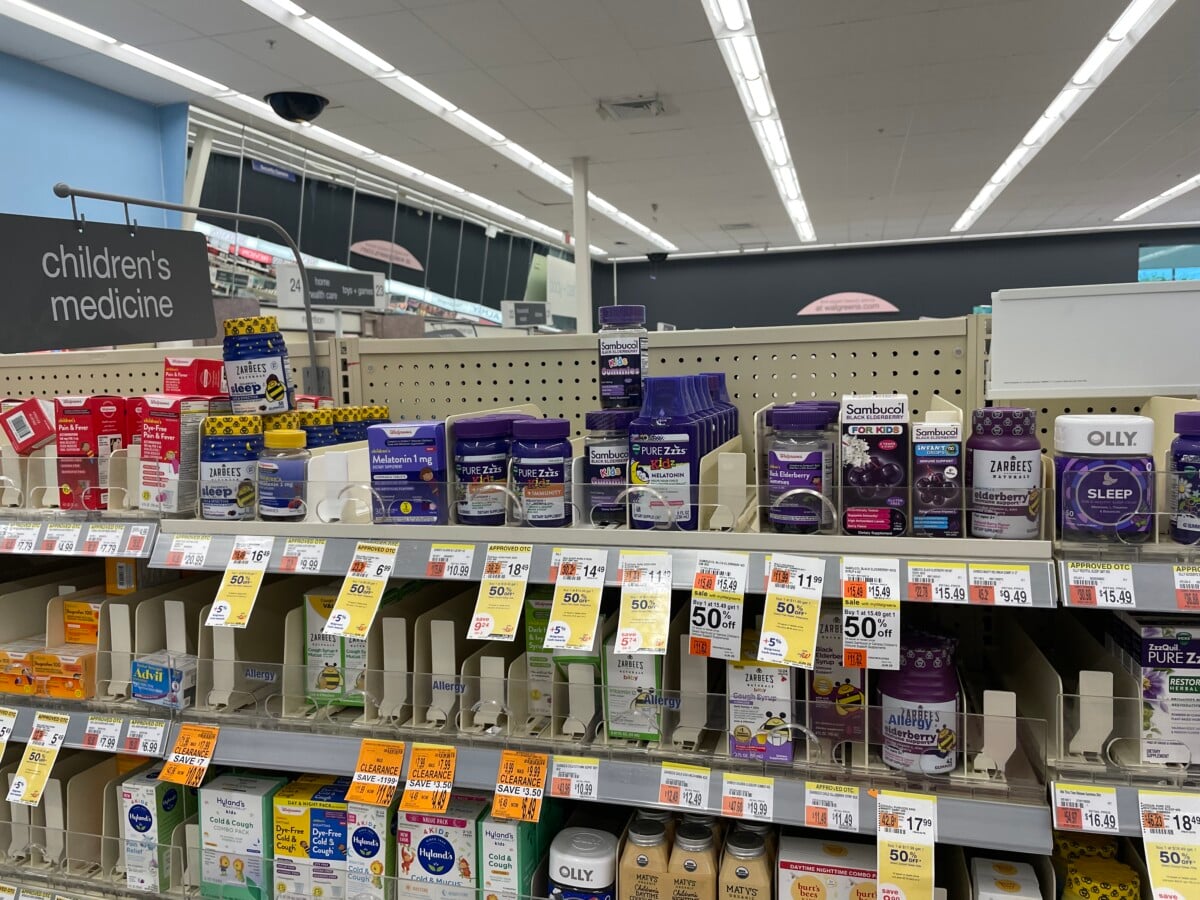
- Increased Availability and Marketing: Melatonin products, particularly gummies, are widely available over-the-counter in pharmacies and even grocery stores. Their packaging often mimics that of candy, with bright colors and appealing flavors, potentially leading to accidental ingestion by young children who perceive them as treats. A visual survey of local drug stores reveals that melatonin preparations for children often dominate the top shelves, frequently in purple packaging, a color commonly associated with children’s products.
- Misinformation and Lack of Regulation: In the United States, melatonin is classified as a dietary supplement, not a drug. This means it is not subject to the same stringent regulatory oversight by the Food and Drug Administration (FDA) as prescription medications. Manufacturers are not required to demonstrate the safety or efficacy of their products before they are marketed. This regulatory landscape, contrasted with other countries, contributes to variability in product quality and dosage accuracy.
- Pandemic-Related Sleep Disruptions: As mentioned previously, the COVID-19 pandemic significantly impacted children’s sleep patterns. Changes in daily routines, increased screen time, and parental stress likely led to a rise in the use of sleep aids, including melatonin, as parents sought solutions for their children’s sleep difficulties.
- Parental Perceptions of Safety: Melatonin is often perceived by parents as a natural and safe sleep aid. While it is a naturally occurring hormone, its exogenous administration, especially in unregulated doses, carries potential risks. This perception of inherent safety may lead to less cautious use and storage.
Global Regulatory Landscape: A Patchwork of Approaches
The regulation of melatonin varies significantly across different countries, offering insights into potential approaches to mitigate risks. In the United States, melatonin is classified as a non-prescription dietary supplement, with the FDA’s oversight limited to ensuring products are not adulterated or misbranded, rather than pre-market approval for safety and efficacy. This contrasts sharply with Canada, where melatonin falls under Food and Drug Regulations as a non-prescription health product requiring a Natural Product Number, indicating a degree of governmental review.
The European Union presents a more nuanced approach. Prescription status is common for sustained-release formulations, while immediate-release versions containing less than 2 mg may have variable availability depending on individual member states. Countries like Poland, for instance, allow over-the-counter access, while others adhere to stricter guidelines set by the European Medicines Agency. In the United Kingdom, melatonin generally requires a prescription, aligning with stricter medication regulations. Taiwan classifies melatonin as a controlled substance, further highlighting the diverse global perspectives on its use and regulation. This international disparity underscores the ongoing debate surrounding melatonin’s classification and the need for robust safety frameworks.

Potential Drug Interactions and Side Effects
While generally considered safe for short-term use in appropriate doses, melatonin can interact with certain medications and carry potential side effects, especially with excessive intake. A pediatric pharmacist, Sasha Dorzin, highlighted key interactions:
- Anticoagulants and Antiplatelet Drugs: Melatonin may increase the risk of bleeding when taken with these medications.
- Anticonvulsants: Melatonin might decrease the effectiveness of certain anti-seizure medications.
- Blood Pressure Medications: Melatonin can potentially lower blood pressure, amplifying the effects of antihypertensive drugs.
- Diabetes Medications: Melatonin can affect blood sugar levels, potentially interfering with diabetes management.
- Fluvoxamine: This antidepressant can increase melatonin levels, leading to increased sedation.
- Hypnotic Drugs: Concurrent use can enhance sedative effects.
- Immunosuppressants: Melatonin might stimulate the immune system, potentially counteracting the effects of immunosuppressive drugs.
- Oral Contraceptives: These can increase melatonin production, potentially leading to increased side effects.
Common side effects of taking too much melatonin include drowsiness, confusion, nausea, vomiting, irritability, dizziness, and even enuresis (bedwetting). These symptoms underscore the importance of adhering to recommended dosages and seeking professional guidance.
When to Seek Immediate Medical Attention
In cases of suspected melatonin overdose, parents and caregivers are strongly advised to contact the national Poison Help Hotline at 1-800-222-1222. This hotline connects callers with medical professionals who can provide immediate guidance and support.
Promoting Safe Melatonin Use in Children
For parents considering melatonin for their children, several key principles of safe use are paramount:
- Consult a Healthcare Professional: Always discuss melatonin use with your child’s pediatrician or a sleep specialist. They can help determine if melatonin is appropriate, recommend a safe dosage, and rule out underlying sleep disorders.
- Start with the Lowest Effective Dose: Begin with the smallest possible dose and observe its effects. Gradually increasing the dose should only be done under professional guidance.
- Use for Short Durations: Melatonin is generally intended for short-term use to help re-establish sleep-wake cycles. Chronic use should be discussed with a doctor.
- Store Safely: Keep melatonin products out of reach of children, just as you would any medication or potentially harmful substance. The candy-like appearance of gummies makes this particularly crucial.
- Educate Your Child: If your child is old enough to understand, explain that melatonin is a medication, not a candy, and should only be taken as directed by a parent or doctor.
- Prioritize Sleep Hygiene: Before resorting to melatonin, focus on establishing good sleep hygiene practices, such as consistent bedtime routines, limiting screen time before bed, and ensuring a conducive sleep environment.
Conclusion: A Call for Vigilance and Informed Practice
The escalating rates of pediatric melatonin overdoses demand a concerted effort from healthcare providers, parents, and regulatory bodies. While melatonin can be a valuable tool for managing certain sleep disturbances, its widespread availability and perceived benign nature have masked potential risks. A greater emphasis on education, responsible marketing, and clearer regulatory guidelines is essential to ensure the safe and effective use of melatonin, protecting the health and well-being of our youngest populations. The trend observed over the past decade serves as a critical reminder that even seemingly harmless supplements require careful consideration and professional oversight.
