


The annual transition from the unstructured leisure of summer to the rigorous schedule of the academic year represents one of the most significant logistical and psychological shifts for millions of households across the United States. As educational institutions prepare to reopen their doors, families are increasingly adopting multifaceted strategies to mitigate the stress associated with this transition. Drawing on longitudinal parenting experiences spanning over a decade, experts and veteran guardians have identified several key areas—ranging from nutritional routines to psychological anchors—that contribute to a more seamless reintegration into the school environment. These strategies prioritize emotional stability, physical preparation, and the fostering of positive associations with the learning process.
The Psychological Landscape of Academic Re-entry
For many students, the return to the classroom is marked by a complex interplay of excitement and apprehension. According to data from the American Psychological Association (APA), academic transitions are prime periods for the emergence of separation anxiety and social stress. To counter these effects, specialists recommend the implementation of "transitional rituals." These are predictable, celebratory events that signal the end of one phase and the commencement of another, providing children with a sense of agency and control.
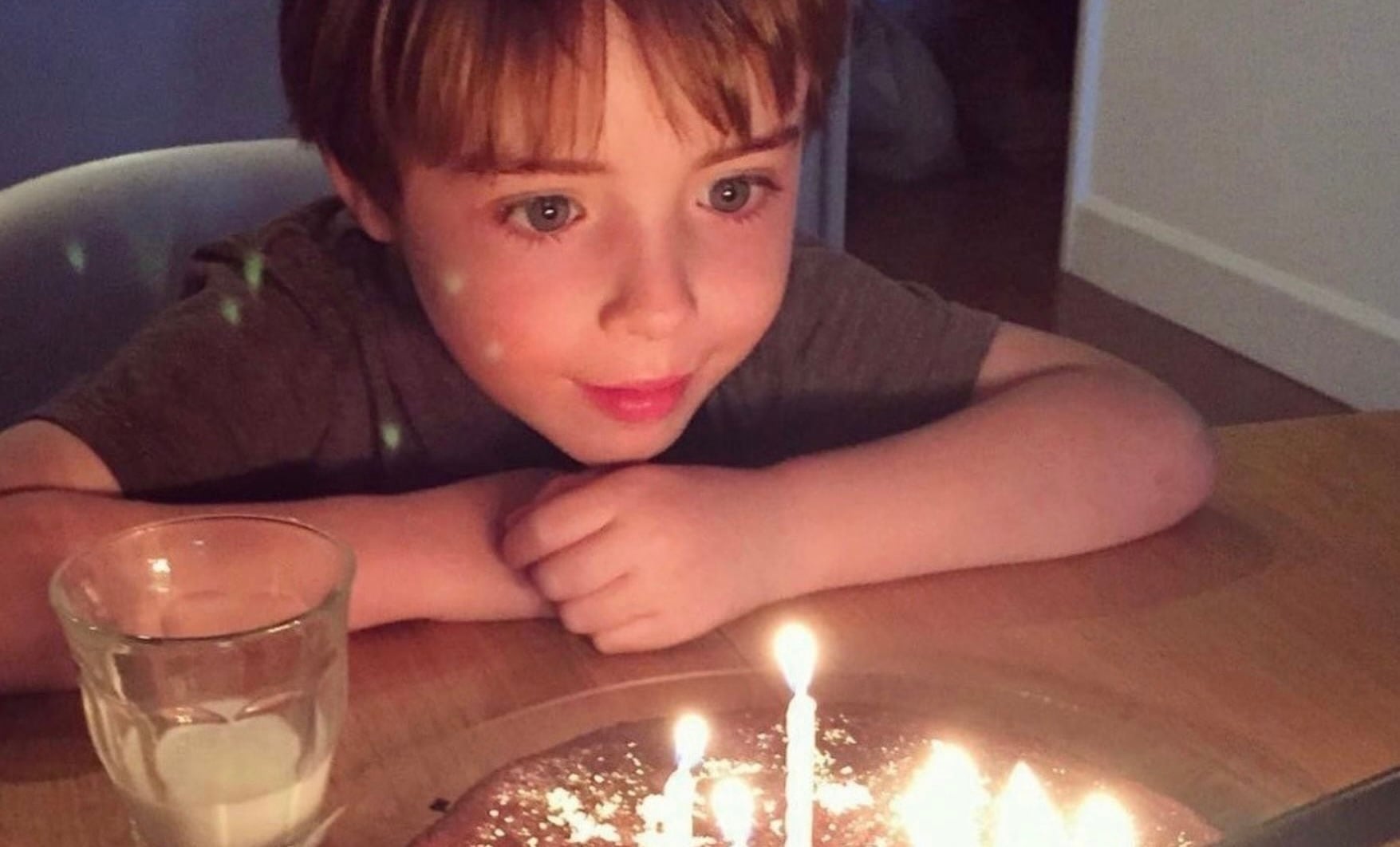
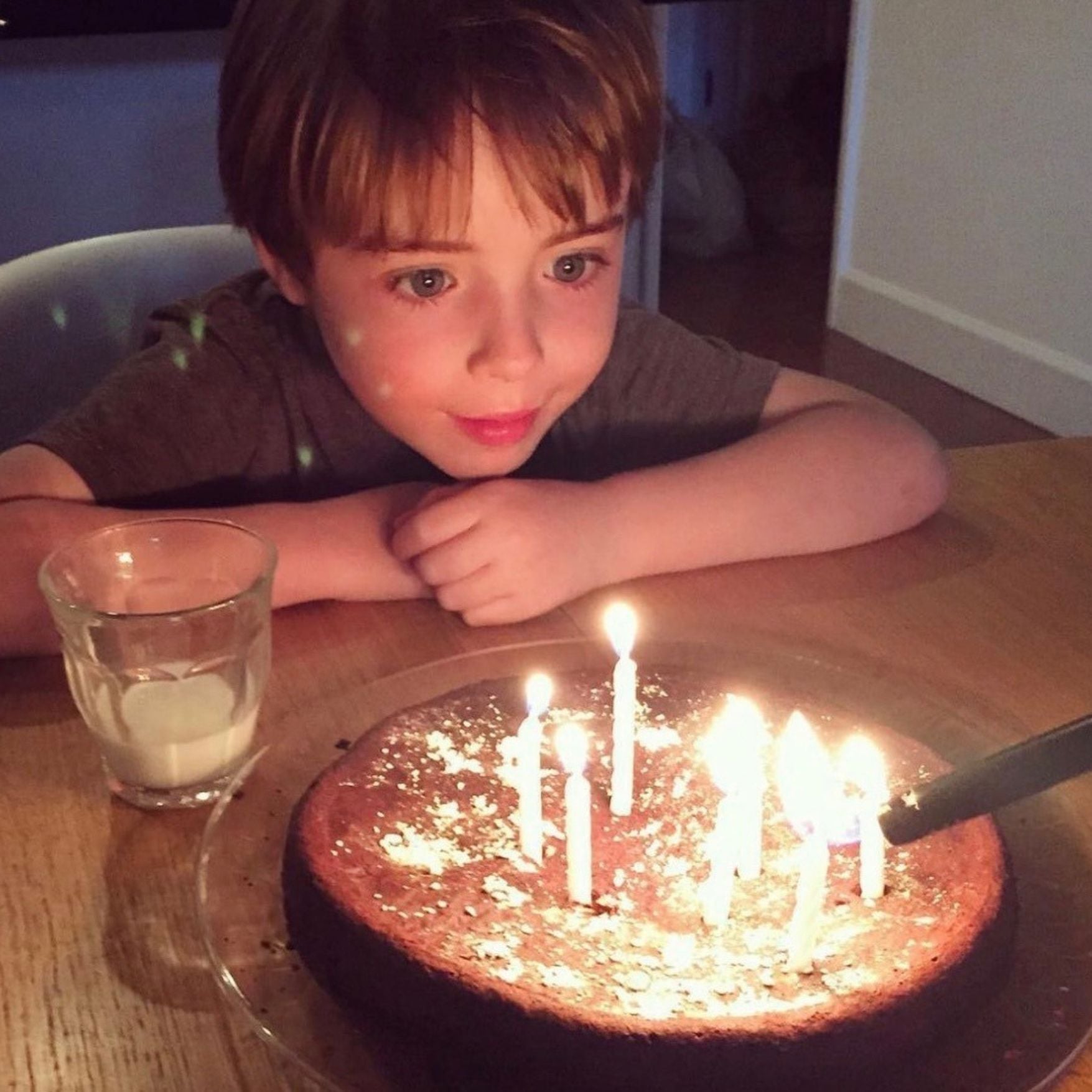
One such ritual involves the evening prior to the first day of school. While many families focus strictly on early bedtimes and equipment checks, the introduction of a celebratory element, such as a "first-day eve" cake, has been shown to shift the internal narrative from dread to anticipation. By allowing children to select a cake from a local bakery and participating in a candle-lighting ceremony, parents can reframe the start of the school year as a milestone worthy of celebration rather than a chore to be endured. This practice serves as a psychological "re-anchoring," linking the academic calendar to positive family memories.
Nutritional Stability and the Role of Morning Routines
The importance of a consistent breakfast routine in academic performance is well-documented. Research published in the Journal of School Health indicates that students who consume a balanced breakfast demonstrate improved concentration, better test scores, and fewer behavioral issues. However, the "morning rush" remains a primary source of household friction during the first weeks of school.
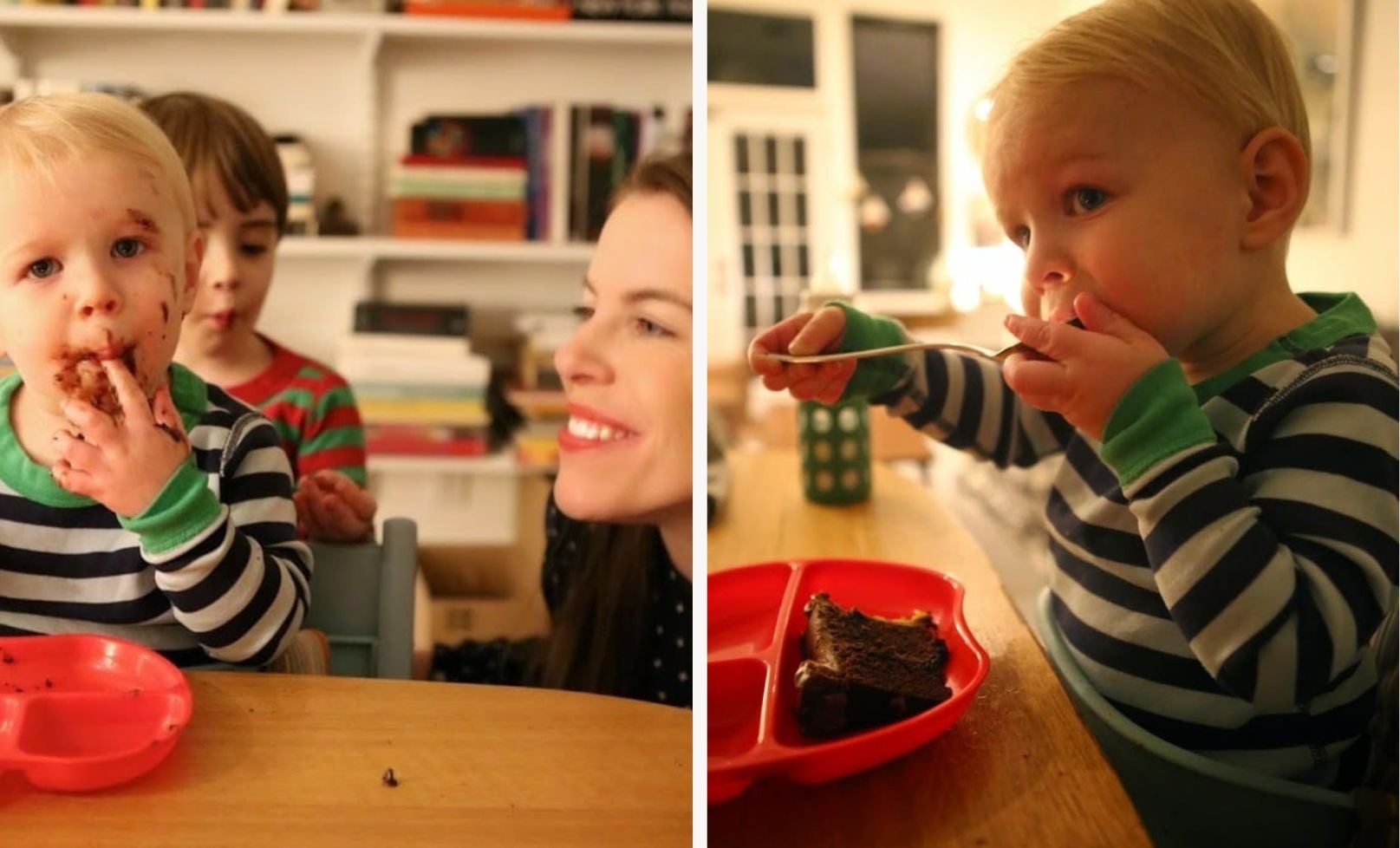
Veteran parents suggest that the introduction of high-quality, homemade items—such as zucchini or apple cider muffins—can serve both a nutritional and emotional purpose. Baking these items in advance provides a time-efficient solution for busy mornings while offering a "comfort food" element that can soothe nervous stomachs. The sensory experience of warm muffins serves as a grounding mechanism, helping to establish a calm atmosphere before the commute begins. Furthermore, involving children in the baking process during the final days of summer can serve as a collaborative bridge between the seasons.
Retail Trends and Logistical Optimization
The back-to-school season is the second-largest spending period for American consumers, trailing only the winter holidays. According to the National Retail Federation (NRF), total spending for K-12 and college supplies is expected to reach record highs this year. Beyond the purchase of textbooks and stationery, the acquisition of new apparel remains a central component of the "back-to-school" identity.
Current market trends show a shift toward durable, versatile basics. Brands like Quince have gained traction by offering high-quality cotton sweaters, piqué polos, and colorful backpacks that emphasize longevity over fast fashion. Retail experts note that involving children in the selection of their school wardrobe can foster a sense of autonomy. This is particularly relevant in the "tween" and teenage demographics, where clothing often serves as a primary tool for social signaling and self-expression.
Furthermore, logistical efficiency in the household can be improved through strategic purchasing. A common pain point for larger families is the management of laundry, specifically the sorting of hosiery. By designating specific colors for each child—such as white socks for one and black for another—parents can significantly reduce the time spent on domestic maintenance. This minor logistical adjustment contributes to a more organized environment, reducing the "micro-stressors" that accumulate during the school week.

Addressing Early Childhood Separation Anxiety
For the youngest cohort of students entering preschool or kindergarten, the primary challenge is often separation anxiety. This developmental stage requires specific interventions to help children feel secure in the absence of their primary caregivers. Literary tools have proven exceptionally effective in this regard.
"The Kissing Hand," a classic children’s book by Audrey Penn, has become a standard recommendation among early childhood educators. The story, which depicts a mother raccoon kissing her cub’s paw to provide him with a "stored" sense of love and bravery, offers a tangible metaphor that children can carry with them into the classroom. Implementing this "kissing hand" technique during the morning drop-off provides a consistent, reassuring signal that the parent remains emotionally present even when physically absent. Educators report that children who have these symbolic anchors often settle into their new routines more quickly than those without them.
Adolescent Autonomy and Digital Currency
As students transition into middle and high school, their needs shift from emotional hand-holding to the cultivation of independence. The adolescent years are characterized by a desire for "safe freedom"—the ability to make choices within a controlled framework. In the modern era, this often manifests in the digital space.
The provision of digital currency, such as Apple Gift Cards, has emerged as a popular method for parents to grant autonomy to teenagers. These cards allow students to manage their own budgets for educational apps, music, movies, or hardware accessories like AirPods. By providing a set amount of digital credit, parents can encourage financial literacy and decision-making skills. It also serves as a gesture of trust, acknowledging the student’s growing maturity and their need for a private digital life. This approach balances the parent’s desire to provide support with the teenager’s need to distance themselves from childhood dependencies.
Parental Support Systems and Community Resilience
While much of the focus during the back-to-school season is on the students, the emotional impact on parents is equally significant. The "empty nest" syndrome, even on a temporary daily basis, can trigger feelings of loss or anxiety in caregivers. Observing the "gate-side" behavior of parents—standing on tiptoes to catch a final glimpse of their children—highlights the deep emotional investment inherent in the transition.
Sociologists emphasize the importance of "peer-parenting networks." Having a trusted friend, particularly one who has navigated older children through the school system, provides a critical safety net. These relationships offer a space for the validation of parental emotions and the exchange of practical advice. A simple phone call or "pep talk" from a peer can reinforce the idea that the parent is "doing a great job," which is a necessary counter-narrative to the self-doubt that often accompanies major life transitions.

Chronology of a Successful Transition
To maximize the effectiveness of these strategies, a structured timeline is recommended:
- Two Weeks Prior: Begin the gradual adjustment of sleep schedules, moving bedtimes earlier by 15-minute increments.
- One Week Prior: Complete all retail acquisitions, including clothing and tech accessories. Begin baking and freezing breakfast items.
- Three Days Prior: Read transition-focused literature with younger children to familiarize them with the concept of the first day.
- The Night Before: Hold the celebratory "first-day eve" cake ceremony to foster positive anticipation.
- First Day Morning: Execute the established breakfast routine and utilize symbolic anchors (like the "kissing hand") during drop-off.
- First Week Evening: Maintain a low-pressure environment to allow children to decompress from the sensory overload of the new school environment.
Broader Impact and Implications
The success of the back-to-school transition has implications that extend far beyond the first week of September. A positive start to the academic year sets the tone for a student’s long-term relationship with education. When families prioritize "fun" and "festivity" alongside discipline and organization, they foster a growth mindset.
Furthermore, these practices contribute to household resilience. By automating logistical tasks and establishing emotional rituals, families create a buffer against the inevitable challenges of the academic year, such as heavy workloads or social conflicts. The integration of professional-grade organizational strategies with empathetic parenting techniques represents the current gold standard for domestic management during periods of change.

Ultimately, the goal of making back-to-school "fun" is not merely about entertainment; it is about the strategic reduction of cortisol levels and the promotion of dopamine-linked associations with learning. As students from preschool to high school embark on their 2024-2025 academic journeys, the application of these seven methods provides a robust framework for success, ensuring that the transition is handled with both efficiency and heart.
