


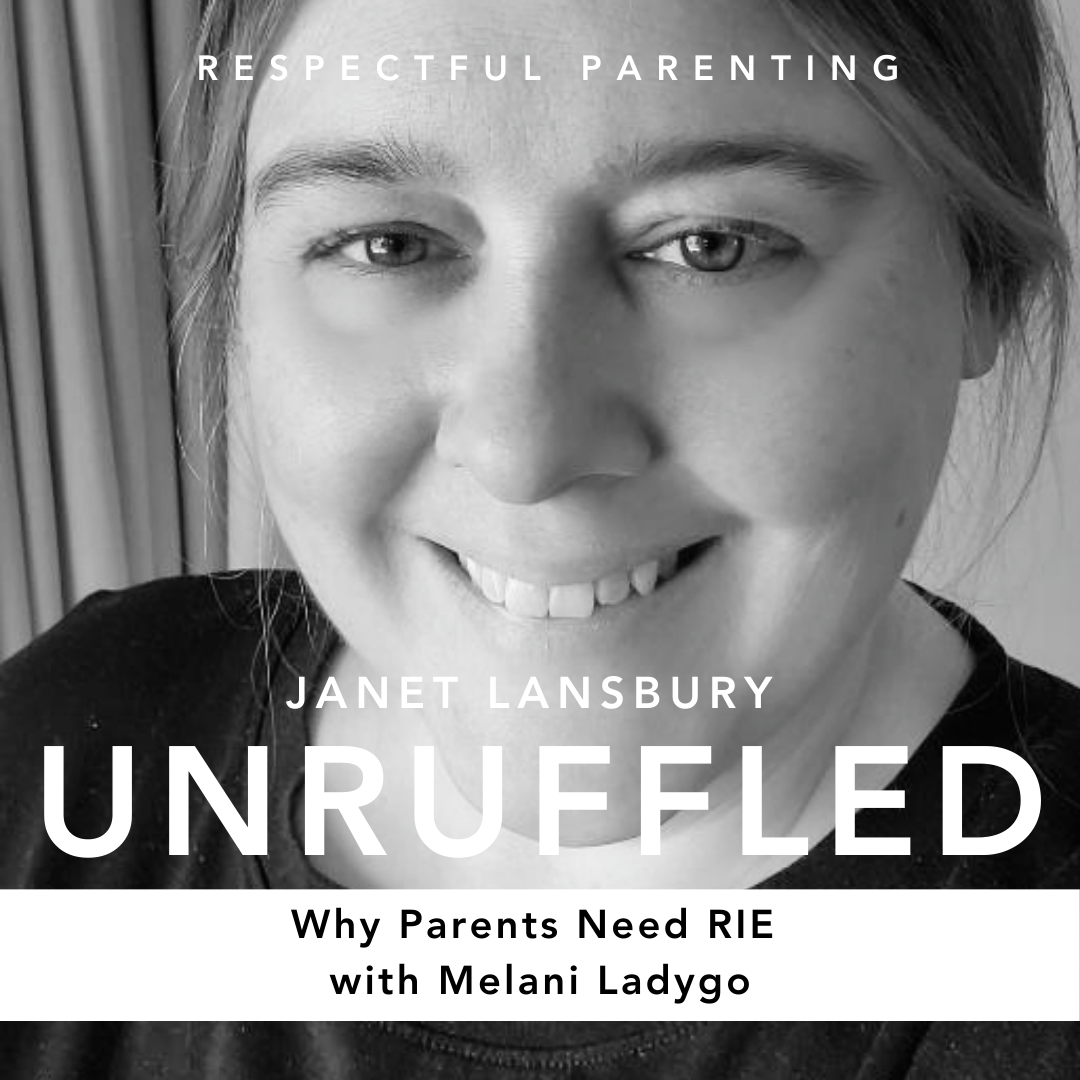
A recent discussion featuring RIE Executive Director Melani Ladygo and prominent parenting author Janet Lansbury has shed light on the profound principles and practical applications of the Resources for Infant Educarers (RIE) approach. The conversation, hosted on Lansbury’s "Unruffled" podcast, aimed to demystify RIE for parents and professionals, addressing common misconceptions and highlighting its transformative potential for fostering respectful, reciprocal relationships with infants and toddlers.
The RIE approach, founded by infant expert Magda Gerber, emphasizes viewing babies and young children as unique individuals with their own thoughts, feelings, and capabilities from birth. This philosophy challenges traditional childcare paradigms that often treat infants as passive recipients of care rather than active participants in their own development. Ladygo, who has dedicated years to RIE as its executive director and a practicing educator, articulated the core tenets of the approach, while Lansbury, a long-time proponent and former RIE board member, shared her personal journey and insights.
Understanding the RIE Philosophy: Beyond the Buzzword
The term "RIE" itself, pronounced "rye," has often been met with curiosity, skepticism, or even dismissal due to its nuanced nature. Ladygo acknowledged the difficulty in encapsulating RIE into a brief "elevator pitch," a sentiment echoed by many who have encountered the philosophy. She explained that RIE, as an organization, serves as a vital resource for "infant educarers" – individuals who educate while they care, and care while they educate. This duality is central to the RIE methodology.
"Essentially, RIE is an organization that teaches parents and professionals how to have respectful, reciprocal relationships with babies and toddlers, children zero to two," Ladygo stated. She elaborated on Magda Gerber’s concept of the "educarer," emphasizing that this role involves a deep engagement with the child’s world, fostering a connection built on mutual understanding and respect.
Janet Lansbury elaborated on this, recalling her initial exposure to RIE with her own infant. "I originally thought, before I discovered this approach, that bond and respect was something that happens later, when they’re talking and you can do things together and play together in a way that to me meant playing together," she shared. Her perspective shifted dramatically upon observing her three-month-old. "She had all these thoughts and all of these ideas and all this stuff going on inside her that I had not realized could possibly exist in a baby. And I wanted to know about that. I wanted to discover that person and get to know her and bond with her." This realization, that her baby was a complete person with an inner life, became the catalyst for her deep engagement with RIE.
Origins and Evolution of RIE
The RIE approach emerged from the pioneering work of Magda Gerber, a Hungarian-born infant care specialist who emigrated to the United States. Gerber, deeply influenced by the theories of Dr. Emmi Pikler, emphasized the importance of respecting infants as whole persons, recognizing their innate drive for exploration and self-discovery. Her philosophy centered on providing an environment where infants could move freely, explore at their own pace, and engage in authentic play, all within a context of calm, respectful interaction.
Lansbury’s personal connection to RIE dates back over thirty years, when she attended RIE classes with her firstborn. These experiences, along with her one-on-one training with Gerber, profoundly altered her perception of childcare and human development. She described "soaking up her every word" during those formative years, cherishing the memories of observing Gerber’s interactions with infants.
Melani Ladygo’s journey into RIE began with an interest in child development, particularly brain development, during her early adulthood. "I learned about brain development. And it’s kind of like you said, if someone had asked you if she was a person, you’d be like, Well, yeah. And that’s how I felt about brain development," she explained, referencing Lansbury’s earlier anecdote. However, her understanding deepened when she encountered a RIE-influenced infant program during her time working in a childcare center.
"I walked into this room with 12 babies and felt peaceful, and it was kind of surprising to me how peaceful it felt," Ladygo recalled. This initial peacefulness was juxtaposed with subtle corrections she received, which guided her towards a more RIE-aligned approach. A pivotal moment involved assisting a baby climbing a slide. Instead of directly lifting the child, a teacher gently guided her to consider the child’s own effort and developing capabilities. "How do you think she’s going to feel the next time she tries to go up that slide and you aren’t there? She didn’t know you were helping her, so she thought she did it by herself, but she really did it with you," the teacher explained. This moment sparked Ladygo’s curiosity about the RIE approach, leading her to pursue formal training.
The Core Tenets of Respectful Caregiving
Central to the RIE philosophy is the principle of respect. This means treating infants and toddlers as capable individuals whose perspectives are valid and worthy of attention. This translates into practical approaches such as:
- Observing before Interacting: RIE encourages parents and caregivers to first observe children to understand their cues, interests, and needs before intervening. This allows for a more informed and respectful response.
- Communicating Clearly and Honestly: When interacting with infants, RIE advocates for clear, direct communication, even for non-verbal babies. This includes explaining what you are doing when changing a diaper or dressing a child, and acknowledging their feelings.
- Allowing for Independent Exploration: RIE emphasizes providing safe environments where infants and toddlers can explore freely, move their bodies without restriction, and engage in self-directed play. This fosters independence, problem-solving skills, and self-confidence.
- Trusting the Child’s Competence: A hallmark of RIE is the belief in the child’s innate ability to learn, grow, and overcome challenges. This means allowing children to struggle a bit, as this struggle is often where learning and resilience are built.
- Accepting Emotions: RIE views all emotions, including frustration, anger, and sadness, as valid. Instead of trying to suppress or distract from these emotions, caregivers are encouraged to acknowledge and be present with the child’s feelings.
Ladygo illustrated this with an anecdote about a grocery store checker’s curiosity about her frequent banana purchases. When she explained it was for her RIE classes, where she helps parents "really see their children," a nearby gentleman exclaimed, "I wish my parents had taken that class. They need it right now." This resonated with Ladygo, highlighting the universal human need to be seen and acknowledged, a need that begins in infancy.
RIE’s Impact on Parents and the Parent-Child Relationship
While the RIE approach is fundamentally about how we interact with children, its most profound impact is often on the parents themselves. Lansbury articulated this powerfully: "This is for parents. This sounds like we’re talking about how to do the best thing for babies, but what this is really about, and why I share it so passionately, is for us."
The RIE approach liberates parents from the pressure of performing or being the "perfect parent." By embracing the child’s authentic self and trusting their capabilities, parents can also embrace their own authentic selves. This means shedding the need to always say or do the "right" thing, and instead, being present and genuine in their interactions.
"We get to be ourselves," Lansbury stated. "We don’t have to say the right things and do the right things and be this perfect parent that maybe we saw on Instagram or what we think we’re supposed to be." This shift can significantly reduce parental stress and exhaustion, as the focus moves from constant intervention and problem-solving to observation, presence, and acceptance.
Melani Ladygo shared her experience of working in a RIE-influenced childcare center, where she found herself eager to work extra hours because "it felt so good to be in the classroom. It felt so good to be with children in that way." This intrinsic reward comes from engaging with children on a deeper, more authentic level.
A key benefit for parents practicing RIE is the development of a "trusting relationship" and a sense of "peacefulness." Ladygo described a RIE parent-infant class she taught during a rainy day, where seven active toddlers were in a confined space. Despite the apparent chaos, the parents remained remarkably relaxed. "The parents are so relaxed," the observers noted. "Did you see they were climbing to the top of that piece of equipment? How was that safe? How did they feel calm?"
Ladygo explained that this calmness isn’t innate but developed through a gradual process of observing children, trusting their abilities, and allowing them to navigate challenges. This builds a strong foundation of trust between parent and child, creating a more peaceful dynamic.
Navigating Challenges and Fostering Social Intelligence
The RIE approach is not about avoiding difficulties, but about navigating them with authenticity and respect. Both Lansbury and Ladygo acknowledged that parenting is inherently challenging and can be physically and emotionally draining. However, RIE offers a framework for finding moments of refueling and peace amidst the demands.
One significant aspect of RIE is learning to be comfortable with a child’s struggle. This doesn’t mean letting children get hurt, but allowing them to experience the process of learning and problem-solving. As Lansbury noted, "Getting comfortable with that as a parent, which is no small thing, it takes us all the way through life with our child." This ability to navigate challenges, both for the child and the parent, extends far beyond infancy and into adulthood, helping children develop resilience for life’s inevitable disappointments and heartbreaks.
The concept of being "seen in your struggle" is central to RIE. Ladygo shared a personal adult experience where someone acknowledged her struggle with something, and the simple response of "It’s okay" opened up a sense of relief. This mirrors how RIE encourages caregivers to respond to children’s challenges – not by rescuing them immediately, but by acknowledging their effort and being present.
The RIE Conference: A Hub for Learning and Connection
The discussion also highlighted upcoming opportunities for parents and professionals to deepen their understanding of RIE, particularly the 36th Annual RIE Conference. This event, themed "Nature’s Path for Play: Creating Conditions for Authentic Playfulness," will feature keynote speaker Peter Gray, author and researcher on the importance of play in child development.
Ladygo described the conference as a "smorgasbord" of RIE applications, showcasing how the principles can be implemented in various settings, from classrooms to home environments. Lansbury echoed this sentiment, likening it to a "banquet" for parents and childcare professionals. The conference aims to provide a space for learning, networking, and fostering a sense of community among like-minded individuals.
Participants can use the code Unruffled for a $50 discount on registration for the online conference.
Conclusion: A Legacy of Respectful Connection
The conversation between Janet Lansbury and Melani Ladygo underscored the enduring relevance and transformative power of the RIE approach. By emphasizing respect, observation, and trust, RIE offers a path for parents to cultivate deep, authentic connections with their children, while simultaneously fostering their own growth and well-being. The philosophy, rooted in the foundational work of Magda Gerber, continues to empower individuals to see infants and toddlers not as projects to be managed, but as whole, capable beings deserving of our deepest respect and genuine engagement. The RIE community, through its resources, training, and conferences, provides ongoing support for those seeking to embrace this profoundly human-centered approach to child-rearing.
