

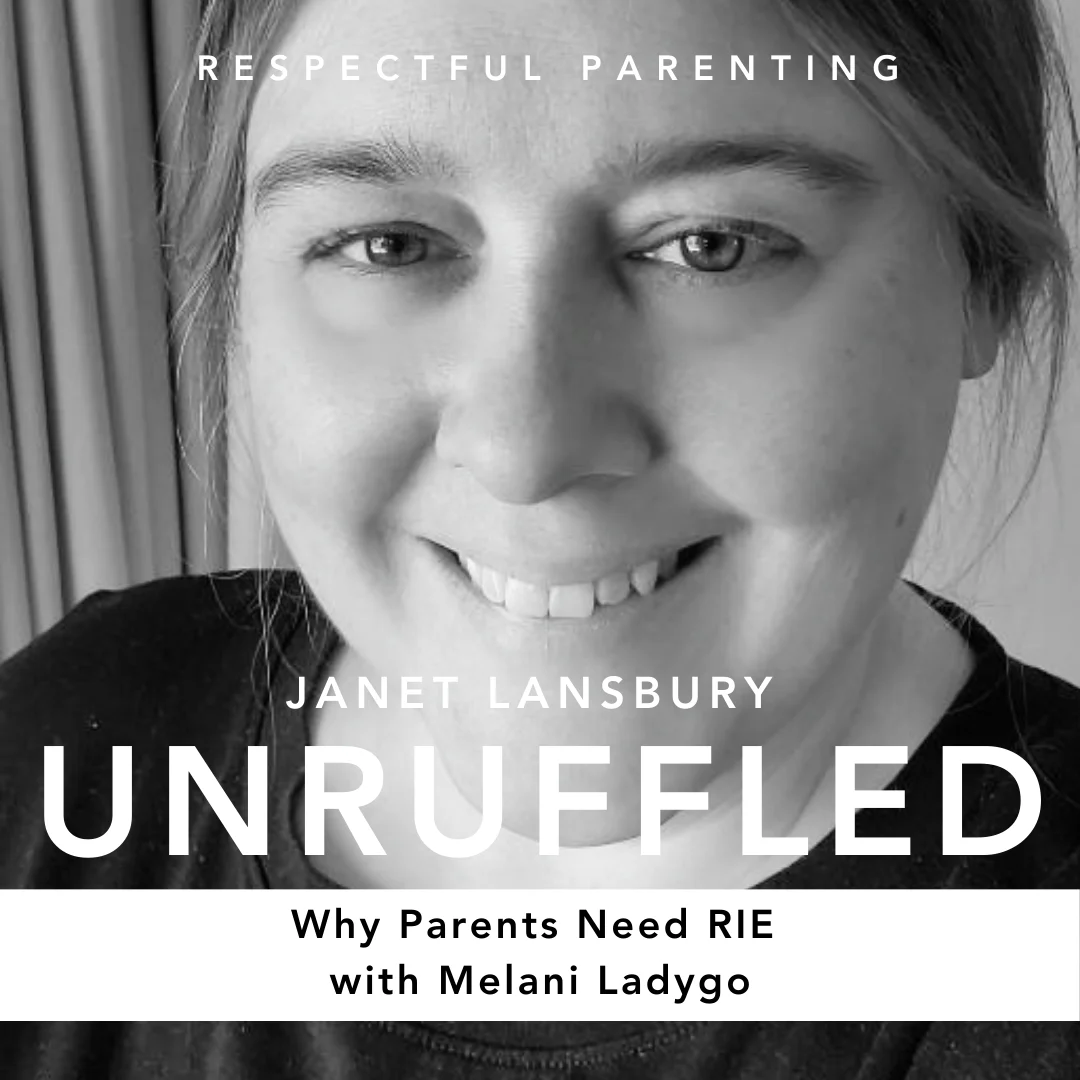
An in-depth exploration of the RIE approach, focusing on its foundational principles of respect, reciprocity, and the recognition of infants as capable individuals, has emerged as a significant topic of discussion within early childhood education and parenting circles. This discourse is particularly amplified by the insights shared by Melani Ladygo, Executive Director of Resources for Infant Educarers (RIE), in a recent interview with renowned parenting educator Janet Lansbury. The conversation aimed to demystify RIE, a philosophy that has garnered both fervent admiration and occasional skepticism, by presenting its core tenets and practical applications for parents and professionals alike.
Understanding the RIE Philosophy
RIE, an acronym for Resources for Infant Educarers, pronounced "rye," is an approach to infant and toddler care founded by Magda Gerber. The philosophy centers on fostering respectful, reciprocal relationships between caregivers and very young children, from birth to approximately two years of age. Ladygo, a long-time RIE associate and educator, articulated the essence of RIE as a resource for individuals who practice what Gerber termed "educaring"—a seamless integration of caregiving and education.
"Essentially, RIE is an organization that teaches parents and professionals how to have respectful, reciprocal relationships with babies and toddlers, children zero to two," Ladygo explained. She further elaborated on the organization’s name, highlighting that "educaring" signifies caring while educating and educating while caring. This fundamental principle underscores the belief that infants are not passive recipients of care but active participants in their own development and in the relationship with their caregivers.
Janet Lansbury, whose own parenting approach is deeply influenced by RIE, shared her personal journey with the philosophy. "The RIE classes I attended over 30 years ago with my firstborn had a profound effect on my perceptions of babies, the art of childcare, and life, really," Lansbury stated. She recalled a pivotal moment in her first RIE class with her three-month-old daughter: "She had all these thoughts and all of these ideas and all this stuff going on inside her that I had not realized could possibly exist in a baby. And I wanted to know about that. I wanted to discover that person and get to know her and bond with her." This realization, Lansbury emphasized, marked her understanding that her infant was a complete person with an internal world, a perspective central to the RIE approach.
The Genesis of RIE and Ladygo’s Journey
The conversation delved into the origins of RIE and how individuals like Melani Ladygo became involved. Ladygo’s introduction to RIE was serendipitous, stemming from her early interest in child development and brain science. After taking a child development course, she was struck by the understanding that "babies aren’t mini-adults and their brains develop and change over time." This revelation fueled her desire to work with infants.
Her initial experience in a childcare center that was "very RIE-influenced" provided a practical grounding in the philosophy. Ladygo recounted instances where she, as a young caregiver, intervened in ways that RIE principles would later guide her away from. One notable experience involved assisting a baby climbing a slide. "I came up behind her and I just kind of put my hands under each of her feet so she could push up," she recalled. While the baby successfully reached the top, a more experienced RIE-trained teacher gently questioned the intervention: "How do you think she’s going to feel the next time she tries to go up that slide and you aren’t there? She didn’t know you were helping her, so she thought she did it by herself, but she really did it with you." This moment prompted Ladygo’s deep curiosity about the RIE approach and its emphasis on allowing children to experience their own capabilities and challenges.
Core Tenets and Practical Applications
The discussion highlighted several key RIE principles:
Respect for the Infant’s Point of View
A cornerstone of RIE is the unwavering respect for the infant’s perspective and agency. This means recognizing that even very young children possess thoughts, feelings, and intentions. Ladygo described this as "seeing the person in our baby," which allows parents to "get to be seen by them as ourselves." This mutual recognition fosters authentic relationships, freeing parents from the pressure of performing a "perfect parent" role.
Trust and Reciprocity
RIE emphasizes building trust through consistent, respectful interactions. Instead of imposing adult expectations, caregivers are encouraged to observe, listen, and respond to the child’s cues. This reciprocal exchange, where both parties are seen and heard, forms the basis of a strong, enduring bond. Lansbury illustrated this with her own experience, realizing that her infant was not just responding to stimulation but actively expressing her internal world.
Allowing Struggle and Fostering Independence
A significant aspect of RIE is allowing children to navigate challenges and learn through their own efforts. This contrasts with a tendency to immediately intervene or "rescue" a child from perceived difficulty. Ladygo’s experience with the baby on the slide exemplifies this: by allowing the child to persist and succeed independently, a greater sense of competence and self-efficacy is fostered. This principle extends beyond physical tasks, encompassing emotional regulation and problem-solving.
The "Educarer" Role
The term "educarer" encapsulates the dual role of nurturing and educating. RIE proponents believe that by engaging with infants in a respectful and attentive manner, caregivers are inherently providing both care and education. This integrated approach recognizes that learning is not a separate activity but an intrinsic part of everyday interactions.
Benefits for Parents
Beyond the benefits for children, the conversation underscored the profound impact of RIE on parents themselves. Lansbury articulated this by stating, "This is for parents. This sounds like we’re talking about how to do the best thing for babies, but what this is really about, and why I share it so passionately, is for us." By seeing their children as capable individuals, parents can also feel seen and accepted for who they are, rather than feeling pressured to conform to external ideals of parenthood.
This perspective shift can alleviate the burden of constant effort and performance, allowing for more genuine engagement. "It just takes this whole load of work off of our plates," Lansbury noted, referring to the relinquishing of perceived parental duties such as immediately intervening in a child’s struggle. This allows parents to be present and receptive, transforming the parenting experience from a series of demanding tasks into a more comfortable and enriching journey.
Building Trust and Confidence
The RIE approach cultivates a trusting relationship between parent and child, which serves as a stable foundation throughout life. Ladygo described observing parents in RIE classes who were able to "sit back and have confidence in their children’s abilities." This confidence is not innate but developed through a process of observation, allowing children to experience struggles and attempts without immediate adult intervention. The more parents witness their children’s capabilities, the more they can relax and trust, leading to a baseline of peacefulness.
This peacefulness, Lansbury suggested, redefines happiness for infants. It involves allowing them to be where they are in their developmental journey, to struggle, and to experience the satisfaction of overcoming challenges. This acceptance of struggle as a positive and integral part of growth is a significant shift from conventional notions that often equate happiness solely with the absence of difficulty.
Navigating Challenges and Fostering Resilience
The conversation acknowledged that RIE is not a panacea for all parenting challenges. While it makes parenting "easier," human relationships are inherently complex and can be draining. However, RIE provides a framework for navigating these difficulties. Ladygo stated, "When you have this framework to fall back on, there’s more opportunities to catch those moments because you’re looking for them."
A key aspect of this framework is the ability to be authentic in moments of struggle. Lansbury shared her practice of admitting when a situation was a "disaster" and not working, rather than trying to force a resolution. This authenticity can serve as a "reset" for both parent and child, fostering a deeper connection. Magda Gerber’s philosophy encouraged parents to be their genuine selves, even when tired or grumpy, during nighttime feedings or toddler wake-ups, rather than projecting an artificial perkiness. This authenticity in relationships mirrors how adults interact with each other in other contexts.
The Power of Pause and Response
RIE encourages a conscious pause between an impulse and a reaction. Ladygo explained, "RIE gives you the opportunity to pause and choose, do you want to react or respond?" This ability to choose a response over a knee-jerk reaction, often shaped by societal expectations or past experiences, is crucial for building healthy relationships.
An example was provided of a mother struggling with her daughter’s assertive refusal to share a rocking boat. The RIE perspective validated the daughter’s need for autonomy while also encouraging her to recognize the impact of her actions on others. This approach aims to foster both self-care and empathy, allowing children to understand their own needs and the needs of those around them.
The Importance of Neutrality and Observation
In situations of conflict, particularly among siblings, RIE emphasizes parental neutrality. Lansbury highlighted the difficulty of remaining neutral, especially when one’s own child is involved, but stressed its importance in fostering mutual respect and understanding among children. Instead of arbitrating disputes, parents are encouraged to act as "buddyguards," ensuring safety while allowing children to navigate their own resolutions. This process teaches children valuable social skills, including empathy and problem-solving.
The RIE approach suggests that true sharing arises not from enforced compliance but from an understanding of the other person’s experience. When children are allowed to explore the consequences of their actions, they learn about the dynamics of relationships more profoundly. This is particularly relevant in playgroup settings, where children can practice these social skills in a supportive environment.
Broader Implications and Community Building
The RIE philosophy offers a powerful framework for parents seeking to navigate the complexities of modern parenting, where societal pressures and a lack of readily available supportive communities can be isolating. The RIE Conference, an annual event that brings together parents and professionals, serves as a vital platform for sharing experiences and fostering a sense of connection. This year’s conference, with the theme of play and featuring keynote speaker Peter Gray, is expected to further illuminate the application of RIE principles across different age groups and settings.
Ladygo emphasized the value of community for those practicing RIE, stating, "It offers a really awesome community. It’s just wonderful to be around other like-minded people that get it." This sense of belonging and shared understanding is crucial for sustaining the practice of RIE, especially for parents who may feel isolated in their approach.
The RIE approach ultimately empowers both children and adults by fostering respect, trust, and genuine connection. By recognizing the inherent capabilities of infants and encouraging authentic self-expression, RIE cultivates individuals who are not only more confident and resilient but also more attuned to the needs and perspectives of others. The ongoing discourse surrounding RIE, exemplified by the insightful conversation between Melani Ladygo and Janet Lansbury, continues to highlight its enduring relevance and profound impact on the landscape of early childhood development and parenting.
