

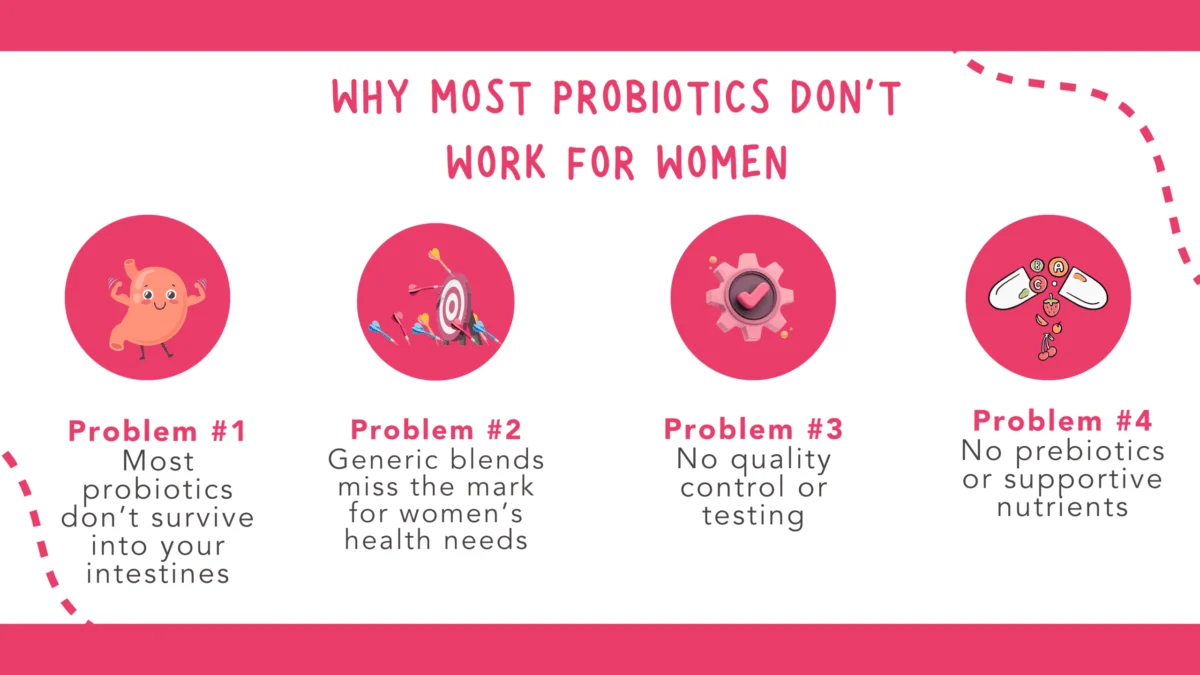
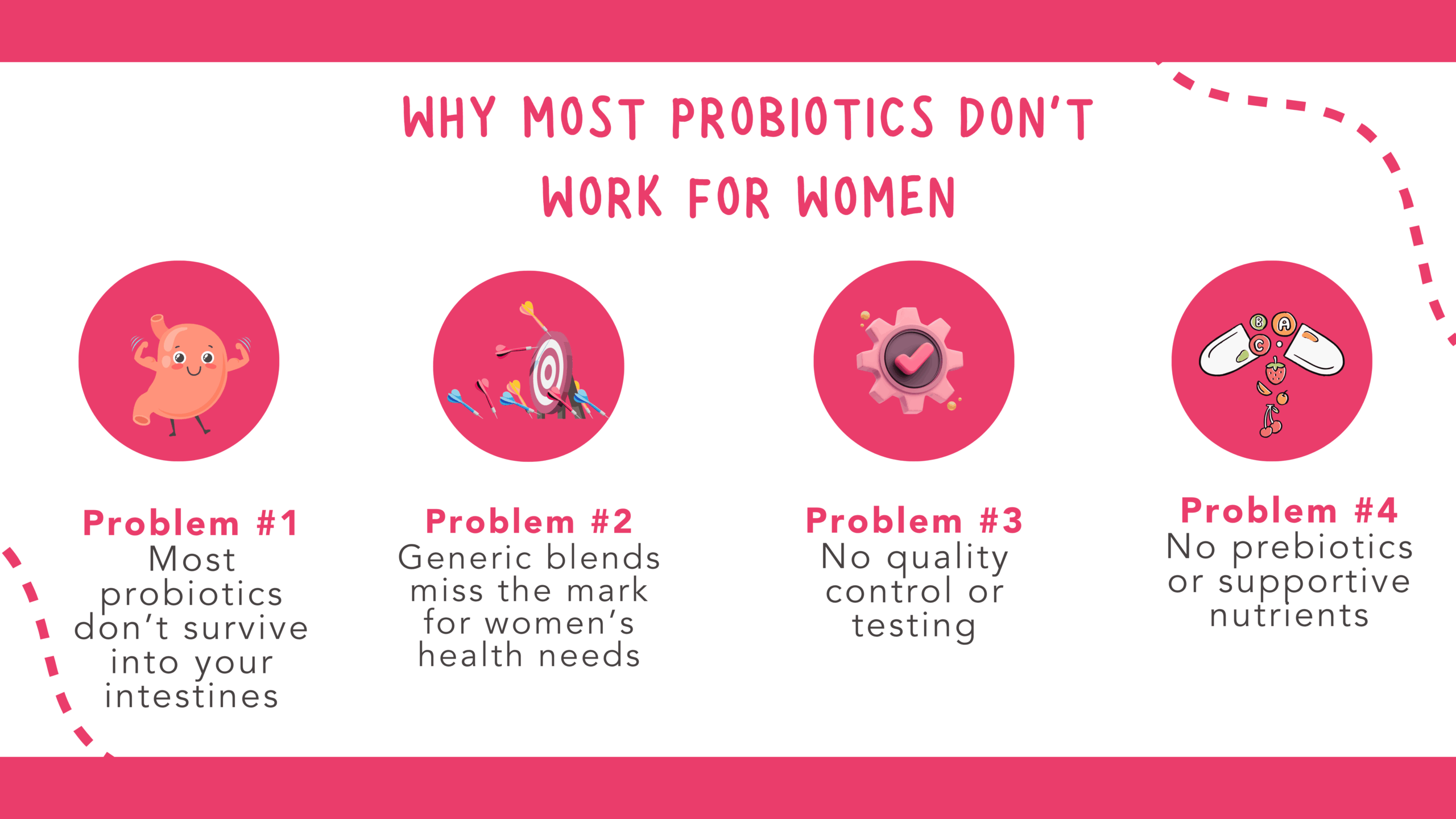
The Biological Barrier: The Challenge of Gastric Survival
The primary obstacle facing any oral probiotic is the highly acidic environment of the human stomach. Gastric acid, which typically maintains a pH between 1.5 and 3.5, serves as a primary defense mechanism intended to denature proteins and neutralize harmful pathogens. However, this same biological furnace often incinerates the delicate beneficial bacteria contained in standard probiotic supplements before they can reach the small and large intestines.
Research indicates that without specialized delivery systems or significant "overages"—the practice of including more colony-forming units (CFUs) than stated on the label to account for die-off—the survival rate of generic probiotics can be as low as 10% to 20%. To combat this, advanced formulations now prioritize "potent overage" strategies. By packing a surplus of bacteria into each capsule, manufacturers aim to ensure that a therapeutic dose remains viable by the time the supplement reaches the "gut garden." This shift in manufacturing philosophy marks a move away from relying solely on enteric coatings, focusing instead on the inherent resilience of specific strains and sheer volume to guarantee delivery.
The Gender Gap in Microbiome Research
For decades, nutritional science largely overlooked the distinct differences between the male and female microbiomes. Women’s bodies are subject to cyclical hormonal fluctuations that significantly influence internal ecosystems. Estrogen levels, for instance, play a pivotal role in the health of the vaginal microbiome by regulating glycogen levels, which in turn support the growth of Lactobacillus species.
Generic probiotic blends often fail to address these female-specific needs, such as the prevention of urinary tract infections (UTIs), yeast infections, and the management of hormonal acne. Clinical analysis suggests that for a probiotic to be effective for women, it must move beyond general digestive support and include strains specifically targeted at the urogenital tract and the endocrine-gut axis.
Key strains that have demonstrated efficacy in clinical trials for women include:
- Lactobacillus rhamnosus: Extensively studied for its ability to adhere to the vaginal wall and displace pathogens.
- Lactobacillus reuteri: Known for its role in supporting the immune system and reducing inflammatory markers.
- Lactobacillus gasseri: Often associated with vaginal health and metabolic regulation.
- Bifidobacterium longum: Critical for maintaining the integrity of the intestinal barrier and modulating the stress response.
Chronology of Probiotic Development and Market Regulation
The evolution of probiotics has transitioned through several distinct phases over the last century:
- Early 1900s: Nobel laureate Élie Metchnikoff first proposed that consuming lactic acid bacteria (yogurt) could delay aging and improve health.
- 1994: The passage of the Dietary Supplement Health and Education Act (DSHEA) in the United States categorized probiotics as supplements rather than drugs, limiting FDA oversight and leading to a "Wild West" era of labeling.
- 2001: The World Health Organization (WHO) provided the first formal definition of probiotics as "live microorganisms which when administered in adequate amounts confer a health benefit on the host."
- 2010s: The Human Microbiome Project revolutionized the industry by using genomic sequencing to identify specific bacterial strains, moving the market toward strain-specific science.
- 2020–Present: A shift toward "Precision Probiotics" and targeted nutrition for women, focusing on transparency and third-party verification.
Despite these advancements, quality control remains a significant hurdle. An independent study published in Nutrition Research examined 16 probiotic products and found that only one exactly matched its label claim. Some products contained significantly fewer live bacteria than advertised, while others contained unlisted species. This lack of consistency is a primary reason many women fail to see results from over-the-counter options.
The Role of Prebiotics and the Baobab "Tree of Life"
The latest frontier in gut health is the "synbiotic" approach—the combination of probiotics (the bacteria) and prebiotics (the food that nourishes them). Without adequate prebiotic fiber, even the most expensive probiotic strains may remain dormant or fail to colonize the gut.
Modern formulations are increasingly incorporating whole-food prebiotic sources like the fruit of the Baobab tree (Adansonia digitata). Known in Africa as the "Tree of Life," the Baobab produces a fruit pulp that is approximately 50% fiber. Unlike synthetic prebiotic fibers that can cause bloating and gas, Baobab fiber is a gentle, complex carbohydrate that provides a steady energy source for Bifidobacteria and Lactobacilli.
Furthermore, the nutritional gap in the modern diet exacerbates gut issues; while health authorities recommend 25 to 30 grams of fiber daily for women, the average intake remains closer to 15 grams. Integrating fiber-rich prebiotics directly into probiotic supplements serves as a strategic intervention to bridge this nutritional deficit and enhance the survival of the beneficial bacteria.
Industry Response and Expert Analysis
The scientific community has responded to consumer frustration with a call for greater transparency. Dr. Mary Jane Brown, a nutritional researcher, notes that "the naming convention on a bottle is the first indicator of quality. A label that simply says ‘Lactobacillus’ is insufficient. It must list the specific strain, such as Lactobacillus rhamnosus GR-1, because different strains within the same species can have vastly different effects on the body."
In response to this demand for higher standards, brands like Mama Natural have developed "4-in-1 Support" systems. These products are designed to address the four pillars of female gut health:
- Potency: High CFU counts to survive gastric transit.
- Specificity: Using 10 strains specifically researched for women’s health.
- Purity: Eliminating common allergens such as soy, gluten, dairy, and GMOs.
- Synergy: Including organic Baobab fiber to ensure the bacteria have the nutrients required to flourish.
Broader Implications for Public Health
The failure of generic probiotics has implications beyond simple consumer dissatisfaction. The "gut-brain axis" is a well-documented communication network between the enteric nervous system and the central nervous system. A dysfunctional microbiome in women has been linked to increased rates of anxiety, depression, and autoimmune disorders—conditions that statistically affect women at higher rates than men.
By shifting the focus toward female-centric probiotics, the industry is not just selling a supplement; it is addressing a systemic gap in healthcare. If women can successfully rebalance their microbiomes through targeted, high-quality supplementation, the potential for long-term improvements in immune resilience and mental well-being is substantial.
Conclusion: A Strategic Approach to Gut Health
For a probiotic to be effective, it must be treated as part of a broader lifestyle strategy. Scientific consensus suggests that even the highest quality supplement requires consistency and a supportive environment. Experts recommend a minimum of 28 days of daily use to allow for bacterial colonization. This should be paired with a diet rich in fermented foods (like kimchi and kefir), adequate hydration, and a reduction in processed sugars, which tend to feed opportunistic pathogens like Candida.
As the market matures, the "Why Most Probiotics Don’t Work" narrative is slowly being replaced by a more empowered understanding of what does work: strain-specific science, prebiotic synergy, and a refusal to settle for generic, low-quality formulations. For the modern woman, the path to gut health is no longer a matter of guesswork, but a matter of selecting supplements that respect the complexity of her biology.
