

The global probiotic market, valued at approximately $70 billion in 2023 and projected to grow at a compound annual growth rate (CAGR) of over 8% through 2030, reflects a seismic shift in how consumers approach preventative healthcare. As the scientific community delves deeper into the human microbiome—the trillions of microorganisms residing within the gastrointestinal tract—the demand for precision-targeted probiotic supplements has surged. However, this proliferation of products has led to a "paradox of choice," where consumers are often overwhelmed by technical specifications such as Colony Forming Units (CFUs), strain diversity, and shelf-stability requirements. Selecting the correct probiotic is no longer a matter of general wellness but a targeted clinical decision based on individual physiological needs and specific health objectives.
The Evolution of Gut Science: A Brief Chronology
The concept of consuming beneficial bacteria for health dates back to the early 20th century. In 1907, Nobel laureate Élie Metchnikoff proposed that the longevity of Bulgarian peasants was linked to their consumption of fermented milk containing lactic acid bacteria. This hypothesis laid the groundwork for modern probiotic science. Throughout the mid-20th century, research focused primarily on general digestion, but the launch of the Human Microbiome Project (HMP) in 2007 by the National Institutes of Health (NIH) revolutionized the field.
The HMP provided a comprehensive map of the microbial communities inhabiting the human body, revealing that the gut microbiome influences everything from metabolic function to neurological health. By 2015, the "gut-brain axis" became a central focus of clinical research, leading to the development of "psychobiotics." Today, the industry has moved toward "personalized nutrition," where probiotic strains are selected for their ability to address specific conditions such as irritable bowel syndrome (IBS), atopic dermatitis, and even mood disorders.
Defining Health Objectives: The First Step in Selection
Clinical efficacy in probiotics is highly strain-specific. Microbiologists emphasize that a strain that benefits respiratory health may have no impact on vaginal flora. Therefore, the selection process must begin with a clear identification of health goals.
Gastrointestinal Homeostasis and Digestive Efficiency
For individuals experiencing chronic bloating, gas, or irregular bowel movements, the primary objective is the restoration of the intestinal barrier and the optimization of enzyme production. Research indicates that certain strains of Lactobacillus and Bifidobacterium are particularly effective at synthesizing short-chain fatty acids (SCFAs), which nourish the lining of the colon and reduce inflammation.
Urogenital and Vaginal Health
Women’s health represents one of the fastest-growing segments of the probiotic market. The vaginal microbiome is naturally dominated by Lactobacillus species, which produce lactic acid to maintain a low pH, thereby inhibiting the growth of pathogenic bacteria and yeast. Selecting a probiotic for this purpose requires strains that can survive the transit from the digestive tract to the vaginal canal or are formulated specifically for urogenital colonisation.
Immunological Modulation
Approximately 70% to 80% of the human immune system is located in the gut-associated lymphoid tissue (GALT). Probiotics interact with dendritic cells and T-cells to modulate immune responses. This is particularly relevant for individuals looking to reduce the frequency of seasonal illnesses or manage autoimmune sensitivities where the immune system may be hyper-reactive.
The Gut-Brain Axis and Mental Wellness
The emergence of psychobiotics has introduced the possibility of managing stress and anxiety through microbial intervention. Specific strains have been shown to influence the production of neurotransmitters like serotonin and gamma-aminobutyric acid (GABA), while simultaneously lowering cortisol levels—the body’s primary stress hormone.
Decoding Strain Specificity: The Biological Matrix
When examining a supplement label, the distinction between genus, species, and strain is critical. For example, in Lactobacillus rhamnosus GG, "Lactobacillus" is the genus, "rhamnosus" is the species, and "GG" is the specific strain. Scientific literature suggests that the "GG" strain is one of the most extensively studied for preventing diarrhea, whereas other Lactobacillus rhamnosus strains might not yield the same results.
Key Strains for Digestive Support
- Lactobacillus acidophilus: Aids in the breakdown of lactose and supports the absorption of nutrients.
- Bifidobacterium lactis: Frequently cited in clinical trials for its ability to improve transit time and alleviate constipation.
Key Strains for Women’s Health
- Lactobacillus reuteri and Lactobacillus rhamnosus: These strains have demonstrated high efficacy in maintaining a healthy vaginal pH and preventing the recurrence of bacterial vaginosis (BV) and urinary tract infections (UTIs).
Key Strains for Immune and Mood Support
- Bifidobacterium longum: Known for its role in strengthening the intestinal barrier and modulating the stress response.
- Lactobacillus helveticus: Often paired with B. longum in studies focusing on the reduction of anxiety-like symptoms and the improvement of cognitive function.
Technical Quality Standards and Manufacturing Integrity
The efficacy of a probiotic is contingent upon the viability of the bacteria at the time of consumption. The industry has faced criticism for products that fail to meet label claims regarding CFU counts by the time they reach the consumer’s doorstep.
CFU Count and Potency
Colony Forming Units (CFUs) indicate the number of live, active microorganisms in a serving. While a higher number is not always better, a range of 10 billion to 50 billion CFUs is generally considered the "therapeutic window" for healthy adults. However, the CFU count at the time of manufacture is less important than the CFU count at the time of expiration. Reputable manufacturers use "overage"—adding more bacteria than stated—to ensure potency throughout the shelf life.
Shelf Stability vs. Refrigeration
Historically, probiotics required refrigeration to maintain viability. However, advancements in freeze-drying (lyophilization) and packaging technology have led to the rise of shelf-stable products. These are often preferred for their convenience and are less susceptible to degradation during shipping.
Third-Party Verification
The dietary supplement industry is regulated by the FDA under the Dietary Supplement Health and Education Act (DSHEA) of 1994, which does not require pre-market approval for safety or efficacy. Consequently, third-party testing by organizations such as NSF International, USP, or Informed Choice is the gold standard for ensuring that a product is free from contaminants and contains the ingredients listed on the label.
Bioavailability and Delivery Mechanisms
The human stomach is a highly acidic environment, designed to kill ingested bacteria. For a probiotic to be effective, it must survive this gastric passage to reach the small and large intestines.
Enteric Coating and Delayed-Release Capsules
Many high-quality probiotics utilize acid-resistant capsules or enteric coatings that remain intact in the stomach and only dissolve once they reach the higher pH environment of the small intestine. Consumers should look for "delayed-release" or "targeted-delivery" terminology on packaging.
The Role of Synbiotics
A "synbiotic" is a supplement that combines probiotics with prebiotics—non-digestible fibers that serve as fuel for the beneficial bacteria. Common prebiotics include inulin, fructooligosaccharides (FOS), and galactooligosaccharides (GOS). By providing a "lunchbox" for the bacteria, synbiotics increase the likelihood of successful colonization in the gut.
Industry Case Study: Specialized Formulations for Women
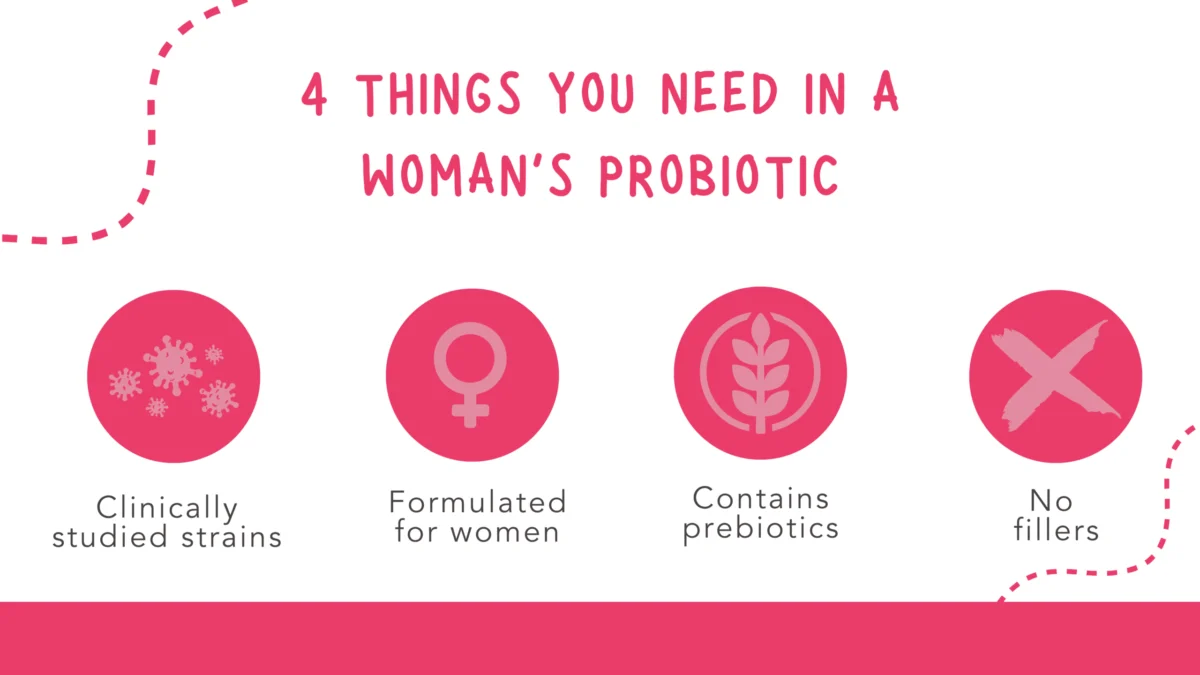
The shift toward specialized health is exemplified by products such as the Mama Natural Women’s Probiotic. This formulation represents a growing trend in the industry to move away from "one-size-fits-all" supplements. By incorporating 50 billion CFUs and 10 specific strains targeted at immune, vaginal, and digestive health, such products cater to the multi-systemic needs of the female body. Furthermore, the exclusion of common allergens like gluten, dairy, and soy, combined with shelf-stable technology, aligns with the modern consumer’s demand for clean-label, high-efficacy supplements.
Regulatory Landscape and Safety Considerations
While probiotics are generally recognized as safe (GRAS) for the healthy population, the medical community advises caution for certain groups. Individuals with compromised immune systems, those recovering from major surgery, or patients with venous catheters should consult healthcare providers before starting a high-dose probiotic regimen, as there is a marginal risk of systemic infection (bacteremia).
Furthermore, the "die-off" effect, or Herxheimer reaction, is a documented phenomenon where individuals may experience a temporary worsening of symptoms (such as bloating or mild headaches) as the microbiome rebalances. Experts recommend a "start low and go slow" approach, gradually increasing the dosage over three to four weeks to allow the body to adapt.
Broader Impact and Future Implications
The integration of probiotics into mainstream medicine marks a transition toward a more holistic, preventative approach to health. As sequencing technology becomes more affordable, the future of probiotics likely lies in "precision probiotics," where an individual’s stool sample is analyzed to identify specific microbial deficiencies, and a custom-tailored probiotic blend is manufactured to correct those imbalances.
In the interim, the burden of selection remains with the consumer. By prioritizing strain transparency, delivery viability, and clinical relevance over marketing hyperbole, individuals can leverage the power of the microbiome to achieve significant improvements in long-term health outcomes. The consensus among gastroenterologists and immunologists is clear: the gut is not merely a digestive organ but a central hub for human health, and the strategic cultivation of its microbial inhabitants is a cornerstone of modern longevity.
