

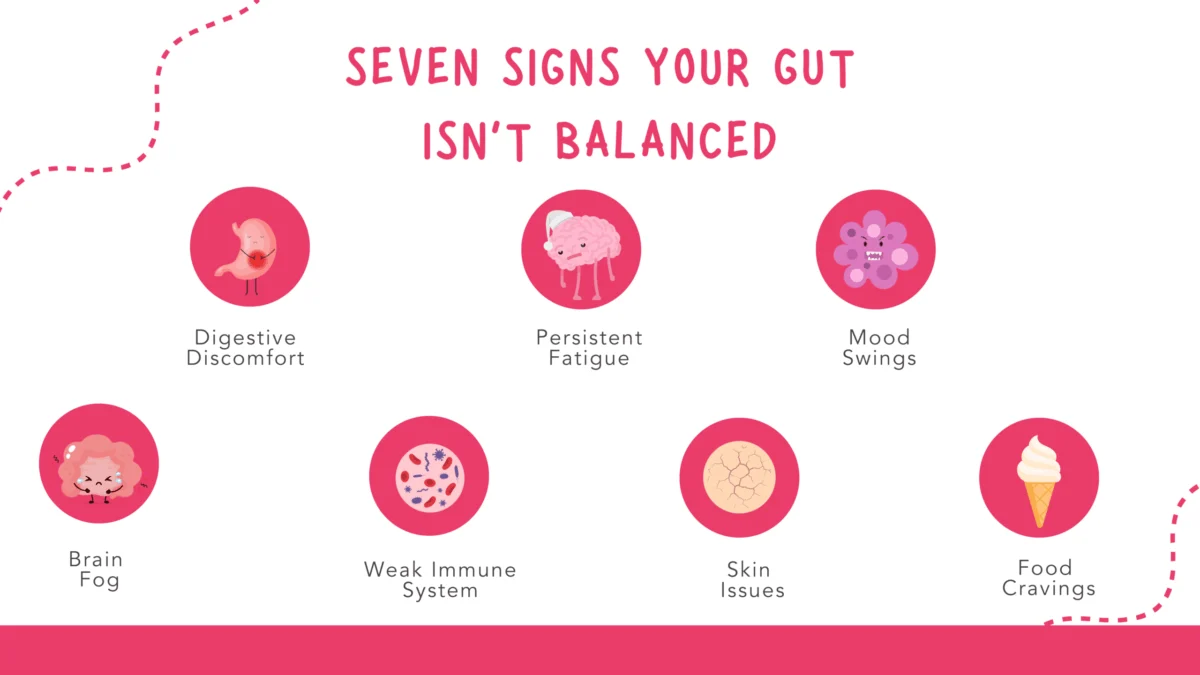
The human gut microbiome, a complex ecosystem of trillions of microorganisms residing in the digestive tract, has emerged as a focal point of modern medical research, with growing evidence linking its balance to nearly every facet of systemic health. Recent clinical observations and longitudinal studies suggest that internal disruptions, often referred to as dysbiosis, manifest through a variety of physiological and psychological symptoms that extend far beyond simple indigestion. As the prevalence of gastrointestinal disorders rises globally, health professionals are increasingly emphasizing the importance of recognizing the subtle indicators of an imbalanced gut to prevent long-term chronic conditions.
The Clinical Framework of Gut Dysbiosis
Gut dysbiosis occurs when the delicate equilibrium between beneficial and pathogenic bacteria is disrupted. This imbalance can be precipitated by various factors, including high-stress levels, sleep deprivation, the overconsumption of processed foods, and the frequent use of antibiotics. According to the National Institutes of Health (NIH), the gut microbiome contains more than 1,000 species of bacteria, which play a critical role in harvesting energy from food, protecting against pathogens, and regulating the immune system. When this system fails, the body begins to issue a series of "warning signs" that indicate a decline in microbial diversity.
1. Chronic Digestive Irregularities and the Bristol Stool Scale
The most immediate indicators of gut imbalance are digestive symptoms such as persistent bloating, gas, constipation, and diarrhea. While occasional discomfort is common, chronic irregularity often suggests that the stomach and intestines are struggling to process nutrients and eliminate waste efficiently. Medical professionals frequently utilize the Bristol Stool Scale, a diagnostic tool designed to classify the form of human faeces into seven categories, to help patients identify whether their transit time is optimal. An imbalance in the microbiome can lead to fermentation in the small intestine, resulting in the production of excess gas and the sensation of abdominal distension.
2. The Intersection of Chronic Fatigue and Gastrointestinal Health
Emerging research has identified a significant correlation between gut health and energy levels. A study published in the journal Microbiome noted that individuals suffering from chronic fatigue syndrome often possess a distinct microbial profile characterized by lower levels of anti-inflammatory bacteria. Furthermore, research indicates that approximately 60 percent of individuals diagnosed with chronic fatigue also exhibit symptoms of Irritable Bowel Syndrome (IBS). This suggests that the metabolic byproducts of an unhealthy gut may contribute to systemic lethargy and a reduced capacity for physical exertion.
3. The Gut-Brain Axis: Mood Regulation and Serotonin Production
One of the most profound discoveries in recent neurology is the "gut-brain axis," a bidirectional communication network linking the enteric nervous system and the central nervous system. A staggering 95 percent of the body’s serotonin—a key neurotransmitter responsible for mood stabilization, sleep, and appetite—is produced in the gastrointestinal tract. Consequently, an imbalanced gut can lead to fluctuations in serotonin levels, potentially manifesting as increased anxiety, depressive episodes, or unexplained mood swings. The scientific community now recognizes that treating mental health often requires a simultaneous evaluation of the patient’s digestive health.
4. Microbial Influence on Dietary Cravings
The composition of the gut microbiome can actively influence host behavior, particularly regarding dietary choices. Certain pathogenic bacteria and yeasts, such as Candida, thrive on simple sugars. These microbes can release signaling molecules into the bloodstream that trigger intense cravings for processed carbohydrates and sweets, effectively "hacking" the host’s appetite to ensure their own survival. This creates a self-perpetuating cycle where poor dietary choices fuel the growth of harmful bacteria, further displacing the beneficial flora required for metabolic health.
5. Dermatological Manifestations and the Gut-Skin Axis
The "gut-skin axis" refers to the relationship between intestinal health and skin clarity. Inflammation originating in the gut, often caused by "leaky gut" (increased intestinal permeability), can allow toxins and food particles to enter the bloodstream. This systemic inflammation frequently manifests on the skin in the form of acne, eczema, rosacea, and psoriasis. Clinical trials have shown that the introduction of specific probiotic strains can reduce skin sensitivity and improve the skin’s barrier function, suggesting that topical treatments may only be addressing the symptoms of an internal microbial issue.
6. Immunological Resilience and Pathogen Defense
Approximately 70 to 80 percent of the human immune system is located within the gut-associated lymphoid tissue (GALT). Beneficial bacteria act as a primary defense mechanism, training immune cells to distinguish between harmless antigens and dangerous pathogens. When the microbiome is weakened, the body’s ability to mount an effective immune response is compromised, leading to a higher frequency of common colds, respiratory infections, and a slower recovery time from illness.
7. Cognitive Impairment and "Brain Fog"
Cognitive functions, including focus, memory, and mental clarity, are deeply intertwined with gut health. The term "brain fog" is often used to describe the cognitive dysfunction associated with gut dysbiosis. Inflammatory cytokines produced in an unhealthy gut can cross the blood-brain barrier, leading to neuroinflammation. This process can interfere with cognitive processing and has been linked in preliminary studies to the progression of neurodegenerative diseases.
A Chronology of Microbiome Research
The scientific understanding of the gut has evolved rapidly over the last century.
- Early 1900s: Nobel laureate Élie Metchnikoff first proposed that consuming fermented milk could "seed" the gut with beneficial bacteria to promote longevity.
- 2007: The National Institutes of Health launched the Human Microbiome Project (HMP), a multi-year initiative to characterize the microbial communities found at several different sites on the human body.
- 2010s: Advances in 16S rRNA sequencing allowed researchers to identify bacterial species that could not be grown in a lab, leading to a massive expansion of the known microbial library.
- 2020-Present: Research has shifted toward "personalized nutrition," where stool analysis is used to tailor diets to an individual’s specific microbial deficiencies.
Strategies for Restoring Microbial Equilibrium
To counteract the effects of dysbiosis, healthcare providers recommend a multi-faceted approach focusing on dietary intervention and strategic supplementation.
The Role of Dietary Fiber and Prebiotics
Fiber serves as the primary fuel source for beneficial gut bacteria. The World Health Organization (WHO) recommends a daily intake of at least 25 to 30 grams of fiber, yet modern Western diets often provide less than half of this amount.
- Soluble Fiber: Found in oats, beans, and fruits; it dissolves in water to form a gel-like material, aiding in blood glucose and cholesterol management.
- Insoluble Fiber: Found in whole grains and vegetables; it adds bulk to the stool and helps food pass more quickly through the stomach and intestines.
A notable prebiotic source gaining attention in the nutritional community is the fruit of the Baobab tree (Adansonia). Native to Africa, Baobab powder is exceptionally high in soluble fiber and antioxidants. Incorporating prebiotics like Baobab into the diet provides the necessary substrate for probiotics to thrive and colonize the intestinal lining.
Integration of Fermented Foods
Fermentation is an ancient preservation technique that naturally produces probiotics. Regular consumption of small amounts of sauerkraut, kimchi, kefir, miso, and kombucha can introduce diverse strains of beneficial bacteria into the digestive system. Unlike supplements, fermented foods often provide a "complex" of bacteria along with the enzymes produced during the fermentation process, which can aid in the breakdown of difficult-to-digest proteins like gluten and casein.
Targeted Probiotic Supplementation
While whole foods are the foundation of gut health, clinical supplementation is often necessary to address specific imbalances, particularly following a course of antibiotics. For women, the need for specific strains is acute, as the gut microbiome directly influences the vaginal microbiome. Strains such as Lactobacillus rhamnosus and Lactobacillus reuteri have been clinically studied for their ability to maintain healthy yeast levels and support urinary tract health.
Current market trends show a shift toward "shelf-stable" probiotics that do not require refrigeration, making them more accessible for daily use. High-quality supplements are now formulated with upwards of 50 billion Colony Forming Units (CFUs) and multiple strains to ensure a broad spectrum of support.
Institutional and Market Analysis
The global probiotic market was valued at approximately USD 58.17 billion in 2021 and is projected to expand at a compound annual growth rate (CAGR) of 7.5% through 2030. This growth reflects a significant shift in consumer behavior toward preventative healthcare.
However, regulatory bodies like the U.S. Food and Drug Administration (FDA) maintain a cautious stance. While the FDA regulates probiotics as dietary supplements rather than drugs, they require that any health claims be substantiated by "competent and reliable scientific evidence." This has led to a push for more rigorous, third-party testing in the supplement industry to ensure that products contain the live cultures promised on their labels and are free from common allergens like soy, gluten, and dairy.
Broader Socioeconomic Implications
The implications of widespread gut health issues extend into the economic sphere. Gastrointestinal disorders are a leading cause of workplace absenteeism and healthcare expenditures. By prioritizing gut health through education and accessible nutrition, public health officials suggest that the burden on national healthcare systems could be significantly reduced. Furthermore, as the link between the gut and mental health becomes more defined, the integration of nutritional psychiatry into standard mental health care could revolutionize the treatment of anxiety and depression.
The current scientific trajectory suggests that the "one-size-fits-all" approach to nutrition is ending. In its place is a more nuanced understanding of the human body as a holobiont—a host plus its microbial residents. Recognizing the seven signs of gut imbalance is the first step for individuals to take agency over their biological health, moving from a reactive model of treating illness to a proactive model of cultivating wellness from the inside out.
