

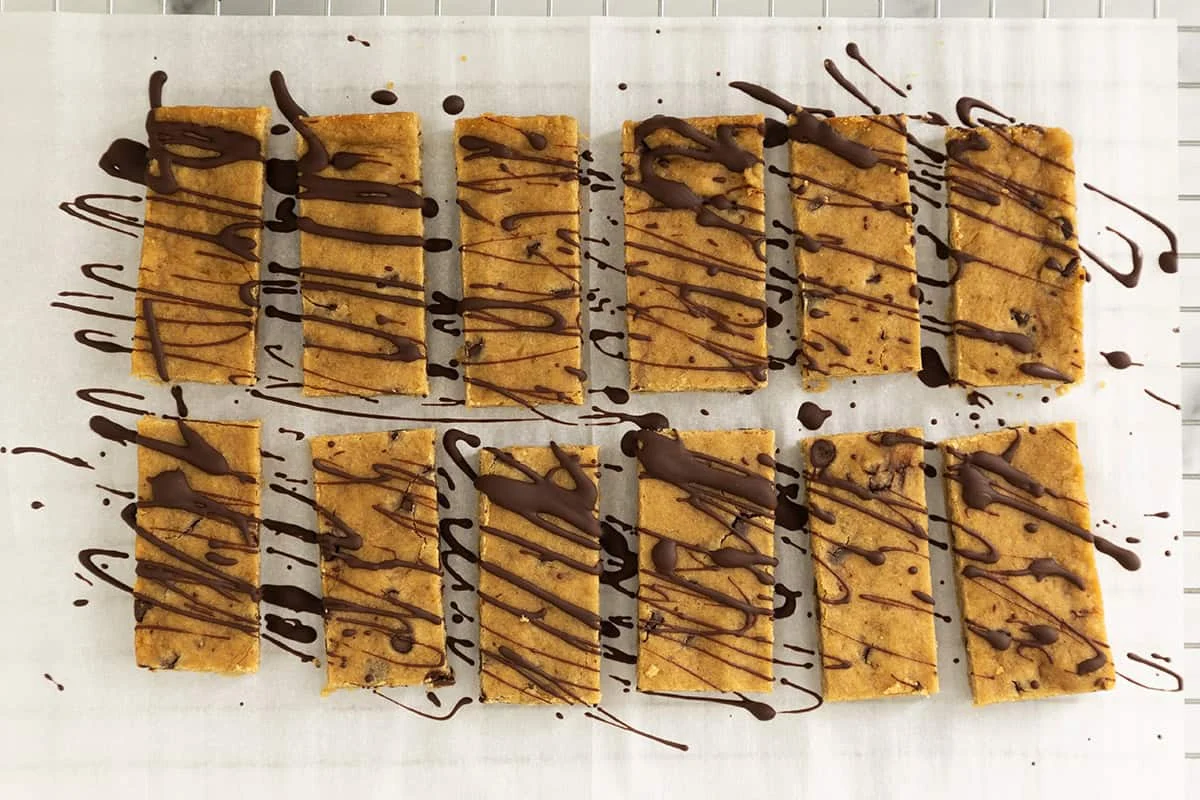
The landscape of pediatric nutrition is undergoing a significant shift as caregivers increasingly seek alternatives to ultra-processed snacks, leading to the emergence of nutrient-dense, home-prepared options like the Healthy Snack Bar. This specific formulation, which leverages the nutritional density of legumes and whole grains, represents a broader trend in domestic food preparation designed to balance glycemic control with palatable flavors. By utilizing a foundational base of chickpeas and oat flour, this recipe addresses several critical pillars of childhood development: sustained energy through complex carbohydrates, muscle support via plant-based proteins, and digestive health through dietary fiber.
As grocery inflation continues to impact household budgets, the move toward "from-scratch" snack production has transitioned from a culinary preference to an economic strategy. The Healthy Snack Bar provides a blueprint for cost-effective nutrition, utilizing shelf-stable staples to replicate the sensory experience of premium, store-bought organic bars at a fraction of the retail price. This transition is backed by a growing body of evidence suggesting that early exposure to diverse protein sources, such as legumes, can shape long-term dietary habits and reduce the risk of lifestyle-related metabolic conditions in later childhood.
Nutritional Composition and Ingredient Efficacy
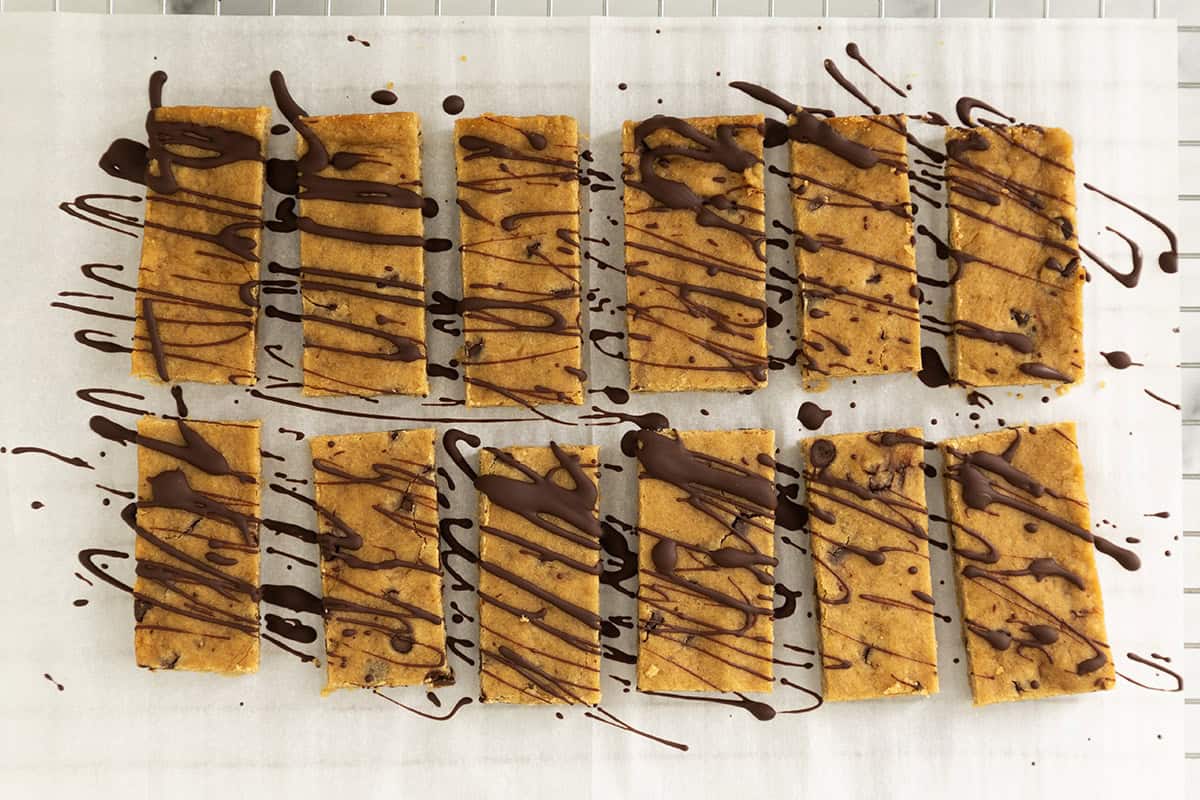
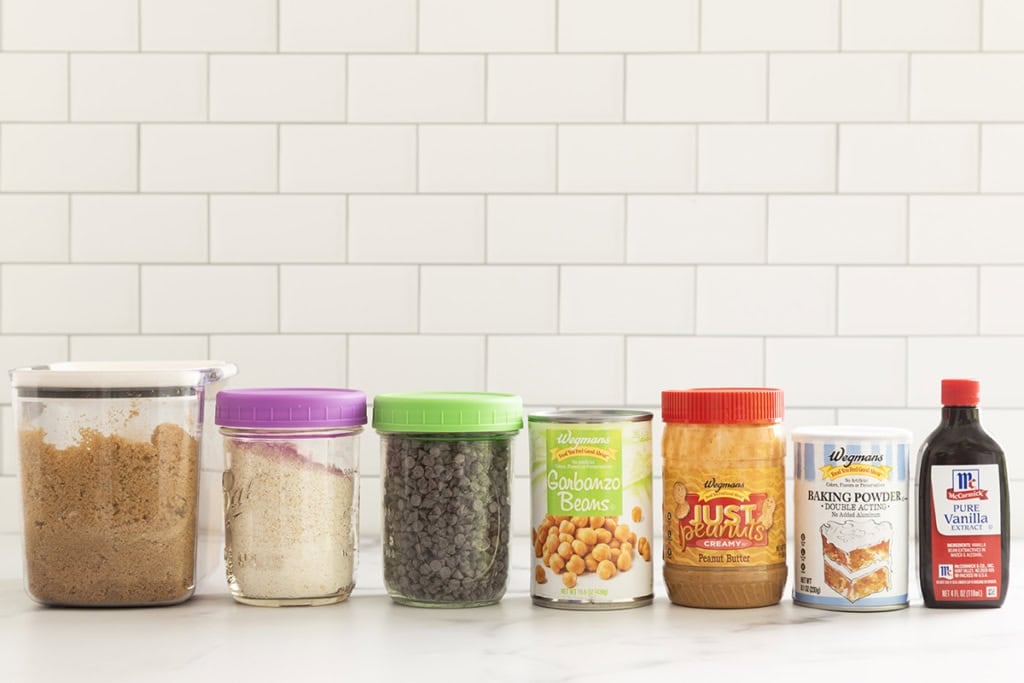
The efficacy of the Healthy Snack Bar lies in its minimalist five-ingredient profile, which prioritizes bioavailability and caloric quality. At the core of the recipe are chickpeas (Cicer arietinum), which serve as a versatile protein source. A single serving of these bars provides 5 grams of protein and 3 grams of fiber, meeting a substantial portion of the daily recommended intake for children aged one to three, who typically require approximately 13 grams of protein and 19 grams of fiber per day.
The inclusion of oat flour serves as a strategic alternative to refined wheat flours. Oats contain beta-glucan, a type of soluble fiber known to support heart health and stabilize blood sugar levels. When combined with the healthy fats found in nut or seed butters, the resulting snack offers a "slow-burn" energy profile. This is particularly relevant for the toddler demographic, where rapid blood sugar spikes from high-sugar processed snacks often lead to subsequent energy crashes and irritability.
Furthermore, the recipe’s "lower added sugar" approach aligns with the American Heart Association’s recommendations, which advise that children under the age of two should consume no added sugars, and older children should limit intake to less than 25 grams per day. By using the natural creaminess of chickpeas and the richness of nut butter, the recipe reduces the necessity for high-fructose corn syrup or cane sugar, relying instead on a controlled amount of chocolate chips to provide the "fun" element necessary for child compliance.
Chronology of Recipe Development and Preparation
The development of the Healthy Snack Bar can be traced through the evolution of "hidden-veggie" and "hidden-legume" culinary techniques. Originally popularized by nutritionists looking to increase the nutrient density of picky eaters’ diets, the concept of legume-based desserts—such as chickpea cookie dough—has been refined into a stable, bakeable format suitable for lunchboxes and travel.
The preparation timeline for these bars is designed for the high-efficiency requirements of modern parenting. The process begins with the preparation of the legumes:
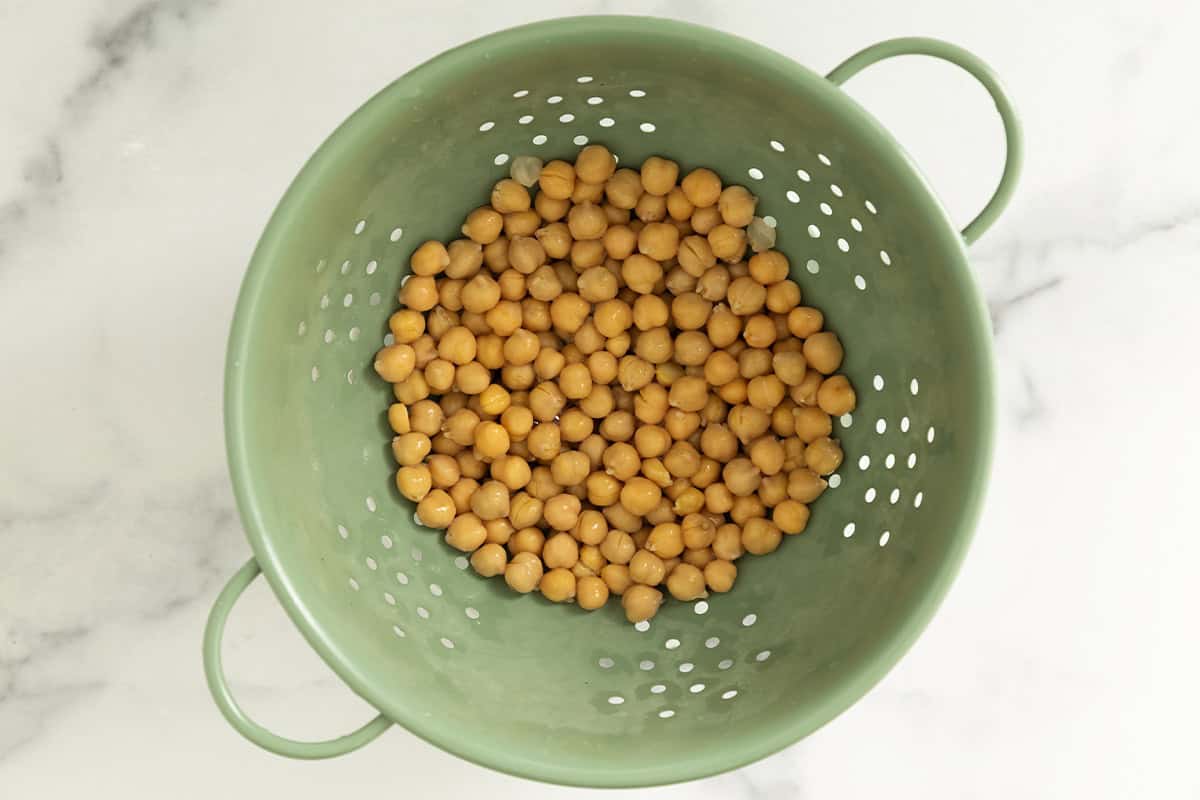
- Hydration and Rinsing: Draining and rinsing canned chickpeas is a critical step to reduce sodium content (by up to 40%) and remove the oligosaccharides that can cause digestive discomfort.
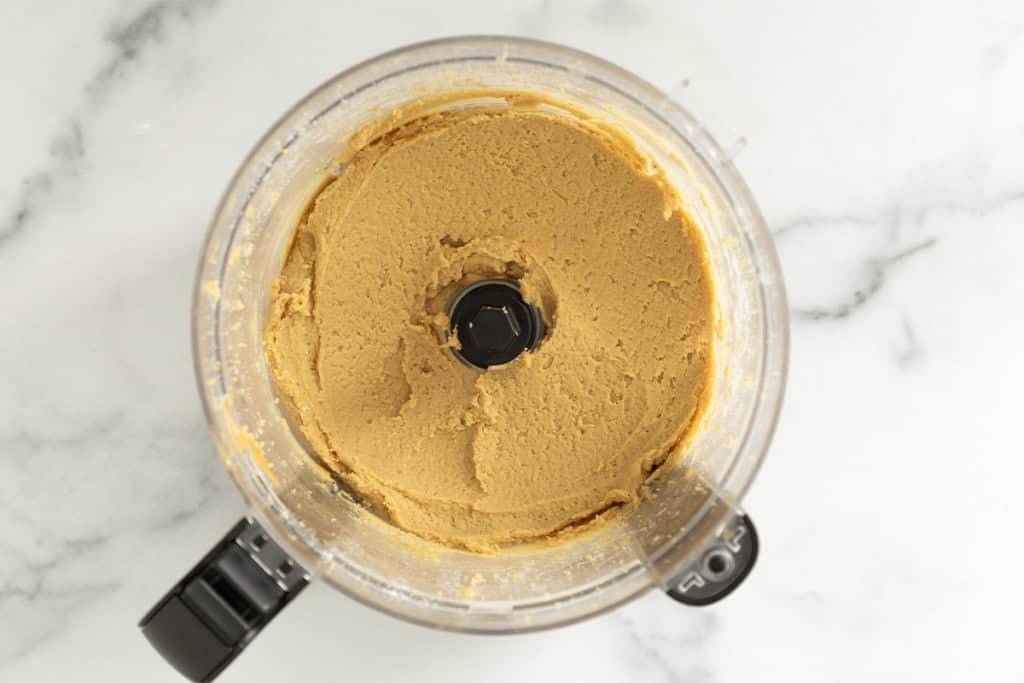
- Homogenization: The ingredients, excluding the textural elements like chocolate chips, are processed in a high-speed food processor. This stage ensures that the cellular structure of the chickpeas is fully broken down, creating a smooth, dough-like consistency that mimics traditional flour-based batters.
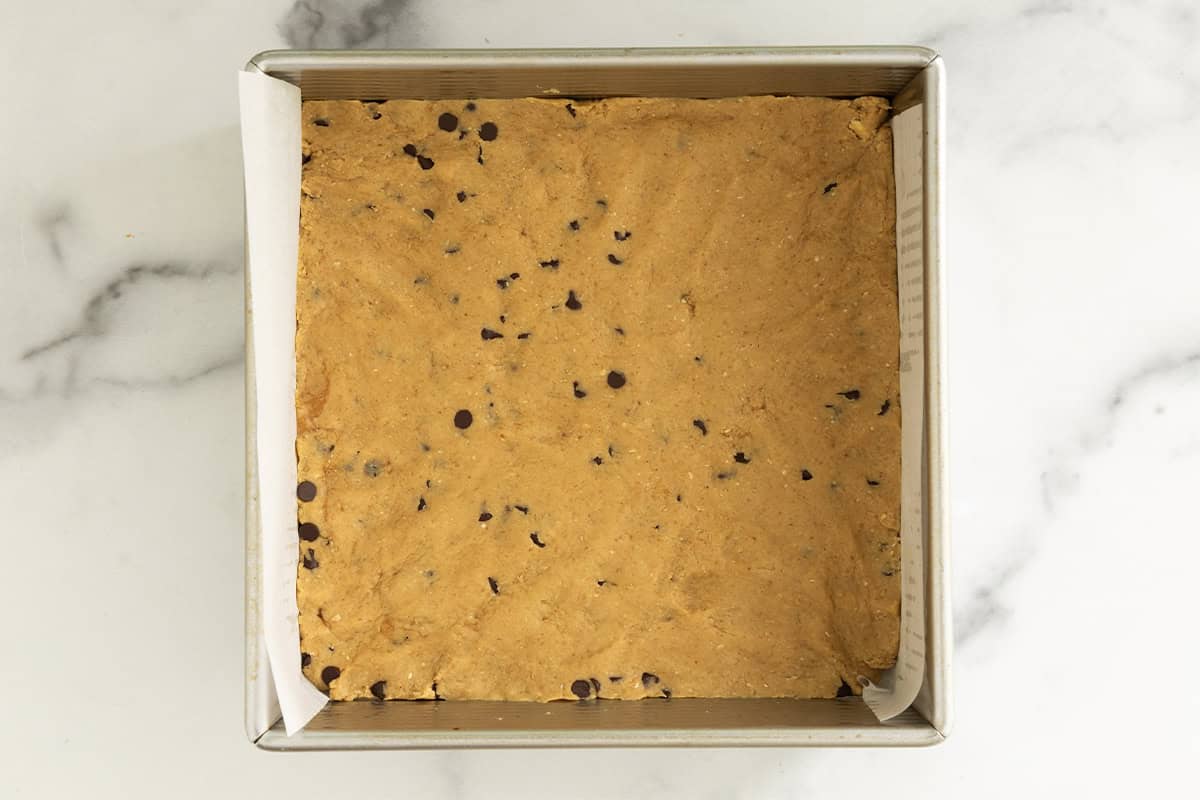
- Textural Integration: Once the base is smooth, chocolate chips are folded in manually to maintain their structural integrity during the baking process.
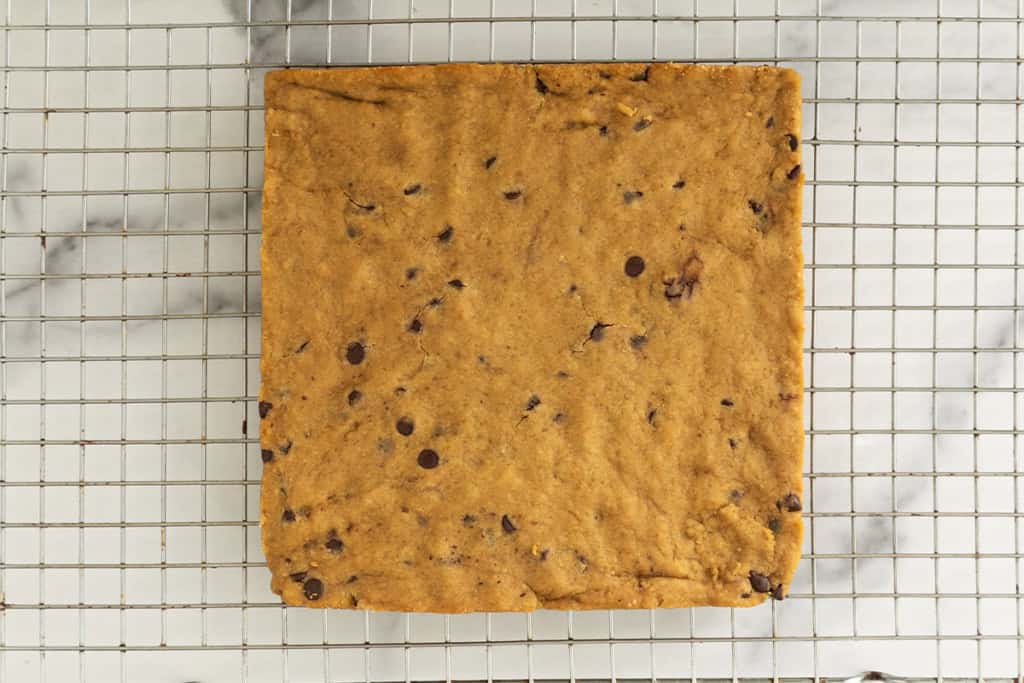
- Thermal Processing: The batter is pressed into a prepared pan and baked until the edges reach a light golden brown. This Maillard reaction not only improves the flavor profile but also ensures the bars are set firmly enough to be handled by small hands.
- Stabilization: Post-baking, the bars require a complete cooling period. This allows the starches in the oats and the proteins in the chickpeas to "set," ensuring the bar remains cohesive at room temperature.
Comparative Analysis: Homemade vs. Commercial Alternatives
A comparative data analysis reveals the stark differences between the Healthy Snack Bar and leading commercial toddler snacks. Many store-bought "granola" or "cereal" bars marketed for children contain upwards of 12 grams of sugar per serving and utilize palm oil or highly refined vegetable oils as binders. In contrast, the homemade Healthy Snack Bar utilizes the natural oils from nut butters (monounsaturated and polyunsaturated fats) and maintains a lower sugar-to-fiber ratio.
Economically, a standard 15-ounce can of chickpeas and a bag of oats can produce multiple batches of snack bars for under $5.00. In the current retail environment, a box of six organic, allergen-friendly snack bars can cost between $6.00 and $9.00. For a household with multiple children, the annual savings associated with transitioning to home-prepared legume-based snacks can exceed several hundred dollars, while simultaneously improving the nutritional intake of the family.
Allergen Management and School Compliance
One of the most significant hurdles in modern childhood nutrition is the management of food allergies, particularly in institutional settings. With many schools and daycare centers adopting "nut-free" policies to protect students with anaphylactic sensitivities, the versatility of the Healthy Snack Bar recipe is a key factor in its widespread adoption.
The recipe allows for the seamless substitution of peanut or almond butter with sunflower seed butter (sunbutter) or soy-based alternatives. Sunflower seed butter, in particular, offers a similar micronutrient profile to nut butters, providing Vitamin E and magnesium. This adaptability ensures that the bars can be safely included in school lunches without violating safety protocols.
Pediatricians often note that "lunchbox fatigue" can lead to children trading their healthy snacks for less nutritious options. The "magic" flavor profile mentioned by developers—which mimics popular store-bought brands—is a psychological tool used to ensure that the child remains satisfied with the healthy option provided by the parent.
Public Health Implications and Expert Perspectives
Public health experts are increasingly vocal about the necessity of introducing high-fiber foods early in life. Current data from the Centers for Disease Control and Prevention (CDC) indicates that childhood obesity rates remains a significant concern, with nearly 20% of children and adolescents in the United States affected. High-fiber, high-protein snacks like the Healthy Snack Bar are viewed as essential tools in the fight against this epidemic.
"The goal is to shift the palate," says one nutrition analyst. "When children become accustomed to the flavors of whole foods, legumes, and natural fats, their craving for hyper-palatable, high-sodium, and high-sugar processed foods diminishes."
Furthermore, the use of chickpeas contributes to environmental sustainability. Legumes are nitrogen-fixing crops, meaning they improve soil health and require less water than many other protein sources. Thus, the promotion of the Healthy Snack Bar also aligns with broader "planetary health" diet goals, which encourage a shift toward plant-forward eating patterns to reduce the carbon footprint of the global food system.
Storage, Longevity, and Practical Application
For the modern caregiver, the utility of a snack is often measured by its shelf life and portability. The Healthy Snack Bar is engineered for durability. It can be stored in an airtight container in the refrigerator for up to two weeks, or frozen for several months. This allows for "batch cooking," a time-management strategy where parents prepare large quantities of food on weekends to serve throughout the busy school week.
The bars are also designed to hold their shape at room temperature, a common failure point for many "raw" or "no-bake" healthy snack recipes. This structural integrity makes them suitable for hiking, travel, or long school days where refrigeration may not be available.
Conclusion: A New Standard for Domestic Nutrition
The Healthy Snack Bar is more than a simple recipe; it is a manifestation of the modern intersection between nutritional science, economic necessity, and parental pragmatism. By deconstructing the components of a popular commercial product and rebuilding it with whole-food ingredients, this approach empowers caregivers to take control of their children’s dietary foundations.
As the trend toward transparent, nutrient-dense snacking continues to grow, it is expected that more families will move away from the "convenience-at-any-cost" model of the past several decades. The Healthy Snack Bar stands as a testament to the fact that with five basic ingredients and a food processor, it is possible to create a snack that satisfies the rigorous demands of both pediatric nutritionists and the discerning palates of toddlers. This evolution in home cooking marks a positive step toward a healthier, more sustainable future for the next generation.
