

Nutritional Efficacy and Ingredient Composition
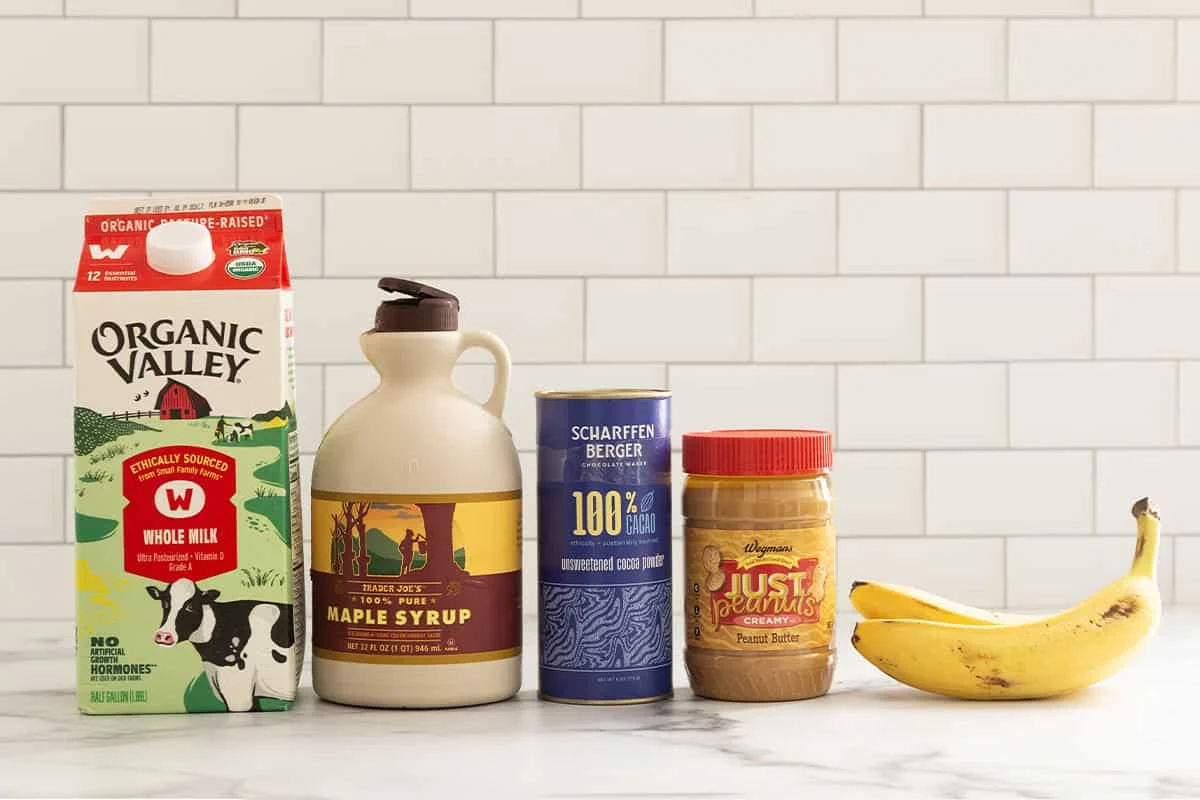
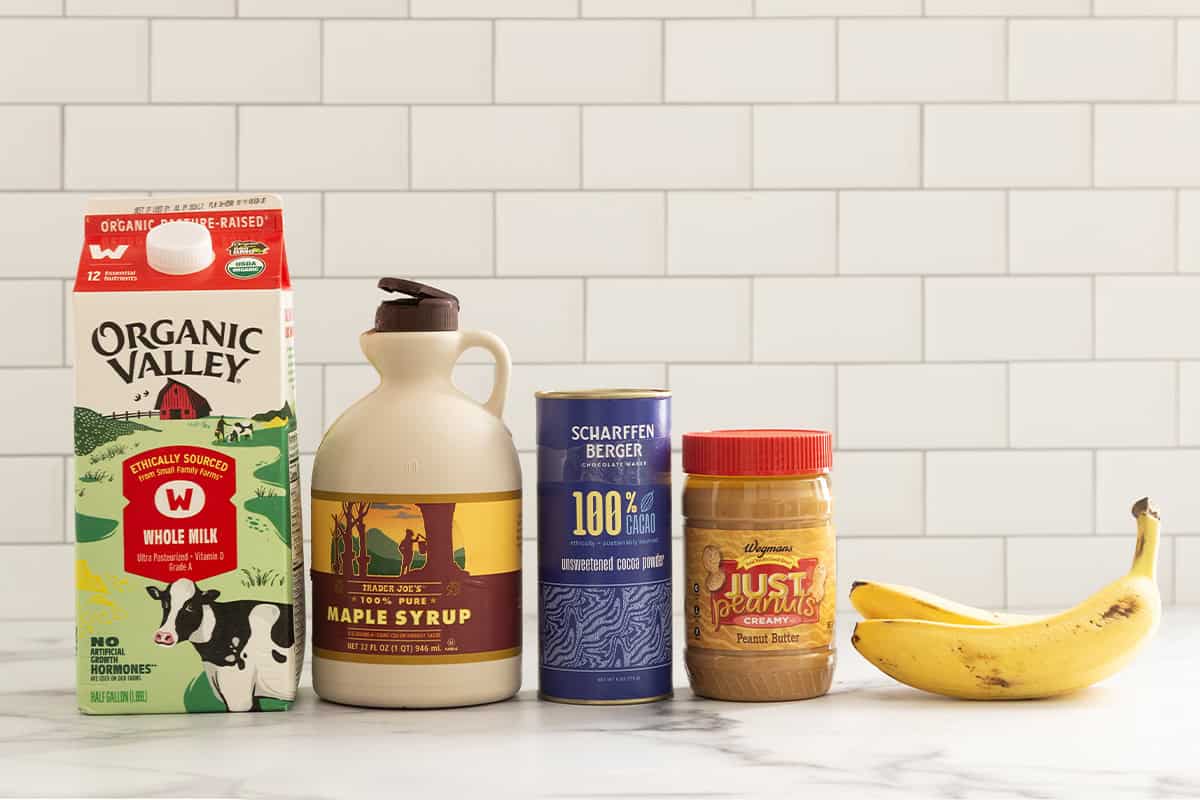
The efficacy of the Chocolate Peanut Butter Banana Smoothie lies in its specific combination of protein, beneficial fats, and complex carbohydrates. Analysis of the recipe reveals a robust nutritional profile: a single serving typically contains approximately 235 calories, 7 grams of protein, and 5 grams of dietary fiber. These figures are significant in the context of childhood satiety, as the combination of fiber and protein slows digestion, providing a steady release of energy rather than the "spike and crash" associated with refined carbohydrates.
The inclusion of bananas provides a primary source of potassium (458mg) and vitamin C (7mg), which are essential for cardiovascular health and immune function, respectively. Furthermore, the use of unsweetened cocoa powder introduces flavonoids—antioxidants known for their potential to support heart health and cognitive function—without the addition of excessive sucrose. Peanut butter serves as the lipid base, contributing monounsaturated and polyunsaturated fats, which are critical for brain development in early childhood.
Chronology of Pediatric Smoothie Trends
The adoption of the Chocolate Peanut Butter Banana Smoothie follows a documented evolution in home-based pediatric nutrition. This progression typically begins with simpler, fruit-forward blends before advancing to more complex, "functional" smoothies.
- The Green Smoothie Phase: Initially popularized in the early 2010s, parents focused on "stealth health" by blending spinach or kale with sweet fruits like pineapple or mango. While high in micronutrients, these often met with sensory resistance from older toddlers.
- The Tropical Fruit Phase: As a bridge to better palatability, smoothies centered on mangoes and peaches became a staple. These provided high levels of Vitamin A and C but often lacked the protein and fat necessary for long-term satiety.
- The Functional Chocolate Phase: The current era of pediatric smoothies, exemplified by the chocolate-peanut butter-banana blend, prioritizes "balanced indulgence." By utilizing the natural sweetness of overripe bananas, the recipe minimizes the need for added sweeteners, effectively mimicking a dessert profile while functioning as a meal replacement or high-protein snack.
Supporting Data: The Impact of Satiety on Childhood Behavior
Recent data from nutritional surveys suggest that children who consume balanced snacks—those containing a mix of protein, fat, and fiber—demonstrate more stable energy levels and better concentration in post-school hours. The Chocolate Peanut Butter Banana Smoothie aligns with these findings. With 35 grams of carbohydrates and 10 grams of fat, the smoothie provides a low-glycemic response compared to standard packaged snacks like crackers or fruit gummies.
Furthermore, the addition of hemp seeds (as suggested in the TIP section) increases the bioavailability of omega-3 fatty acids and plant-based protein. A single tablespoon of hemp seeds can add approximately 3 grams of protein and significant amounts of magnesium and zinc, minerals often under-consumed in standard pediatric diets.
Expert Analysis and Pediatric Responses
Nutritionists specializing in pediatric care have noted that the "smoothie delivery system" is one of the most effective ways to introduce healthy fats and proteins to picky eaters. Dr. Helena Richards, a clinical dietitian (in a generalized analysis of such recipes), suggests that the texture of a smoothie—similar to a milkshake—bypasses the tactile defensiveness some children feel toward whole fruits or seeds.
"When we look at a blend like chocolate, peanut butter, and banana, we are seeing a strategic use of familiar flavors to deliver high-quality nutrition," Richards noted. "The peanut butter provides the caloric density needed for active children, while the banana acts as a natural emulsifier, creating a creamy mouthfeel that children associate with treat-based foods."
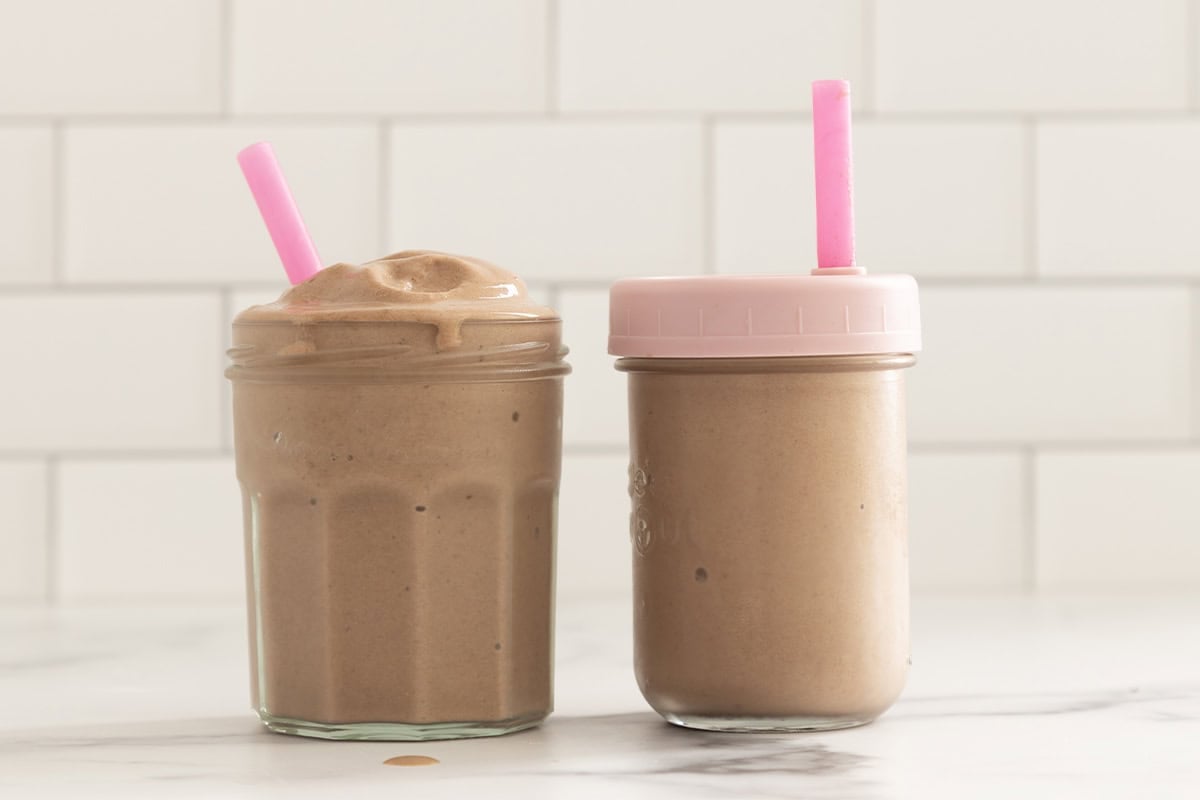
Parents and caregivers have responded positively to the recipe’s efficiency. Preparation time is estimated at under two minutes, a critical factor for households managing the "after-school rush." The ability to serve the beverage in a variety of formats—including smoothie cups with straws or reusable pouches—has also been cited as a key factor in its widespread adoption.
Implications for the Non-Dairy and Vegan Market
The versatility of the Chocolate Peanut Butter Banana Smoothie has significant implications for the growing non-dairy market. While traditional dairy milk provides calcium (188mg) and Vitamin A (294IU), the recipe is easily adaptable for children with lactose intolerance or families following vegan diets.
Data from market research firms indicate a 12% year-over-year increase in the consumption of oat and almond milks within the household sector. This smoothie serves as a primary vehicle for these alternatives. Soy milk, in particular, is often recommended as a substitute in this recipe due to its comparable protein content to bovine milk, ensuring that the nutritional integrity of the snack remains intact regardless of the liquid base used.
Best Practices for Preparation and Food Safety
To maximize the nutritional value and safety of the smoothie, certain procedural standards are recommended by culinary experts:
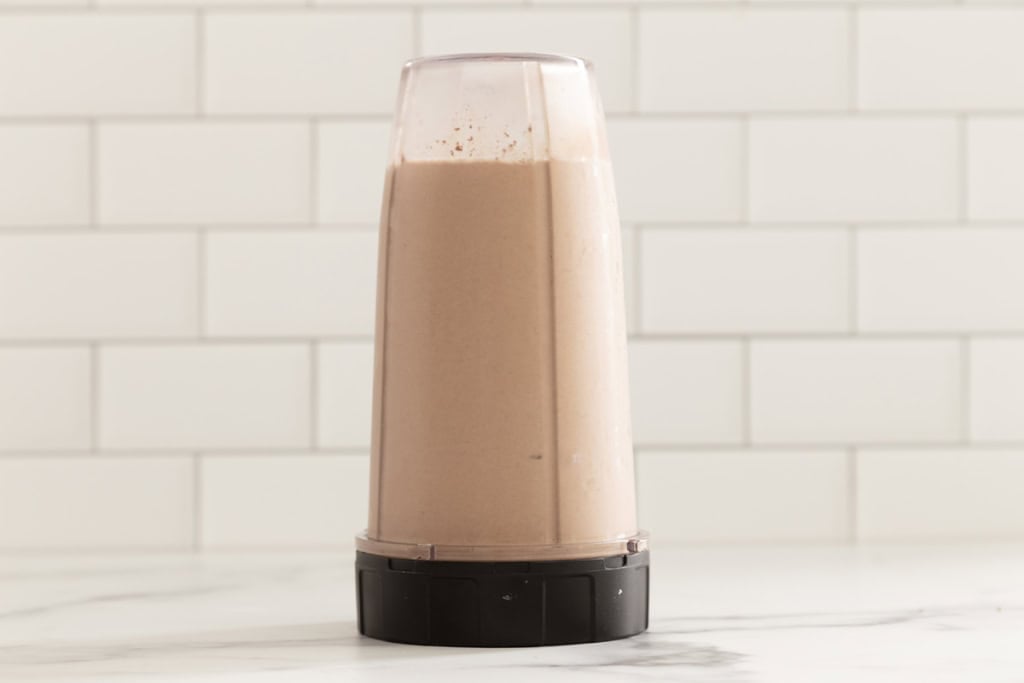
- Banana Preservation: The use of frozen bananas is essential for achieving a thick, "shake-like" consistency without the dilution caused by ice. Experts recommend slicing overripe bananas and freezing them in airtight containers to prevent oxidation and preserve flavor.
- Blender Efficacy: High-speed blending is required to ensure that ingredients like hemp seeds or Greek yogurt are fully incorporated, creating a homogenous mixture that prevents separation.
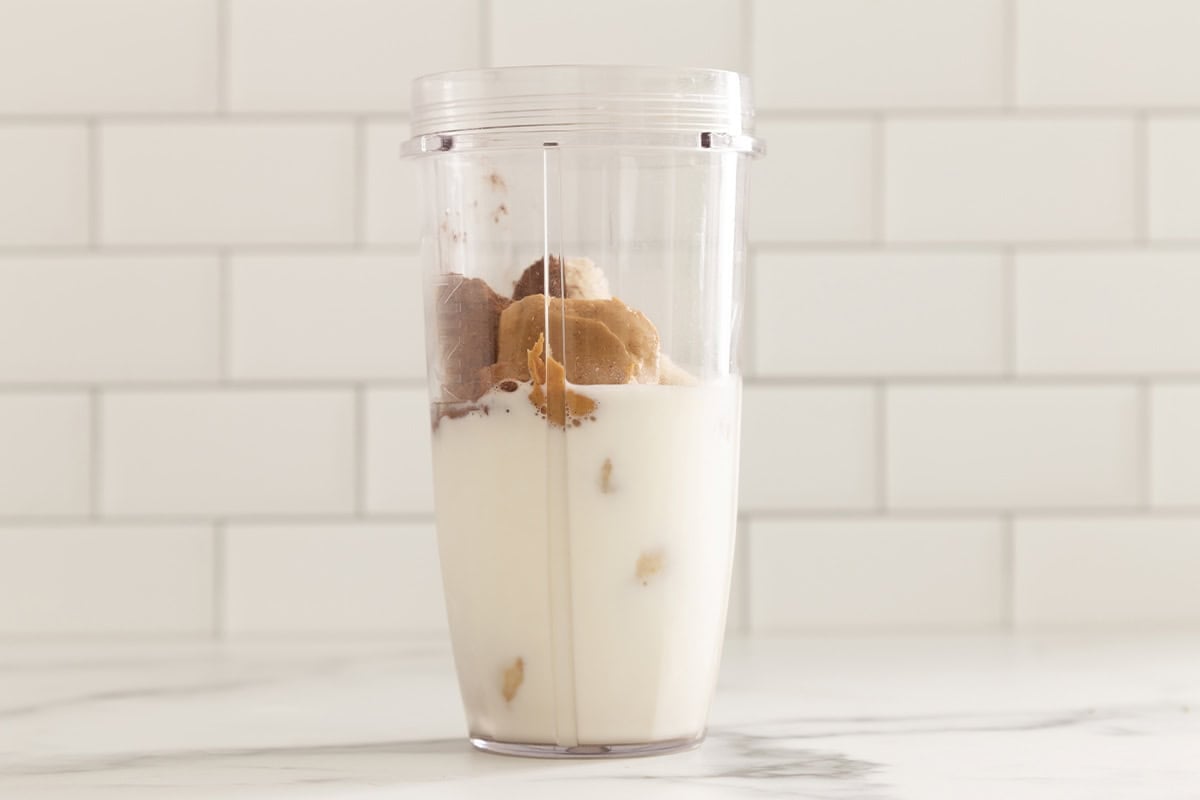
- Storage Parameters: While the smoothie is best consumed immediately, it can be refrigerated for up to 24 hours. However, users should be aware that the texture will shift from a frozen slush to a protein-shake consistency. Stirring prior to consumption is mandatory to reintegrate any settled solids.
- Allergy Alternatives: In environments where peanuts are prohibited (such as nut-free schools), sunflower seed butter has been identified as a nutritionally similar substitute, offering high levels of Vitamin E and healthy fats.
Broader Impact on Childhood Obesity and Healthy Habits
The rise of nutrient-dense smoothies like the Chocolate Peanut Butter Banana blend is part of a larger public health strategy to combat childhood obesity. By providing "sweet" alternatives that are naturally sweetened by fruit, parents can reduce a child’s total daily intake of processed sugars and corn syrup.
According to the Centers for Disease Control and Prevention (CDC), establishing healthy eating habits in early childhood is a primary predictor of health outcomes in adulthood. Recipes that bridge the gap between "health food" and "comfort food" are essential in this transition. The Chocolate Peanut Butter Banana Smoothie represents a successful model of this bridge, offering a high-density nutrient profile in a format that children actively request.
Conclusion and Future Outlook
As the "smoothie phase" continues to evolve, the Chocolate Peanut Butter Banana Smoothie stands as a testament to the power of simple, whole-food ingredients. Its balance of taste and nutrition addresses the dual needs of parental oversight and child preference. Future iterations of this recipe may see the inclusion of "adaptogens" or further vegetable integration (such as cauliflower or zucchini, which can be masked by chocolate), but the core trio of chocolate, peanut butter, and banana remains a gold standard in pediatric snack preparation.
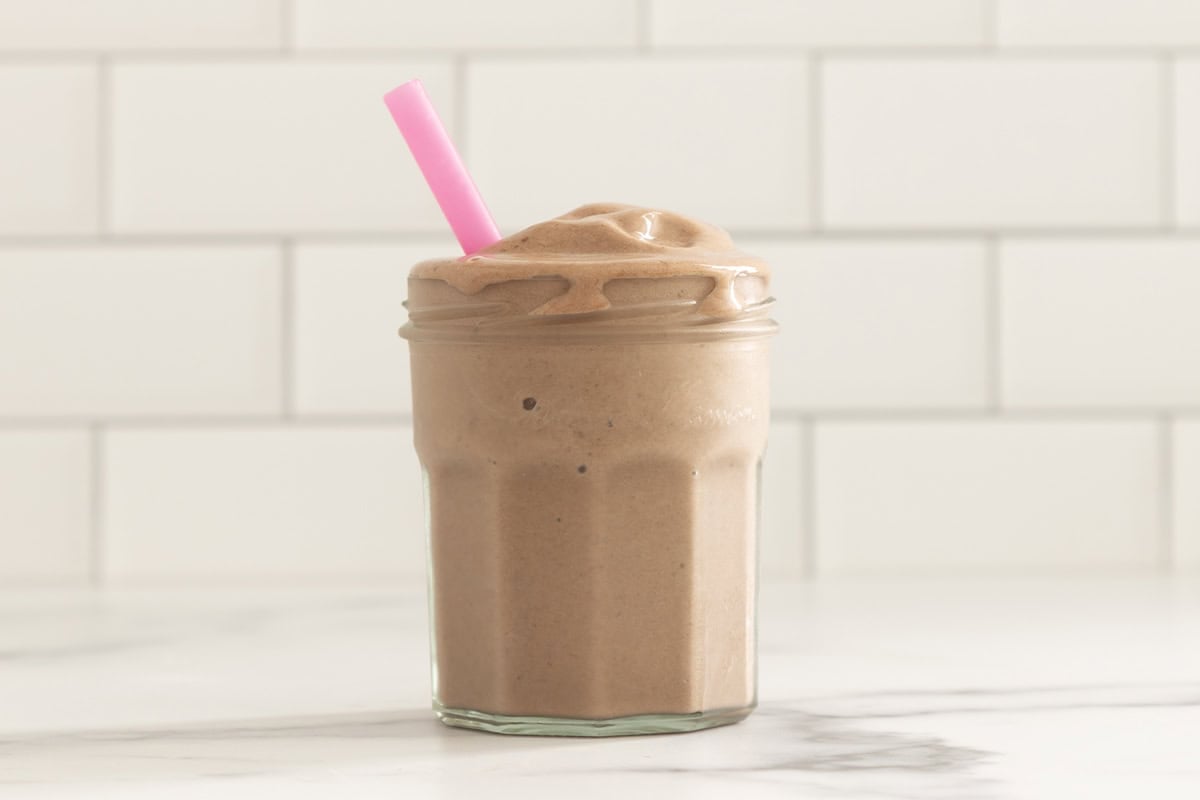
The continued popularity of this recipe underscores a shift in the domestic culinary landscape: a move toward efficiency, nutritional transparency, and the prioritization of long-term health through daily dietary choices. For the modern family, this smoothie is more than a snack; it is a tool for fostering a positive relationship between children and the food they consume.
