

The landscape of domestic culinary practices is undergoing a significant shift as caregivers increasingly seek methods to integrate high-density nutrients into standard household staples. Among the most prominent of these developments is the rise of vegetable-fortified grains, a category now led by the versatile and nutrient-dense Zucchini Rice. This dish, characterized by its fluffy texture and rapid preparation time, has emerged as a strategic solution for addressing the "vegetable gap" often found in the diets of young children and toddlers. By utilizing the neutral profile of white rice and the high moisture content of summer squash, the recipe provides a bridge between traditional comfort food and modern nutritional requirements.
The Core Methodology: A Chronological Approach to Preparation
The production of Zucchini Rice follows a precise chronological sequence designed to maintain the structural integrity of the grain while maximizing the bioavailability of the vegetable’s nutrients. Unlike traditional "hidden veggie" techniques that may involve pureeing or heavy masking, this method favors a visible, integrated approach that encourages sensory familiarization for developing palates.
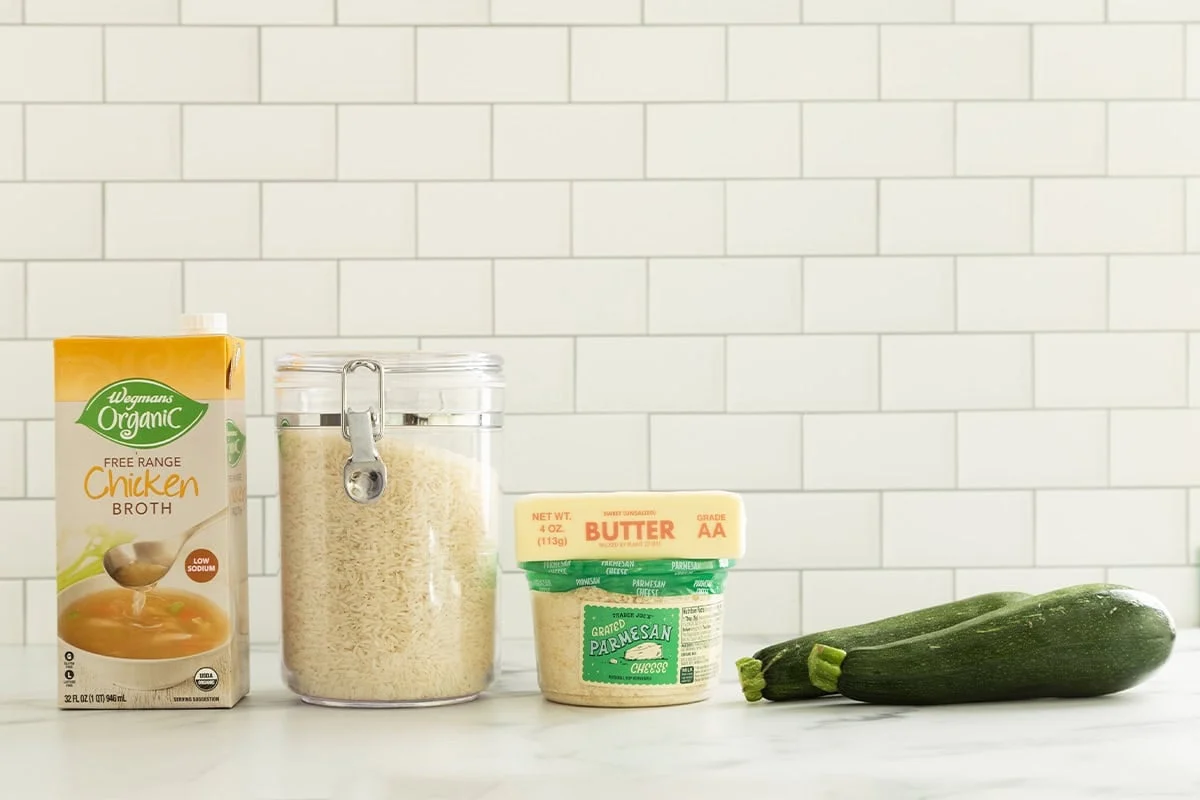
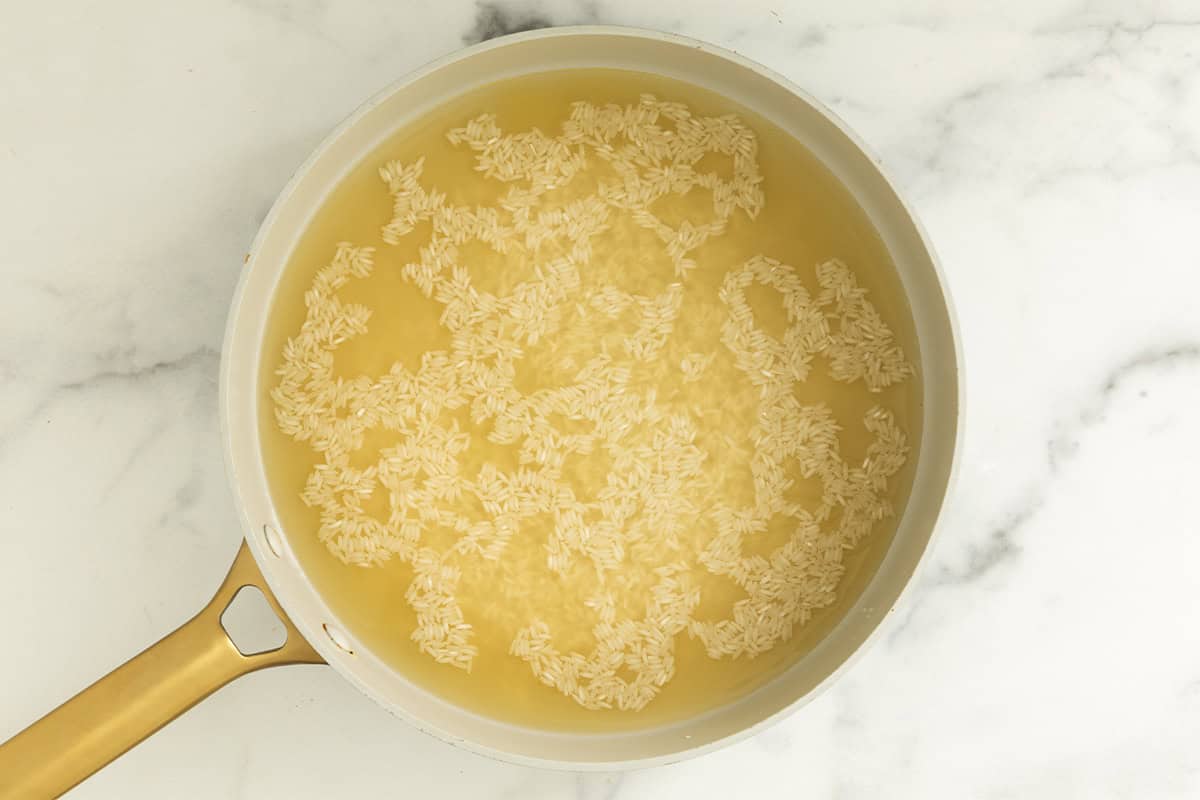
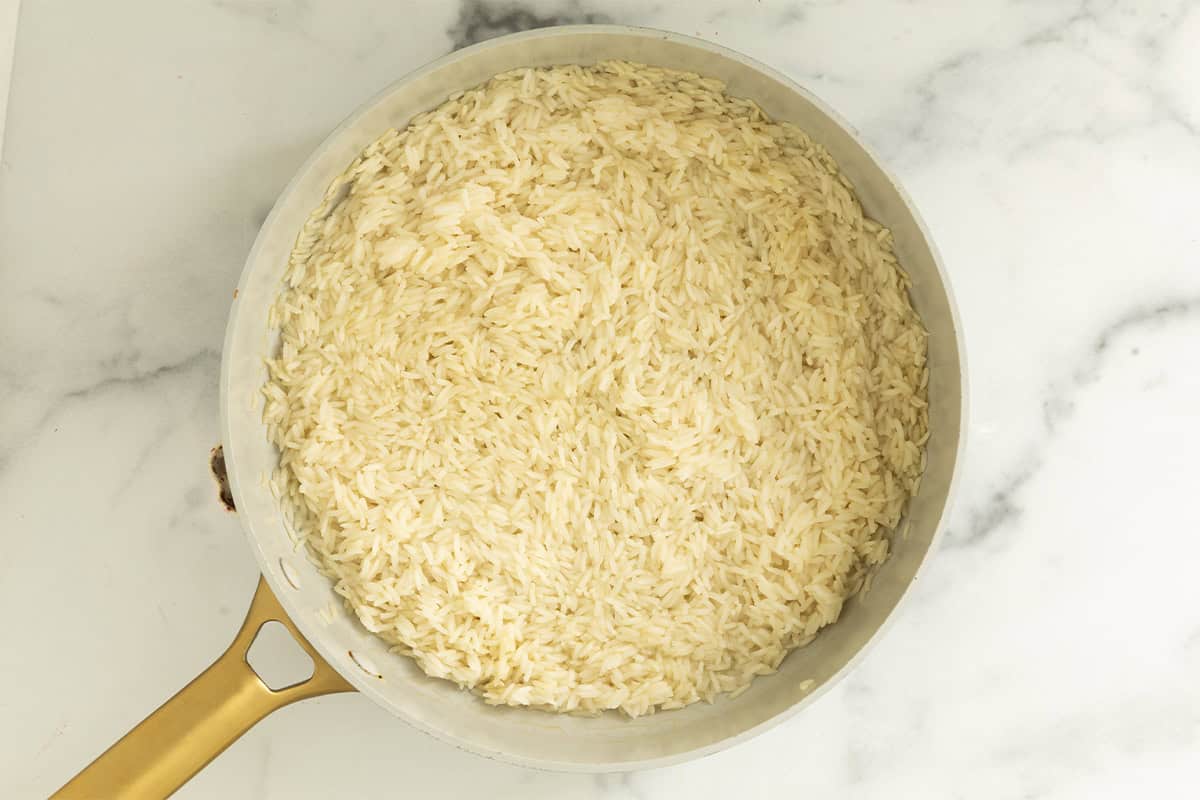
The process begins with the selection of a cooking liquid, typically a high-quality broth, which is brought to a simmer over medium heat. The introduction of the rice marks the commencement of the absorption phase. Experts in domestic science note that the choice of rice—typically a long-grain white variety—is critical for achieving the desired "fluffy" outcome. While the rice simmers on medium-low heat, the preparation of the zucchini occurs in parallel.
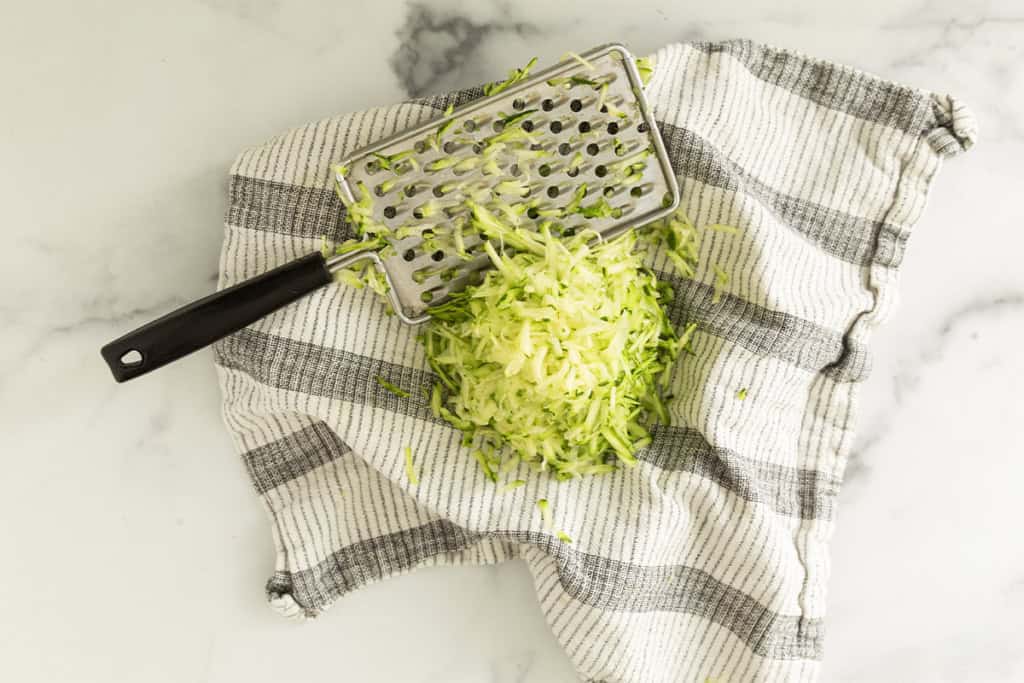
The second phase involves the mechanical processing of the zucchini. Shredding the vegetable is a vital step, but the subsequent moisture extraction is the defining technical requirement of the dish. Because zucchini is composed of approximately 95% water, failure to squeeze the shredded remains can result in a hydro-saturated, mushy final product. By removing excess liquid via a clean kitchen towel, the cook ensures that the vegetable will integrate with the rice during the "rest" phase rather than during the active boiling phase.
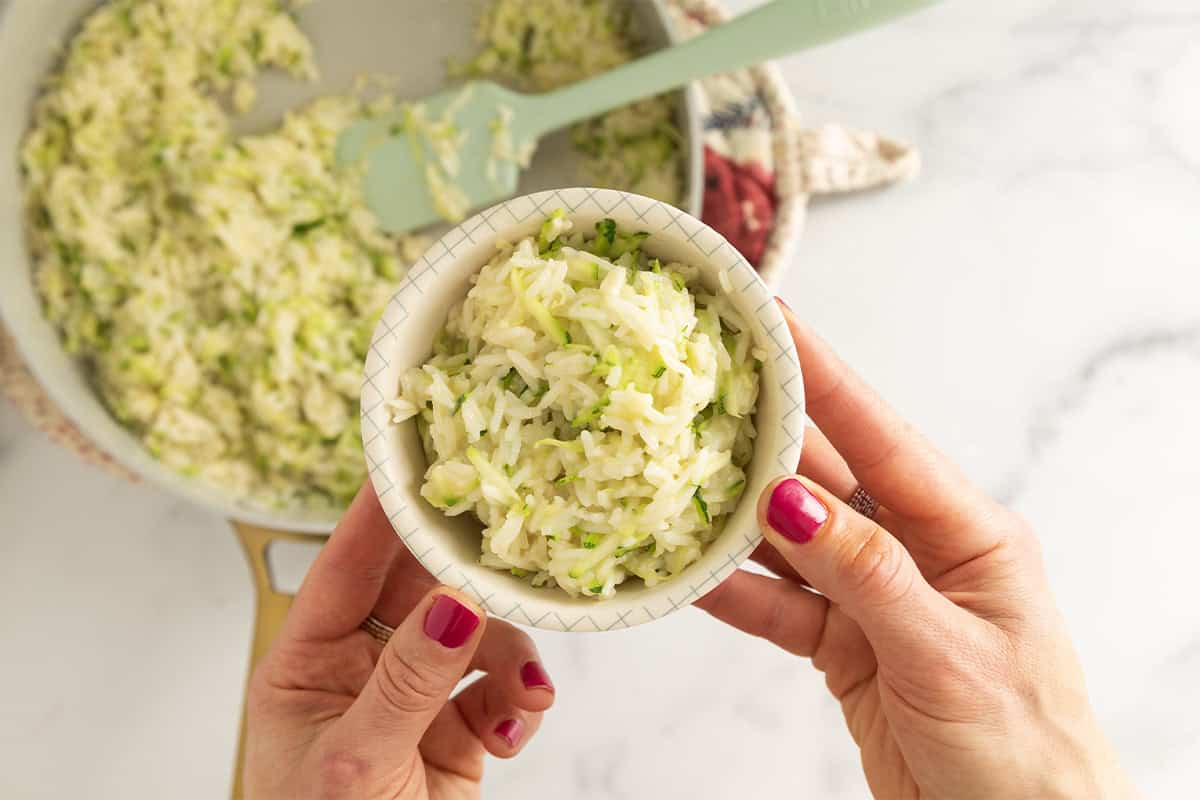
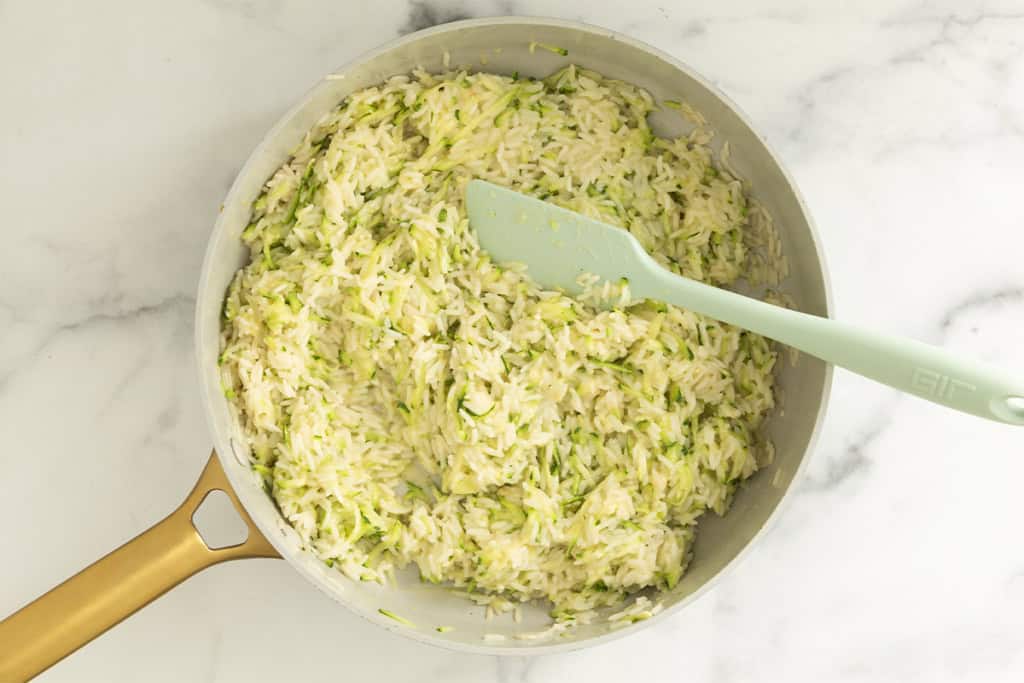
The final stage of the chronology occurs once the rice has reached its point of softness. Upon removal from the heat source, the shredded zucchini, Parmesan cheese, and a fat source—usually butter—are folded into the grains. A five-minute resting period allows the residual heat to steam the zucchini to a tender state without compromising its vibrant color or nutritional profile. The process concludes with "fluffing," a technique that aerates the mixture and ensures an even distribution of the cheese and vegetable fibers.
Nutritional Analysis and Supporting Data
From a quantitative perspective, Zucchini Rice offers a robust profile that aligns with the needs of growing children and active adults. According to nutritional data associated with standard serving sizes, one portion of this dish provides approximately 293 calories. The macronutrient breakdown is particularly noteworthy for a side dish: 10 grams of protein and 10 grams of total fat.
The presence of 10 grams of protein is significant in the context of pediatric nutrition, where protein is essential for tissue repair and growth. Furthermore, the 10 grams of fat—derived primarily from the butter and Parmesan—serve a dual purpose. Beyond providing satiety, these fats are necessary for the absorption of fat-soluble vitamins. Zucchini is a source of Vitamin A (providing 371 IU per serving) and Vitamin C (11 mg), both of which require a lipid medium for optimal metabolic uptake.
The sodium content, measured at 542 mg, reflects the inclusion of broth and cheese. While this is within acceptable limits for most dietary patterns, nutritional analysts often suggest the use of low-sodium broths for those monitoring salt intake. The inclusion of 384 mg of potassium and 105 mg of calcium further elevates the dish from a simple carbohydrate to a multi-mineral supplement to the main meal.
Pediatric Dietary Implications and Expert Perspectives
The psychological impact of Zucchini Rice on child development is a subject of interest for pediatric dietitians. The "exposure method"—a theory suggesting that children need to see and taste a food multiple times before accepting it—is at the heart of this dish’s design. Unlike "sneaky" recipes that hide vegetables, Zucchini Rice makes the green flecks visible but palatable.
Statements from nutrition professionals indicate that integrating vegetables into familiar textures, such as rice or pasta, reduces the "neophobia" (fear of new foods) often seen in toddlers. By pairing the zucchini with umami-rich Parmesan cheese and familiar fats, the dish creates a positive sensory association with green vegetables. This strategy is increasingly viewed as a superior alternative to high-conflict mealtime negotiations, which can lead to long-term food aversions.
Furthermore, the versatility of the dish allows it to serve as a "base" for additional proteins. Whether paired with fish nuggets, salmon cakes, or beans, the rice acts as a neutral canvas that facilitates the introduction of more complex textures and flavors.
Agricultural Context and Economic Impact
The rise of Zucchini Rice is also deeply tied to seasonal agricultural cycles. Zucchini is famously prolific during the summer months, often leading to a surplus in both home gardens and local markets. This abundance frequently results in food waste if households lack diverse methods for preparation.
The adaptation of rice recipes to include large quantities of summer squash represents a practical approach to seasonal eating and food waste reduction. Economically, the dish is highly cost-effective. Rice and zucchini are both low-cost commodities, and the ability to store leftovers for up to five days in an airtight container makes it an ideal candidate for "batch cooking" or meal prepping. This efficiency is particularly valuable for middle-income households facing rising grocery costs, as it provides a high-volume, high-nutrient meal for a fraction of the cost of processed alternatives.
Substitution Science and Dietary Adaptations
To accommodate the growing diversity of dietary requirements, the basic framework of Zucchini Rice has been subjected to various modifications. Journalistic inquiries into culinary trends show a high demand for dairy-free and gluten-free variations of standard recipes.
For dairy-free households, the omission of Parmesan and the substitution of butter with olive oil or avocado oil maintain the dish’s structural integrity while altering the flavor profile toward a Mediterranean style. Alternatively, the use of crumbled feta or goat cheese offers a tangy variation for those who prefer different flavor profiles.
The choice of grain also offers flexibility. While white rice is preferred for its quick cooking time and soft texture, brown rice can be utilized to increase fiber content (currently 1 gram per serving in the standard version). However, food scientists note that brown rice requires a higher liquid-to-grain ratio and a longer simmering time, necessitating adjustments to when the zucchini is added to ensure it does not overcook.
Food Safety and Storage Protocols
As with all rice-based dishes, food safety is a critical consideration. Rice is susceptible to Bacillus cereus, a bacterium that can produce toxins if the food is left at room temperature for extended periods. Professional guidelines for Zucchini Rice emphasize the importance of cooling the dish rapidly before refrigeration.
Once stored in an airtight container, the dish remains viable for up to five days. When reheating, it is recommended to add a small amount of moisture (water or broth) to restore the fluffiness of the grains. This longevity makes the dish a staple for "mom lunches" and quick weekday dinners, providing a reliable source of nutrition that survives the reheating process better than many other vegetable-heavy sides.
Conclusion: The Broader Impact on Domestic Food Culture
Zucchini Rice is more than a simple recipe; it is an artifact of a changing food culture that prioritizes efficiency, nutrition, and child-friendly culinary design. By leveraging the science of moisture management and the psychology of food exposure, the dish addresses the modern parent’s most common challenges: time poverty and picky eating.
As the trend toward "veggie-loading" continues to grow, dishes like Zucchini Rice are likely to become standard repertoire in the global kitchen. The integration of supporting data, seasonal awareness, and nutritional science ensures that this dish will remain a relevant and vital tool for promoting public health at the most fundamental level—the family dinner table. The implications for long-term health are clear: by normalizing the presence of vegetables in every meal, society can foster a generation of eaters who view nutrition not as a chore, but as a natural and delicious component of daily life.
