

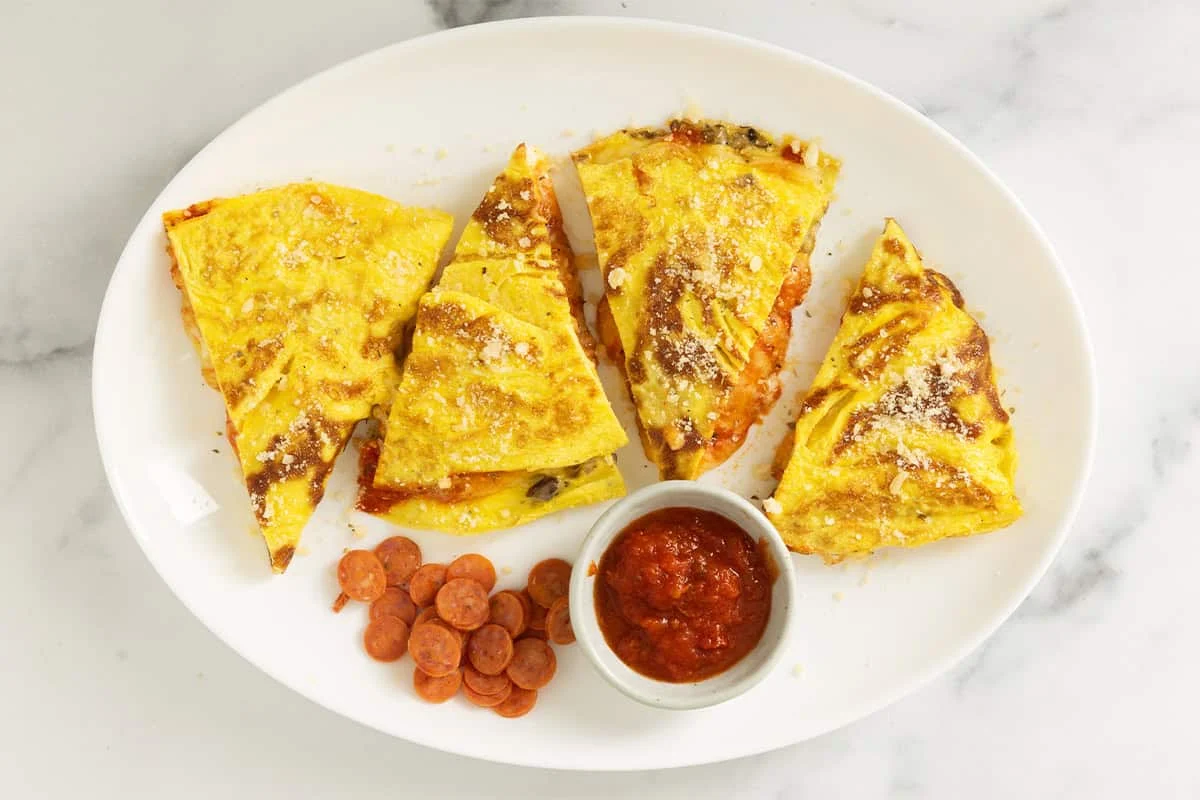
The culinary landscape for modern families is undergoing a significant transformation as time-constrained parents seek innovative ways to bridge the gap between nutritional density and rapid preparation. At the forefront of this movement is the Omelet Pizza, a hybrid dish that combines the protein-rich profile of a traditional omelet with the universally appealing flavor palette of a classic pizza. This dish has emerged as a critical tool for caregivers, offering a five-minute cooking method that accommodates a wide variety of toppings, making it a versatile staple for breakfast, lunch, or dinner. As the demand for "quick-win" meals grows, the Omelet Pizza represents a broader shift toward functional, adaptable, and kid-friendly gastronomy that does not compromise on dietary requirements.
The Evolution of the Quick-Service Home Meal
The rise of the Omelet Pizza can be traced through a clear chronology of home-cooking adaptations. Historically, the concept of "breakfast for dinner" served as the primary fallback for busy households. However, as pediatric nutritional science has evolved, there has been a push to move beyond simple cereal or pancakes toward more balanced options. The Omelet Pizza follows a lineage of "shortcut" pizza recipes, such as Pizza Toast, Naan Pizza, and Tortilla Pizzas. These iterations sought to eliminate the time-consuming process of dough fermentation and baking.
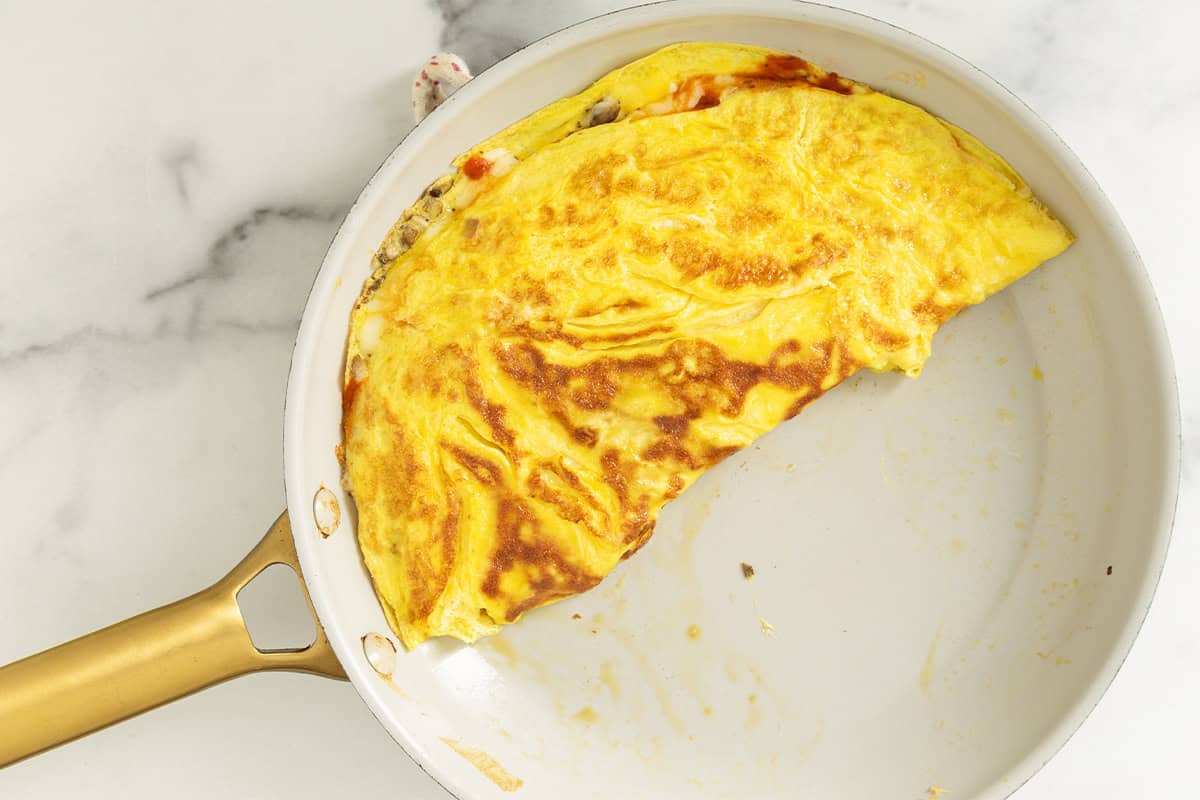
By 2024, the trend shifted toward "crustless" alternatives, driven by both a desire for higher protein intake and the need to cater to gluten-sensitive populations. The Omelet Pizza serves as the logical conclusion of this evolution, utilizing whisked eggs as a structural base that mimics the circular form of a traditional pizza while providing a superior nutritional profile. This transition marks a departure from carbohydrate-heavy shortcuts toward a more balanced macronutrient distribution, reflecting current dietary trends in the United States and Europe.
Nutritional Profile and Supporting Data
From a nutritional standpoint, the Omelet Pizza offers a robust alternative to standard fast-food or frozen pizza options. According to standardized nutritional analysis, a single serving of this dish—typically consisting of two large eggs and a moderate amount of cheese and toppings—contains approximately 320 calories. More significantly, it provides 19 grams of high-quality protein, which is essential for muscle development and satiety in growing children.
The micronutrient density of the dish is equally noteworthy. Eggs are a natural source of choline, which supports brain development, and lutein, which is beneficial for eye health. When topped with mozzarella cheese, the dish provides approximately 176 milligrams of calcium, contributing to bone density. The inclusion of vegetables, such as mushrooms or bell peppers, adds essential fiber and vitamins A and C. Data from the USDA suggests that integrating eggs into evening meals can help stabilize blood sugar levels in toddlers, potentially leading to better sleep patterns compared to high-sugar or high-refined-carb alternatives.
The fat content, totaling 25 grams, is primarily derived from the eggs and cheese, providing the necessary energy density for active children. While the saturated fat content sits at 11 grams, the dish remains a more wholesome choice than processed frozen pizzas, which often contain high levels of sodium and artificial preservatives. The Omelet Pizza’s sodium count, at 618 milligrams, can be further reduced by utilizing low-sodium cheeses or fresh, rather than cured, meat toppings.
Technical Execution and Culinary Method
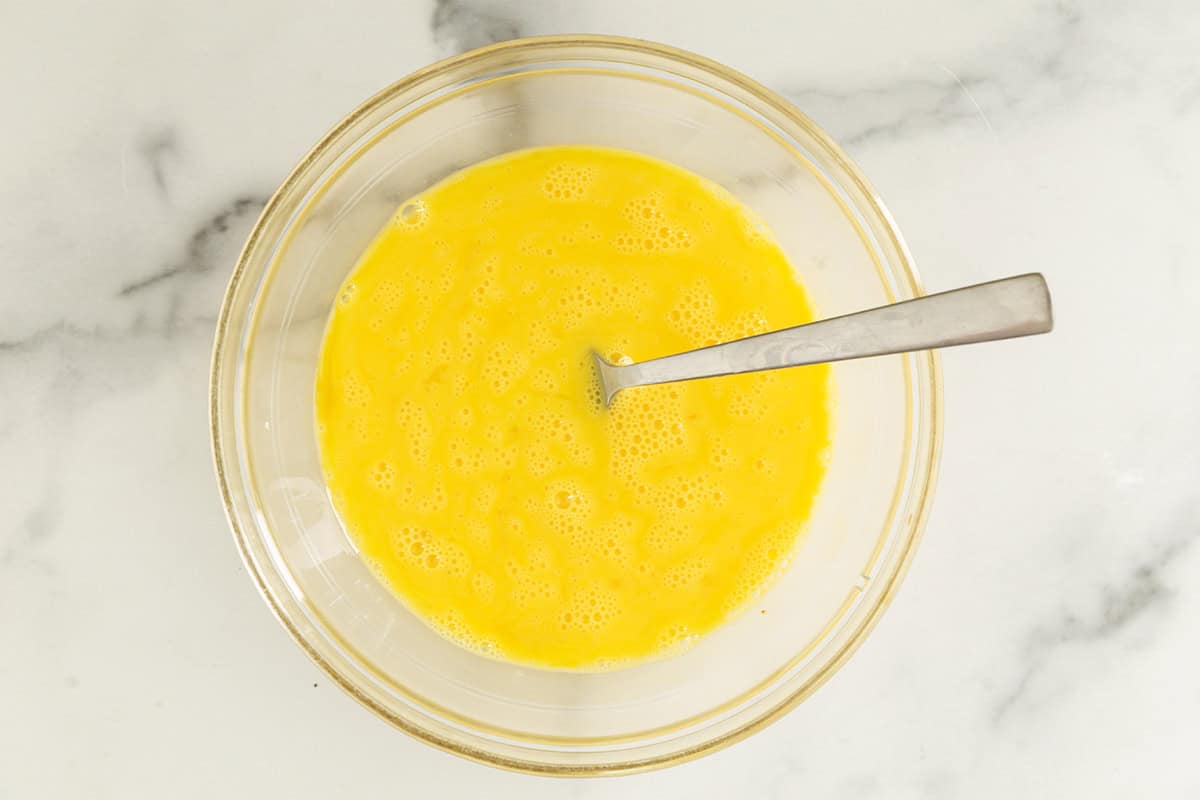
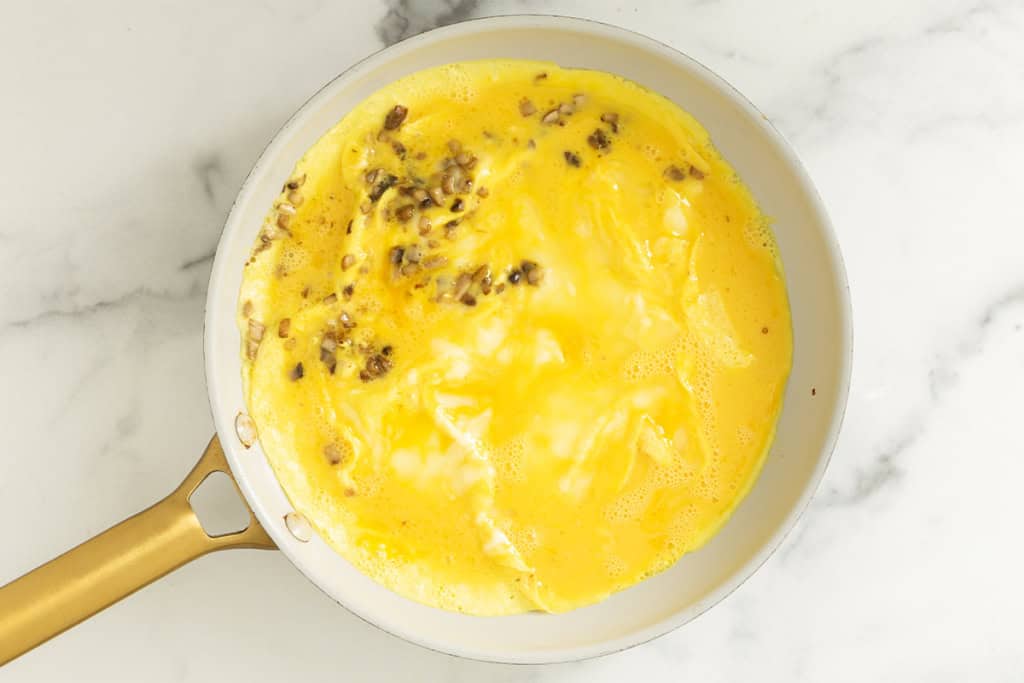
The success of the Omelet Pizza lies in its simplicity and the specific technical approach to heat management. The process begins with the aeration of the eggs, which must be whisked lightly to ensure a fluffy rather than dense texture. A non-stick pan is heated with a small amount of butter, which acts as both a lubricant and a flavor enhancer.
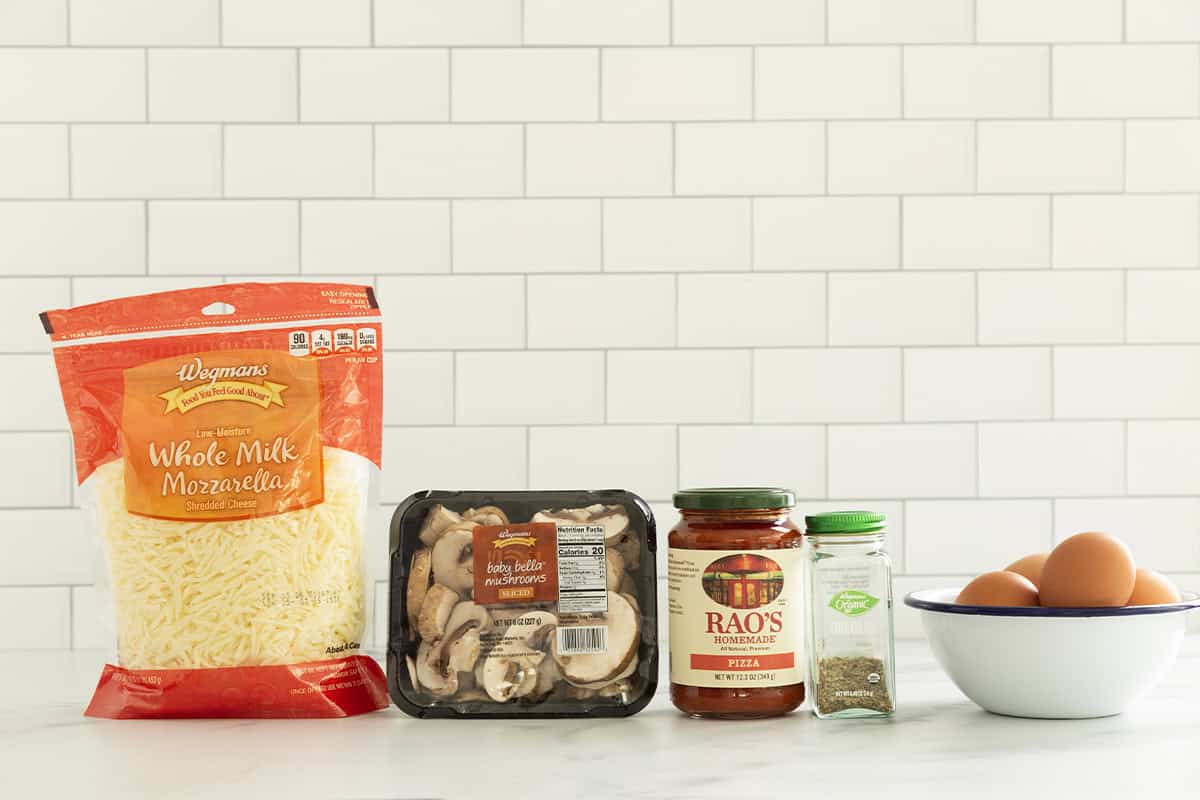
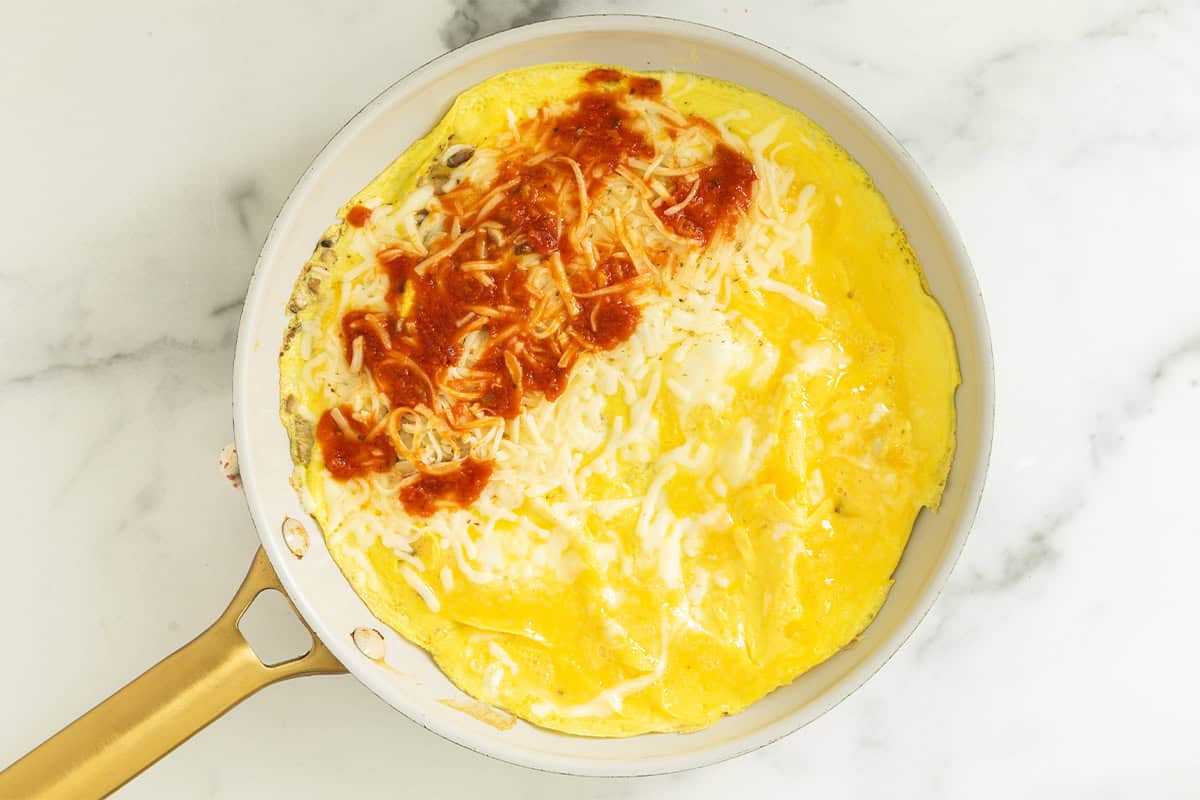
The "set and flow" technique is critical to the dish’s structural integrity. Once the egg mixture is added to the pan, the cook must move the set edges toward the center, allowing the raw liquid egg to flow underneath. This creates a uniform thickness that can support the weight of the toppings. The pizza elements—typically shredded mozzarella, dried oregano, and selected vegetables or meats—are concentrated on one half of the omelet.
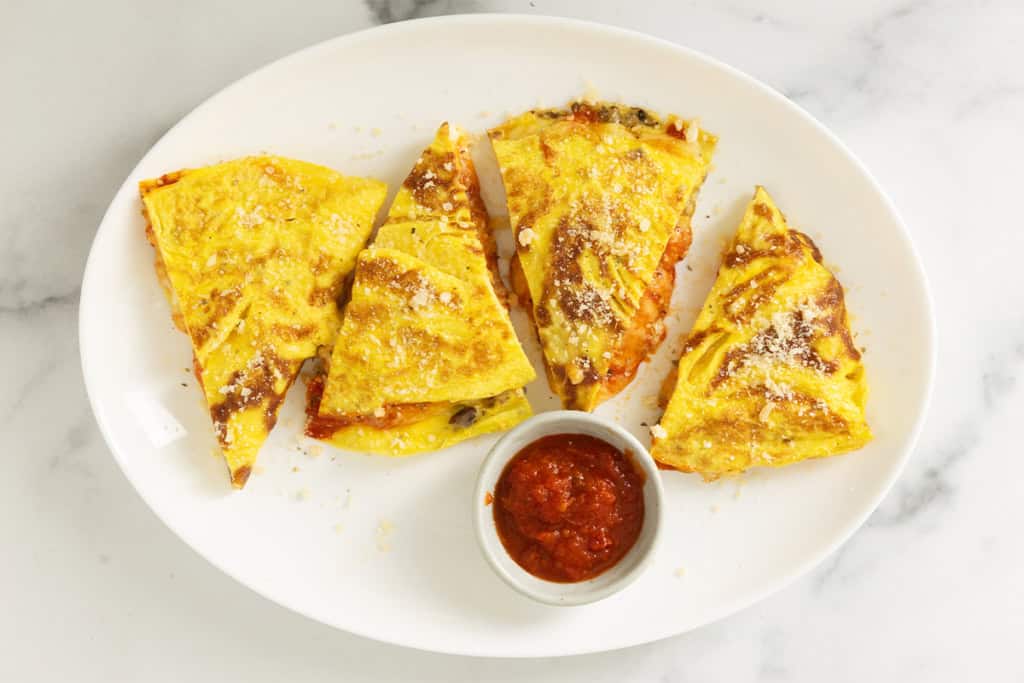
To ensure the cheese melts and the toppings are warmed without overcooking the bottom of the eggs, a lid is placed over the pan. This creates a localized convection effect, trapping steam to cook the top of the "pizza." The final step involves folding the plain side over the toppings, creating a semi-circular, portable meal that can be easily sliced into wedges or diced into bite-sized squares for younger children.
Pediatric Perspectives and Picky Eating Strategies
Child development experts and pediatric nutritionists have noted that the Omelet Pizza addresses several challenges associated with "picky eating" in toddlers. The familiar "pizza" branding acts as a bridge, allowing parents to introduce eggs—a texture that some children find challenging—under the guise of a favorite food.
Statements from dietary consultants suggest that the "deconstructed" nature of the toppings allows for a high degree of child involvement in the cooking process. When children are given the autonomy to choose their "pizza" toppings, they are statistically more likely to consume the meal. Furthermore, the tactile nature of the dish, which can be eaten with hands once sliced into wedges, aligns with the "Baby Led Weaning" (BLW) philosophy, which encourages self-feeding and the exploration of different food textures.
The inclusion of a dipping element, such as warmed marinara or a veggie-loaded tomato sauce, provides an additional sensory experience. Dipping is a recognized strategy in pediatric feeding therapy to make new or less-preferred foods more engaging for children.
Market Trends and the "Mom Lunch" Culture
Beyond its application for toddlers, the Omelet Pizza has gained significant traction within the "Mom Lunch" demographic. This market segment consists of parents and caregivers who require highly nutritious, low-effort meals that can be prepared in the brief windows of time between childcare duties or remote work tasks.
Social media data and food blog analytics indicate a surge in searches for "high-protein quick lunches" and "low-carb pizza alternatives." The Omelet Pizza fits this niche perfectly, offering a sophisticated flavor profile that appeals to adults while remaining simple enough for a child’s palate. This dual-appeal makes it an efficient "single-cook" meal, where the same base recipe can serve both the adult and the child, reducing the labor-intensive practice of preparing separate meals.
The economic impact of such recipes is also relevant. Eggs remain one of the most cost-effective protein sources available to consumers. In an era of fluctuating grocery prices, the ability to create a "pizza-like" experience without the cost of specialized dough or expensive takeout delivery fees provides significant financial relief to household budgets.
Food Safety, Storage, and Reheating Protocols
In a professional domestic setting, food safety and storage are paramount. The Omelet Pizza is highly conducive to meal prepping, a practice that has become essential for modern family management. Once the omelet has cooled to room temperature, it can be stored in an airtight container in a refrigerator maintained at or below 40°F (4°C).
The dish retains its structural integrity for up to five days. For optimal results, experts recommend slicing the omelet into wedges before storage. This increases the surface area for reheating, ensuring that the center reaches a safe internal temperature without the edges becoming rubbery. Reheating should be conducted on a heat-safe plate in a microwave for 15 to 30 seconds, or in a covered skillet over low heat to maintain the crispness of the exterior.
Broader Implications for Modern Gastronomy
The Omelet Pizza is more than a simple recipe; it is a symptom of a broader shift in how society views mealtime. The rigid boundaries between breakfast, lunch, and dinner are dissolving in favor of "anytime" meals that prioritize convenience, nutrition, and versatility.
As the "toddler food" industry continues to grow—projected to reach billions in global market value by the end of the decade—the demand for home-cooked, minimally processed alternatives to packaged snacks is at an all-time high. The Omelet Pizza serves as a benchmark for this movement, proving that with five minutes and a few staple ingredients, caregivers can provide a meal that satisfies both the nutritional requirements of a growing child and the flavor expectations of a pizza-loving public.
In conclusion, the Omelet Pizza stands as a testament to culinary ingenuity in the face of modern time poverty. By re-imagining the humble egg through the lens of a global favorite, it provides a practical, scalable solution for families everywhere. As culinary trends continue to favor functional and high-protein foods, the Omelet Pizza is likely to remain a permanent fixture in the repertoire of the contemporary home cook.
