

The YTF Community has officially released its comprehensive July Meal Plan for Week 5, marking a significant expansion in its digital resource library aimed at streamlining household management and improving pediatric nutritional outcomes. This latest iteration of the platform’s meal-planning architecture focuses on reducing the cognitive load of primary caregivers during the traditionally volatile summer months. By integrating adjustable serving sizes, editable digital grocery lists, and a diverse array of recipes—including slow-cooker proteins and nutrient-dense snacks—the organization aims to provide a data-driven solution to the persistent challenges of family feeding.
Strategic Response to Parental Decision Fatigue
The release of the Week 5 meal plan comes at a time when parental "decision fatigue" is increasingly recognized by sociologists and public health experts as a primary driver of household stress. According to internal data and community feedback from the YTF platform, the transition from structured school-year schedules to the more fluid nature of summer often results in a breakdown of consistent nutritional habits. The July Meal Plan is engineered to counteract this trend by offering a pre-configured framework that requires minimal executive function to execute.
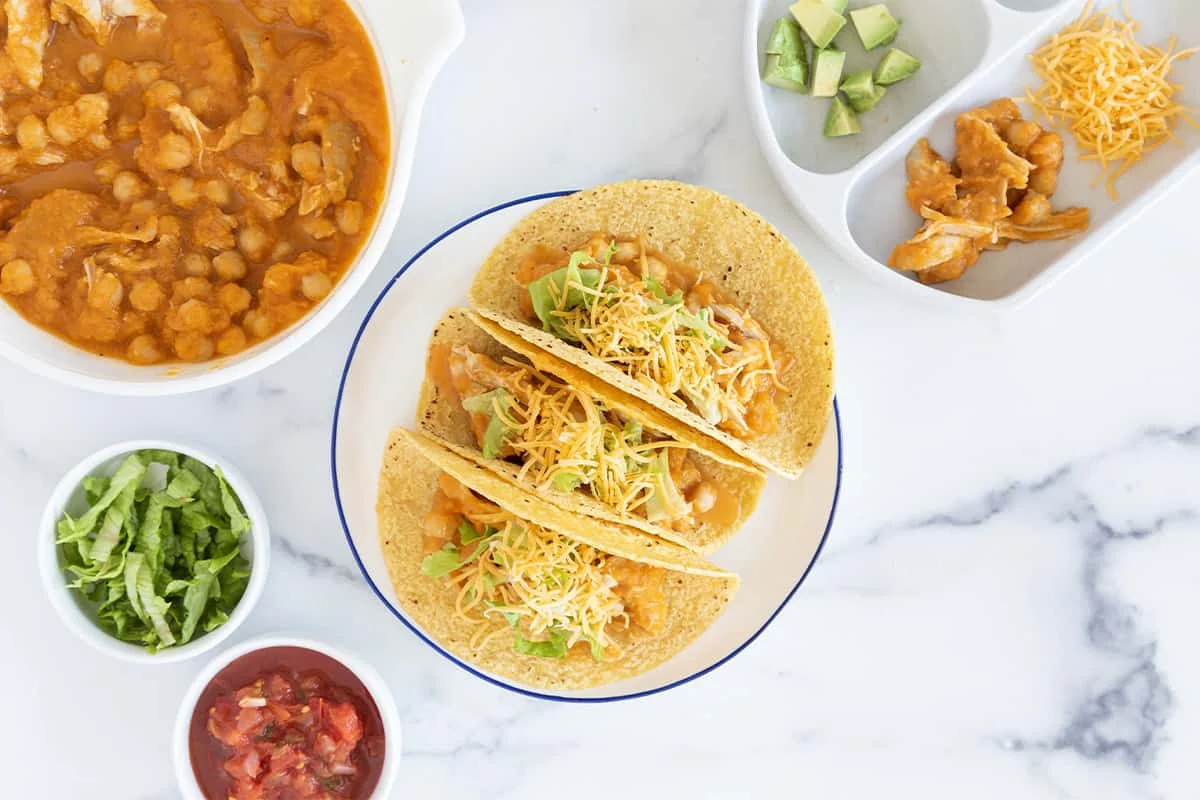
Central to the Week 5 release is the "Slow Cooker Chicken Tacos" module, a recipe designed to address both logistical and environmental concerns. By utilizing slow-cooker technology, the platform allows families to prepare high-protein meals without increasing the ambient temperature of the home—a critical factor during the peak heat of late July. This approach aligns with broader consumer trends favoring "set-and-forget" kitchen appliances, which have seen a 15% increase in seasonal usage among families with children under the age of eight.
Chronology of the Summer Nutritional Series
The July Week 5 plan represents the culmination of a month-long strategic rollout designed to provide a continuous support structure for families. The timeline of this developmental cycle highlights the platform’s commitment to real-world applicability:
- Early July: Introduction of the "Vacation Meal Plan," a specialized resource intended for families traveling or residing in temporary housing with limited kitchen facilities.
- Mid-July: The launch of the "Week of Real Life Summer Lunches" series, which provided a documentary-style look at daily nutritional intake, moving away from idealized food photography toward practical, achievable midday meals.
- Late July (Current): The release of the Week 5 comprehensive plan, which bridges the gap between mid-summer chaos and the upcoming "back-to-school" transition.
This chronological progression demonstrates a shift in the digital content landscape from static recipe collection to dynamic, time-sensitive service provision.
Nutritional Composition and Pediatric Health Implications
The recipes included in the Week 5 plan, such as "Broccoli Muffins" and "Watermelon Popsicles," are more than mere culinary suggestions; they represent a tactical approach to nutrient density. Pediatric nutritionists often emphasize the importance of "bridge foods"—items that incorporate vegetables into familiar formats—to combat picky eating phases common in toddlers.
The Broccoli Muffins utilize a fiber-rich base to deliver essential vitamins in a portable, shelf-stable format. This is particularly relevant given that the American Academy of Pediatrics (AAP) reports that a significant portion of toddlers do not meet the recommended daily intake of green vegetables. Similarly, the Watermelon Popsicles address the critical issue of summer hydration. By transforming whole fruit into a frozen treat, caregivers can ensure adequate fluid and electrolyte intake without the added sugars found in commercial "ice pops."
The Economic Model of Digital Community Support
The YTF Community operates on a "freemium" model, a standard in the digital information economy that allows for broad public access while sustaining high-quality content through a tiered subscription system. While the majority of the platform’s foundational content remains free to the public, the full suite of Week 5 tools—including the editable grocery list and the portion-adjustment calculator—is reserved for paid members.
This economic structure reflects a growing trend in the "Parent-Tech" sector, where consumers are increasingly willing to pay for tools that save time and reduce household waste. Market analysis suggests that the global meal planning software market is expected to grow at a CAGR of 12.4% through 2030. The YTF Community’s integration of social features, such as "commenting with peers" and "paywalled essays," adds a layer of social capital to the transactional nature of the subscription, fostering a sense of collective problem-solving.

Data-Driven Household Management
The inclusion of an "editable grocery list" in the Week 5 plan addresses the financial aspect of family feeding. Food waste is a significant economic burden on modern households, with the average American family discarding approximately 25% of the food they purchase. By providing a list that corresponds exactly to the recipes provided, the YTF platform enables "precision shopping."
Furthermore, the adjustable serving size feature utilizes algorithmic scaling to ensure that families of varying sizes—from a single parent and toddler to multi-generational households—can prepare the correct amount of food. This level of customization is a significant departure from traditional cookbooks, which often rely on a standard "serves four" template that does not account for the smaller caloric needs of young children or the larger requirements of active teenagers.
Official Responses and Community Feedback
While formal statements from the platform’s leadership emphasize the goal of "making feeding easier," the qualitative data from the community itself provides a clearer picture of the plan’s impact. Subscribers have noted that the "brain organization" provided by the July plans has been instrumental in managing the "somewhat chaotic summer schedules" mentioned in the platform’s internal communications.
Industry analysts suggest that the success of the YTF Community lies in its move toward "authentic" content. By acknowledging the difficulties of real-life feeding—rather than presenting an unattainable version of domestic perfection—the platform has secured a loyal demographic. The "Week of Real Life Summer Lunches" was particularly well-received for its honesty regarding the use of pre-packaged components and simple assembly, which are often stigmatized in traditional culinary circles.
Broader Impact on Domestic Labor and Gender Roles
The automation of meal planning through digital platforms like YTF has broader implications for the distribution of domestic labor. Historically, the "mental load" of household management—planning, shopping, and preparing meals—has fallen disproportionately on women. Tools that externalize this planning process can potentially lead to a more equitable distribution of labor, as the "instructions" for the week are clearly laid out for any member of the household to follow.
The YTF Community’s approach also highlights the evolving role of digital literacy in home economics. As primary caregiving becomes increasingly integrated with mobile technology, the ability to navigate complex meal-planning interfaces becomes a core competency of modern parenting.
Future Outlook: Beyond July Week 5
As the YTF Community moves into August, the focus is expected to shift toward school-year preparedness. The success of the July Week 5 plan serves as a pilot for the upcoming "Back-to-School" nutritional modules. Experts predict that the demand for customizable, digital-first meal plans will continue to rise as parents seek to mitigate the inflationary costs of groceries through better planning and reduced waste.
The platform has hinted at the release of a "May recipe" in the coming week, suggesting a continuous cycle of content that looks both forward and backward to ensure a comprehensive library of seasonal options. This iterative process ensures that the platform remains a "living" resource, capable of adapting to changing economic conditions and evolving pediatric health guidelines.
In conclusion, the July Meal Plan Week 5 is not merely a list of recipes, but a sophisticated management tool designed for the modern domestic environment. By combining nutritional science with logistical efficiency and digital accessibility, the YTF Community is setting a new standard for how families approach the daily necessity of feeding. As the digital landscape for parental support continues to mature, integrated solutions like these will likely become the baseline expectation for households navigating the complexities of 21st-century life.
