

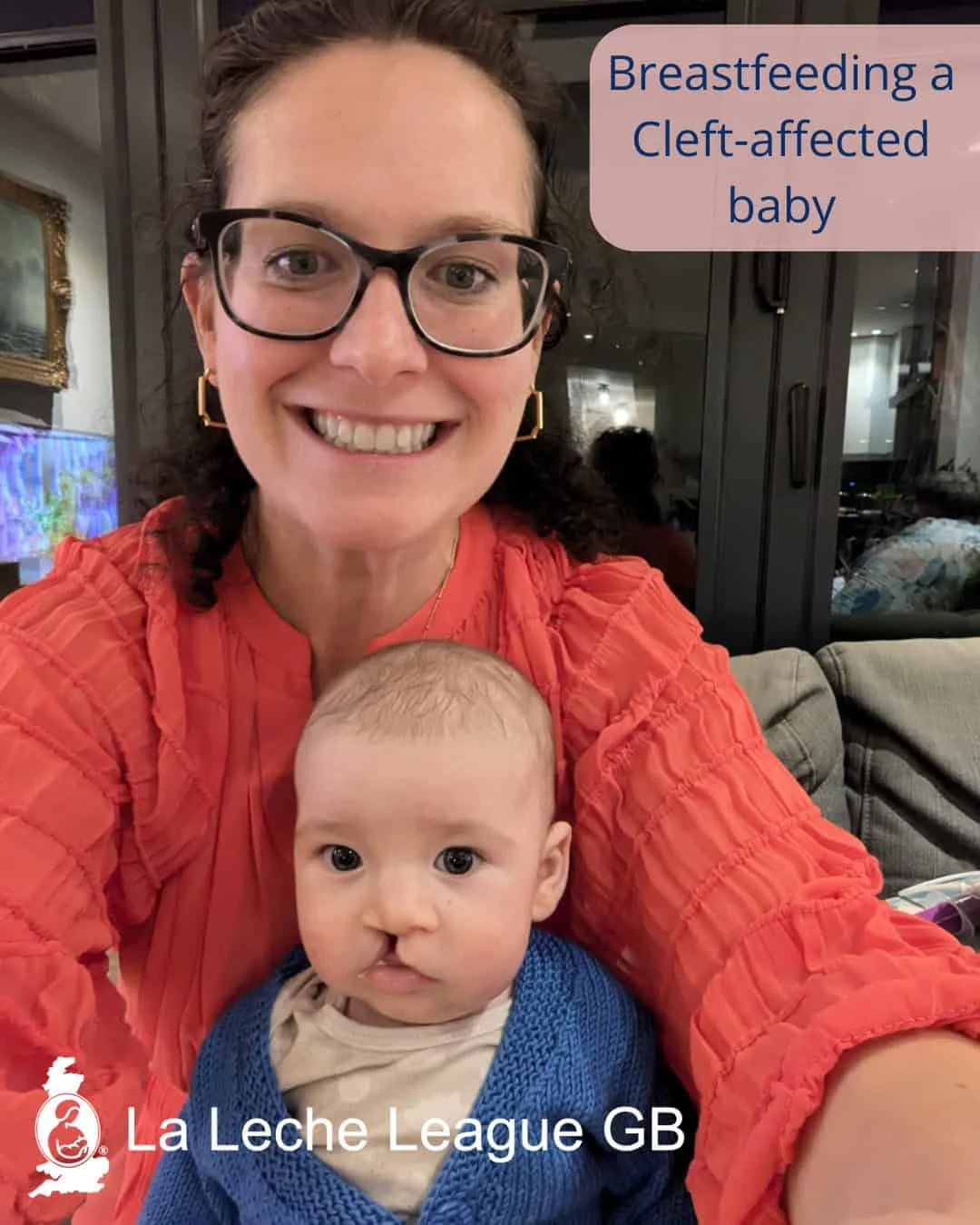
The profound determination of one mother to navigate the complexities of a challenging antenatal diagnosis has culminated in a remarkable breastfeeding journey, defying initial medical prognoses and highlighting the resilience inherent in parental love. What began as a period of familial stress, with a father-in-law in intensive care, took an unexpected turn for Sarah Muir-Little and her husband during their 20-week scan, which revealed not only the gender of their baby boy but also a significant medical condition: a cleft lip and palate. This diagnosis immediately cast a shadow over their pregnancy, compounded by a midwife’s assertion that breastfeeding would be impossible—a statement that ignited a personal battle for Sarah, for whom breastfeeding represented a fundamental aspect of motherhood.
Antenatal Diagnosis and Initial Challenges
The initial scan, a milestone often marked by joyous anticipation, quickly shifted into a moment of profound concern. After confirming the baby’s gender, the sonographer’s query, “Have you heard of a cleft lip?” introduced a new, daunting reality. A subsequent consultation with a midwife delivered a stark message: the baby’s cleft lip and palate would preclude breastfeeding. This pronouncement was particularly distressing for Sarah, who had recently weaned her toddler in preparation for nursing her new arrival, and had deeply valued her previous breastfeeding experience as integral to her maternal identity. The perceived loss of this bond elicited a powerful sense of grief, even before her son, Russell, was born.
Cleft lip and palate are among the most common birth defects globally, affecting approximately 1 in 700 babies, though incidence rates can vary by geography and ethnicity. The condition arises when the structures forming the upper lip or the roof of the mouth (palate) fail to fuse completely during early fetal development. This developmental anomaly can range from a minor notch in the lip to a complete separation extending into the nose, involving both the hard and soft palate. While a cleft lip alone often permits successful breastfeeding with some adaptations, a cleft palate presents a more significant challenge. The inability to create sufficient suction pressure, crucial for extracting milk from the breast, renders direct breastfeeding difficult or impossible until surgical repair of the palate. Children with cleft palate typically undergo a series of operations, often beginning with lip repair in the first few months, followed by palate repair around 9-12 months, and potentially further surgeries later in childhood to address speech, dental, or facial development. In the UK, organisations like the Cleft Lip and Palate Association (CLAPA) provide essential support, resources, and advocacy for affected families.
The Emotional Landscape of a Challenging Pregnancy
The period following the diagnosis was fraught with emotional complexity. The ongoing health crisis of Sarah’s father-in-law had already drained the family’s emotional reserves, leaving little space for the customary excitement of pregnancy. The additional burden of Russell’s diagnosis, coupled with the immediate pronouncement regarding breastfeeding, amplified feelings of helplessness and distress. This experience is common for parents receiving an antenatal diagnosis of a birth anomaly, often leading to increased anxiety, depression, and a sense of isolation. The initial advice from the midwife, while perhaps well-intentioned, inadvertently contributed to this emotional burden by presenting a definitive barrier to a desired parenting experience.
However, a glimmer of hope emerged from a specialist nurse, who offered a more nuanced perspective, confirming that some form of a breastfeeding journey might still be possible, albeit one that would likely differ significantly from conventional experiences. The nurse clarified that the full extent of the palate’s involvement would only be known after birth, and if significantly impacted, the lack of suction would indeed make direct breastfeeding unlikely before surgical intervention. This interaction, while still acknowledging significant hurdles, reframed the challenge from an absolute impossibility to a potential, albeit altered, path.
Exploring Adaptive Breastfeeding Solutions
Fueled by this renewed, albeit cautious, optimism, Sarah embarked on an exhaustive research mission. She scoured the websites of CLAPA and La Leche League, along with other online sources, seeking examples of successful breastfeeding post-palate surgery. The findings were sparse, underscoring the rarity and complexity of such journeys, yet the few success stories she found highlighted two critical factors: maintaining a sufficient milk supply and employing adaptive feeding methods.
Maintaining milk supply was identified as a controllable variable. Sarah had successfully produced ample milk for her toddler, though her experience with pumping had been challenging, yielding limited milk from one side and requiring arduous manual expression to build a freezer stash. With improved knowledge and techniques, she was confident in her ability to meet the future milk demands for Russell. The second point, adaptive feeding methods, required more innovative solutions. Her research introduced her to direct hand expression into the baby’s mouth and the use of nursing supplementer systems. The latter, which involves delivering milk via a thin tube while the baby is latched to the breast, appeared to be a more practical long-term feeding strategy.
The UK market offered two primary nursing supplementer systems suitable for babies with clefts. One system relied on gravity, providing a slow milk flow, while the other utilized a squeezable bottle for milk delivery. Sarah acquired both for evaluation. The gravity-fed system proved too slow for efficient feeding, while the squeezable bottle, though capable of delivering ample milk, presented ergonomic challenges during use. Traditional advice often recommended the "dancer hold" for babies with feeding difficulties, a technique where the index finger and thumb form a ‘U’ shape to support the baby’s chin. However, practicing this hold with a doll, while simultaneously managing a supplementer bottle, felt unwieldy and impractical to Sarah, suggesting a disconnect between generalized advice and the specific, complex needs of feeding a baby with a cleft.
Navigating Early Feeding: Innovation and Resilience
Russell’s birth marked the beginning of practical application for Sarah’s meticulously researched plans. In the initial hours and days, expressed colostrum was fed to him via a syringe, accompanied by a clean finger in his mouth to encourage rudimentary sucking reflexes, as they awaited Sarah’s full milk supply. The ultimate goal was to transition to feeding at the breast with a supplementer.
An unexpected practical challenge arose with the feeding syringes. While some ordered syringes were unsuitable for direct feeding, they serendipitously fit the supplementer tube perfectly. With assistance from the midwife team, larger syringes were sourced from the labor ward. These new syringes, though slightly different, came with screw-on caps, which Sarah ingeniously modified by drilling a snug hole for the supplementer tube. This small act of innovation highlighted the resourcefulness often required by parents facing unique feeding challenges. Safety guidelines, such as removing syringe caps to prevent choking hazards and ensuring slow, monitored feeding, were strictly adhered to, underscoring the importance of careful execution in such specialized feeding methods.
The conventional guidance for supplementer use involves either inserting the tube into the baby’s mouth after latching or taping it to the breast before latching. Both options presented difficulties for Russell’s fragile latch, which lacked the necessary suction. Inserting the tube post-latch risked dislodging him, while pre-taping resulted in a cumbersome length of tube that was difficult to manage with a newborn’s tiny, often bobbing mouth. Sarah devised an alternative: taping the tube very close to the nipple to facilitate easy insertion, necessitating a tape strong enough to withstand moisture. This trial-and-error process, involving various tapes and positions, often led to frustration for both mother and baby, but ultimately yielded a system that, while imperfect and causing some milk loss, consistently delivered a decent volume of milk at a manageable speed.
The search for external support proved challenging. Many healthcare professionals lacked specific experience with this highly individualized feeding method, and some voiced concerns about potential aspiration (choking on milk), further highlighting the need for specialized knowledge within the medical community. Despite these obstacles and the emotional toll of a difficult week—balancing the joy of a home birth with the frustrations of feeding—Sarah’s determination remained unwavering. She had found a system that worked for them, capable of meeting Russell’s nutritional needs.

Optimizing Positioning and Overcoming Obstacles
The "dancer hold," a technique often recommended for babies with low muscle tone or prematurity, continued to be a source of stress. Achieving the correct positioning for Russell while managing the supplementer was difficult, leading to repeated latching attempts and distress for both. A temporary solution involved feeding Russell on the non-taped breast, directly expressing milk into his mouth, which confirmed his hunger and indicated the issue was procedural, not a lack of appetite.
Sarah’s preferred cradle hold, which felt natural and had been effective with her toddler, was re-evaluated. After consulting with a specialist at Great Ormond Street Children’s Hospital, a renowned center for pediatric care, the decision was made to continue with the cradle hold. Although this position sometimes resulted in more milk loss around Russell’s cleft, the priority was to maintain a calm and relaxed feeding environment, which was paramount for both mother and baby. The advice to plug the cleft with the breast or keep the cleft side elevated, while seemingly logical, was secondary to achieving a deep, comfortable latch in a familiar position. In the early weeks, feeds were often messy, with milk loss due to the tape affecting the latch, yet the perceived benefits outweighed the practical difficulties.
Over time, mother and son developed a symbiotic rhythm. Sarah learned to deliver milk via the syringe in sync with Russell’s feeding pauses, avoiding overwhelming him or causing frustration when the milk flow ceased. If a syringe refill was needed, she would briefly reposition him, managing his expectations and minimizing distress. This iterative learning process allowed them to find an optimal feeding rate—neither too slow, which would require excessive effort, nor too fast, which could lead to gagging.
The impact of this dedicated approach was evident in the reactions of others. A friend who had initially questioned the extensive effort involved later understood, observing a feeding session: “I was already breastfeeding.” Another friend, witnessing them from across a restaurant, remarked, “Oh, so the worries about Russ not being able to breastfeed didn’t come to fruition!” These affirmations provided immense emotional validation, highlighting that "breastfeeding" encompasses more than just direct suckling, particularly in complex cases.
However, not all feedback was positive. A pediatrician expressed reservations, stating that their method was not “recommended,” citing the safety and effectiveness of specialized cleft bottles. Such comments, especially from healthcare professionals, required significant resilience to brush off. Despite the implied criticism, Sarah remained convinced of their chosen path, supported by Russell’s healthy weight gain and his evident enjoyment of feeding at the breast. This experience underscores the challenges parents face in advocating for individualized care that may deviate from standard protocols, even when proving effective. The supplementer, while a necessary tool, was viewed as a means to an end, allowing them to achieve the invaluable benefits of breastfeeding, including immunological protection, optimal nutrition, and the profound mother-baby bond.
The Evolving Journey: Adapting to Change
Around ten weeks of age, Russell began to show increased discomfort with the tape near his mouth. This prompted a further adaptation: taping the tube much further from the nipple, and eventually, forgoing tape altogether. This transition demanded greater coordination but became manageable as both mother and baby gained proficiency. The journey was not linear; moments of regression, where Russell would become upset or refuse to feed, were a constant reminder that he was first and foremost a baby, with all the typical developmental phases and challenges, and only secondarily a baby with a cleft. Distractions, common in infants around three months, often affected feeding, reinforcing the need to address universal baby behaviors alongside cleft-specific issues.
Post-Surgical Recovery and Breakthrough
The next significant milestone was Russell’s surgery to reconstruct his lip and hard palate, which occurred just before his first birthday. The immediate post-operative period was challenging. Following the effects of morphine, Russell initially only accepted bottle feeds, possibly associating bottles with the difficult hospital days. However, upon returning to the supplementer, he rejected bottles again, suggesting the supplementer was less effortful for him. This period of expressing and feeding remained physically and emotionally demanding for Sarah.
The unwavering support of her husband was crucial throughout this arduous journey, encompassing everything from bottle washing and night feeds while Sarah pumped, to providing reassurance during moments of despair. Their collaborative effort underscored the importance of a strong support system for parents navigating such complex medical journeys. Every day that they successfully used the supplementer was seen as a bonus, contributing to Russell’s health and their bond, a testament to their belief that any attempt was better than not trying at all. Sarah expressed immense pride in their shared achievements.
A pivotal moment arrived four weeks after Russell’s palate surgery. While the surgeon had advised avoiding suction for a month, Sarah almost immediately noticed Russell attempting to suck for the first time. The breakthrough came swiftly thereafter: one day, he discovered how to use a straw, and the very next day, he began to suck and swallow effectively at the breast. This newfound ability, a culmination of months of effort and anticipation, marked a dramatic shift in their feeding dynamic.
The transition to full direct breastfeeding was gradual. The supplementer, once a daily necessity, was progressively used less and less as Russell’s ability to extract milk directly from the breast improved. After 15 months of daily pumping, a testament to Sarah’s unwavering dedication, she was finally able to stop. Russell’s latch, though initially atypical, proved effective and ensured his contentment. Today, he continues to breastfeed once or twice a day, a profound achievement that was once deemed improbable. This ongoing journey, without a definitive endpoint, reflects the fluidity and adaptability inherent in parenting a child with unique needs.
Broader Implications for Cleft Care and Parental Advocacy
Sarah Muir-Little’s experience with Russell transcends a personal anecdote; it offers valuable insights for healthcare professionals, support organizations, and other families navigating similar challenges. Her journey highlights the critical need for individualized, compassionate care that acknowledges parental intuition and determination. The initial, absolute pronouncement against breastfeeding, while potentially reflective of standard protocols, failed to account for adaptive possibilities and the profound emotional significance of breastfeeding for many mothers. This underscores the importance of multidisciplinary cleft teams providing comprehensive, nuanced advice that empowers parents rather than discouraging them.
The success of Sarah’s innovative approach, which diverged from standard recommendations, also points to potential gaps in current knowledge dissemination and training within the medical community regarding adaptive feeding methods for cleft-affected babies. The concerns raised by a pediatrician, while rooted in safety, illustrate a need for greater openness to and understanding of parent-led innovations that demonstrate efficacy. The integration of support organizations like CLAPA and La Leche League, which often bridge the gap between medical protocols and practical, lived experiences, is crucial for offering comprehensive resources and peer support.
Ultimately, Russell’s breastfeeding journey serves as a powerful testament to parental advocacy and the deep, often unconventional, ways families find to connect and nurture their children. It challenges rigid assumptions about what is possible in the face of medical conditions, reinforcing that with determination, informed choices, and a strong support system, journeys previously deemed impossible can indeed become realities. The story of Sarah and Russell offers hope and inspiration, affirming the enduring power of the mother-child bond and the transformative potential of resilient love.
