

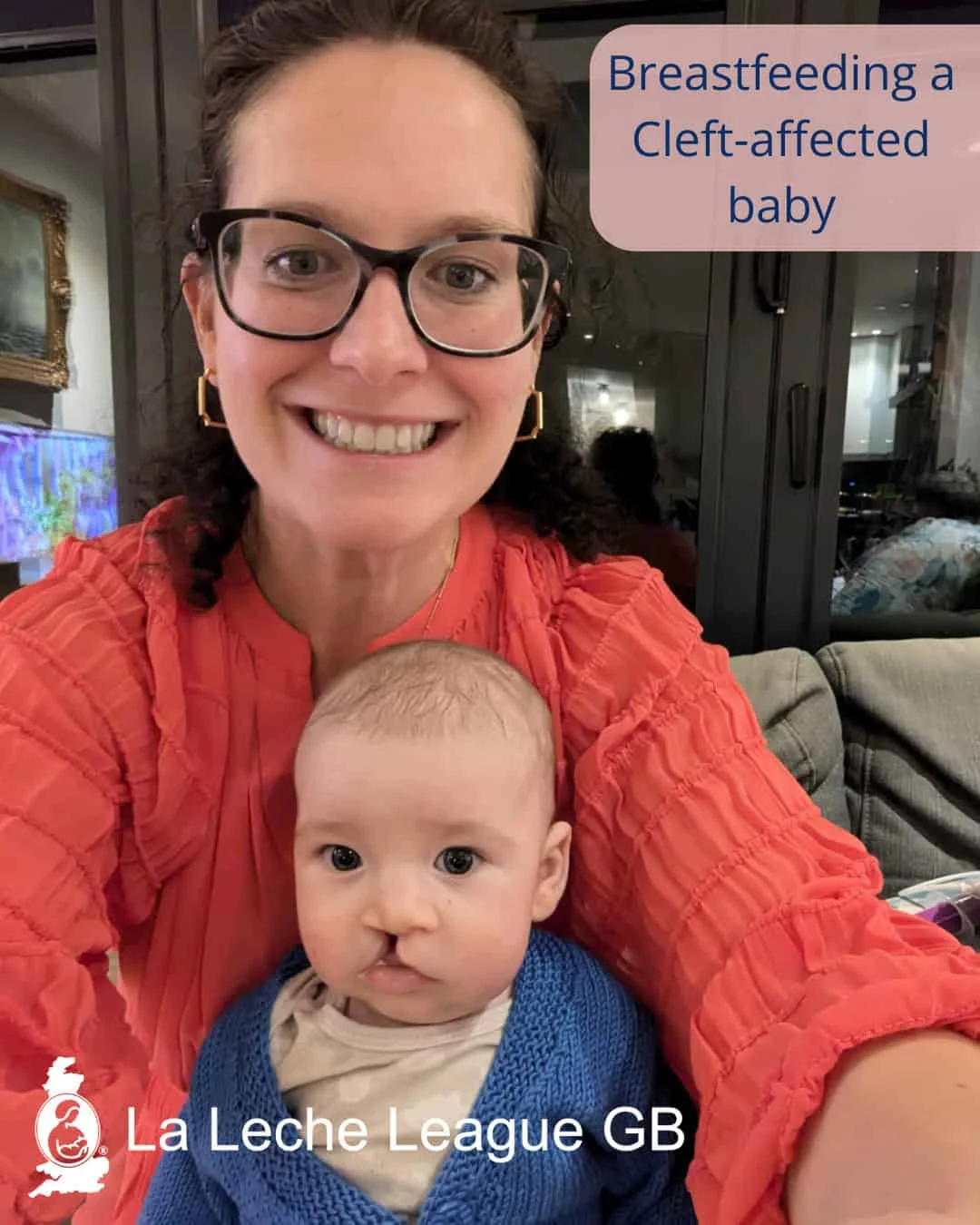
When the intricate structures forming a baby’s upper lip or palate fail to coalesce during prenatal development, a condition known as a cleft lip or palate arises. This congenital anomaly affects approximately 1 in 700 babies globally, presenting unique challenges, particularly regarding infant feeding. While many babies born with a cleft lip can successfully breastfeed with appropriate adaptations, those with a cleft palate typically face greater hurdles, as their inability to generate adequate suction pressure prevents efficient milk removal from the breast until surgical intervention rectifies the structural gap. This reality often necessitates a dedicated and adaptive approach to ensure these infants receive the invaluable benefits of human milk.
Understanding Cleft Lip and Palate: A Comprehensive Overview
Cleft lip and palate are among the most common birth differences, varying in severity from a small notch in the lip to a complete separation extending into the nose, gum, and roof of the mouth. A cleft lip can be unilateral (on one side) or bilateral (on both sides) and may involve only the lip or extend to the gum line. A cleft palate, often more impactful on feeding, is an opening in the roof of the mouth that can involve the soft palate (near the throat), the hard palate (bony front part), or both.
The precise etiology of clefts is multifactorial, involving a complex interplay of genetic predispositions and environmental factors. While specific genes have been identified that increase susceptibility, maternal exposures such as certain medications (e.g., anti-seizure drugs), alcohol consumption, smoking during pregnancy, and nutritional deficiencies (like folic acid) have also been linked to an elevated risk. Early diagnosis, often via prenatal ultrasound around 18-20 weeks gestation, allows expectant parents and medical teams to prepare for the baby’s arrival, formulate a feeding plan, and outline the necessary surgical timeline. Postnatal diagnosis occurs immediately after birth upon visual inspection.
The journey for a cleft-affected baby typically involves a series of surgical repairs. A cleft lip is usually repaired between 3 and 6 months of age, while a cleft palate repair often occurs between 9 and 18 months, aligning with a developmental window that minimizes impact on speech development. These surgeries are crucial not only for aesthetic reasons but, more importantly, for enabling proper feeding, speech, and dental development.
The Breastfeeding Imperative: Challenges and Adaptations
For parents learning their baby is cleft-affected, initial concerns often revolve around feeding. Despite the anatomical challenges, breastfeeding, or providing human milk, remains a highly desirable goal due to its profound health benefits, which are even more critical for infants facing surgical procedures and increased susceptibility to infections. Human milk provides immunological protection, promotes optimal gut health, and offers analgesic properties, all of which support healing and recovery.

The primary hurdle for infants with a cleft palate is the inability to create a vacuum seal necessary for suction. The open palate prevents the mouth from isolating the nipple and compressing it effectively to draw milk. Babies with a cleft lip, especially those with a minor cleft, may have an easier time latching and feeding directly, often with some strategic positioning to cover the gap. However, even with a cleft lip, an imperfect seal can lead to air intake, causing gas and discomfort.
Establishing and Maintaining Milk Production: A Cornerstone of Care
Regardless of whether an infant can directly latch, establishing and sustaining a robust milk supply is the paramount initial priority. This strategy keeps the option for direct breastfeeding open as the baby develops or after surgery and ensures a consistent supply of milk for alternative feeding methods. Medical experts, including lactation consultants and pediatricians, consistently emphasize the critical role of early and frequent milk expression.
"The first few hours and days postpartum are crucial for signaling the body to establish a full milk supply," states a leading lactation specialist. "For mothers of cleft-affected babies, this means initiating expression, ideally with a hospital-grade electric breast pump, within hours of birth. Frequent milk removal – typically 8 to 12 times in a 24-hour period – is essential to build and maintain supply, especially when the baby cannot efficiently remove milk independently."
Hospital-grade double electric breast pumps are often recommended due to their efficiency and effectiveness in stimulating milk production. Cleft specialist nurses frequently assist families in accessing or renting these pumps. While the initial weeks of exclusive or frequent pumping can be demanding, mothers often find that over time, their bodies adapt, allowing for fewer pumping sessions while maintaining the same milk volume. This dedication ensures the baby receives an abundant supply of breast milk, providing unparalleled protection and nourishment.
Feeding in the Early Days: Navigating Alternative Methods
In the immediate postpartum period, when milk volume is naturally lower (colostrum phase), babies consume small amounts at each feed. If direct breastfeeding is not yet efficient or possible, various methods can deliver expressed breast milk:

- Syringes or Teaspoons: Useful for very small volumes, especially colostrum, but quickly become impractical as milk supply increases.
- Specialized Bottles: Numerous bottles and teats are specifically designed for cleft-affected infants. These often feature softer, longer teats that can reach past the palate defect, and one-way valves or compressible bottles that allow milk to be delivered without the need for strong suction. Examples include the Haberman Feeder (now known as the Medela SpecialNeeds Feeder) or Dr. Brown’s Specialty Feeding System. Cleft specialist nurses are instrumental in guiding parents to the most appropriate choice for their baby’s specific needs.
- Cup Feeding: While requiring skill, cup feeding can be a viable short-term option, allowing the baby to lap milk from a small cup.
- Nursing Supplementers (Supplemental Nursing Systems – SNS): These devices offer a unique bridge, allowing a baby to latch onto the breast and receive supplemental milk through a thin tube positioned alongside the nipple.
The Nursing Supplementer: Bridging the Gap to Direct Breastfeeding
Nursing supplementers, also known as lactation aids, are invaluable tools for mothers who wish to provide milk at the breast when their baby cannot fully extract it. They consist of a container for milk (a bottle or bag) connected to a thin tube that is taped to the mother’s breast, ending near the nipple. This setup enables simultaneous direct breastfeeding and supplemental feeding, offering multiple benefits:
- Stimulates Milk Supply: The baby’s suckling at the breast, even if inefficient, helps to stimulate the mother’s milk production.
- Promotes Latch and Suckling Skills: It provides practice for the baby, preparing them for more effective direct feeding post-surgery.
- Facilitates Skin-to-Skin Contact: Enhances bonding and regulates the baby’s temperature and heart rate.
- Psychological Benefits: Many mothers report a deep sense of satisfaction and connection from feeding their baby at the breast, even with assistance.
There are various types of nursing supplementers, including homemade systems (using a feeding tube and syringe), commercial bag systems, and commercial bottle systems. For babies with a cleft palate, who struggle with suction, the supplemental milk may need to be delivered rather than solely sucked. This can involve gently squeezing the bag or bottle or, more precisely, using a syringe to push milk through the tube.
Syringe-Assisted Supplementation: A Detailed Approach
When using a syringe with a nursing supplementer, the process requires coordination but becomes more intuitive with practice:
- Prepare the Supplementer: Fill the supplementer’s milk reservoir with expressed breast milk.
- Position the Tube: Tape the thin feeding tube securely to the breast, ensuring the tip extends slightly beyond the nipple.
- Achieve Latch: Help the baby latch deeply onto the breast, encompassing the nipple and the tube.
- Connect Syringe: Attach a small syringe (e.g., 5ml or 10ml) to the open end of the feeding tube.
- Deliver Milk: As the baby suckles, gently depress the plunger of the syringe to deliver milk into the baby’s mouth. The speed of delivery can be adjusted based on the baby’s swallowing pace and comfort.
- Monitor Baby: Observe the baby for signs of effective swallowing, clear breathing, and satiety. Pause milk delivery if the baby shows signs of distress or chokes.
Tips for successful supplementer use include preparing all components beforehand, practicing positioning, and seeking guidance from an experienced lactation consultant. While initially challenging, the ability to feed at the breast, even with support, can be profoundly rewarding for both mother and baby.
Optimal Feeding Positions for Cleft-Affected Babies

Finding a comfortable and effective feeding position is crucial. While there is no single "correct" position, certain techniques can optimize feeding for cleft-affected infants:
- Upright or Semi-Upright Position: This helps gravity assist milk flow and reduces the likelihood of milk entering the nasal cavity (nasal regurgitation), a common issue with cleft palates.
- Football Hold (Clutch Hold): This position allows the mother to support the baby’s head and neck with one hand while using the other to shape the breast and support the baby’s jaw. This can be particularly useful for babies with a cleft lip, allowing the mother to compress the breast tissue to fill the cleft.
- Cradle Hold (Cross-Cradle Variation): While the traditional cradle hold might be less effective for support, a cross-cradle hold where the baby is supported across the mother’s lap with the opposite arm can provide better control over the baby’s head and latch.
- Dancer Hand Position: This technique, where the mother forms a "U" shape with her thumb and forefinger to support the baby’s jaw and chin, can help stabilize the baby’s head and provide gentle pressure to facilitate milk transfer.
- Experimentation: Each baby is unique, and parents are encouraged to experiment with different positions to discover what works best for their individual child and their specific cleft presentation.
Post-Surgical Feeding: A New Phase of Adaptation
After cleft lip or palate surgery, a new set of feeding adjustments is often required. For babies who could not feed directly from the breast pre-surgery, this marks a significant milestone, potentially opening the door to full direct breastfeeding. It is beneficial if the baby has maintained some form of direct latching (even if supplemented) prior to surgery, as this helps them "remember" the action and associate the breast with milk.
However, the post-surgical period can also be challenging. Babies may initially struggle to feed directly due to discomfort, swelling, or the unfamiliarity of their new oral anatomy. It can take several weeks for them to build strength and adapt. During this time, maintaining a strong milk supply through continued expression is paramount. Breast milk not only provides essential nutrition but also contains antibodies and anti-inflammatory components that actively support the baby’s healing and recovery from surgery. Patience, perseverance, and ongoing support from medical professionals and lactation consultants are vital during this delicate transition.
The Unwavering Value of Human Milk for Vulnerable Infants
For cleft-affected babies, human milk offers an unparalleled nutritional and immunological advantage. These infants often face increased risks of ear infections (due to milk entering the Eustachian tubes through the open palate), respiratory infections, and challenges with weight gain. Breast milk directly addresses these vulnerabilities:
- Immune Protection: Antibodies, leukocytes, and other immune factors in human milk provide robust protection against pathogens, reducing the incidence and severity of infections.
- Optimal Nutrition: Human milk is perfectly balanced, easily digestible, and rich in growth factors essential for healthy development, particularly important for infants undergoing multiple surgeries.
- Reduced Risk of Otitis Media: While cleft palate inherently increases the risk, breastfeeding can somewhat mitigate this by delivering milk in a way that minimizes reflux into the middle ear.
- Faster Healing: The anti-inflammatory properties and growth factors in breast milk can aid in post-surgical wound healing.
- Oral Motor Development: The act of suckling, even with adaptations, contributes to the development of oral motor skills.
Support Systems and Resources: Empowering Families

The journey of breastfeeding a cleft-affected baby is rarely undertaken alone. A multidisciplinary team approach is crucial, typically involving:
- Cleft Specialist Nurses: These highly specialized nurses are often the primary point of contact for families, providing guidance on feeding techniques, equipment, and coordinating care.
- Lactation Consultants (IBCLCs): Essential for individualized breastfeeding support, helping mothers establish supply, troubleshoot latching issues, and navigate supplementer use.
- Pediatricians: Monitor the baby’s overall health, growth, and development.
- Surgeons: Perform the necessary corrective surgeries and advise on post-operative care.
- Speech and Language Therapists: Address potential speech development challenges associated with clefts.
- Parent Support Groups: Connecting with other families who have navigated similar challenges provides invaluable emotional support, practical tips, and a sense of community. Organizations like La Leche League (LLL) offer peer-to-peer support through trained Leaders who can provide evidence-based information and encouragement.
"The emotional toll on parents can be significant," notes a spokesperson from a prominent cleft charity. "Access to comprehensive, compassionate support, from specialized medical teams to peer groups, is not just helpful—it’s absolutely essential for empowering families to achieve their feeding goals and navigate the complexities of their baby’s care."
Broader Impact and Implications
The successful breastfeeding or provision of human milk to cleft-affected babies has far-reaching implications. Beyond the direct health benefits for the child, it empowers parents, fosters bonding, and can reduce healthcare costs associated with formula feeding and illness. It highlights the adaptability of human biology and the profound impact of dedicated support systems.
As medical science advances, so too do the techniques and resources available to families. The ongoing research into optimal feeding strategies, improved surgical outcomes, and comprehensive rehabilitative care continues to enhance the quality of life for individuals born with cleft lip and palate. The message remains clear: with perseverance, tailored support, and the unwavering power of human milk, breastfeeding a cleft-affected baby is not just a possibility, but often a deeply rewarding reality.
