

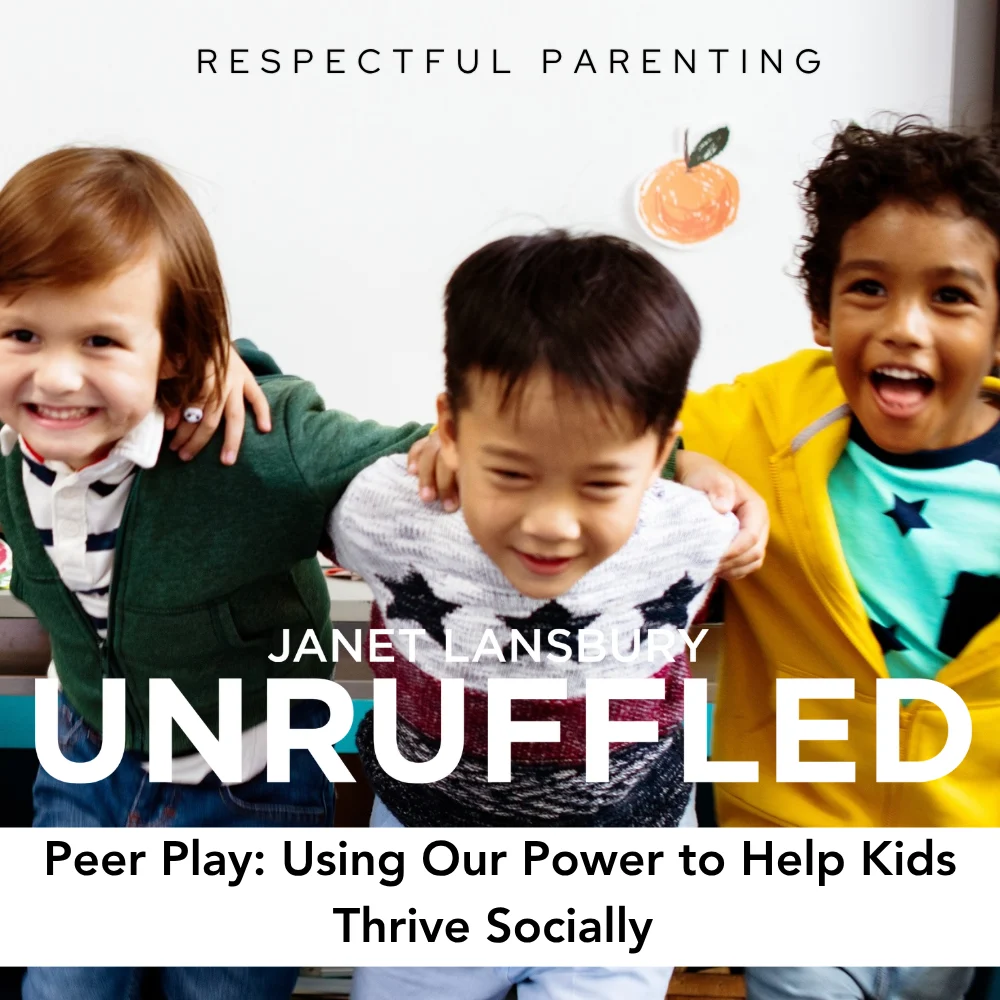
Renowned parenting educator Janet Lansbury, in a recent podcast episode titled "Peer Play. Using Our Power to Help Kids Thrive Socially," published on June 16, 2026, addresses common challenges parents face in fostering healthy social development in young children. Lansbury tackles three distinct parental queries, offering insights into how parental approaches to boundaries and trust can significantly influence a child’s ability to navigate peer interactions, build confidence, and develop resilience. The core of her message emphasizes that while modeling is crucial, the consistent establishment of boundaries and unwavering trust in a child’s developmental process are equally, if not more, vital for cultivating robust social skills.
Understanding the Nuances of Childhood Social Dynamics
Lansbury’s discussion centers on the idea that social skill development in children is not a direct result of instruction but an experiential learning process. She highlights that parents’ own interactions with their children serve as a foundational model for future relationships. However, when children exhibit social struggles – whether it’s a four-year-old rigidly controlling play, a three-year-old’s shyness, or persistent exclusion from peer groups – the root often lies in how parents manage boundaries and trust their child’s innate capacity to learn.
"Most of parenting, I guess, is not direct instruction, but especially these very nuanced skills that kids need to learn experientially," Lansbury states in her podcast. She posits that parents possess a significant, often underestimated, power to guide their children’s social growth through two primary avenues: the assertion of clear, reasonable boundaries and a profound trust in their child’s individual developmental timeline. This perspective aims to empower parents, reframing potential feelings of inadequacy as opportunities for targeted support.
Case Study 1: The "Pretend Play Disaster"
One of the cases presented involves a four-year-old deeply immersed in imaginative play, who struggles when her peers do not adhere to her meticulously dictated play scenarios. The parent describes the child becoming angry or sad if a friend deviates even slightly from her instructions, leading to tears and strained friendships. This behavior, while indicative of a strong imagination, is hindering her ability to engage cooperatively with her peers.
Lansbury interprets this scenario as a clear signal that the child is seeking boundaries, not necessarily more participation from the parent in her rigid play. She suggests that parents can inadvertently enable such controlling behavior by trying too hard to please the child within their dictated play. "The main thing I want to help this parent understand is how important her boundaries are in setting her child up for success with other children," Lansbury emphasizes. She argues that when parents are overly accommodating to a child’s exacting demands, the child may then seek those necessary boundaries elsewhere, often through peer rejection, which can be a more difficult learning experience.
The implication here is that children, particularly at this age, often push boundaries to understand where they stand and to process their own emotions. When parents fail to provide these boundaries within their interactions, the child’s need to assert control and express these feelings may manifest in their peer interactions. Lansbury advises parents to recognize their own discomfort in such situations as a cue to set a boundary. "This is almost always our child not needing us to play with them this way," she explains. Instead, parents can offer focused attention in spurts and create a safe home environment, allowing the child to navigate their imaginative world with the understanding that not all social interactions will conform to their desires.
Case Study 2: Navigating Group Exclusion and "Bullying" Concerns
A second parent describes a situation at the playground where her 4.5-year-old daughter is consistently excluded by a group of slightly older peers. The exclusion involves being labeled a "monster," being run from, or simply being left out of games. The parent, who generally favors allowing children to resolve conflicts independently, is seeking guidance on how respectful parenting approaches such dynamics, especially as other parents are also beginning to intervene. One instance cited involved another father instructing his daughter to play with the excluded child, which temporarily resolved the issue.
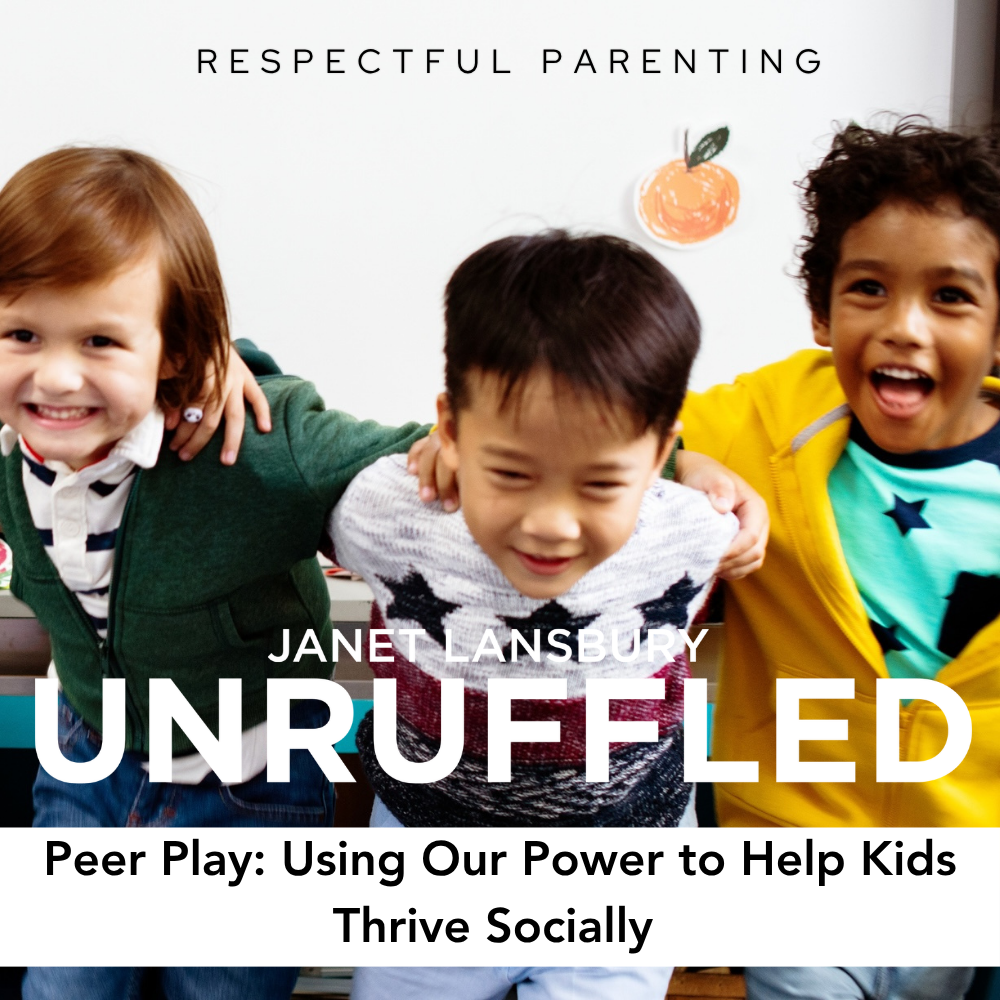
Lansbury addresses the parent’s framing of the situation as "bullying," cautioning against labeling young children’s social exclusion in this manner. She posits that at this age, such behavior is more indicative of developmental differences and group dynamics than malicious intent. "This word gets thrown around a lot these days, ‘bullying,’ and I don’t think it applies to children this age at all," Lansbury states. She highlights the one-year age gap as significant in preschool, suggesting that the older children’s social-emotional development may be at a different stage, naturally leading to different play styles that can exclude younger children.
Instead of focusing on intervention, Lansbury advocates for trusting the child to navigate these challenging social scenarios. She suggests that parents can support their child by helping them set realistic expectations about playing with this particular group and by being a safe space for them to vent their feelings. "I would not see this as a problem at all," Lansbury remarks regarding the exclusion. She believes that allowing children to experience the natural consequences of social interaction, including rejection and exclusion, is crucial for their learning and confidence-building. The adult intervention, while well-intentioned, may inadvertently prevent the child from developing her own coping mechanisms and social strategies.
Case Study 3: Supporting a Reserved Three-Year-Old
The third query, received via Instagram, concerns a three-year-old who is reserved around other people. The parent asks for advice on how to help this child become more comfortable. Lansbury’s response echoes the principles from the previous cases: the importance of trust and avoiding pressure.
She emphasizes that a reserved nature is not a problem to be "fixed" but a part of a child’s individual pace. Pushing or coaxing a shy child can, in fact, exacerbate their discomfort and send the message that their current state is unacceptable. Lansbury advocates for providing a secure base – staying near the child and being present – without trying to engineer social interaction. "I’ll be here. I’ll be comfortable. I’ll have a boundary. I’ll take care of myself, and I trust you to do what you’re ready to do," she advises. This approach allows the child to explore social situations at their own speed, building self-assurance through their parent’s quiet confidence and unwavering support.
Broader Implications and Parental Power
Lansbury’s analysis consistently points to the significant influence parents wield, not through direct intervention or forceful instruction, but through the consistent modeling of healthy relationships, the firm yet gentle establishment of boundaries, and a deep-seated trust in their child’s innate capacity for growth. She acknowledges that this approach can feel counterintuitive, especially when witnessing a child’s struggles. However, she reassures parents that this is not about blame but about understanding their power to positively shape their child’s social and emotional landscape.
The underlying data from child development research supports Lansbury’s emphasis on experiential learning and the importance of secure attachment. Studies by organizations like the American Academy of Pediatrics consistently highlight that social-emotional skills are built through interactions and that children learn best when allowed to experiment and navigate challenges within supportive environments. For instance, research on peer rejection indicates that while difficult, the ability to process and learn from such experiences, with parental support, leads to greater resilience and adaptive social skills in the long term.
Lansbury’s insights offer a compelling framework for parents seeking to foster confidence, resilience, and authentic social connections in their children. By focusing on the parent-child relationship as the primary arena for social learning, and by embracing the roles of boundary-setter and trust-builder, parents can empower their children to thrive in the complex world of peer play and beyond. The overarching message is one of patience, understanding, and a profound belief in the child’s ability to learn and grow, guided by the steady hand of a trusting and boundary-aware parent.
