

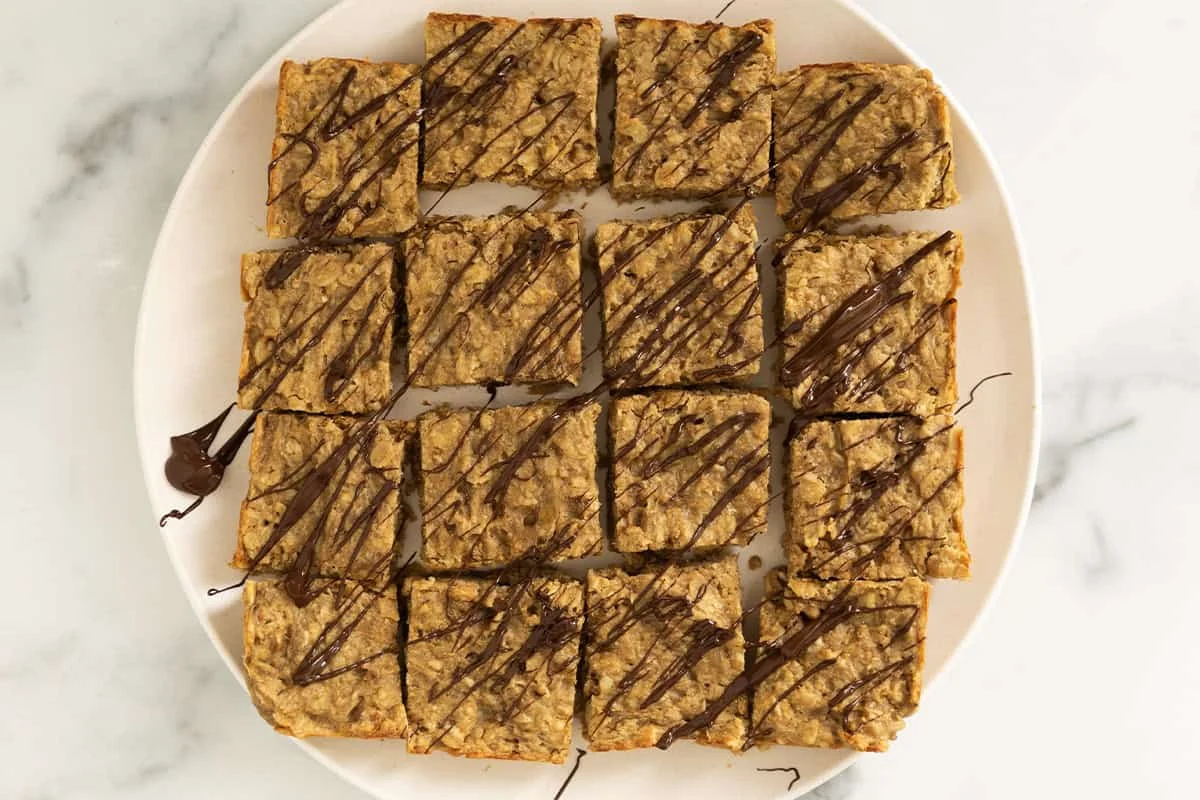
The emergence of homemade nutritional solutions has become a focal point for families navigating the dual challenges of rising grocery costs and a heightened demand for "clean label" dietary options. Among the most versatile of these solutions is the five-ingredient peanut butter oatmeal bar, a culinary staple that bridges the gap between a high-protein breakfast and a budget-friendly snack. Designed with a texture reminiscent of a soft peanut butter cookie, these bars offer a strategic alternative to ultra-processed commercial snacks, providing a nutrient-dense profile that caters specifically to the dietary needs of toddlers and school-aged children while remaining palatable for adults.
The Nutritional Architecture of Five-Ingredient Snack Bars
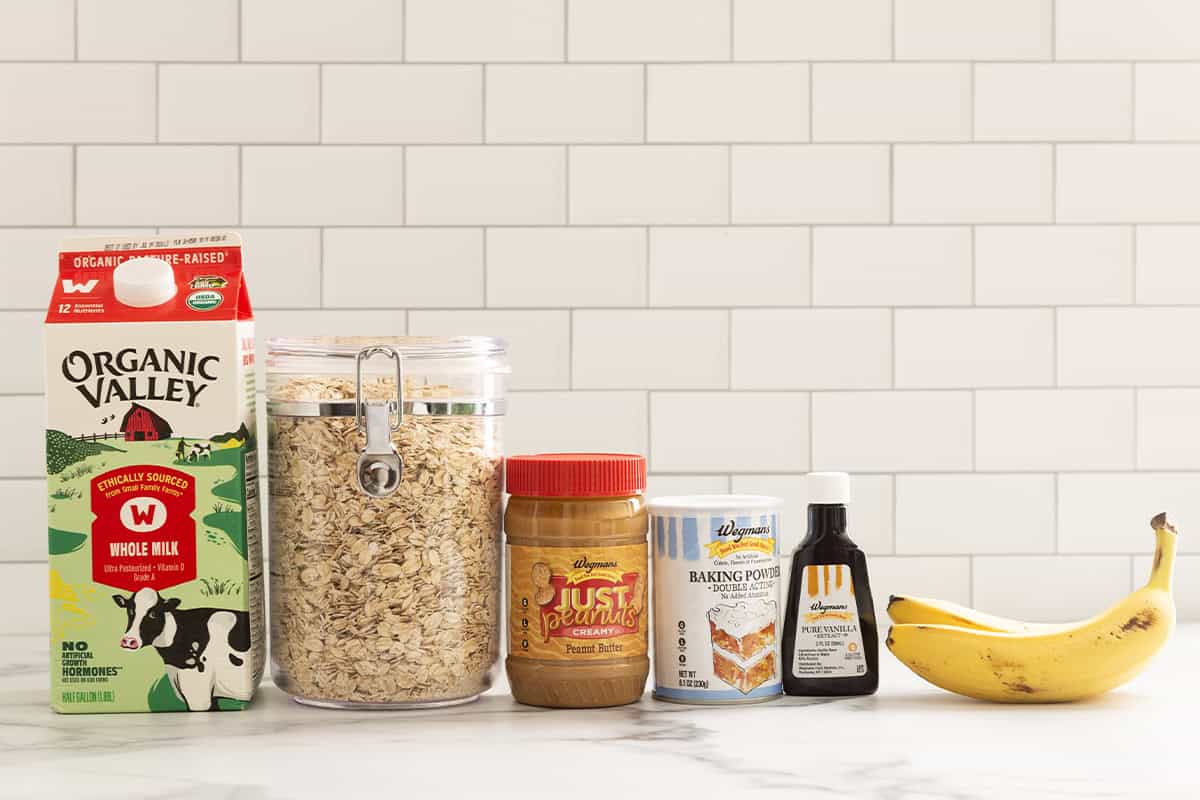
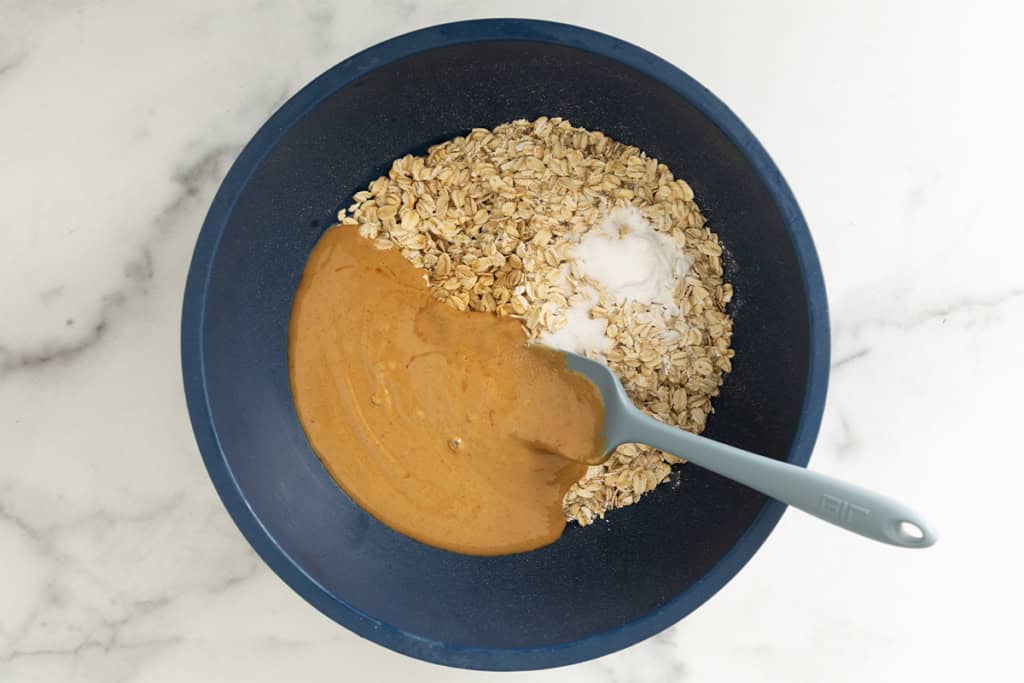
The composition of these oatmeal bars is rooted in simplicity, utilizing five primary pantry staples: bananas, peanut butter, oats, a liquid sweetener (such as maple syrup or honey), and cinnamon. From a nutritional standpoint, each ingredient serves a structural and biological purpose.
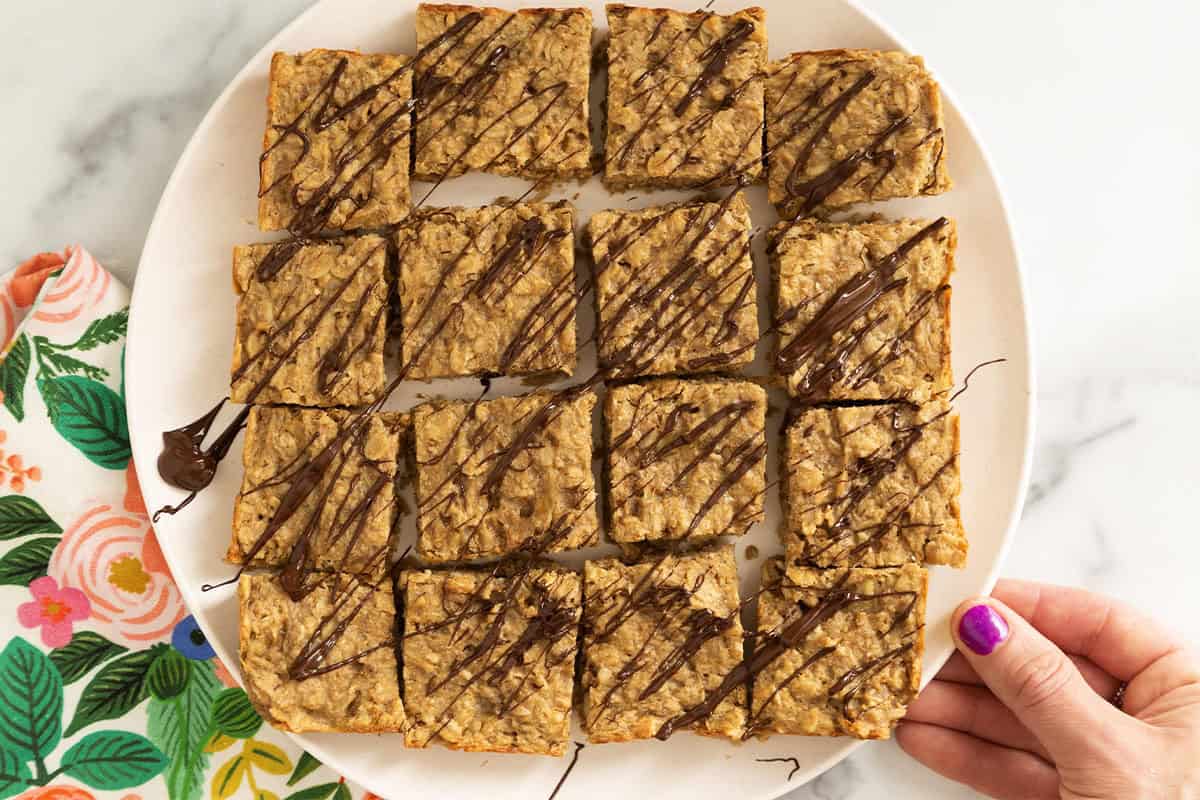
Oats, the foundational element, are recognized by the American Heart Association for their high content of beta-glucan, a type of soluble fiber known to assist in maintaining healthy cholesterol levels and promoting prolonged satiety. In the context of early childhood nutrition, the fiber content aids in digestive regularity, a common concern for parents of toddlers.
Peanut butter provides the lipid and protein framework for the bars. With approximately 6 grams of protein per serving, these bars contribute to the daily protein requirements necessary for muscle development and tissue repair. Furthermore, the monounsaturated and polyunsaturated fats found in nut butters are essential for cognitive development in young children.
The inclusion of mashed bananas acts as both a natural sweetener and a binding agent, reducing the reliance on refined sugars and eggs. Bananas contribute potassium, an essential electrolyte that supports nerve function and muscle contraction. When combined with a minimal amount of maple syrup or honey, the result is a low-glycemic index snack that provides sustained energy release rather than the "sugar spikes" associated with commercial granola bars.
Chronology of Preparation and Execution
The production of these bars follows a streamlined chronological path, designed to fit within the constraints of modern meal-prepping schedules. The entire process, from assembly to storage, typically spans less than one hour.
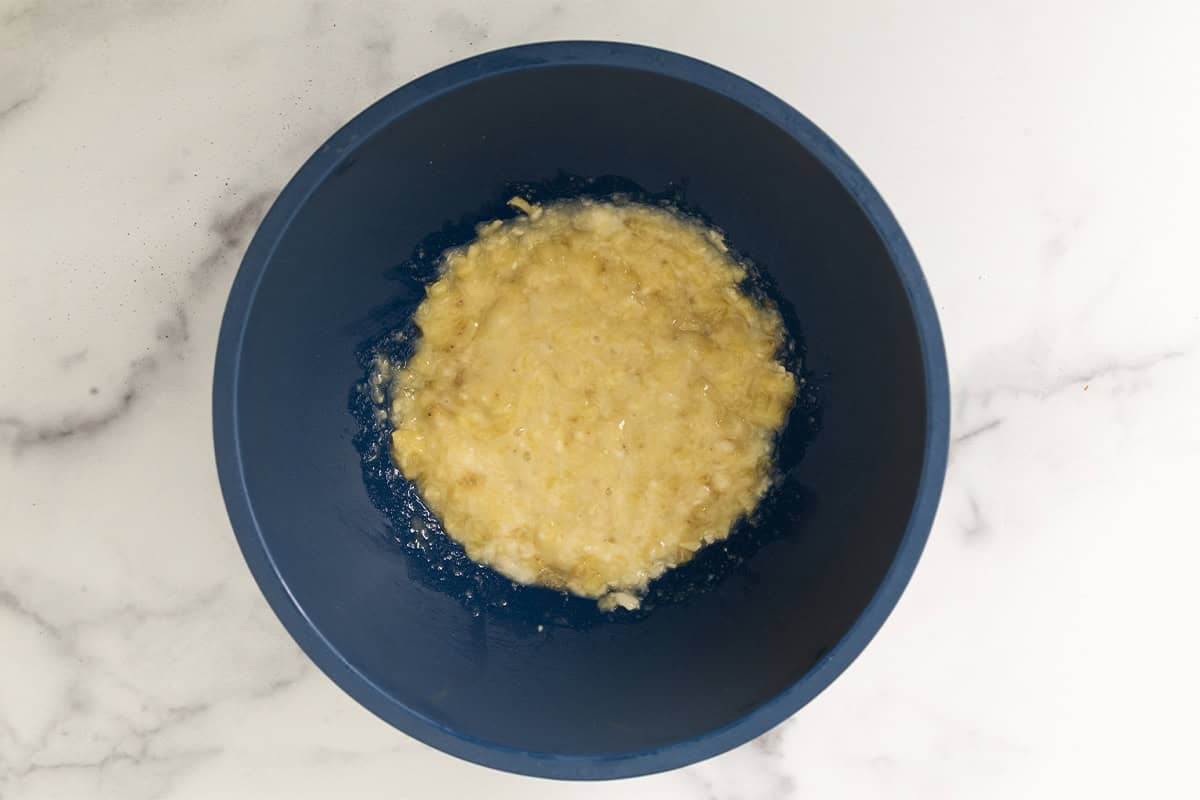
- Preparation and Mashing (0–10 Minutes): The process begins with the selection of overripe bananas. The degree of ripeness is critical, as increased starch conversion to sugar enhances the natural sweetness and improves the moisture content of the final product. The bananas are mashed into a smooth consistency to ensure even distribution throughout the batter.
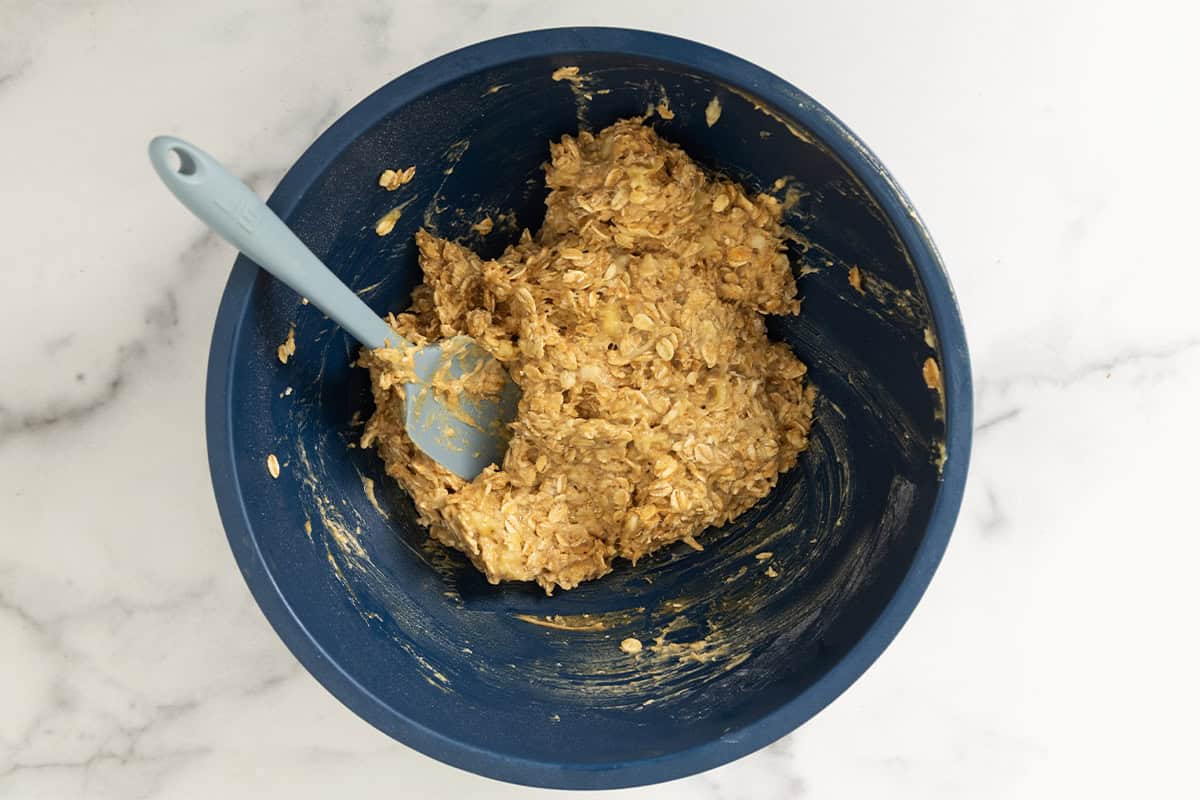
- Integration of Ingredients (10–15 Minutes): The remaining four ingredients are incorporated into the banana base. This stage requires thorough mixing to ensure the oats are fully hydrated by the moisture from the bananas and the oils from the peanut butter.
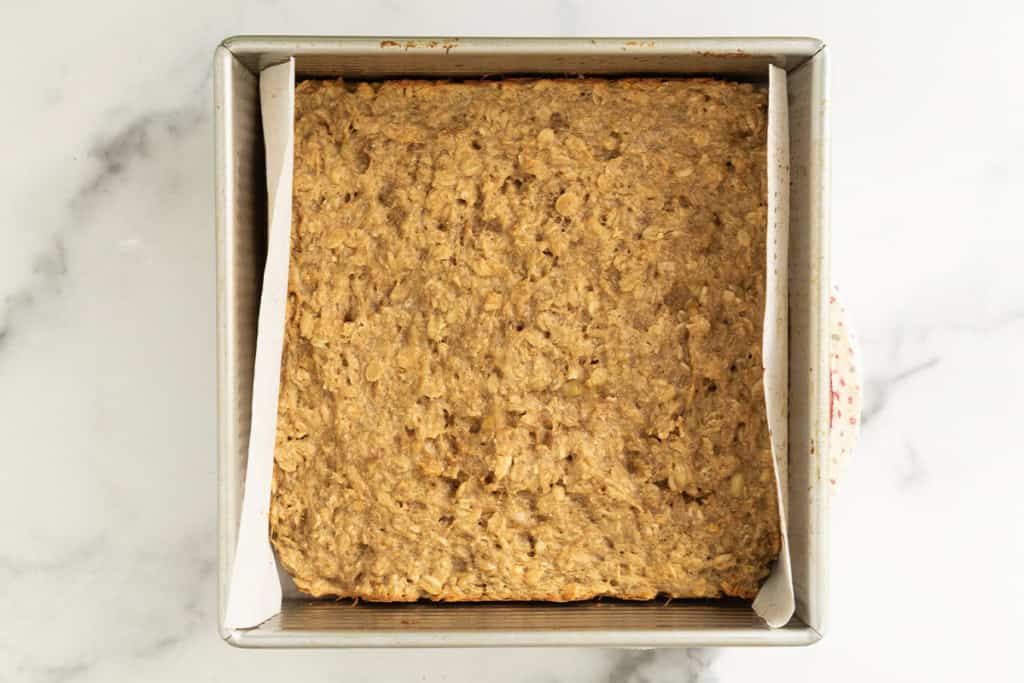
- Compaction and Shaping (15–20 Minutes): The batter is transferred to a prepared baking pan. Professional culinary standards suggest pressing the mixture firmly into the corners to ensure structural integrity once baked.
- Thermal Processing (20–45 Minutes): The bars are baked until the edges exhibit a light golden-brown hue. This stage is vital for setting the proteins and starches, transforming the viscous batter into a resilient, portable bar.
- Cooling and Slicing (45–60+ Minutes): Immediate slicing is discouraged, as the bars require a cooling period to "set." Utilizing a serrated knife for the final cut prevents crumbling and ensures uniform portions.
Economic Impact and Household Budgeting Data
The shift toward homemade snack bars is largely driven by the "grocery budget" phenomenon. According to consumer price index data from 2023 and early 2024, the cost of pre-packaged, organic, or "healthy" snack bars has risen by an average of 12% to 15% in several domestic markets.
A cost-benefit analysis reveals that a single batch of 12 homemade peanut butter oatmeal bars costs approximately 60% less than a comparable box of premium store-bought bars. By utilizing bulk-purchased pantry staples—specifically rolled oats and large-format nut butters—households can significantly reduce their monthly "discretionary snack" expenditure.
Furthermore, the "make-ahead" nature of this recipe addresses the economic cost of time. By preparing a large batch and utilizing freezer storage, parents can mitigate the need for last-minute, expensive convenience store purchases during morning commutes or school drop-offs.
Nutritional Data and Comparative Analysis
A standard serving of these peanut butter oatmeal bars yields a robust nutritional profile. Based on a 12-serving yield per batch, the data is as follows:
- Calories: 176 kcal
- Total Fat: 9g (Saturated Fat: 2g)
- Sodium: 139mg
- Total Carbohydrates: 20g
- Dietary Fiber: 3g
- Sugars: 6g
- Protein: 6g
- Potassium: 244mg
When compared to a leading brand of commercial oat bars targeted at children, the homemade version typically contains 40% less added sugar and 25% more protein. The absence of artificial preservatives and emulsifiers, such as soy lecithin or high-fructose corn syrup, aligns with the "clean eating" initiatives advocated by pediatricians and dietary experts.
Statements from the Culinary and Nutritional Community
While this specific recipe serves as a template, culinary experts emphasize the importance of versatility. Nutritionists often recommend the "seed butter" substitution—using sunflower or pumpkin seed butter—for households navigating the stringent "nut-free" policies implemented by many elementary schools and daycare centers.
"The primary advantage of the five-ingredient model is the elimination of decision fatigue for parents," says a representative of the Yummy Toddler Food platform. "By focusing on nutrient density and shelf-stability, we empower caregivers to take control of their children’s intake without requiring advanced culinary skills."
Consumer feedback indicates that the bars are frequently paired with other whole foods to create a balanced meal. Common pairings include fresh fruit, sausage for additional protein, or "flavored milks" (such as blueberry or strawberry milk) to increase calcium and Vitamin D consumption.
Broader Implications for Food Waste and Sustainability
The utilization of overripe bananas in this recipe addresses a significant component of household food waste. Bananas are among the most frequently discarded produce items in residential kitchens. By repurposing fruit that has moved past the stage of "aesthetic perfection," consumers contribute to a more sustainable food cycle.
Additionally, the reliance on oats—a crop that requires significantly less water to produce than almonds or other nut-heavy bases—lowers the overall environmental footprint of the snack. The ability to store these bars in the refrigerator for up to a week, or in the freezer for several months, ensures that the prepared food is consumed rather than wasted, further maximizing the household’s financial investment.
Strategic Storage and Logistics
For optimal quality maintenance, the bars should be stored in airtight containers. Refrigeration is recommended to preserve the moisture of the banana and the stability of the natural oils in the peanut butter. For long-term logistics, the bars can be individually wrapped and frozen. This allows for a "grab-and-go" system where a bar can be placed in a lunchbox in the morning and reach room temperature by midday, maintaining its soft, cookie-like texture without the need for reheating.
Conclusion: The Future of the Homemade Snack Market
The popularity of peanut butter oatmeal bars is indicative of a larger trend in the domestic food market. Consumers are increasingly rejecting the complexity of ingredient lists found on the back of processed packages in favor of transparent, self-made alternatives. As inflation continues to impact the purchasing power of the average family, the move toward "pantry-staple cooking" is expected to grow.
These bars represent more than just a recipe; they are a tool for economic resilience and nutritional autonomy. By mastering a simple, five-ingredient base, the modern household can ensure that health and convenience are not mutually exclusive, providing a sustainable path forward for family nutrition in an era of fluctuating market conditions.
