

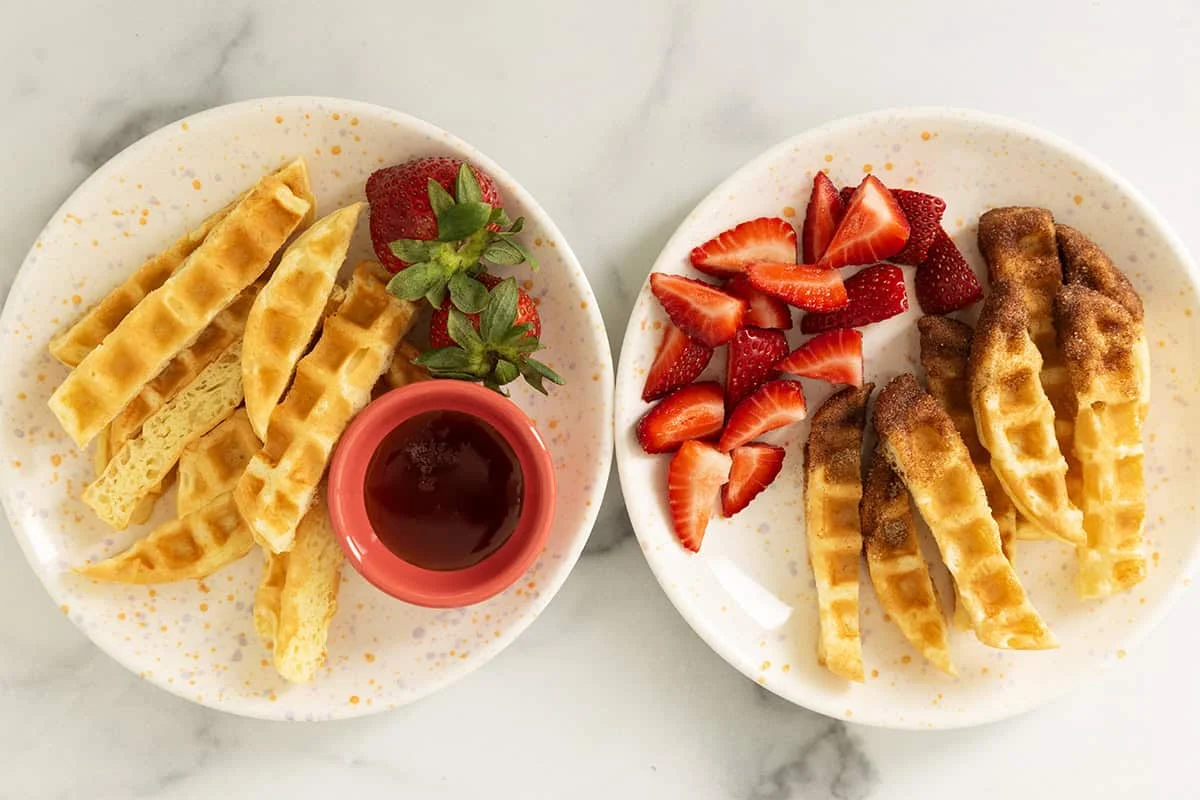
The landscape of early childhood nutrition is undergoing a significant shift as parents and caregivers increasingly prioritize homemade, nutrient-dense alternatives to traditional processed breakfast foods. Among the rising trends in this sector is the adaptation of classic recipes into "finger foods," with yogurt-based waffle sticks emerging as a leading choice for toddlers and infants. This culinary development addresses several key concerns in pediatric health, including the need for adequate protein intake, the development of fine motor skills through self-feeding, and the management of picky eating habits. By integrating high-protein dairy directly into a traditional flour-based batter, these waffle sticks provide a balanced macronutrient profile that supports the rapid growth and development characteristic of the toddler years.
The Evolution of Toddler Breakfast Trends
The transition from pureed "baby foods" to solid table foods represents a critical milestone in a child’s development. Historically, this transition was dominated by commercially available cereals and frozen toaster waffles, many of which contain high levels of sodium, preservatives, and refined sugars. However, recent data from the American Academy of Pediatrics (AAP) emphasizes the importance of the "first 1,000 days" of life, a window where nutritional intake has a profound impact on long-term health outcomes. This has led to a resurgence in home-prepared meals that allow for total control over ingredient quality.
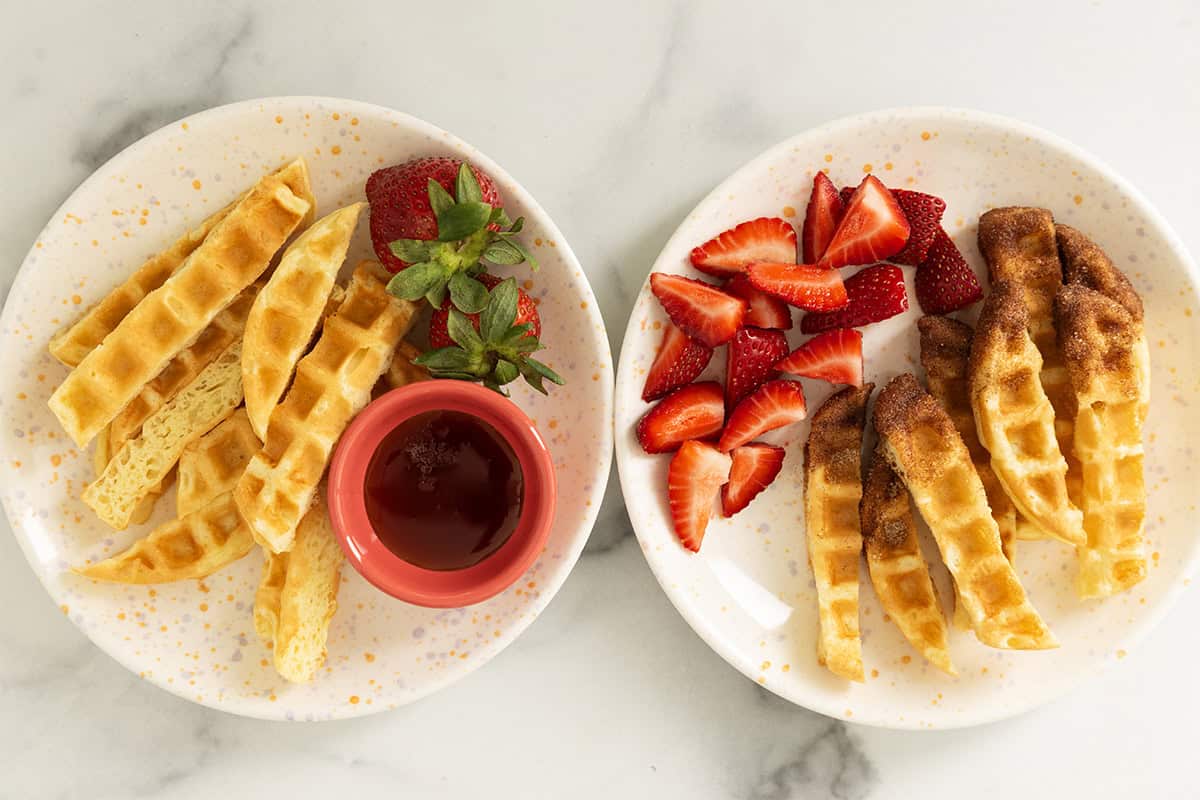
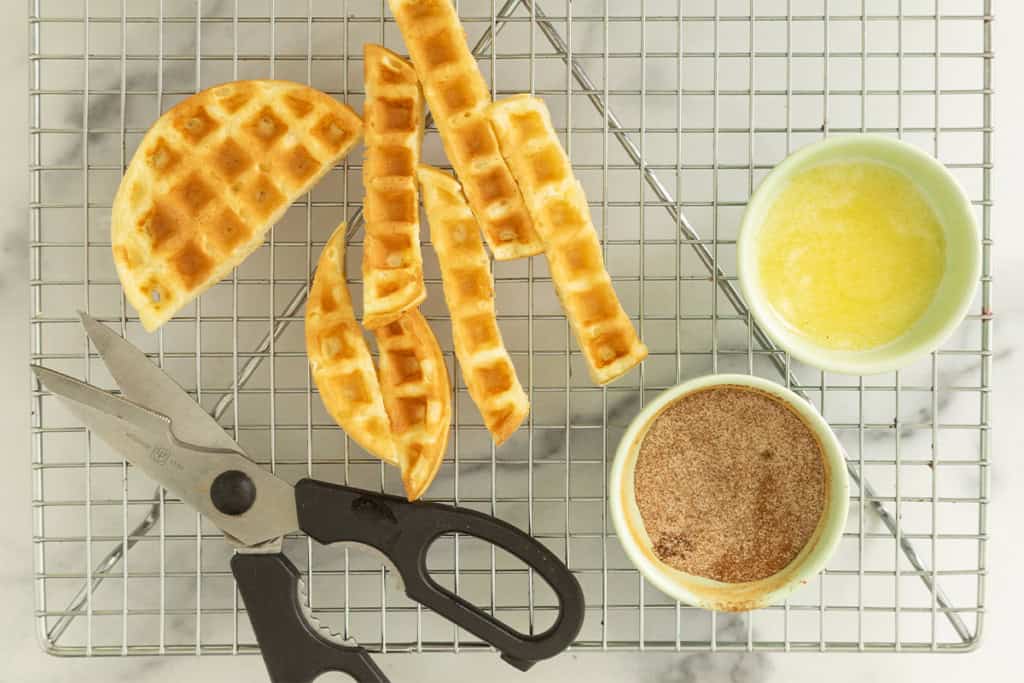
The concept of the "waffle stick" is a strategic modification of the standard circular or square waffle. By slicing the finished product into uniform strips, caregivers create a food item that is optimized for the "palmar grasp"—the way an infant or young toddler naturally holds objects. This structural change is not merely aesthetic; it is a functional adaptation that aligns with the principles of Baby-Led Weaning (BLW), a method of introducing solid foods where children are encouraged to feed themselves rather than being spoon-fed.
Nutritional Composition and Recipe Methodology
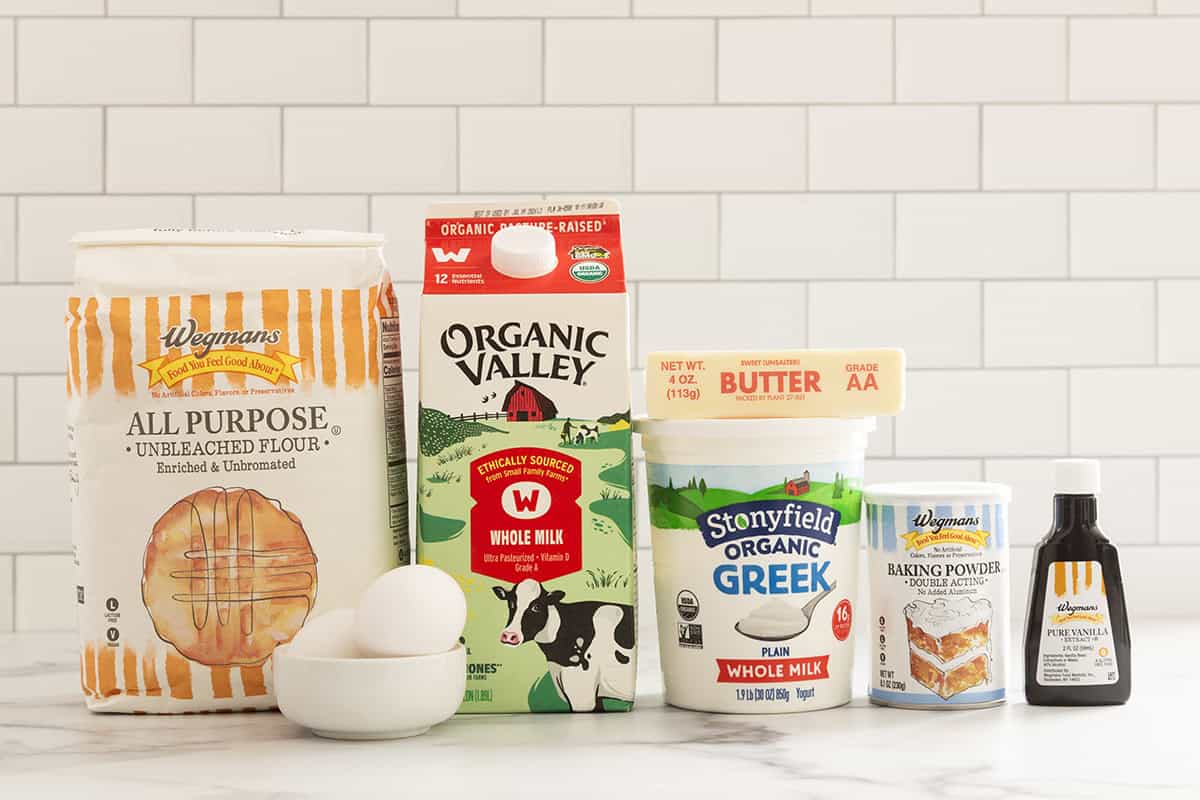
The core of the waffle stick’s nutritional value lies in its ingredient synergy. Unlike standard recipes that rely solely on milk or water for hydration, the inclusion of yogurt serves multiple purposes. From a chemical perspective, the acidity in yogurt reacts with leavening agents like baking powder to create a lighter, fluffier texture without the need for excessive fats. Nutritionally, yogurt introduces probiotics, calcium, and significantly higher protein content than traditional batters.
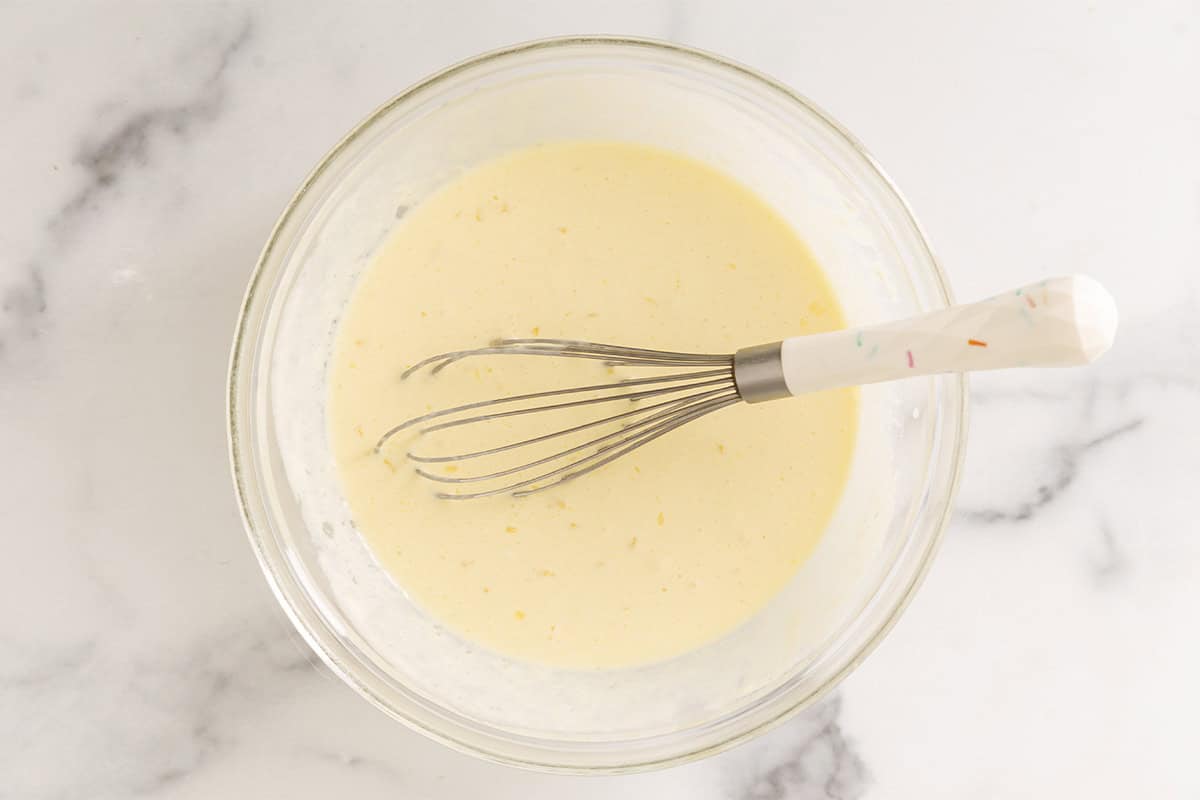
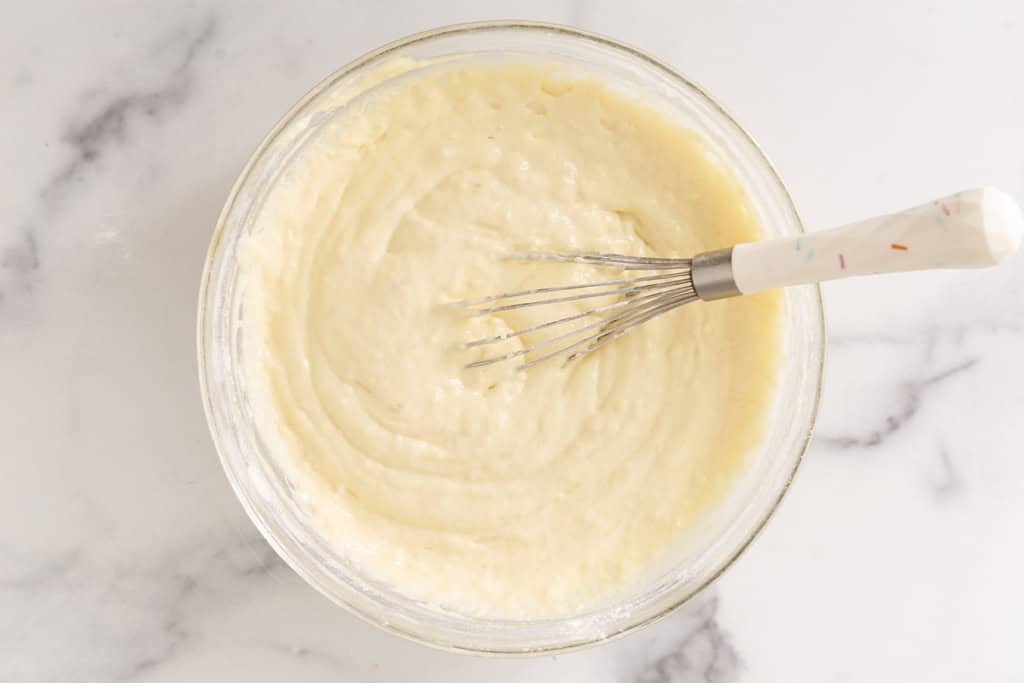
The standard methodology involves a two-stage mixing process. The wet ingredients—typically comprising yogurt, eggs, melted butter or oil, and vanilla extract—are whisked until emulsified. The dry components, including all-purpose or whole-wheat flour, a small amount of sugar (which can be omitted for infants), and baking powder, are then integrated. This "quick-stir" method prevents the overdevelopment of gluten, ensuring the resulting waffle remains tender enough for young children to chew safely.
According to nutritional data provided for this recipe, a single serving consisting of two waffles cut into strips yields approximately 136 calories, 4 grams of protein, and 107 milligrams of calcium. This profile is particularly beneficial for toddlers who may be resistant to drinking plain milk or eating eggs in their isolated form.
The Rise of Baby-Led Weaning and Developmental Benefits
Occupational therapists and pediatricians have noted that the shape and texture of food play a vital role in oral-motor development. Waffle sticks provide a "resistive" texture that is firm enough to hold but soft enough to be broken down by gums or primary teeth. This helps children practice the "munching" pattern and lateral tongue movements required for more complex eating later in life.
Furthermore, the "dippable" nature of waffle sticks encourages sensory exploration. Serving the sticks alongside yogurt, applesauce, or peanut butter dips allows the child to engage with different textures and temperatures. This multi-sensory experience is often cited by child psychologists as a primary tool in reducing "food neophobia," or the fear of new foods, which typically peaks between the ages of two and five.
Consumer Customization and Dietary Adaptability
One of the most significant advantages of the homemade waffle stick is its inherent flexibility. In a recent review of the recipe, a consumer named Genna highlighted the ease of modification, noting that she successfully omitted sugar and added mashed banana and grated yellow squash. This "veggie-loading" technique is a common strategy among modern parents to increase fiber and micronutrient intake without compromising the palatability of the meal.
The recipe also accommodates the growing number of children with dietary restrictions. For those with egg allergies—one of the most common food allergies in infants—the batter can be adjusted using vegan-friendly substitutes or flaxseed "eggs." The use of gluten-free flour blends is also a viable option, making the dish accessible to a wide demographic of consumers.
Economic and Health Analysis of Homemade Finger Foods
From an economic standpoint, the production of homemade waffle sticks offers a cost-effective alternative to premium "organic" frozen brands found in retail stores. The base ingredients—flour, eggs, and yogurt—are staples in most households and have a lower cost-per-serving than pre-packaged specialty toddler foods.
Beyond cost, the health implications of reducing processed food intake in early childhood are substantial. Commercially produced waffles often contain "hidden" sugars and synthetic dyes. By preparing these items at home, caregivers can utilize natural sweeteners or rely on the natural sugars found in fruit-based dips. The ability to control sodium levels is also paramount, as the CDC reports that many toddlers exceed the recommended daily intake of sodium, primarily through processed breads and snacks.
Chronology of Breakfast Innovation
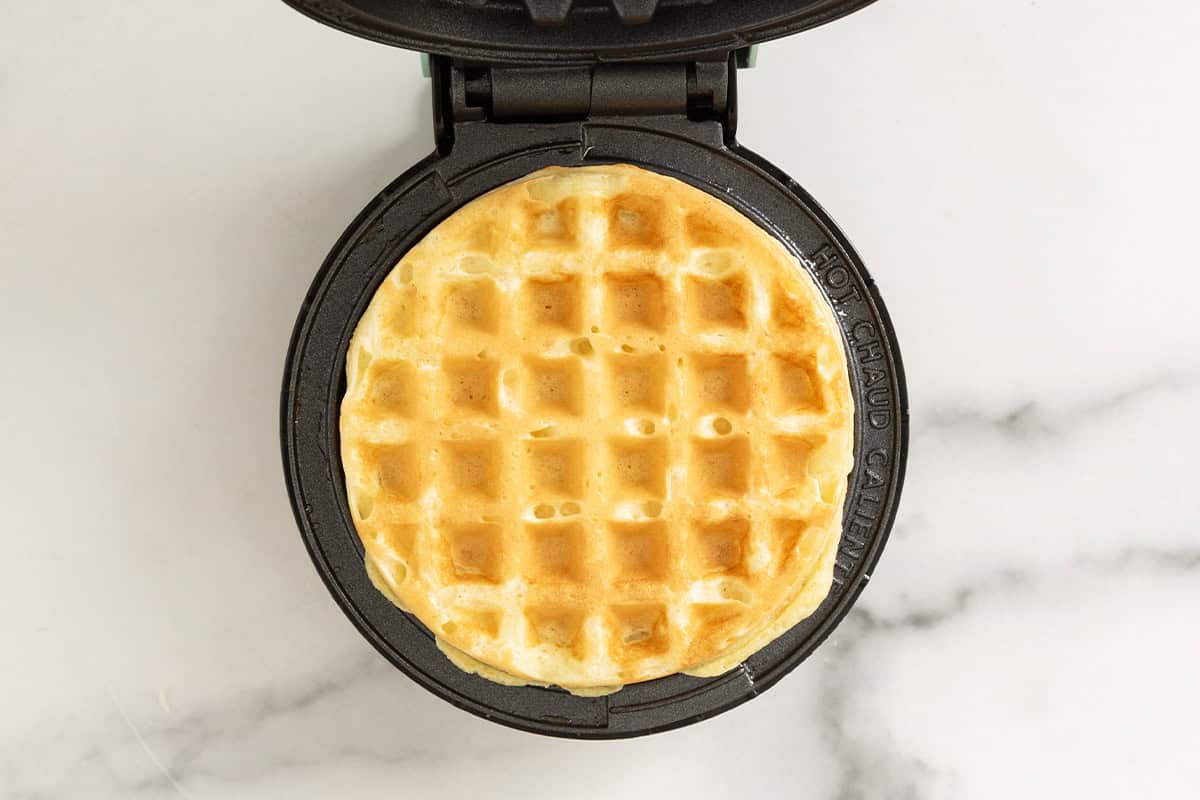
The history of the waffle dates back to the Middle Ages, where they were originally cooked between two metal plates over an open flame. However, the 21st century has seen the "miniaturization" of this classic dish. The introduction of compact appliances, such as the Dash mini waffle maker, has revolutionized the home kitchen. These devices produce smaller, 4-inch waffles that are the perfect scale for toddler portions and are easily sliced into three or four uniform sticks.
This technological shift, combined with the digital dissemination of nutritional information through platforms like Yummy Toddler Food, has empowered parents to become amateur "food scientists" in their own right. The timeline of this trend suggests a move away from the "one size fits all" breakfast toward customized, developmentally appropriate nutrition.
Technical Guidelines for Success and Storage
For optimal results, culinary experts suggest that the waffle iron must be thoroughly preheated and greased, even if it has a non-stick coating. This ensures the exterior achieves a slight crispness that maintains the "stick" shape during dipping.
The logistical benefits of this recipe extend to meal management and food waste reduction. Waffle sticks are highly stable when frozen. The recommended storage method involves cooling the waffles on a wire rack to prevent steam from making them soggy, followed by flash-freezing them before placing them in a zip-top bag. This allows parents to reheat only the amount needed for a single meal, providing a "convenience food" experience without the nutritional compromises of store-bought options.
Broader Impact and Implications for Public Health
The trend toward nutritious, homemade finger foods like waffle sticks is part of a larger movement to combat the rising rates of childhood obesity and type 2 diabetes. By establishing healthy eating patterns early, parents are essentially "programming" a child’s palate to enjoy whole foods and varied textures.
Furthermore, the social aspect of "dipping" and sharing these sticks can foster a positive mealtime environment. When a child views eating as a "fun" and interactive activity rather than a chore, the likelihood of mealtime power struggles decreases. This has a secondary benefit of reducing parental stress and improving the overall quality of family life.
In conclusion, the emergence of the yogurt-based waffle stick is more than a fleeting social media trend; it is a practical response to the evolving understanding of pediatric nutrition. By combining the science of food chemistry with the practicalities of modern parenting and the developmental needs of growing children, this recipe serves as a blueprint for the future of early childhood meal planning. As more data becomes available regarding the long-term benefits of protein-rich, low-sugar starts to the day, it is likely that such versatile, homemade solutions will become the standard in households across the country.
