

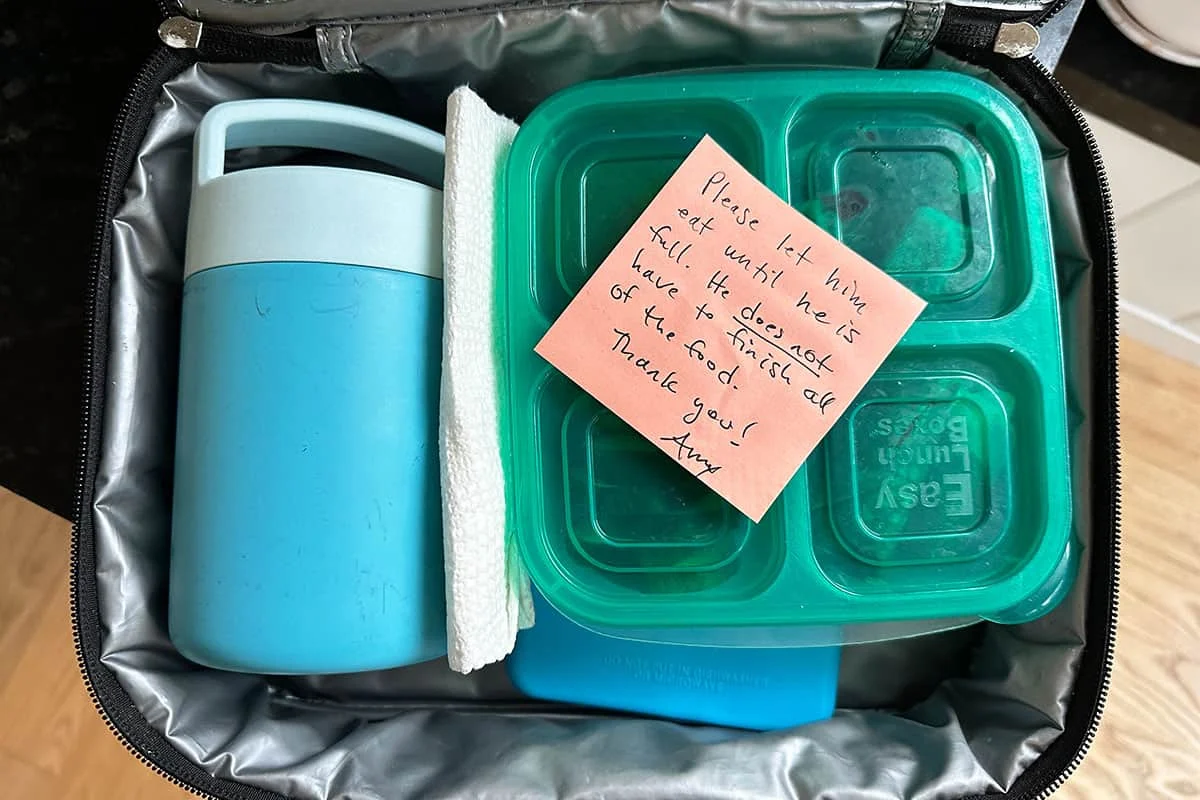
The landscape of early childhood nutrition is currently undergoing a significant shift as parents and educators grapple with the conflicting demands of institutional efficiency and the biological cues of the individual child. Recent reports emerging from digital parenting communities, most notably the YTF Community, have highlighted a recurring and systemic issue within American schools and summer camps: the practice of coerced consumption, often referred to as the "clean plate" mandate. This phenomenon has sparked a broader national conversation regarding the Division of Responsibility in feeding, the psychological impact of forced eating, and the administrative pressures that lead school staff to override a child’s internal hunger and fullness cues.
The Intersection of Institutional Policy and Pediatric Health
At the center of this discourse is the fundamental tension between a child’s developing sense of interoception—the ability to perceive internal physical states such as hunger—and the rigid scheduling of the modern educational environment. A recent case brought to light by a parent identified as Lucy serves as a primary example of this friction. Lucy reported that her son, while recovering from a respiratory illness, was pressured by school officials to consume his entire lunch despite his explicit lack of appetite. This incident is not an isolated occurrence but rather a reflection of a long-standing tradition in institutional feeding where "finishing the meal" is equated with nutritional success.
Pediatric nutritionists and child psychologists have increasingly raised alarms over these practices. The prevailing medical consensus, largely influenced by Ellyn Satter’s Division of Responsibility (DOR) model, posits that while adults are responsible for the what, when, and where of feeding, the child must remain responsible for how much and whether they eat. When schools intervene in this second half of the responsibility, they risk disrupting the child’s natural ability to self-regulate energy intake, a skill that is critical for the prevention of metabolic disorders and obesity in later life.
Historical Context of the "Clean Plate" Mandate
The "clean plate" philosophy has deep roots in American history, particularly following the Great Depression and the World Wars, when food scarcity was a pervasive national concern. During these eras, wasting food was viewed not only as a personal failing but as a lack of civic duty. This cultural ethos was eventually codified into school lunch programs as they became standardized in the mid-20th century.
However, as the United States transitioned into an era of food abundance and rising rates of childhood obesity, the relevance of this mandate has been called into question. Data from the Centers for Disease Control and Prevention (CDC) indicates that childhood obesity has more than tripled since the 1970s, affecting approximately one in five children and adolescents. Experts argue that forcing children to eat past the point of satiety—especially in an environment where portions may be standardized rather than individualized—contributes directly to the desensitization of the body’s natural fullness signals.
Quantitative Analysis of the Modern School Lunch Hour
One of the primary drivers of coerced eating in schools is the restrictive nature of the academic schedule. According to a study by the Harvard T.H. Chan School of Public Health, many students have as little as 20 minutes to eat their lunch once they have finished standing in line. This "time poverty" creates an environment of high stress for both students and staff.
For teachers and cafeteria monitors, the goal often becomes the rapid disposal of food to ensure the schedule remains on track. If a child is eating slowly or expresses a lack of hunger, staff may perceive this as a behavioral hurdle or a risk that the child will experience a "sugar crash" or irritability later in the day, affecting classroom management. Consequently, the instruction to "finish your lunch" is frequently used as a tool for administrative expediency rather than a considered nutritional intervention.
Psychological Ramifications of Coerced Consumption
The psychological impact of being forced to eat while ill or non-hungry can be profound. Clinical psychologists specializing in pediatric eating disorders note that coercive feeding practices can foster a negative relationship with food, characterized by anxiety and a loss of autonomy. For a child like Lucy’s son, who was already physically compromised by a cold, the added pressure to eat creates a sensory and emotional overload.
Furthermore, research published in the journal Appetite suggests that when children are pressured to eat specific foods, they often develop a long-term aversion to those foods. Conversely, when children are allowed to exercise autonomy, they are more likely to experiment with new textures and flavors over time. The "battle of the lunchbox" thus becomes a counterproductive exercise that may undermine the very nutritional goals the school aims to achieve.
Advocacy and the Rise of Parental Support Networks
In response to these institutional challenges, digital platforms and advocacy groups have emerged to provide parents with the tools necessary to negotiate with school administrations. The YTF Community, led by nutrition experts, has become a central hub for this advocacy. The community provides resources such as "lunchbox notes" and formal templates for communication with teachers, which explicitly state a child’s right to stop eating when they are full.
The recent surge in queries following YTF’s "Everything I Wish I’d Known about Kids Lunch" series highlights a significant demand for information. Parents are increasingly seeking "bonus lunch ebooks" and "customizable meal plans" not just for recipe ideas, but as a means of ensuring that the food sent to school is both manageable for the child and compliant with school policies that may restrict certain allergens.
Official Responses and Legislative Trends
School districts across the country have begun to respond to these concerns, though progress remains uneven. Some districts in California and Maine have implemented "recess before lunch" policies, which have been shown to reduce plate waste and decrease the frantic pace of the meal, thereby reducing the perceived need for staff to pressure students to eat quickly.
Additionally, some educational boards are incorporating "Mindful Eating" modules into their health curricula. These programs emphasize listening to internal cues and are designed to train staff to avoid using food as a reward or punishment. However, these initiatives often face budget constraints and a lack of specialized training for the hourly staff who most frequently monitor the lunchrooms.
Broader Impact and Implications for the Future
The debate over school lunch autonomy is a microcosm of the broader struggle to redefine health in the 21st century. As society moves away from a purely caloric view of nutrition toward a more holistic, behavioral approach, the role of the school cafeteria must evolve. The transition from a "compliance-based" feeding model to an "autonomy-based" model requires a systemic overhaul of how time and labor are valued in the educational system.
For parents like Lucy, the immediate solution often lies in direct advocacy. Experts recommend a multi-pronged approach:
- Written Documentation: Providing a signed note to the school stating that the child is permitted to leave food uneaten.
- Collaborative Communication: Engaging in a non-confrontational dialogue with teachers to explain the Division of Responsibility.
- Educational Advocacy: Encouraging parent-teacher associations (PTAs) to review school-wide feeding policies and ensure they align with modern pediatric guidelines.
As the academic year progresses, the data collected from communities like YTF will likely continue to influence parental strategies and institutional policies. The goal remains a lunchroom environment where the physical and emotional well-being of the child takes precedence over the rigid requirements of the clock.
Conclusion: Towards a More Flexible Nutritional Framework
The reports of forced feeding in schools serve as a critical reminder that the "clean plate club" is an antiquated relic that conflicts with modern health science. While the intentions of school staff are often rooted in a desire to ensure children are well-nourished, the methods employed can have unintended negative consequences. By fostering a culture of respect for a child’s internal hunger cues, schools can play a vital role in developing a generation of intuitive eaters who possess the self-awareness necessary for lifelong health. The ongoing efforts of advocacy groups and the engagement of informed parents are essential catalysts in this necessary evolution of the American school lunch experience.
