

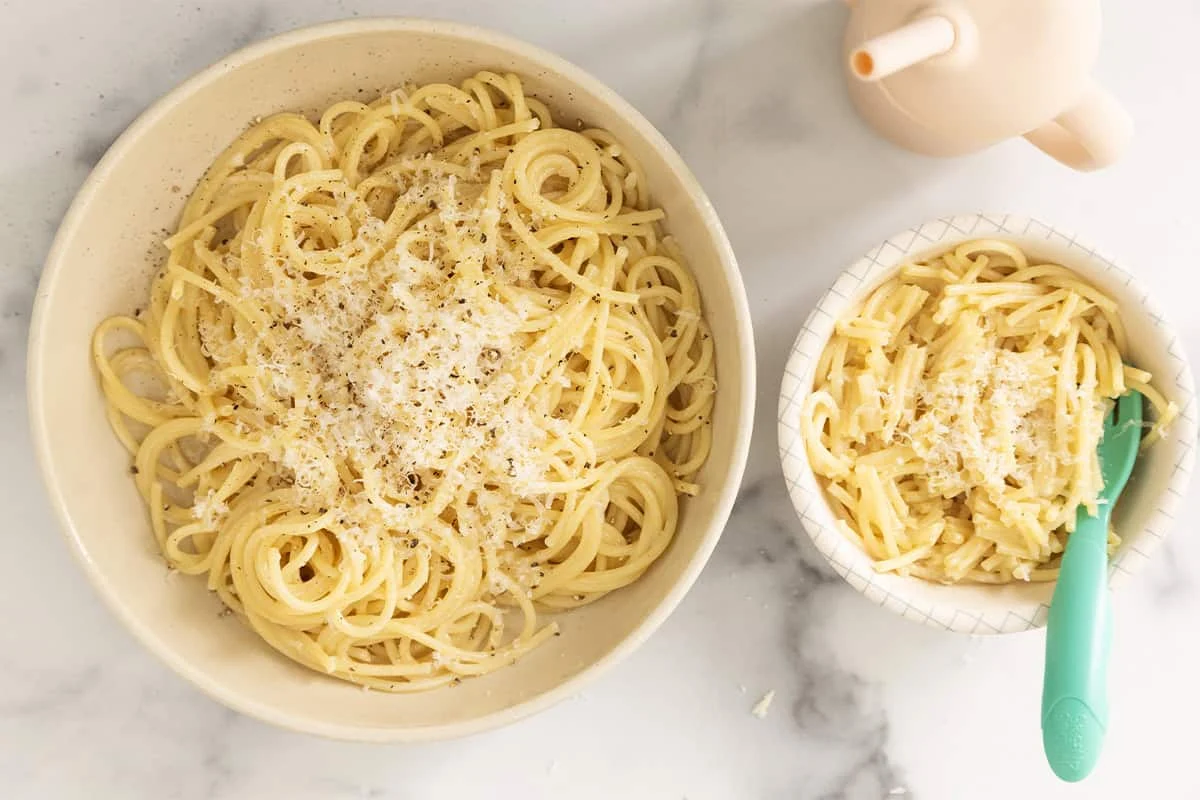
The culinary landscape for household meal preparation has undergone a significant shift toward simplified, nutrient-dense options that cater to both pediatric preferences and adult palates. Parmesan noodles, a sophisticated evolution of the traditional buttered pasta dish, have emerged as a cornerstone of modern domestic cooking due to their versatility, ease of preparation, and high acceptance rates among children. This dish represents a strategic intersection of comfort food and efficient kitchen management, serving as either a standalone vegetarian entree or a foundational base for various proteins and vegetables. By utilizing a specific methodology involving starchy cooking water and high-quality hard cheeses, home cooks can achieve a creamy consistency without the heavy reliance on industrial emulsifiers often found in pre-packaged alternatives.
The Evolution of the Domestic Pasta Staple
Historically, the "buttered noodle" has served as the default fallback for busy parents and caregivers, particularly in North American households during the late 20th century. However, as global culinary influences have permeated domestic kitchens, the demand for deeper flavor profiles—specifically the "umami" notes provided by aged cheeses—has increased. The transition from simple fats to a Parmesan-based sauce reflects a broader trend toward "elevated basics." This movement prioritizes fresh ingredients and traditional Italian techniques, such as the emulsification of fats with pasta-cooking water, to create a restaurant-quality texture within a ten-to-fifteen-minute timeframe.
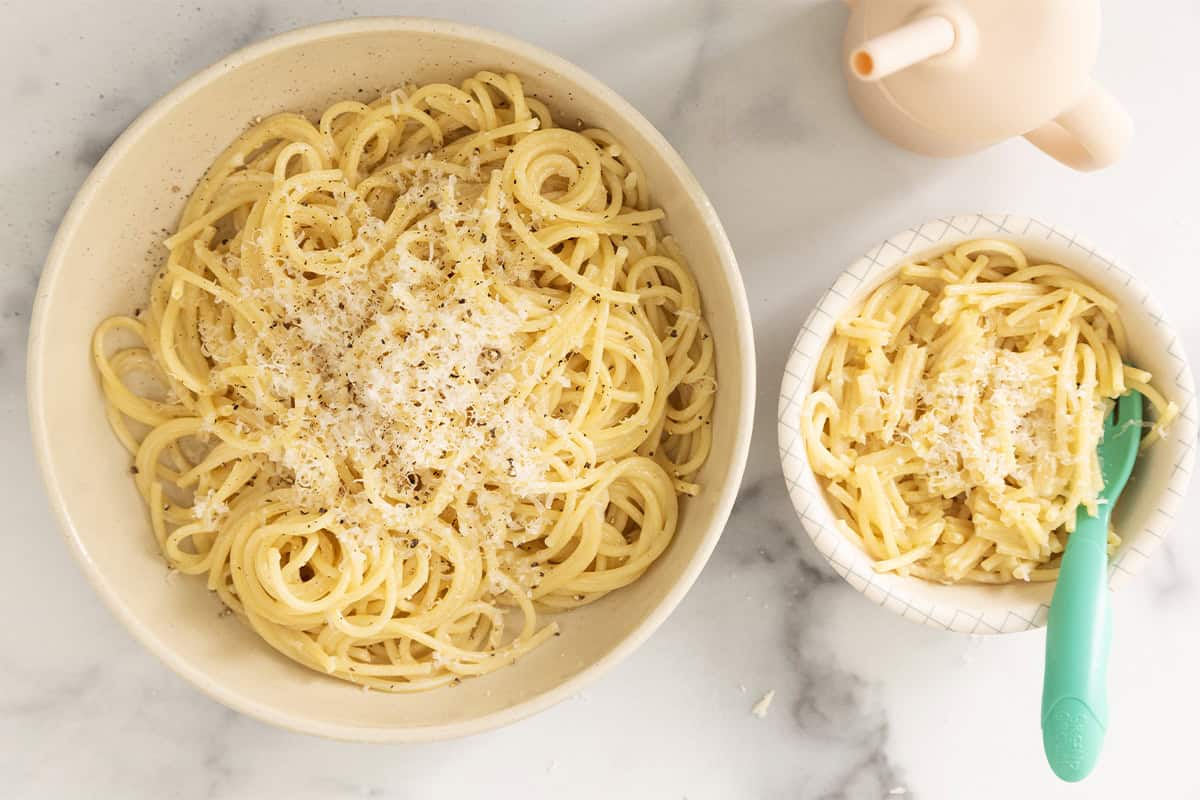
In the contemporary context, the Parmesan noodle serves a dual purpose. It addresses the sensory sensitivities of young children, who often prefer consistent textures and mild flavors, while providing a canvas for the "cracked black pepper" or "sautéed garlic" additions preferred by adults. This "one-pot, two-audience" approach is increasingly vital as families seek to minimize the labor-intensive practice of preparing separate meals for different age groups.
Nutritional Profile and Ingredient Efficacy
A detailed analysis of the nutritional components of Parmesan noodles reveals a balanced profile suitable for growing children. Based on standard serving sizes, a two-ounce portion of this preparation typically contains approximately 313 calories, providing a significant energy source for active toddlers and school-aged children. The macronutrient distribution is characterized by 43 grams of carbohydrates, 10 grams of protein, and 11 grams of fat.
The inclusion of Parmesan cheese is not merely a flavor choice but a nutritional strategy. Unlike softer, processed cheeses, Parmesan is a dense source of calcium (74mg per serving) and high-quality protein. Furthermore, the fat content—largely derived from butter and optional cream—provides the necessary lipids for brain development in early childhood. For families monitoring sodium intake, home-prepared Parmesan noodles offer a distinct advantage over boxed macaroni and cheese, which can contain upwards of 700mg of sodium per serving; the home-cooked version typically averages around 116mg, depending on the brand of butter and cheese utilized.
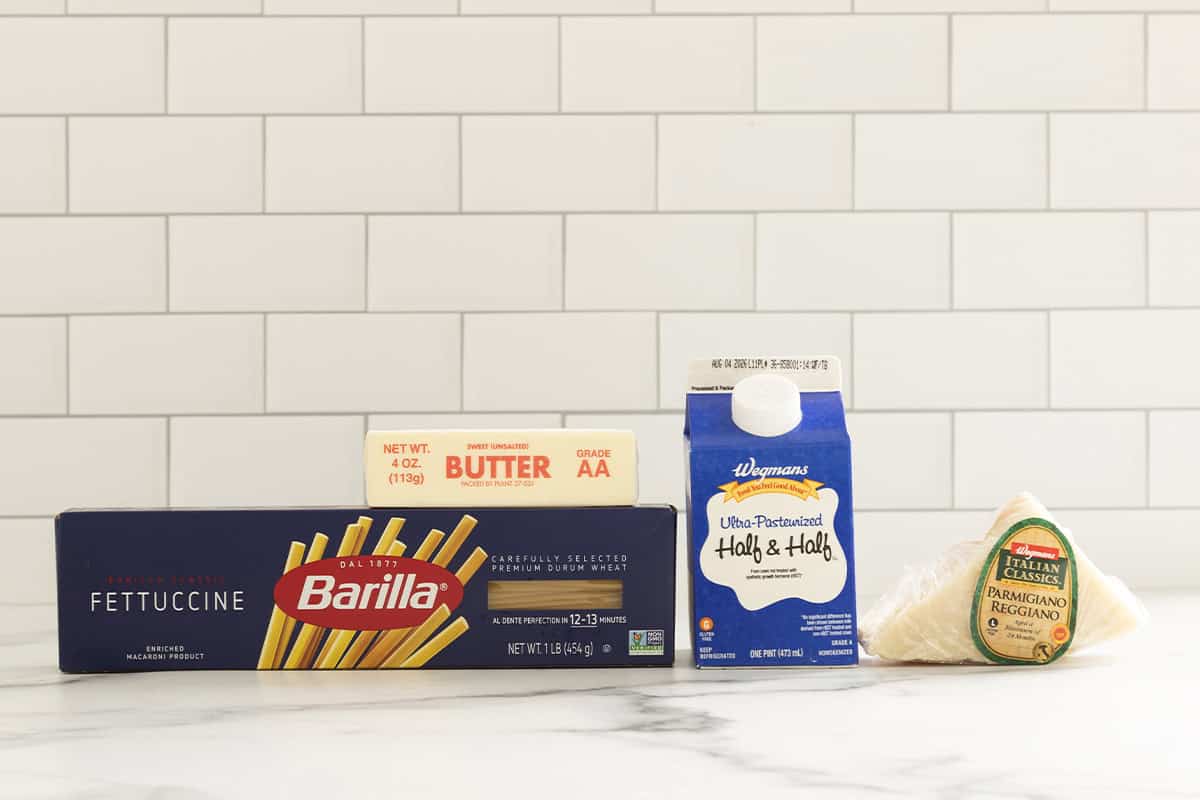
Key Ingredients for Success:
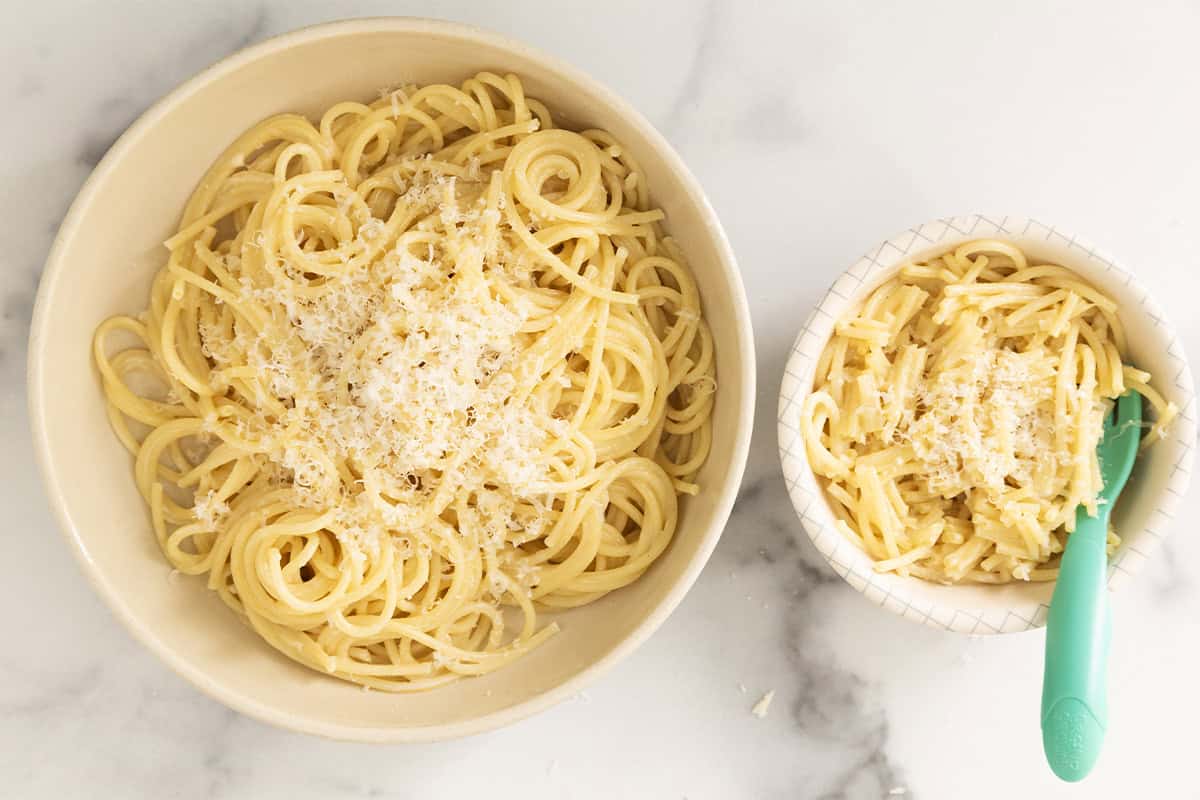
- Pasta Selection: While long strands like fettuccine or spaghetti are traditional, many domestic chefs prefer short shapes such as penne or rotini for younger children to facilitate easier self-feeding.
- Parmesan Quality: The use of finely grated, aged Parmesan ensures a smoother melt and a more concentrated flavor profile compared to larger shreds.
- The Emulsifier (Pasta Water): The reserved cooking water contains released starches that act as a natural binding agent, bridging the gap between the fat in the butter and the proteins in the cheese.
Standardized Preparation Methodology
The efficacy of the Parmesan noodle recipe lies in its procedural simplicity. To ensure consistent results, the following chronology is recommended by culinary experts specializing in family nutrition:
Phase 1: The Boiling and Extraction Process
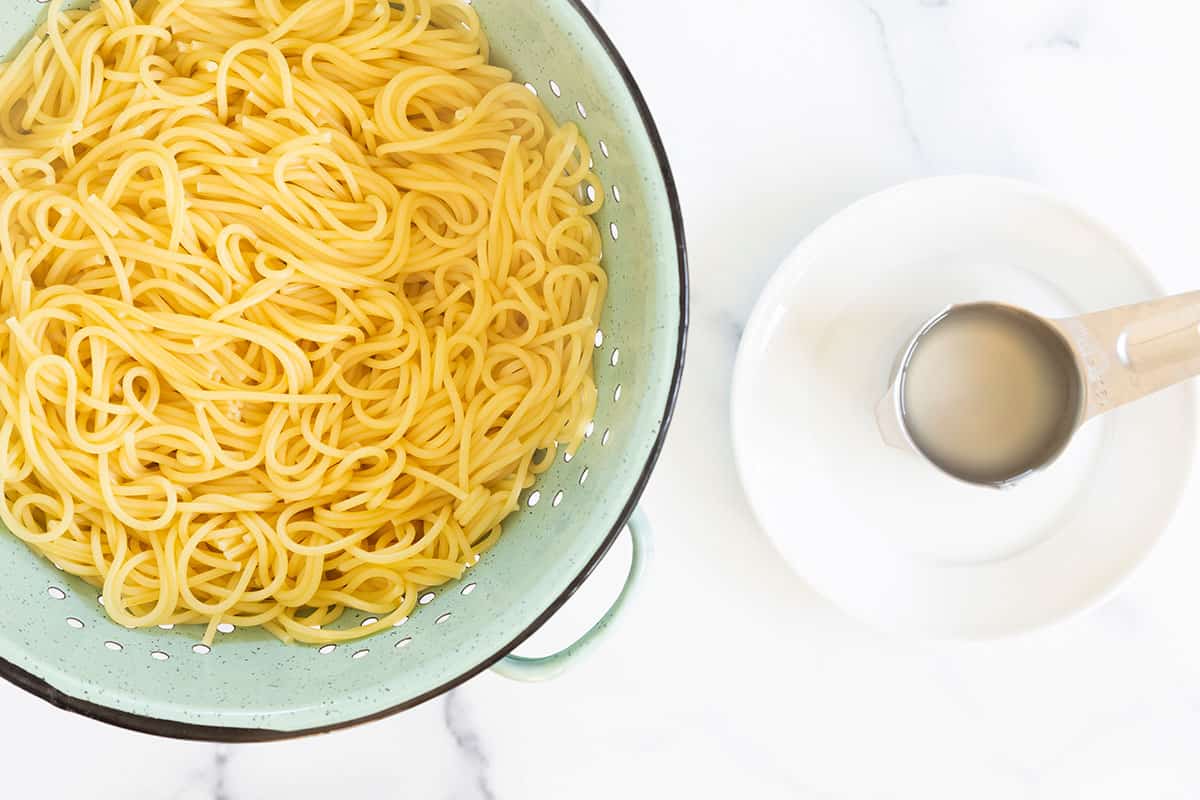
The pasta must be cooked in salted water according to the manufacturer’s instructions until it reaches an "al dente" state. A critical step occurs approximately two minutes before the pasta is finished: the extraction of roughly half a cup of the starchy cooking liquid. This liquid is the secret to the dish’s creaminess. Once extracted, the pasta is drained, but never rinsed, as the surface starch is required for sauce adhesion.
Phase 2: The Emulsification and Assembly
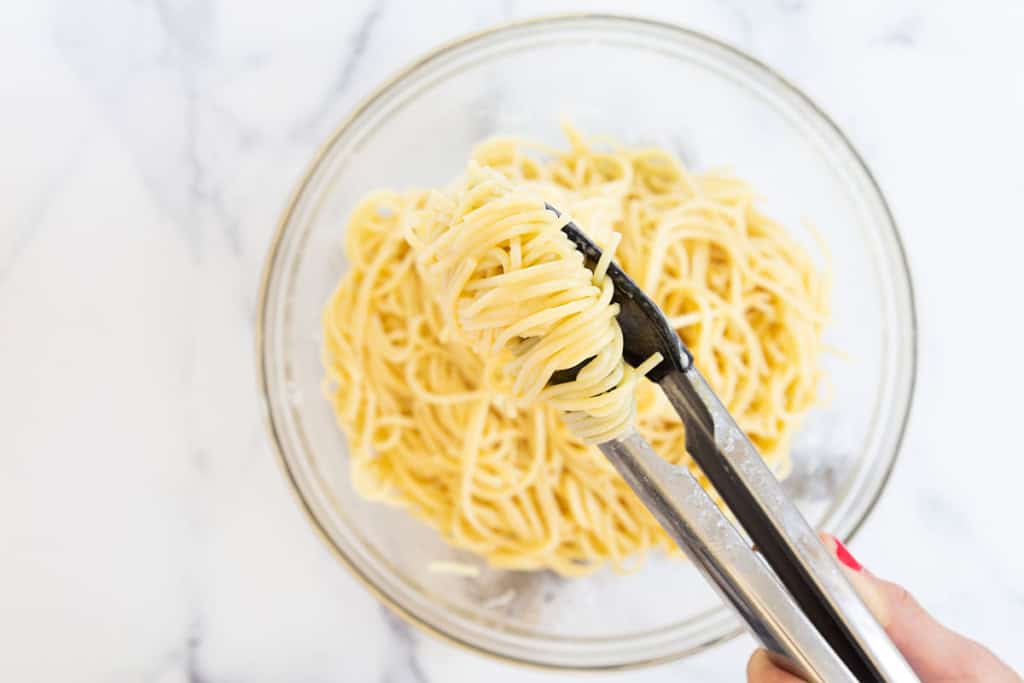
Upon returning the hot pasta to the pot, the heat should be reduced to low. The fats (butter and optional heavy cream) are introduced first, followed by a gradual incorporation of the grated Parmesan. The reserved pasta water is added tablespoon by tablespoon while the mixture is vigorously tossed. This mechanical action, combined with the heat and starch, creates a stable emulsion that coats each noodle in a velvety layer of cheese without the graininess often associated with overheated dairy.
Strategic Meal Integration and Versatility
One of the primary implications of mastering this dish is its role in "scaffolded meal planning." Nutritionists often suggest using a "safe" food—like creamy noodles—to introduce new or less-preferred foods to children. By serving Parmesan noodles alongside roasted frozen broccoli, baked chicken tenders, or chicken Parmesan meatballs, parents can increase the likelihood of a child attempting the accompanying vegetable or protein.
Furthermore, the dish serves as an excellent medium for hidden nutrition. Finely minced parsley, sautéed garlic, or even pureed carrots can be integrated into the sauce without significantly altering the texture that children find comforting. This adaptability makes it a recurring feature in weekly meal rotations, particularly on evenings when time constraints are high.
Economic Impact and Household Sustainability
The rise in popularity of home-cooked pasta dishes can also be viewed through an economic lens. As global food inflation continues to impact household budgets, the cost-per-serving of a Parmesan noodle meal remains significantly lower than that of takeout or highly processed frozen meals. Bulk-purchased dry pasta, butter, and a wedge of Parmesan are shelf-stable or long-lasting ingredients that allow a family of four to be fed for a fraction of the cost of commercial alternatives.
Additionally, the sustainability of this meal is reflected in its storage capabilities. Leftover noodles can be refrigerated in an airtight container for up to five days. The formal recommendation for reheating involves a specific moisture-restoration technique: sprinkling the pasta with a small amount of water and covering it during the microwave process. This prevents the starches from retrograding and ensures the cheese sauce maintains its original fluidity.
Expert Perspectives on Childhood Nutrition
Child development experts and pediatric nutritionists often emphasize the importance of "exposure" in the high-chair environment. Simple dishes like Parmesan noodles provide a consistent sensory experience, which reduces mealtime anxiety for "picky eaters." Statements from the culinary community suggest that involving children in the process—such as letting them sprinkle the cheese or watch the "magic" of the melting butter—can further increase their engagement with the food.
From a physiological standpoint, the combination of complex carbohydrates and fats provides sustained energy release. Unlike high-sugar snacks or meals, the protein-to-carb ratio in this pasta dish helps maintain stable blood glucose levels in children, potentially leading to better focus and fewer behavioral fluctuations associated with "sugar crashes."
Broader Implications for Modern Cooking
The success of the Parmesan noodle recipe highlights a broader shift in the "foodie" culture. There is a growing realization that "good" food does not have to be "complicated" food. The democratization of culinary techniques, once reserved for professional kitchens, has empowered the average home cook to produce high-quality meals with minimal equipment.
As we look toward the future of domestic dining, the emphasis on quality ingredients and simple, repeatable methods is expected to grow. The Parmesan noodle is more than just a recipe; it is a testament to the power of efficient, thoughtful home cooking. It addresses the immediate needs of the family—hunger, nutrition, and time—while fostering a positive relationship with food that can last a lifetime. Whether served as a quick Tuesday night dinner or a comforting weekend lunch, it remains a gold standard in the repertoire of the modern household.
