

The culinary landscape of family dinner preparation is undergoing a significant shift as nutritional density and time efficiency become the primary drivers for household meal decisions. Central to this movement is the rising popularity of vegetable-based sauces, which offer a sophisticated yet accessible way to integrate high-fiber produce into traditional comfort foods. The emergence of Pasta with Butternut Squash Sauce as a seasonal staple exemplifies this trend, providing a nutrient-rich alternative to standard marinara or cream-based sauces. This dish, characterized by its use of roasted butternut squash, onions, and garlic, represents a strategic approach to feeding selective eaters while maintaining a high standard of culinary quality.
The Nutritional Foundation of Butternut Squash
Butternut squash (Cucurbita moschata) serves as the cornerstone of this recipe, bringing a robust nutritional profile that is particularly beneficial for growing children and health-conscious adults. According to nutritional data, a single serving of this pasta dish provides approximately 7,538 IU of Vitamin A, fulfilling a significant portion of the daily recommended intake. Vitamin A, primarily in the form of beta-carotene, is essential for maintaining healthy vision, supporting immune function, and ensuring proper organ growth.
Beyond Vitamin A, the inclusion of three distinct vegetables—squash, onions, and garlic—contributes to a fiber-rich meal. Fiber is a critical component in digestive health and helps regulate blood sugar levels, preventing the energy crashes often associated with high-carbohydrate meals. With 10 grams of protein and 3 grams of fiber per serving, the dish aligns with modern dietary guidelines that emphasize plant-forward nutrition. Furthermore, the roasting process used in this recipe enhances the natural sweetness of the squash through caramelization, which appeals to the palate of selective eaters without the need for added sugars.
The Culinary Chronology: From Prep to Plate
The preparation of Pasta with Butternut Squash Sauce follows a logical progression designed to maximize flavor while minimizing active kitchen time. This methodology is particularly suited for modern households that utilize "meal prepping" to manage busy weekday schedules.
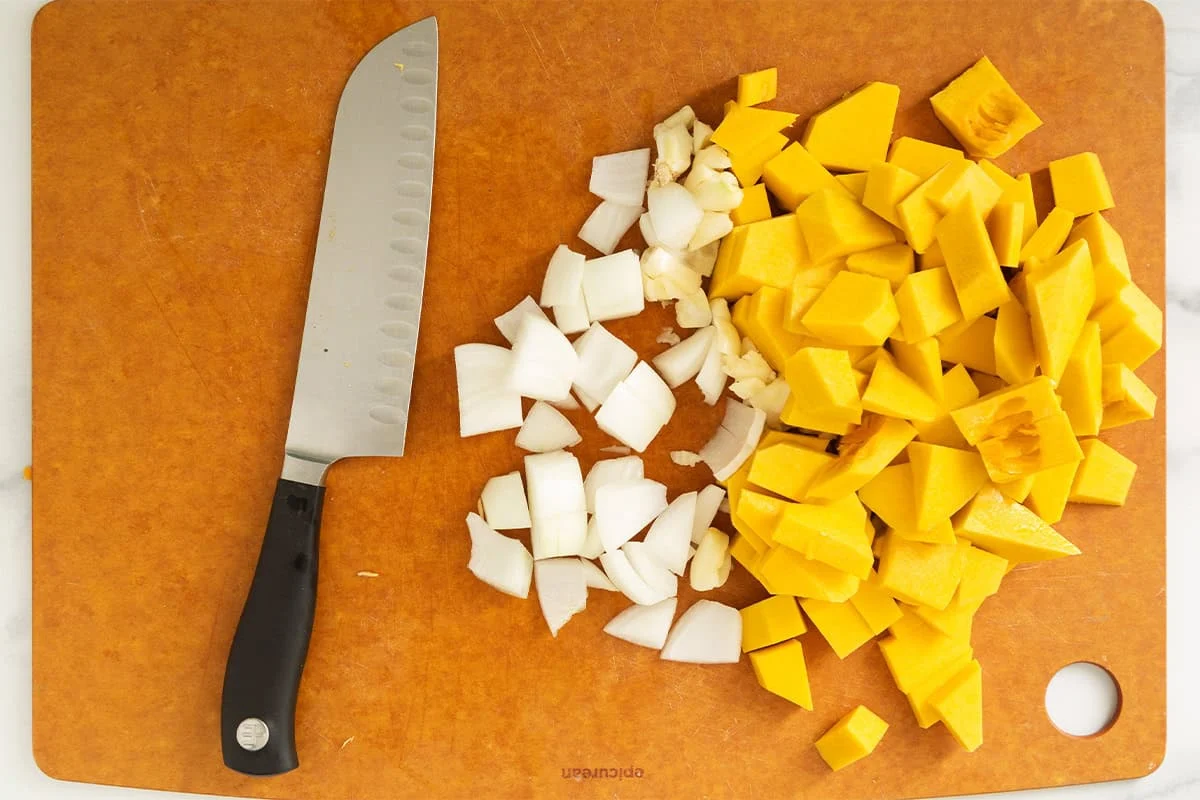
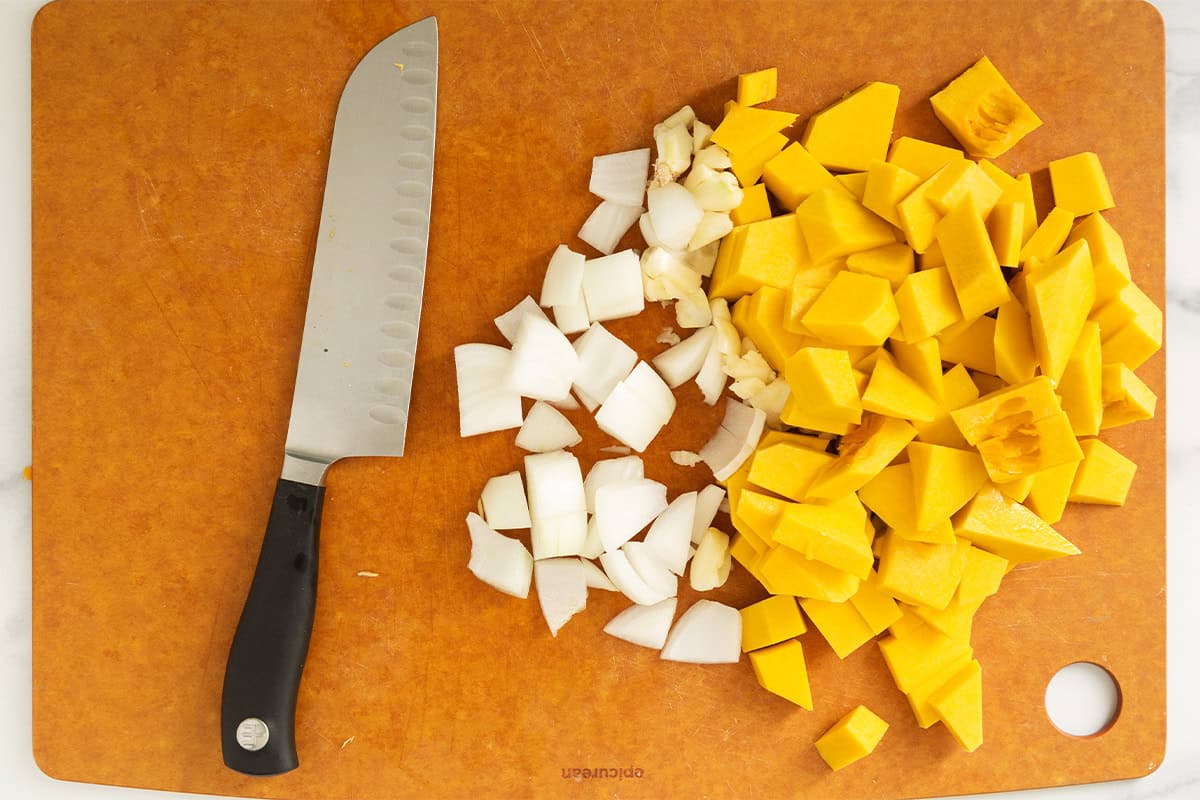
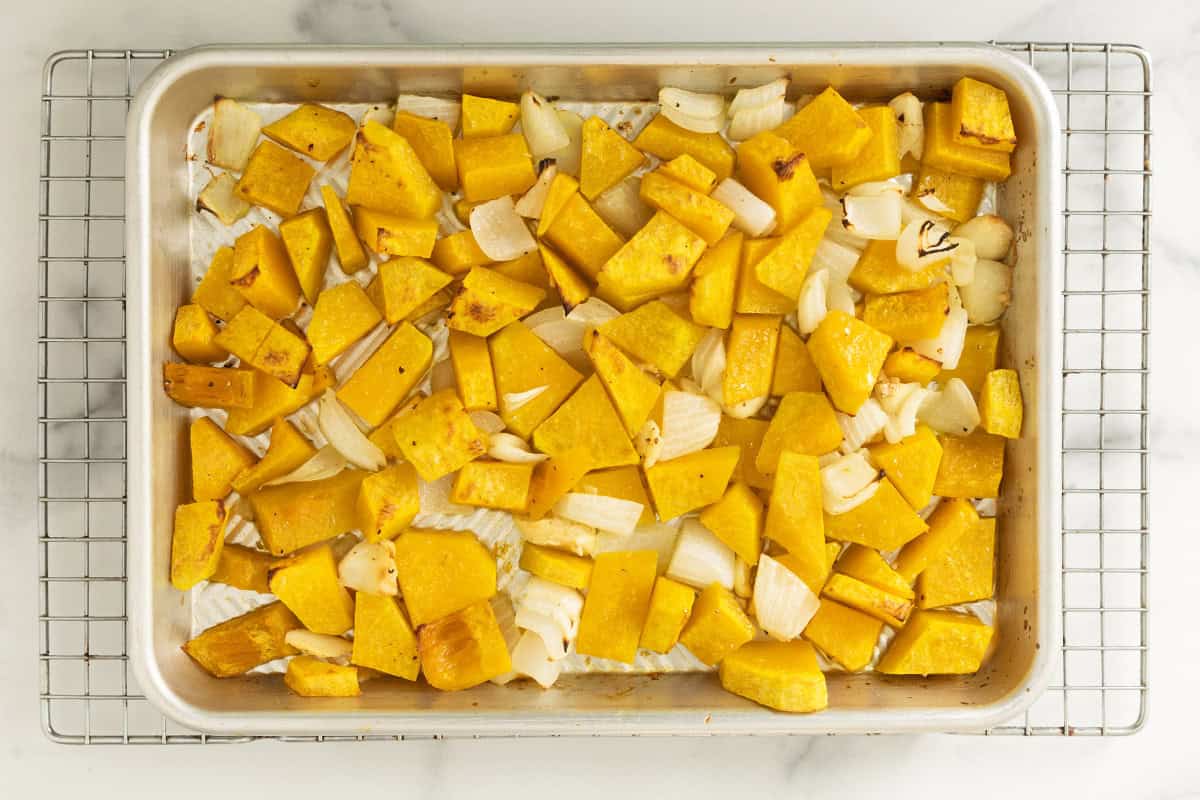
- Vegetable Preparation and Roasting: The process begins with the rough chopping of butternut squash, onions, and garlic. These vegetables are tossed in high-quality olive oil and roasted until tender. Roasting is a critical step; unlike boiling or steaming, roasting reduces the water content of the vegetables, concentrating their flavors and creating a rich, savory base for the sauce.
- The Blending Phase: Once roasted, the vegetables are transferred to a blender. At this stage, liquids such as vegetable or chicken broth are added to achieve the desired consistency. This phase allows for customization; households requiring a dairy-free option can rely solely on broth, while those seeking a creamier texture may incorporate milk or a plant-based alternative.
- Flavor Enhancement: While the base recipe is intentionally mellow to accommodate children, culinary experts suggest the addition of fresh herbs such as thyme or sage during the roasting or blending process. These aromatics provide a sophisticated depth that elevates the dish for adult palates.
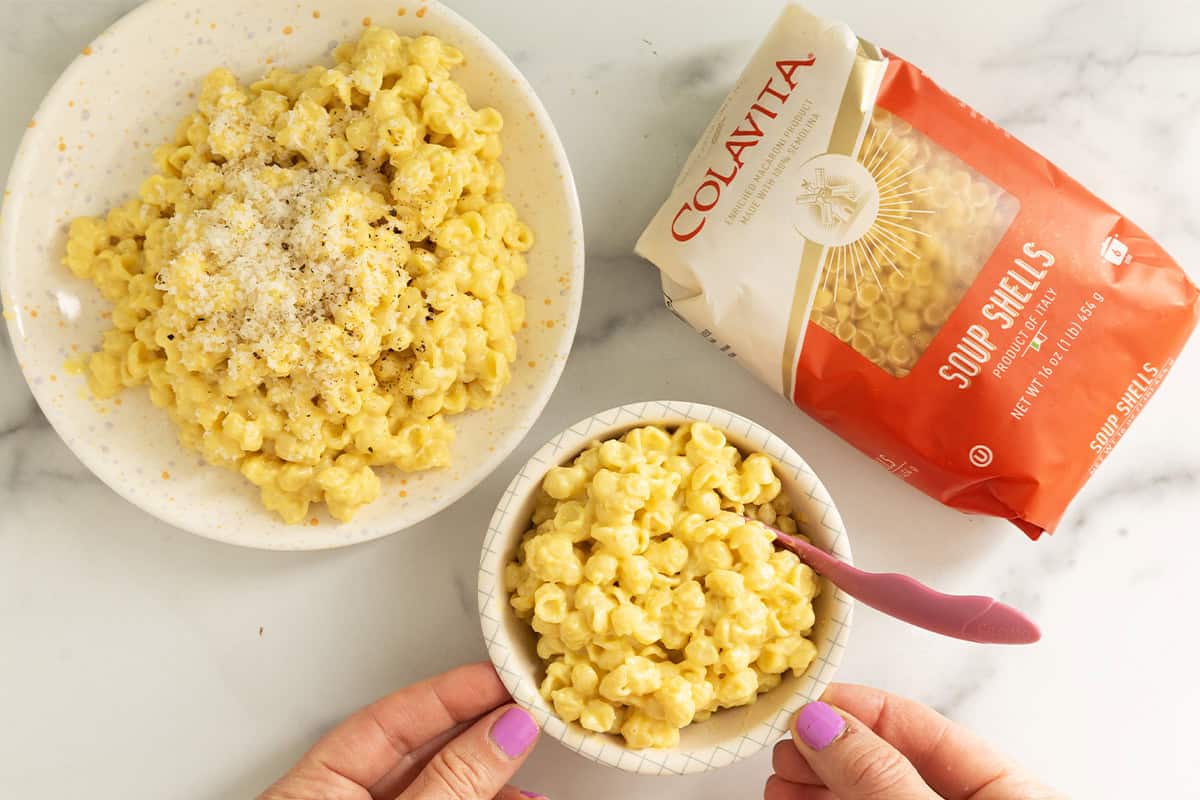
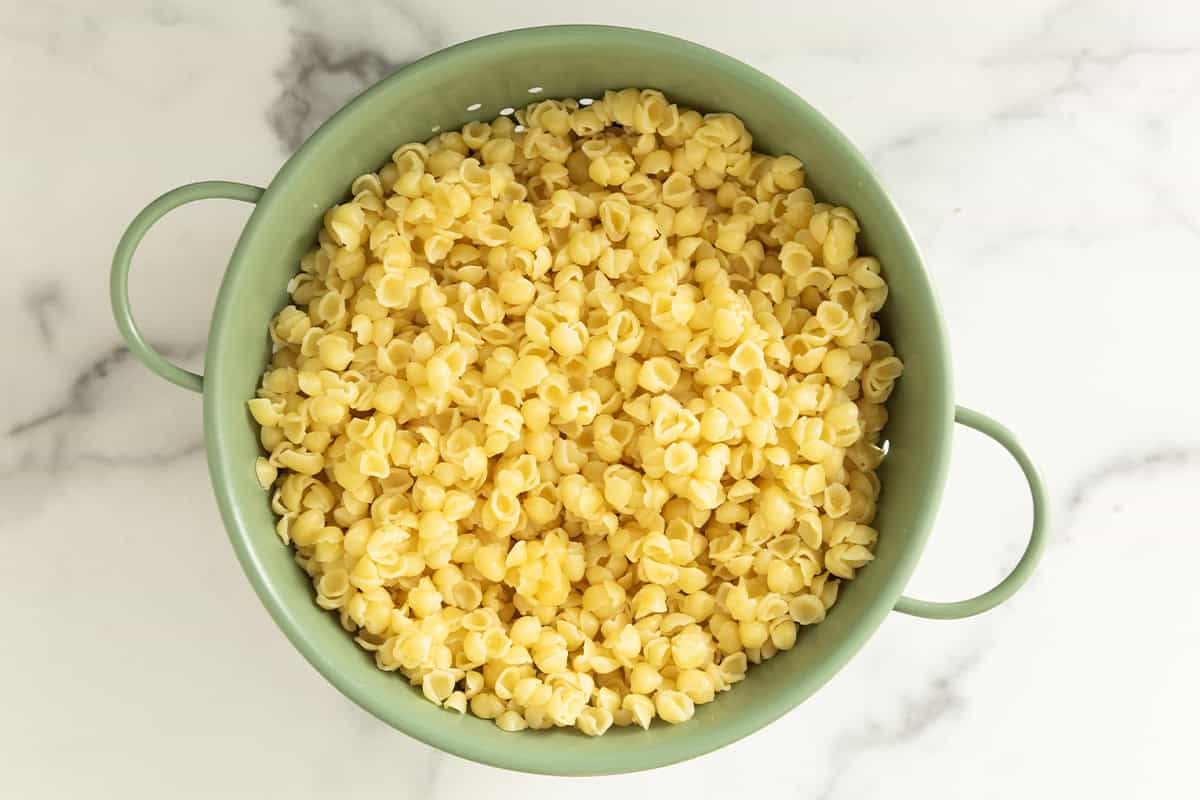
- Integration with Pasta: The final step involves tossing the smooth sauce with a high-quality pasta. The sauce’s ability to cling to various pasta shapes—from rotini to penne—ensures that the nutritional benefits are evenly distributed throughout the meal.
Strategic Meal Planning and Storage Solutions
One of the most significant advantages of this recipe is its compatibility with long-term storage and advanced preparation. In an era where food waste is a growing concern and time is a premium commodity, the ability to freeze and reheat sauces is a vital domestic strategy.
The butternut squash sauce can be prepared up to five days in advance and stored in an airtight container in the refrigerator. For longer-term needs, the sauce is freezer-stable for up to one year. This longevity is due to the high starch content of the squash, which maintains its structural integrity during the freezing and thawing process. When reheating, it is noted that the sauce may thicken; the addition of a small amount of water or broth during the warming process restores its original creamy consistency.
This "make-ahead" capability allows families to buy produce in bulk—particularly during the autumn months when butternut squash is in peak season and most cost-effective—thereby reducing the overall grocery budget while ensuring a steady supply of healthy meals.
The Role of Quality Pantry Staples
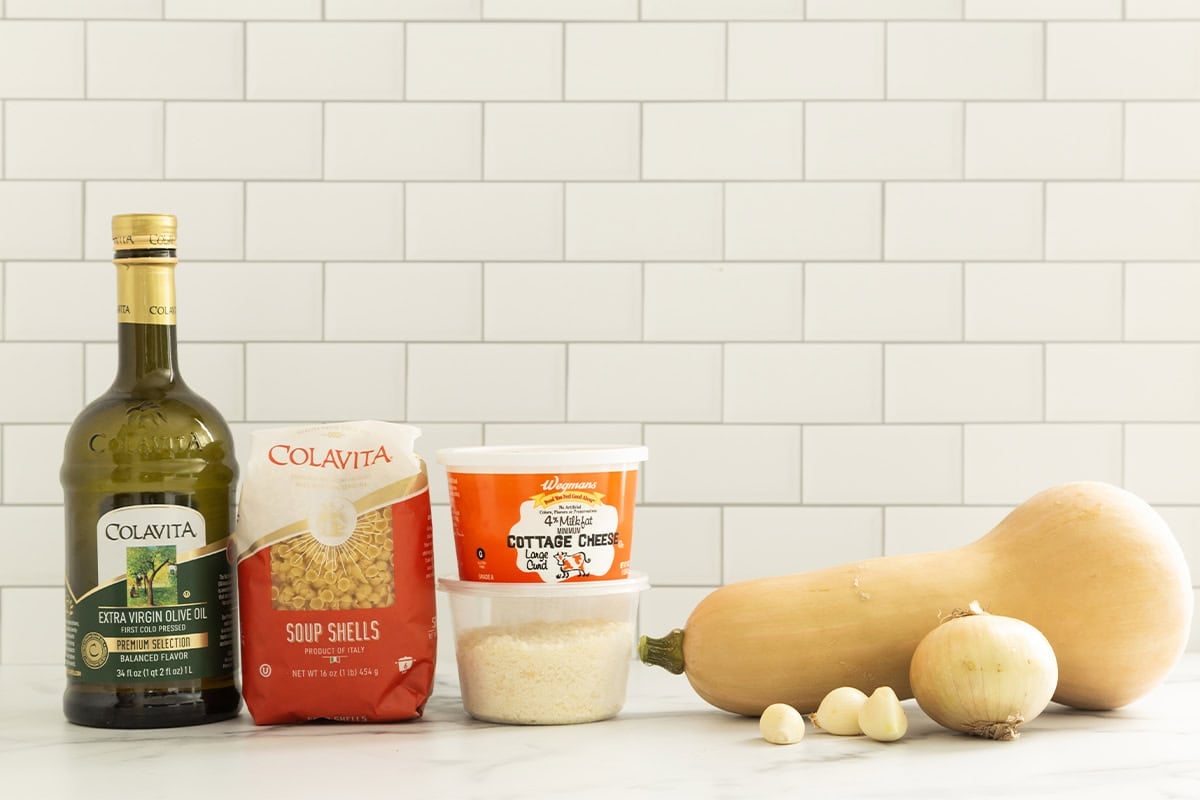
The success of simple, vegetable-forward recipes often relies on the quality of the supporting ingredients. This recipe highlights the importance of pantry staples, specifically olive oil and pasta. The collaboration with Colavita, a family-owned and operated Italian company, underscores a broader consumer trend toward sourcing ingredients with a clear heritage and quality standard.
Olive oil, a fundamental component of the Mediterranean diet, acts as the fat source that carries the fat-soluble vitamins (like Vitamin A) found in the squash. Using cold-pressed extra virgin olive oil ensures that the nutritional integrity of the oil is preserved during the roasting process. Similarly, the choice of pasta is paramount; high-quality semolina pasta provides a better texture and "mouthfeel," which is essential when serving a smooth, blended sauce.
Addressing the Challenge of Selective Eating
Pediatric nutritionists often highlight "food neophobia"—the fear of new foods—as a common hurdle for parents of toddlers. The Pasta with Butternut Squash Sauce addresses this challenge through its "mellow" flavor profile and uniform texture. By blending the onions and garlic into a smooth puree with the squash, the recipe avoids the textural "chunks" that often trigger a rejection response in selective eaters.
Furthermore, the vibrant orange color of the sauce mimics that of traditional macaroni and cheese, a familiar comfort food for many children. This visual similarity can lower the barrier to entry for children who are hesitant to try vegetable-heavy dishes. By providing a bridge between familiar favorites and nutrient-dense produce, the recipe serves as a tool for "palate training," gradually introducing children to more complex vegetable flavors.
Market Trends and Broader Implications
The popularity of recipes like this one is reflective of a larger shift in the global food market. According to recent consumer reports, there is an increasing demand for "hidden veggie" products and home-cooked meals that offer "functional nutrition." Consumers are no longer satisfied with empty calories; they seek meals that provide specific health benefits, such as improved immunity or digestive health.
The rise of plant-based eating has also moved beyond the vegetarian and vegan demographics. "Flexitarian" households—those that still consume meat but actively look to reduce their intake—are driving the demand for vegetable-based sauces. This Pasta with Butternut Squash Sauce fits perfectly into this niche, offering a satisfying, hearty meal that does not rely on meat for flavor or satiety.
From an environmental perspective, the shift toward squash-based sauces is also significant. Root vegetables and squashes have a lower carbon footprint and a longer shelf life than many other types of produce, making them a more sustainable choice for the environmentally conscious consumer.
Conclusion: A Modern Standard for the Family Table
The Pasta with Butternut Squash Sauce is more than a simple recipe; it is a manifestation of modern dietary priorities. It balances the need for high-level nutrition with the practical realities of time-constrained households and the psychological complexities of feeding children.
By utilizing roasting techniques to enhance flavor, leveraging the nutritional power of seasonal produce, and incorporating high-quality pantry staples, this dish provides a blueprint for healthy, sustainable, and enjoyable family dining. As the trend toward plant-forward home cooking continues to grow, versatile and make-ahead solutions like this squash sauce are likely to become permanent fixtures in the global culinary repertoire. Through strategic preparation and an emphasis on quality, households can ensure that dinner remains both a point of connection and a foundation for long-term health.
