

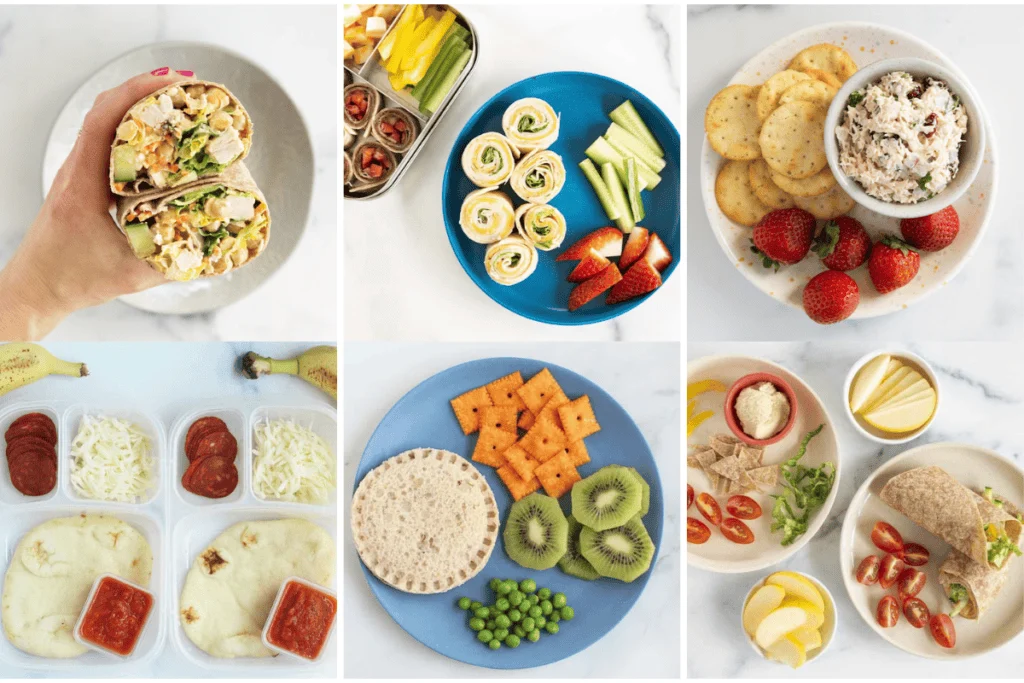
The landscape of childhood nutrition is undergoing a significant shift as parents, educators, and health professionals prioritize meal efficiency without compromising on dietary quality. In an era characterized by demanding professional schedules and rising inflationary pressures on grocery staples, the emergence of "no-cook" lunch strategies has transitioned from a niche convenience to a fundamental pillar of household management. These strategies, which rely on assembly rather than thermal preparation, offer a robust solution to the perennial challenge of providing varied, nutrient-dense meals for children in daycare, school, and summer camp environments. By utilizing accessible, affordable ingredients and streamlined assembly methods, caregivers can navigate the complexities of allergy restrictions and picky eating habits while maintaining a focus on pediatric wellness.
The Evolution of the School Lunch: From Hot Meals to Assembly-Based Nutrition
To understand the current shift toward no-cook lunches, one must examine the historical trajectory of school-age nutrition. For much of the mid-20th century, the "hot lunch" was the gold standard, often provided through institutional programs or labor-intensive home cooking. However, the late 20th century saw a surge in ultra-processed, pre-packaged convenience meals, which, while time-efficient, often lacked essential micronutrients and were high in sodium and preservatives.

The current "no-cook" movement represents a third wave in this evolution. It combines the speed of the convenience era with the nutritional integrity of the whole-foods era. This methodology relies on the "cold assembly" of high-quality components, such as lean proteins, whole grains, and fresh produce. The shift is supported by the modernization of food storage technology, including high-efficiency insulated lunch bags and multi-compartment bento boxes, which allow for the safe transport of perishable items without the need for reheating.
Economic and Nutritional Data: The Case for DIY Assembly
Data from recent consumer price index (CPI) reports indicate that the cost of pre-packaged convenience meals has risen disproportionately compared to bulk raw ingredients. For example, a standard store-bought lunch kit can cost between 150% and 300% more per ounce than the same components purchased separately and assembled at home. Furthermore, nutritional analysis reveals that DIY versions of popular items, such as crustless sandwiches or "lunchable-style" trays, typically contain 40% less sodium and significantly fewer artificial stabilizers than their commercial counterparts.

Pediatric nutritional guidelines emphasize the importance of a balanced intake of macronutrients—carbohydrates for energy, proteins for growth, and healthy fats for brain development. No-cook lunches are uniquely positioned to meet these needs through the inclusion of items like canned wild salmon (rich in Omega-3 fatty acids), hummus (a source of plant-based protein and fiber), and fresh fruit.
Categorization of High-Efficiency No-Cook Models
The implementation of a successful no-cook lunch program relies on several core "models" of assembly. These models are designed to be versatile, allowing for daily variations that prevent "palate fatigue" in children.
The Protein-Based Salad Model
Utilizing shelf-stable or pre-cooked proteins is a cornerstone of the no-cook philosophy. Canned chicken and salmon serve as the primary examples. When mixed with mild binders like Greek yogurt or avocado-based mayonnaise, these proteins become palatable spreads.

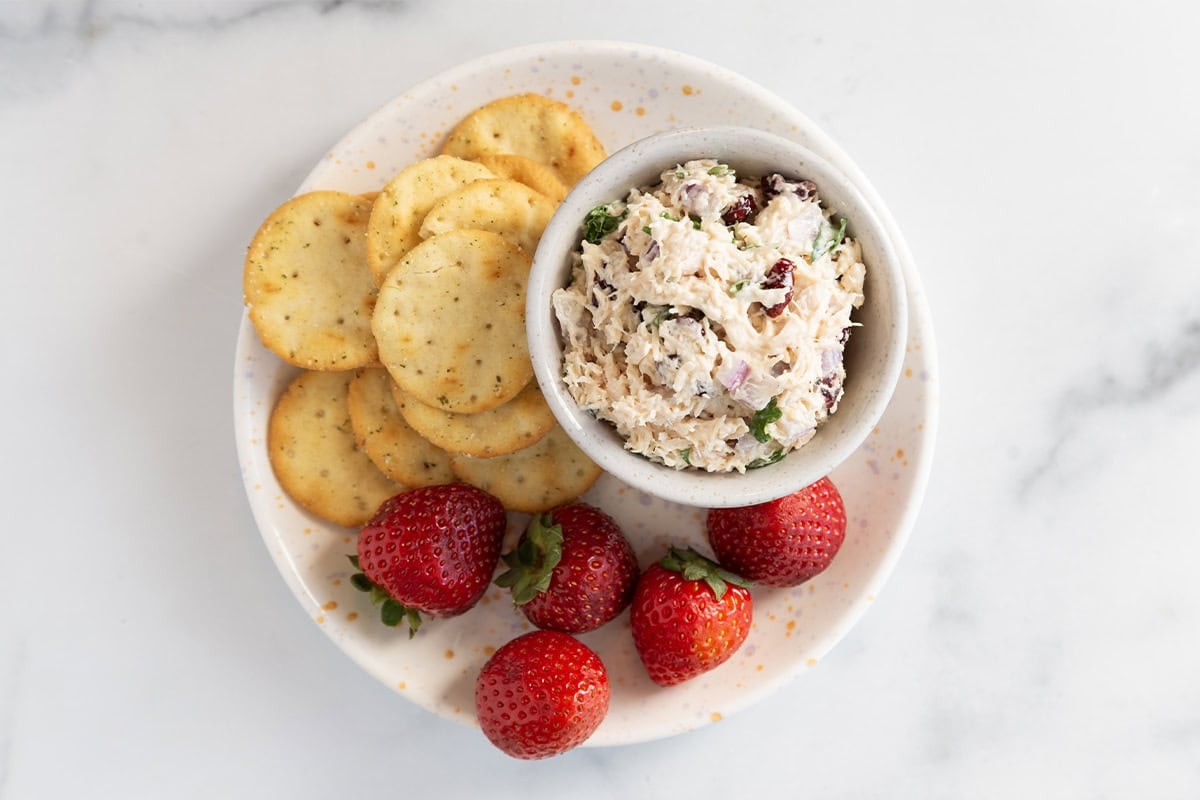
- Chicken Salad: By using canned chicken, caregivers can bypass the time-consuming process of roasting or poaching poultry. This provides a lean protein source that can be served with crackers, atop a bed of greens, or inside a whole-grain wrap.
- Salmon Salad: This offers a critical boost of calcium and healthy fats. The use of mild relishes or finely diced celery adds texture without requiring heat, making it an ideal five-minute preparation for high-nutrient density.
The Wrap and Pinwheel Model
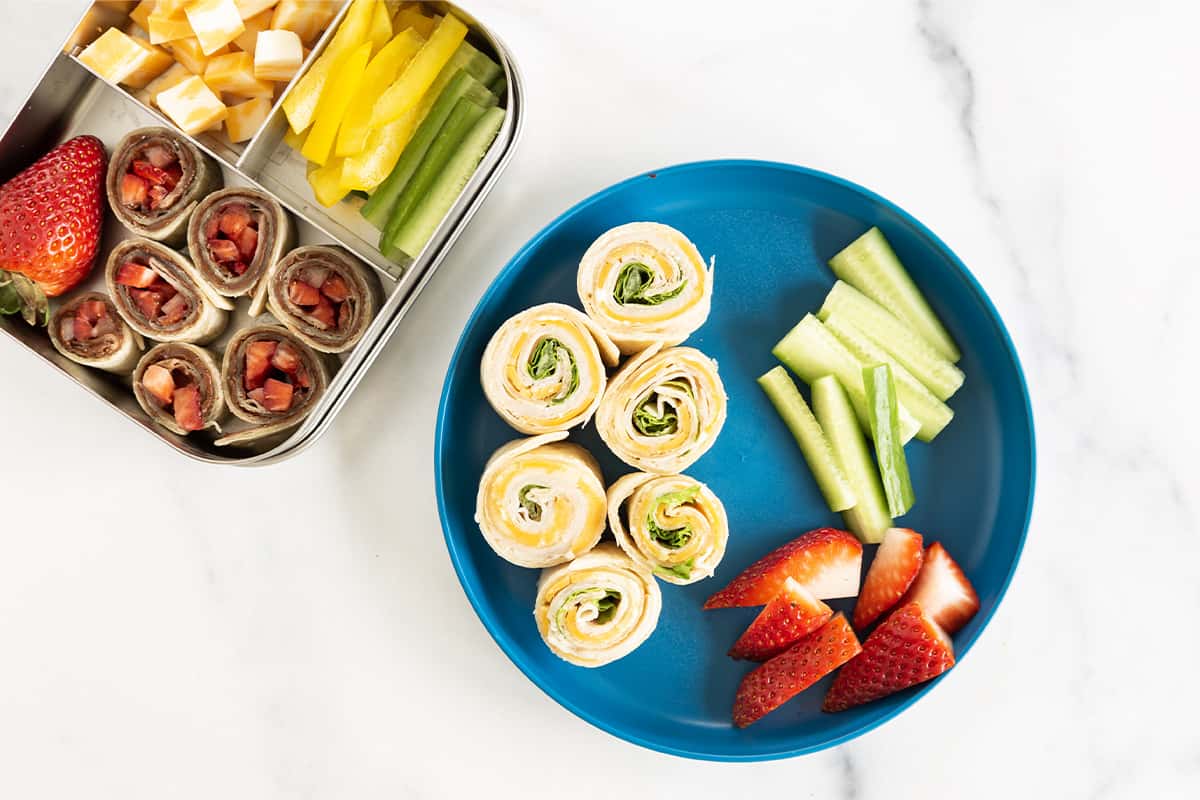
Wraps and pinwheels offer a structural alternative to the traditional sandwich, which can often become soggy during transit.
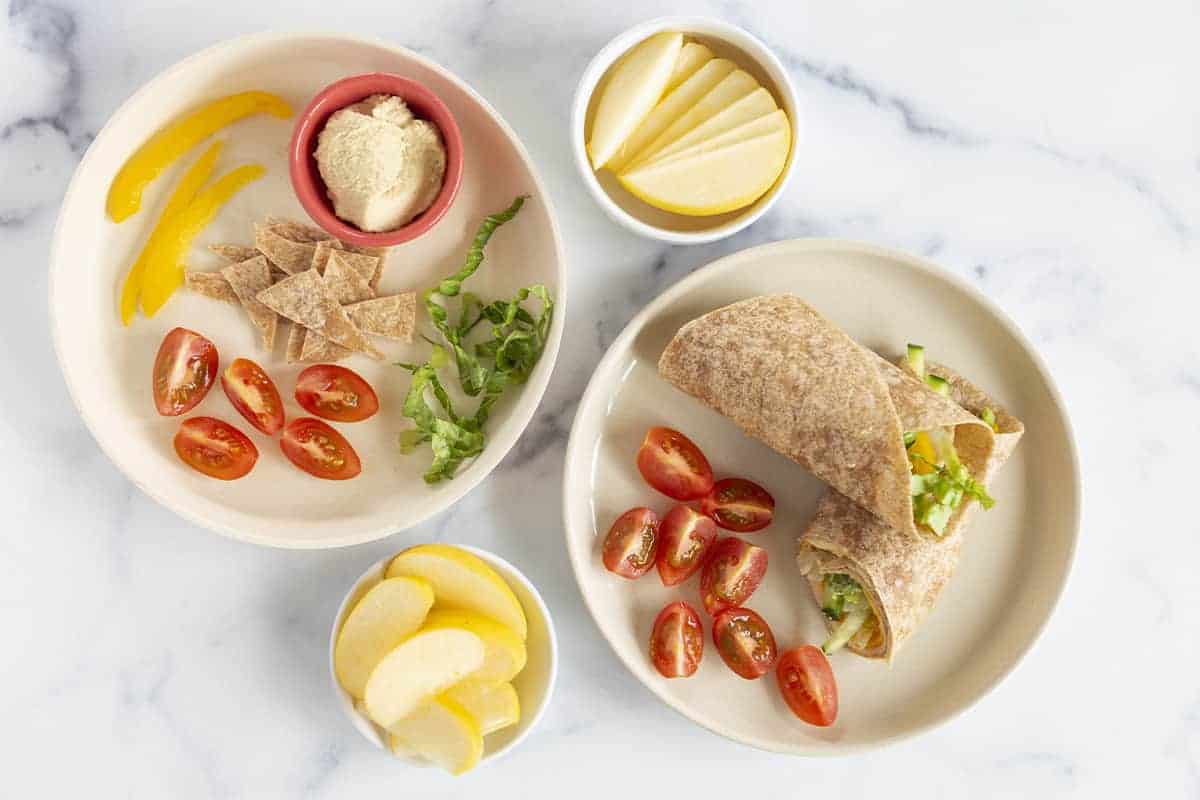
- Hummus Wraps: As a vegetarian staple, hummus provides both protein and fiber. When combined with shredded carrots or spinach, it creates a colorful, high-contrast meal that appeals to visual learners.
- Turkey and Salad Wraps: These utilize deli-sliced meats or hearty greens. The "pinwheel" technique—slicing a rolled wrap into bite-sized rounds—makes the meal more manageable for toddlers and improves the "fun factor," which is a documented driver of food acceptance in early childhood.
The Deconstructed Lunchable Model
The "snacky lunch" or homemade lunchable is perhaps the most versatile of all no-cook options. By separating components into compartments, caregivers can cater to children who prefer that different food groups do not touch.
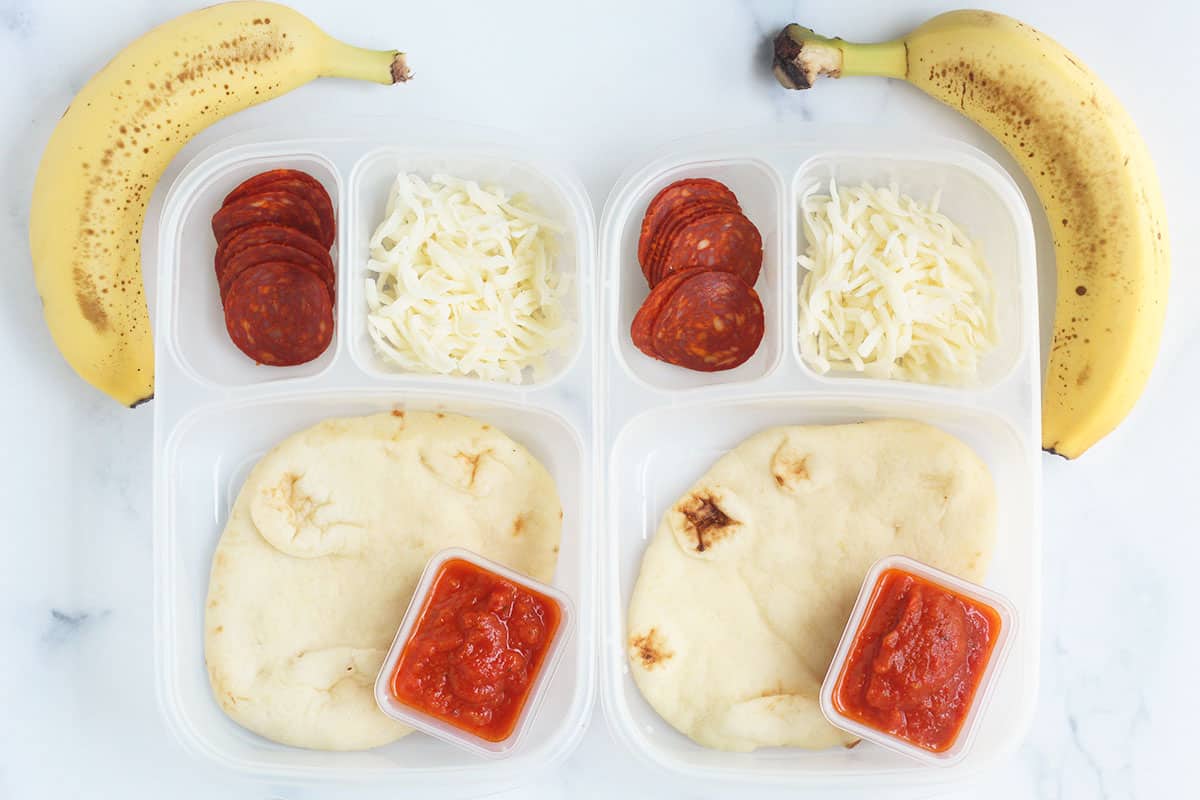
- Pizza Lunchables: Utilizing whole-wheat pita bread or crackers as a base, children can assemble their own "pizzas" with cold marinara sauce and shredded mozzarella. This interactive element has been shown to increase a child’s interest in their meal.
- Traditional Lunchables: High-quality cheese cubes, lean ham or turkey, and whole-grain crackers provide a balanced ratio of fats, proteins, and complex carbohydrates at a fraction of the commercial cost.
Specialized Solutions for Picky Eaters and Allergies
One of the primary benefits of the no-cook approach is the ease of customization. Institutional responses from school boards across North America have seen a tightening of "nut-free" policies due to the rise in life-threatening allergies. No-cook lunches easily adapt to these requirements.
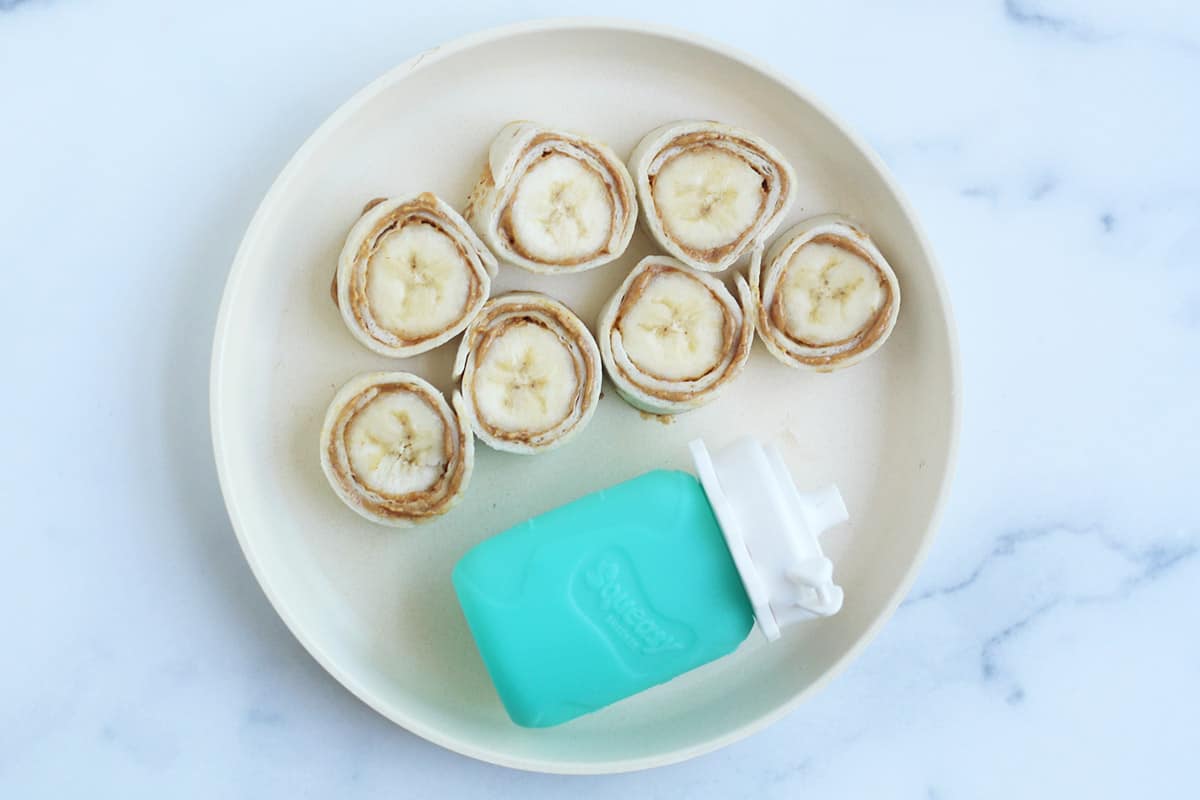
- Banana Sushi: This 3-ingredient recipe uses a tortilla, a banana, and a seed butter (such as sunflower butter) to mimic the appearance of sushi. It provides potassium and energy-dense fats in a nut-free format that is prepared in under five minutes.
- Tea Sandwiches: For children who struggle with large portions, tea sandwiches offer a low-pressure way to consume varied fillings. These can be prepared with simple ingredients like cucumbers and cream cheese or egg salad, utilizing different bread types to increase exposure to fiber.
- Homemade Uncrustables: Commercial crustless sandwiches are often criticized for their high sugar content. The DIY version allows parents to use low-sugar fruit spreads and whole-grain breads. These can be made in bulk and frozen, serving as a "grab-and-go" option that thaws by lunchtime.
Logistical Framework: Storage and Food Safety
The safety of no-cook lunches is contingent upon maintaining the "cold chain." Microbiologists note that perishable items should not remain in the "danger zone" (40°F to 140°F) for more than two hours.
To mitigate this, the following logistical standards are recommended:
- Insulated Containment: Use of dual-layered insulated bags.
- Gel Packs: Inclusion of at least two frozen gel packs per lunch box to ensure the internal temperature remains below 40°F.
- Pre-Chilling: Placing containers in the refrigerator overnight before packing them the next morning.
- Airtight Sealing: Preventing cross-contamination and maintaining the texture of items like crackers or bread.
Broader Impact and Social Implications
The transition to no-cook, DIY lunches carries implications beyond individual nutrition. From an environmental perspective, the reduction in single-use plastic packaging associated with pre-packaged kits contributes to household sustainability goals. Socially, the "mental load" of parenting is significantly reduced when the pressure of morning cooking is removed.

Furthermore, involving children in the assembly of these no-cook meals serves as an early introduction to food literacy. Analysis suggests that children who participate in meal preparation are more likely to try new foods and develop a healthier relationship with eating in adolescence. By choosing "no-cook" options, parents are not merely choosing the path of least resistance; they are choosing a structured, data-backed method of nourishing their children in a fast-paced world.
Conclusion and Future Outlook
As we look toward the future of pediatric nutrition, the "no-cook" lunch is likely to remain a permanent fixture. The combination of economic necessity, nutritional science, and logistical ease creates a compelling case for this assembly-based approach. Whether it is a simple muffin-based lunch supplemented with protein or a sophisticated salad wrap, these meals prove that the absence of heat does not mean an absence of health. By mastering the art of the assembly-based lunch, caregivers can ensure that the next generation is fueled by whole, nutritious, and safe food, regardless of how busy the morning schedule may be.
