

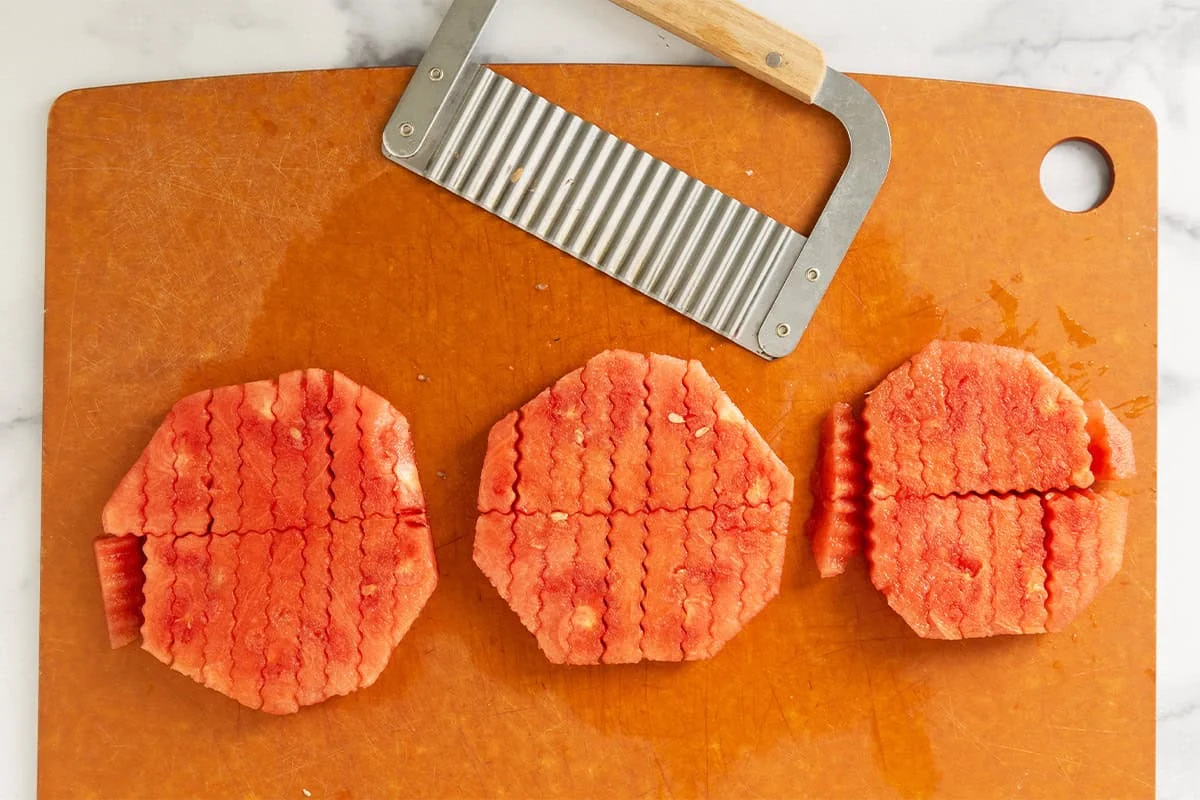
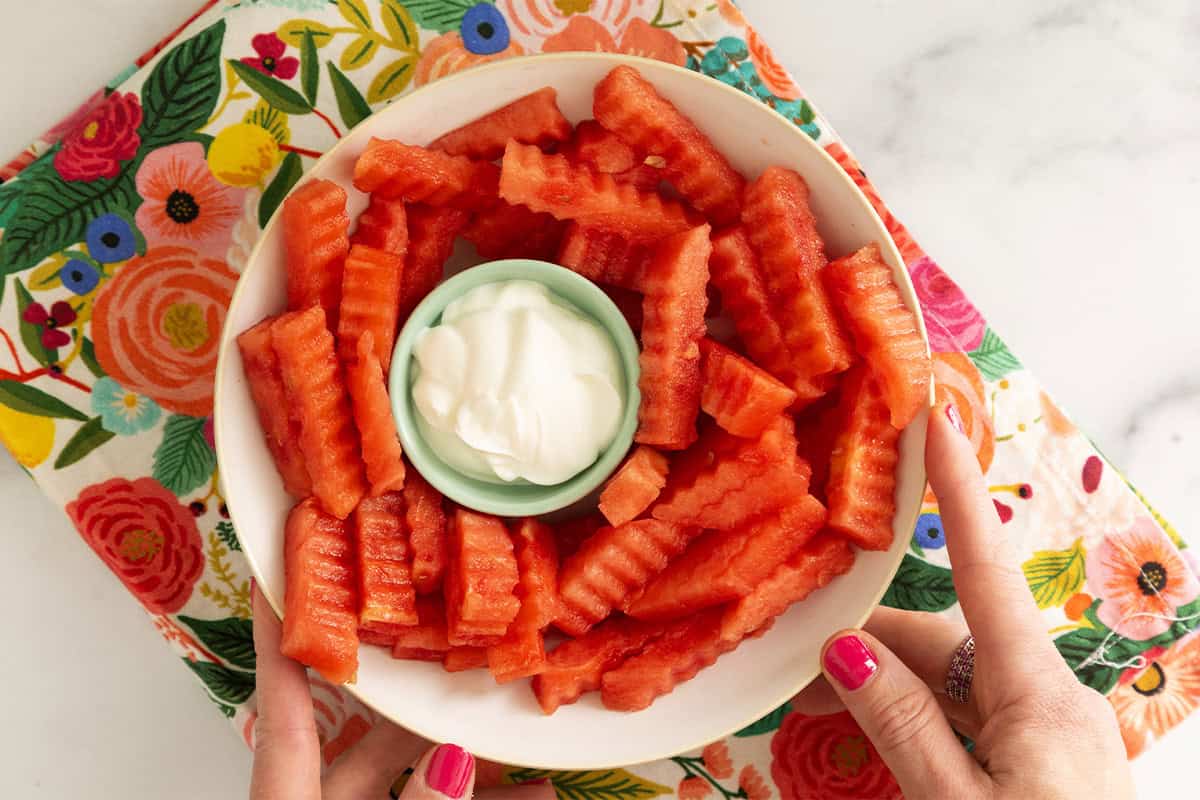
The culinary landscape for pediatric nutrition is undergoing a significant shift as caregivers and health professionals seek innovative methods to increase fruit and vegetable consumption among children. A prominent example of this trend is the emergence of "Watermelon Fries," a creative preparation technique that transforms standard fruit servings into a visually engaging format reminiscent of traditional fast food. By utilizing a crinkle cutter or zig-zag slicer to shape fresh watermelon into strips, this method leverages the psychological appeal of familiar finger foods to encourage healthier eating habits. This approach is not merely a aesthetic choice but a strategic response to the ongoing challenge of meeting daily nutritional requirements in toddlers and young children, providing a versatile option that functions as both a standalone snack and a sophisticated appetizer for social gatherings.
The Evolution of the Fruit-Based Snack Market
The introduction of Watermelon Fries represents a broader evolution in the "healthy snack" sector, which has seen a move away from heavily processed fruit leathers and sugary "fruit-flavored" snacks toward whole-food alternatives. Historically, the challenge for parents has been the rejection of whole fruits due to texture, size, or simple lack of interest. Data from pediatric nutrition studies suggest that food presentation significantly impacts a child’s willingness to try new items—a phenomenon often referred to as "food neophobia." By altering the geometry of the fruit to mimic "French fries," caregivers can bypass some of the behavioral resistance associated with traditional fruit slices.
Furthermore, the simplicity of the preparation process—requiring only a watermelon and a specialized cutting tool—positions it as an accessible solution for busy households. Unlike complex recipes that require baking or extensive prep time, Watermelon Fries can be produced in minutes and stored for up to five days in an airtight container, making them a viable component of weekly meal planning. This efficiency is critical in a market where consumers are increasingly prioritizing both nutritional density and convenience.
Comprehensive Nutritional Analysis
From a clinical standpoint, Watermelon Fries offer a robust nutritional profile that supports various aspects of childhood development. According to standardized nutritional data for a one-cup serving, the snack provides approximately 169 calories, primarily derived from 42 grams of carbohydrates. While the sugar content stands at 35 grams, these are naturally occurring sugars accompanied by 2 grams of dietary fiber, which aids in a more gradual glucose absorption compared to refined sugars.
The micronutrient density is particularly noteworthy. A single serving contains 3,201 IU of Vitamin A and 46 milligrams of Vitamin C, both of which are essential for immune function and skin health. Additionally, the snack provides 630 milligrams of potassium and 39 milligrams of calcium, contributing to bone health and electrolyte balance. The high water content of watermelon—typically around 92%—makes it an exceptional source of hydration, which is vital during warm weather or high-activity periods. The absence of significant fat (1g) and low sodium levels (6mg) further align this snack with the dietary guidelines established by major health organizations for pediatric heart health and weight management.
Technical Preparation and Food Safety Protocols
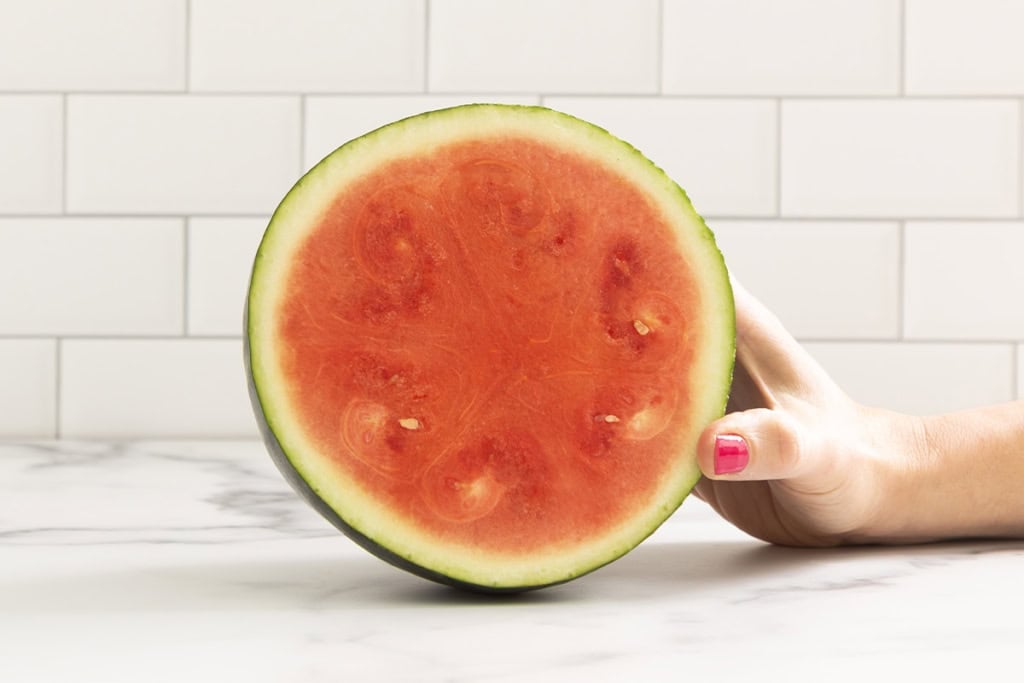
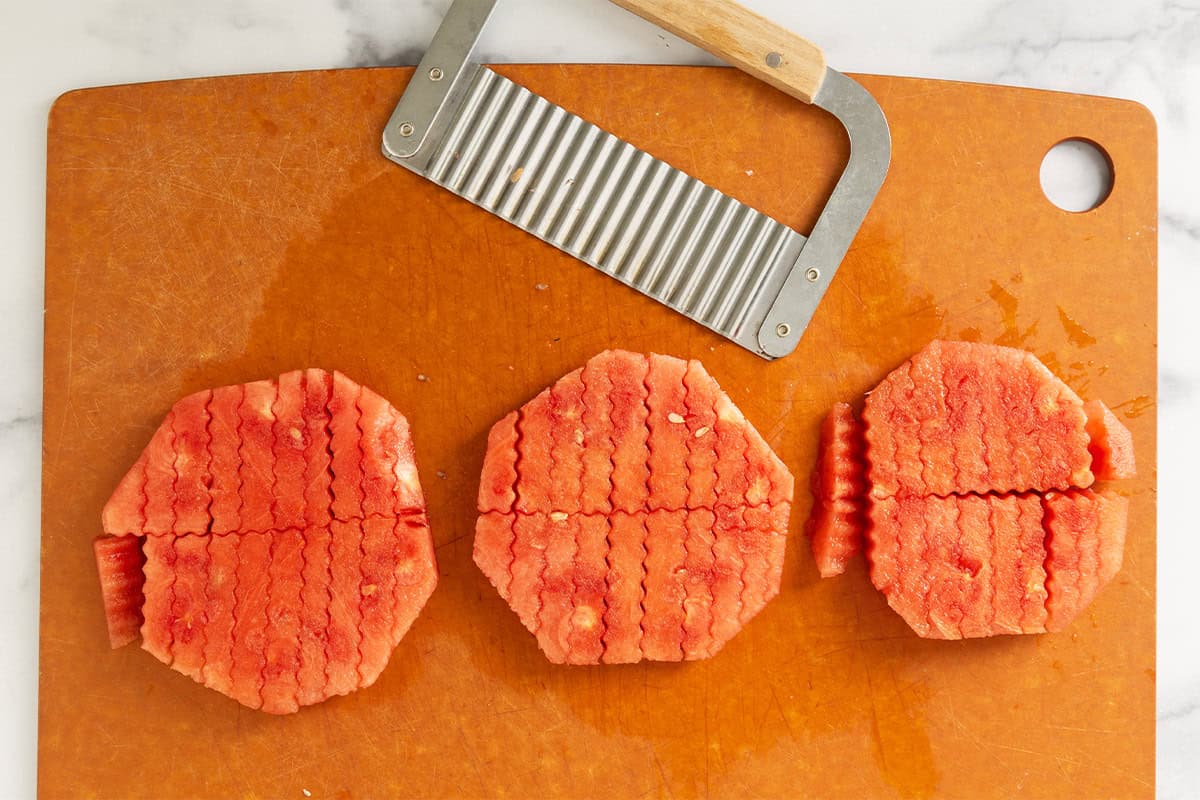
The methodology for creating Watermelon Fries involves specific steps to ensure both visual consistency and food safety. The process begins with the selection of a ripe, firm watermelon, which provides the structural integrity necessary for the "fry" shape. Using a crinkle cutter or zig-zag slicer, the fruit is segmented into uniform strips. This specific tool is integral to the process, as the ridges created by the blade increase the surface area for dips and provide a tactile experience that differs from smooth-cut fruit.
Safety and storage are paramount in the preparation of fresh produce. Industry standards suggest that once the rind is breached, the internal flesh of the watermelon is susceptible to bacterial growth if not handled correctly. Recommendations for Watermelon Fries include:
- Sanitization: Thoroughly washing the exterior of the watermelon before cutting to prevent the transfer of pathogens from the rind to the flesh.
- Temperature Control: Maintaining the cut fries at or below 40°F (4°C) to preserve texture and safety.
- Longevity: Storing the product in airtight containers to prevent dehydration and the absorption of odors from other refrigerated items.
The versatility of the crinkle-cutting technique extends beyond watermelon. Culinary experts note that the same method can be applied to mangoes, apples, cantaloupes, and pears, allowing for a "medley" of fruit fries that can be adapted based on seasonal availability.
The Psychology of Presentation and Dipping Culture
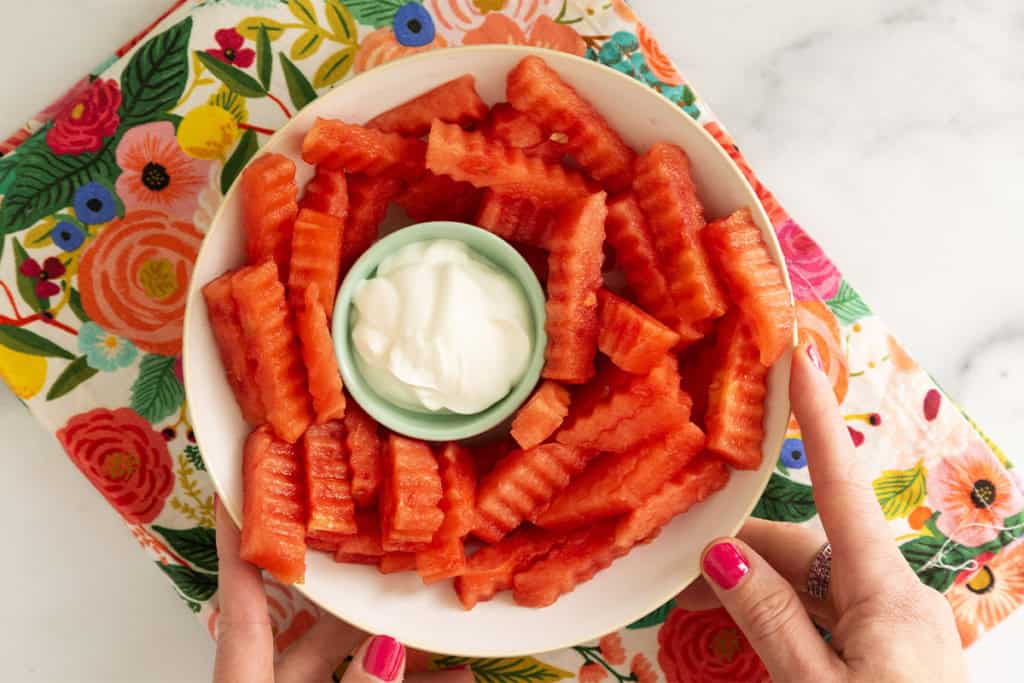
The success of Watermelon Fries is largely attributed to the "dip" culture that permeates modern snacking. Providing a side component, such as yogurt dip, whipped cream, or even a thin chocolate shell, introduces an element of interactivity to the meal. This "interactive eating" has been shown in behavioral studies to increase the duration of mealtime and the total volume of healthy food consumed by children.
Potential pairings for Watermelon Fries include:
- Protein-Rich Dips: Blended cottage cheese or Greek yogurt-based dips add a protein component to the carbohydrate-heavy snack.
- Dairy-Free Alternatives: Coconut yogurt or nut-based creams cater to children with lactose sensitivities or vegan dietary requirements.
- Flavor Enhancements: The application of lime zest or a light dusting of sprinkles can further elevate the sensory profile of the dish without significantly compromising its nutritional integrity.
Chronology of the Healthy Snacking Movement
To understand the rise of Watermelon Fries, one must look at the timeline of pediatric dietary trends over the last three decades:
- 1990s: The era of "low-fat" processed snacks, where high-sugar fruit snacks and "Gushers" were marketed as healthy due to their lack of fat, despite high fructose corn syrup content.
- 2000s: Increased awareness of childhood obesity leads to a push for "100% fruit juice" and the removal of soda from schools, though sugar intake remains high.
- 2010s: The "Whole Food" movement gains traction. Parents begin seeking ways to serve raw produce that can compete with the visual appeal of fast food.
- 2020s: The "Aesthetic Nutrition" era, driven by social media and food blogging. Ideas like Watermelon Fries go viral, providing parents with actionable, visually pleasing ways to serve basic ingredients.
This chronology illustrates a clear shift toward transparency in ingredients and a return to "kitchen-table" preparation methods.
Economic and Agricultural Context
The promotion of watermelon-based snacks also has implications for the agricultural sector. Watermelon is a high-yield crop that is seasonally abundant in many regions. By encouraging the use of the "giant watermelon"—as noted in the original recipe context—consumers are effectively reducing food waste. Often, large produce items are partially consumed and the remainder is discarded; however, the ability to prep and store fries for five days encourages full utilization of the fruit.
Market analysts suggest that the demand for specialized kitchen tools, such as crinkle cutters, has seen a correlated increase with the rise of these food trends. This indicates a consumer base that is willing to invest in small-scale hardware to facilitate healthier lifestyle choices at home.
Expert Reactions and Public Health Implications
Public health officials and pediatricians have generally reacted positively to the "fruit-as-fries" concept. While some caution against the excessive use of high-sugar dips (like chocolate or heavy creams), the consensus remains that any strategy which increases the intake of raw fruit is a net positive for public health.
"The goal is to bridge the gap between what children want to eat and what their bodies need," says a hypothetical pediatric nutritionist reflecting on the trend. "Watermelon Fries successfully use the ‘familiarity heuristic’—the idea that we like things that look like things we already know we like. If a child likes potato fries, they are statistically more likely to try a fruit cut in the same shape."
The broader impact of these small dietary shifts can be significant. By establishing a positive relationship with fruit at a young age, caregivers are setting the foundation for long-term health. The fiber, vitamins, and antioxidants found in watermelon play a role in preventing chronic diseases, including hypertension and certain types of inflammation, later in life.
Conclusion: The Future of Creative Produce
As the culinary world continues to innovate, the concept of Watermelon Fries serves as a blueprint for future snack development. It highlights the importance of form, function, and fun in the kitchen. Moving forward, it is likely that more fruits and vegetables will be "rebranded" through creative cutting and serving techniques. Whether served as a quick toddler snack on a humid afternoon or as a centerpiece at a first birthday party, Watermelon Fries represent a successful intersection of nutritional science and domestic creativity. They prove that with the right tools and a bit of imagination, the simplest ingredients can be transformed into a compelling, healthy, and delicious experience for the next generation of eaters.
