

The Scientific Mechanism of Flash-Freezing Lipids
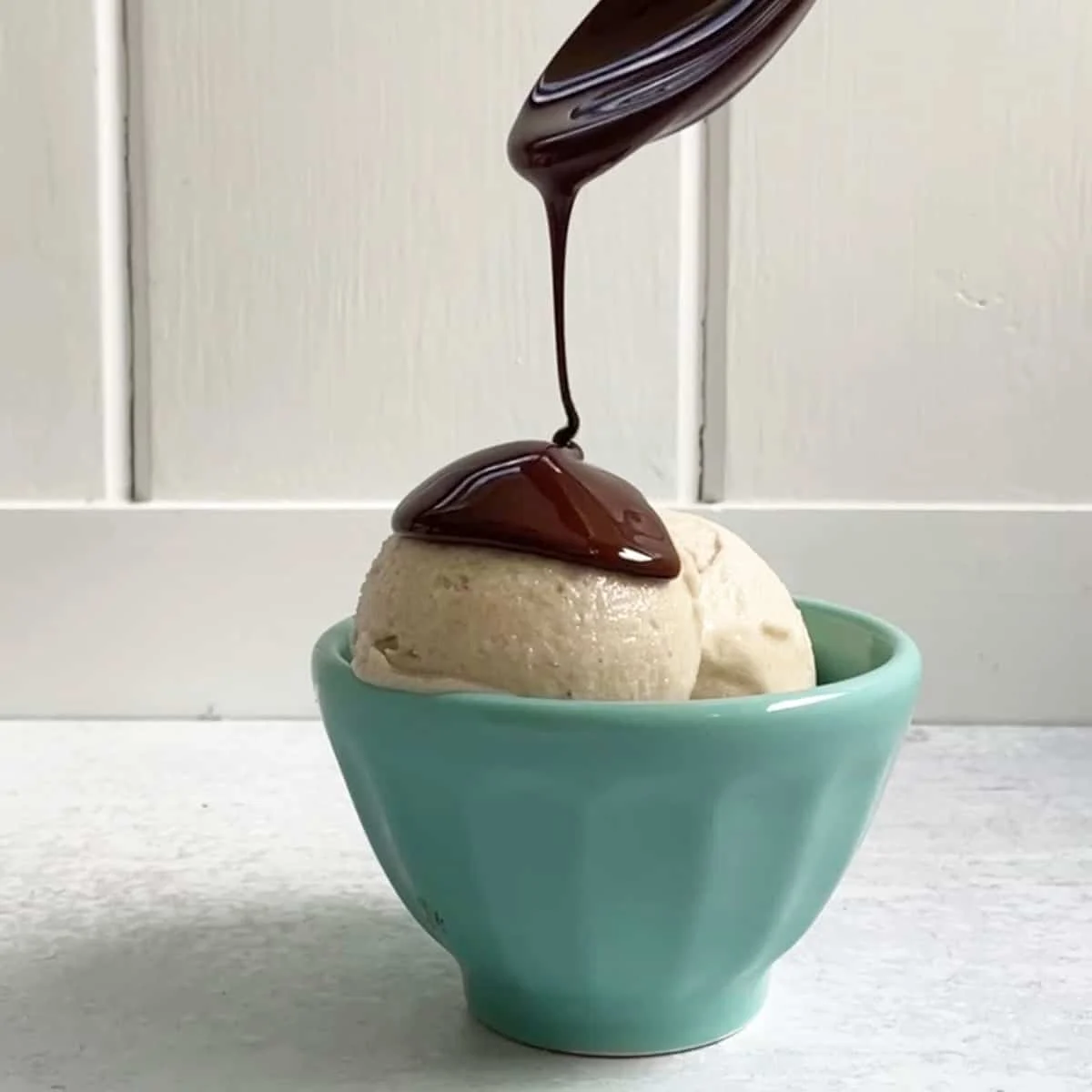
To understand why this specific combination of ingredients creates a "magic" effect, one must examine the chemical properties of coconut oil. Unlike many other vegetable oils, coconut oil is exceptionally high in saturated fats, particularly lauric acid. This molecular structure gives the oil a relatively high melting point of approximately 76°F (24°C). At room temperature, the oil may be liquid or solid depending on the climate, but when its temperature drops below its freezing point—as it does instantly when drizzled over ice cream stored at 0°F—it undergoes a rapid phase transition.
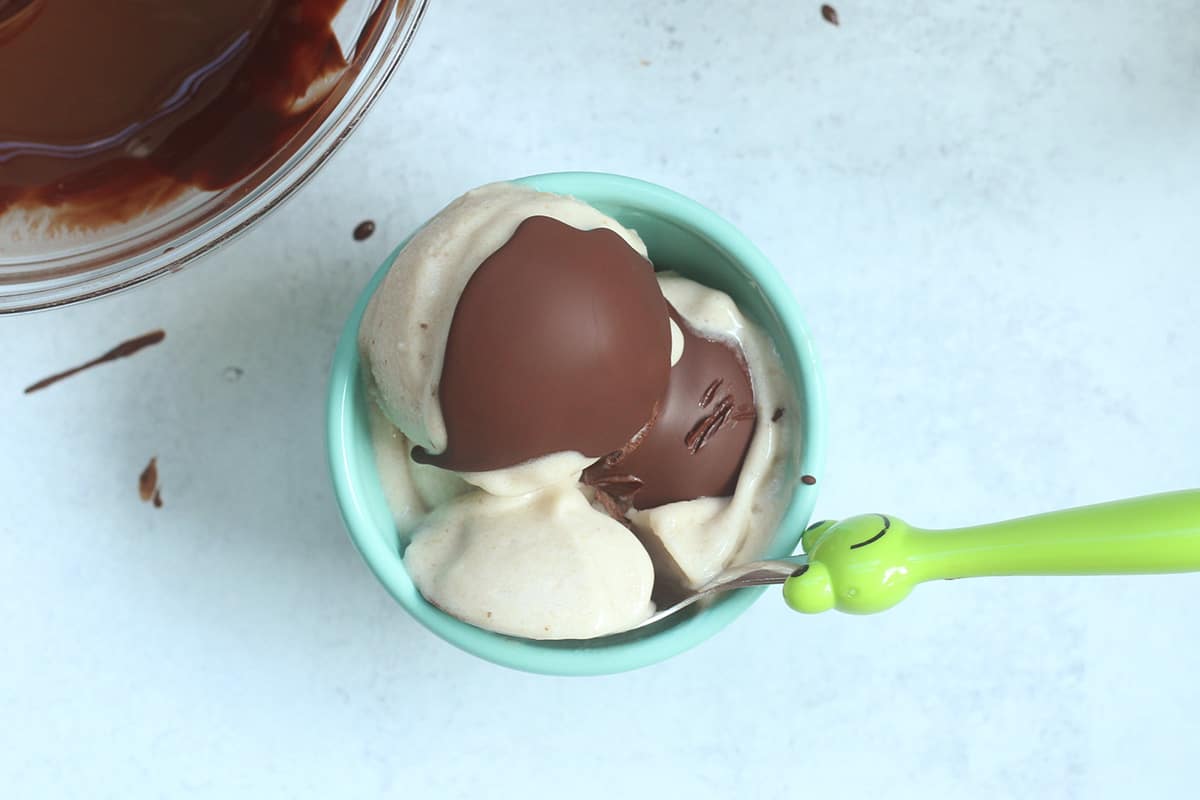
When chocolate is melted with coconut oil, the oil acts as a thinning agent, creating a glossy, pourable ganache. However, the moment this mixture encounters a frozen medium, the coconut oil molecules realign into a solid lattice structure, trapping the cocoa solids within. This results in a brittle, snappy shell that shatters under the pressure of a spoon. Commercial varieties often substitute coconut oil with hydrogenated oils or sunflower oil combined with emulsifiers to achieve a similar effect, but these often lack the clean "melt-in-the-mouth" quality provided by pure coconut oil.
Comparative Analysis: Homemade vs. Commercial Formulations
A critical examination of the nutritional and ingredient profiles reveals significant differences between DIY magic shells and leading commercial brands. Standard grocery store options frequently list sugar as the primary ingredient, followed by a blend of coconut oil, palm oil, and cocoa processed with alkali. Many also contain soy lecithin for emulsification and artificial flavorings to mask the taste of the processed fats.
In contrast, the two-ingredient homemade version focuses on nutrient density and simplicity. A standard serving of the homemade shell contains approximately 75 calories, with the following nutritional breakdown:
- Total Fat: 5g (primarily saturated fat from coconut oil)
- Carbohydrates: 6g
- Sugars: 4g
- Fiber: 0.4g
- Sodium: 12mg
- Protein: 1g
The homemade version effectively reduces the "waxiness" associated with commercial shells. Furthermore, because the recipe relies on the inherent qualities of the chocolate used, the antioxidant profile—specifically the flavonoids found in dark chocolate—is preserved. For parents and health-conscious consumers, this reduction in additives and the ability to use organic or fair-trade ingredients represents a significant advantage in the modern food landscape.
Technical Preparation and Chronology
The preparation of a magic chocolate shell is a study in thermal management. The process requires less than five minutes of active labor but demands attention to detail to prevent the chocolate from "seizing"—a state where the chocolate becomes clumped and gritty due to the introduction of moisture or excessive heat.
Phase 1: Ingredient Integration
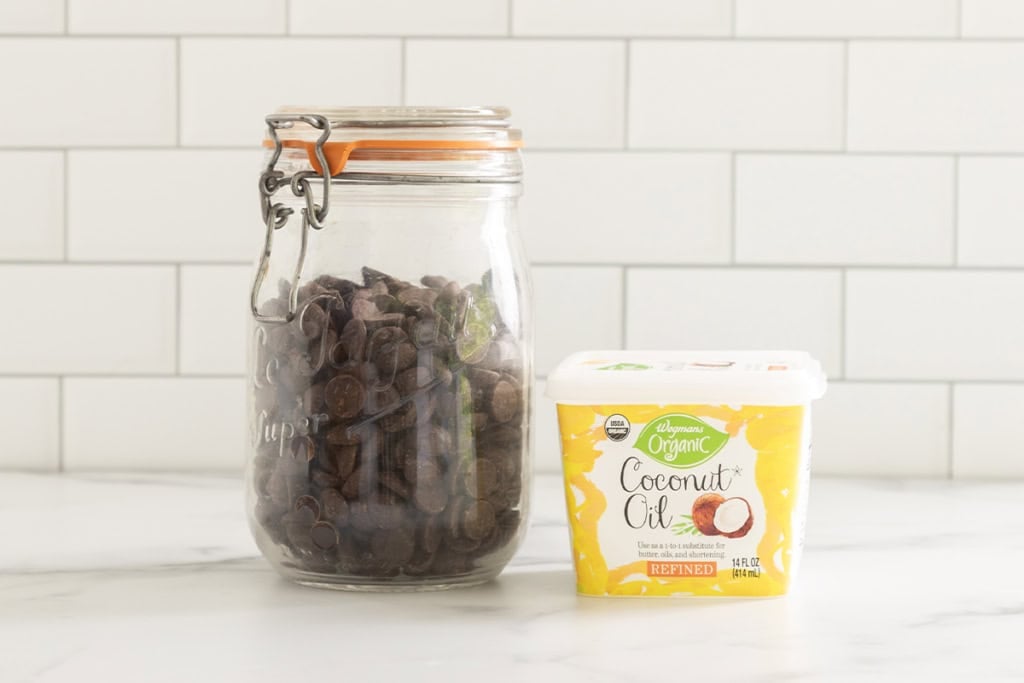
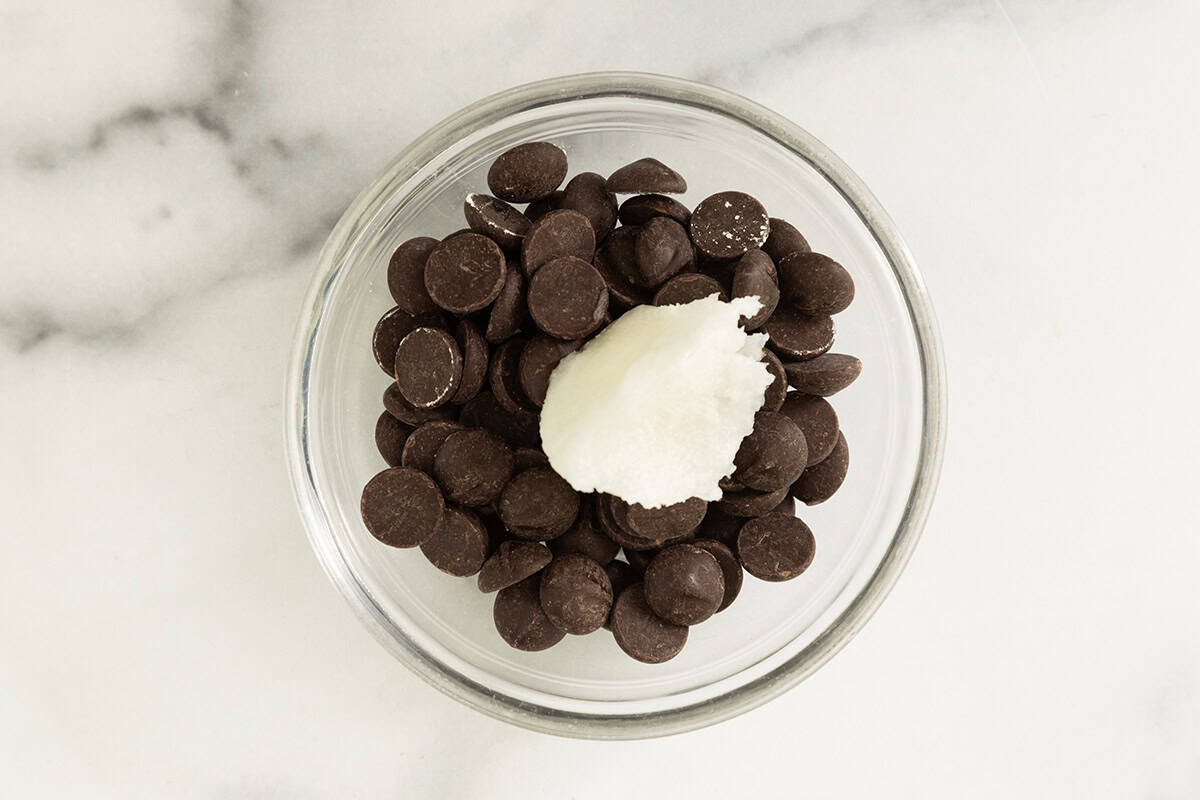
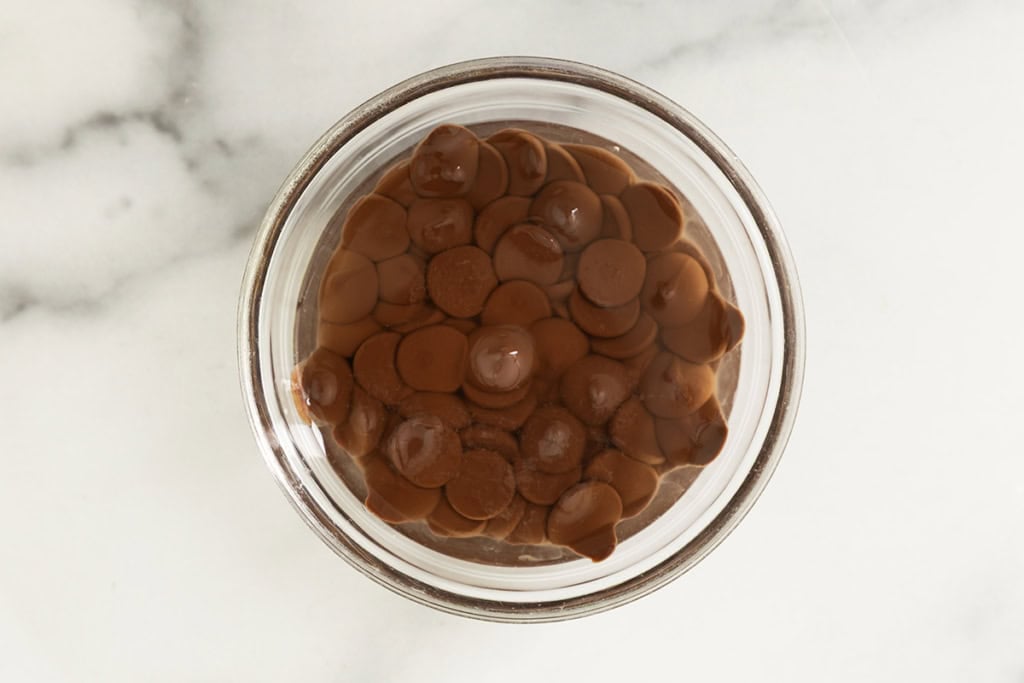
The process begins by combining chocolate chips or chopped chocolate bars with coconut oil in a heat-safe glass or ceramic bowl. The ratio typically favors the chocolate, with the oil providing the necessary fluidity. It is recommended to use refined coconut oil if a neutral flavor is desired, or virgin coconut oil for a subtle tropical aroma.
Phase 2: The Thermal Phase
Using a microwave or a double boiler, the mixture is heated in short intervals. In a microwave, 15-to-30-second bursts are standard, followed by vigorous stirring. This prevents the cocoa solids from scorching. The goal is to reach a smooth, homogeneous consistency where no solid flecks of chocolate remain.
Phase 3: The Cooling Transition
A common mistake in the preparation of magic shell is immediate application. Culinary experts suggest allowing the mixture to sit for several minutes at room temperature. If the sauce is too hot when applied to ice cream, it will cause the ice cream to melt prematurely, creating a watery barrier that prevents the shell from adhering and hardening correctly. The ideal application temperature is slightly above room temperature—warm to the touch but not steaming.
Phase 4: Application and Storage
Once cooled to the appropriate threshold, the sauce is drizzled over frozen treats. Within 30 to 60 seconds, the liquid will transition to a matte finish, indicating that the shell has set.
Versatility in Modern Gastronomy
While ice cream remains the primary vehicle for magic shell, contemporary food trends have expanded its utility. The "Nice Cream" movement—which utilizes frozen, blended bananas as a dairy-free ice cream alternative—frequently employs the magic shell to add texture and flavor complexity.
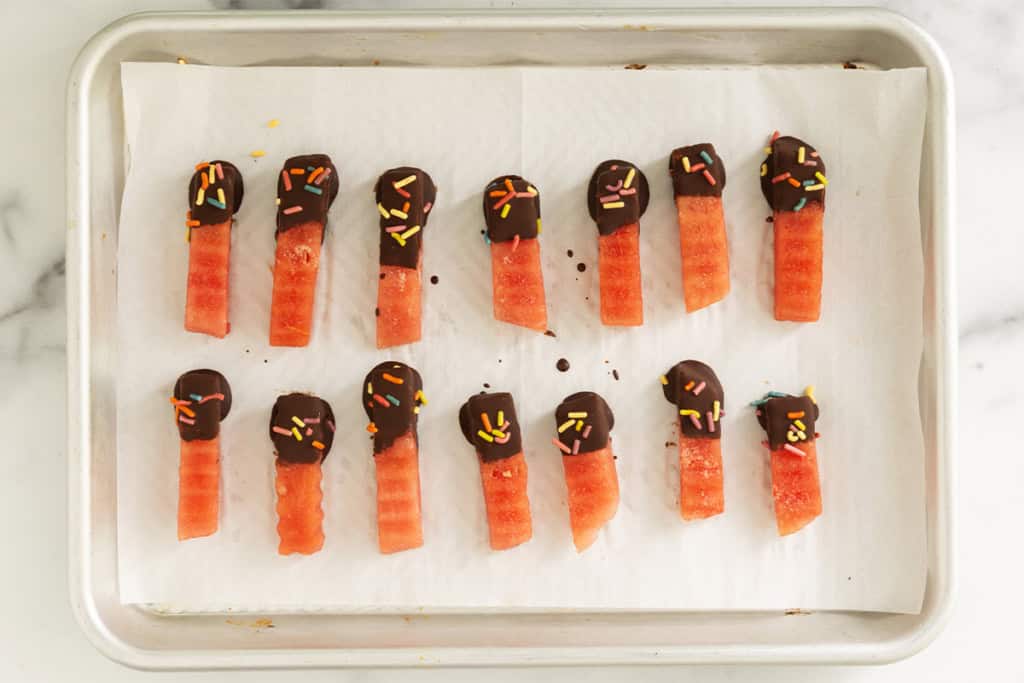
Beyond frozen desserts, the shell has found a place in the "breakfast bowl" category. Drizzling the mixture over chilled overnight oats or yogurt parfaits creates a "crackable" top layer that enhances the sensory experience of the meal. Additionally, the sauce is used as a dip for frozen fruit, such as grapes, strawberry halves, or watermelon slices. In these instances, the shell provides a portion-controlled way to enjoy chocolate while maintaining a focus on fresh produce.
Strategic Variations for Dietary Requirements
The simplicity of the 2-ingredient recipe allows for seamless adaptations to meet various medical or lifestyle-based dietary needs:
- Ketogenic and Low-Carb: By substituting standard semi-sweet chocolate chips with stevia-sweetened or erythritol-sweetened dark chocolate (85% cacao or higher), the shell becomes a high-fat, low-carb treat suitable for those managing blood sugar levels.
- Vegan and Dairy-Free: The use of high-quality dark chocolate (which naturally excludes milk solids) combined with coconut oil ensures the recipe is entirely plant-based.
- Flavor Enhancements: For adult palates, the inclusion of a pinch of flaky sea salt, a drop of peppermint extract, or a dash of espresso powder can elevate the shell from a simple topping to a sophisticated culinary component.
Storage Protocols and Shelf Life
One of the logistical advantages of the homemade magic shell is its stability. Because coconut oil and chocolate are both shelf-stable at room temperature, the mixture does not require immediate refrigeration. It can be stored in an airtight glass jar for several weeks.
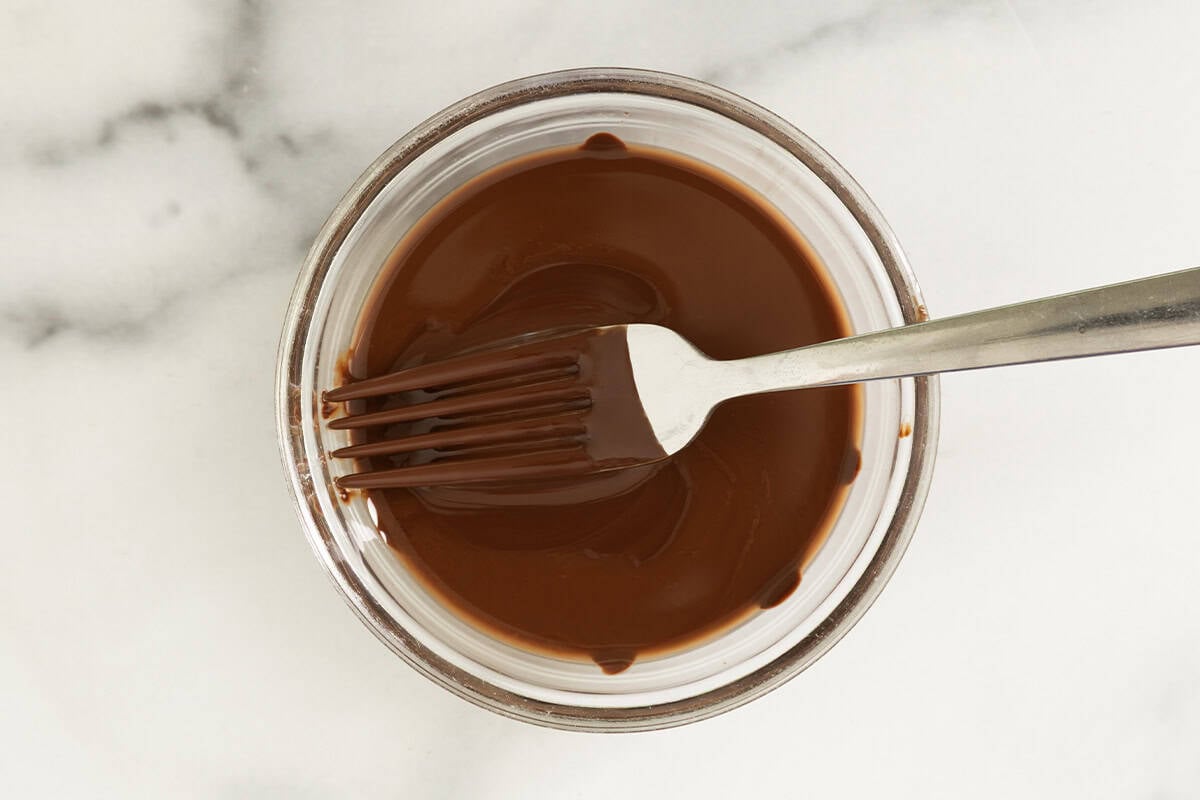
If the mixture is stored in a cool pantry or refrigerator, it will solidify completely. To return it to a liquid state, the jar can be placed in a bowl of warm water or microwaved for 20-30 seconds. This re-melting process does not compromise the "magic" hardening properties of the oil, provided that no water is introduced into the container, which would cause the chocolate to seize and become unusable.
Broader Impact on Consumer Behavior
The shift toward DIY pantry staples like the magic chocolate shell reflects a broader trend in consumer psychology. According to market research, modern consumers—particularly parents of toddlers and young children—are increasingly skeptical of ultra-processed foods (UPFs). The ability to recreate a "fun" food item using only two recognizable ingredients aligns with the "clean eating" ethos that has dominated the health and wellness sector over the last decade.
By empowering individuals to create their own condiments and toppings, the recipe encourages a more mindful relationship with sugar and fats. It transforms a processed "junk food" into a customizable, portion-controlled culinary tool. As the demand for transparency in the food industry grows, the resurgence of simple, science-based recipes like the magic chocolate shell provides a blueprint for the future of home-based food preparation.
Conclusion
The magic chocolate shell is more than a nostalgic novelty; it is a demonstration of lipid science and a testament to the power of ingredient transparency. By utilizing the unique freezing point of coconut oil, home cooks can produce a professional-grade dessert topping that rivals commercial products in performance while exceeding them in nutritional quality. Whether used to encourage children to eat more fruit or to add a sophisticated finish to a dinner party dessert, this two-ingredient method remains an essential technique in the modern kitchen’s repertoire.
